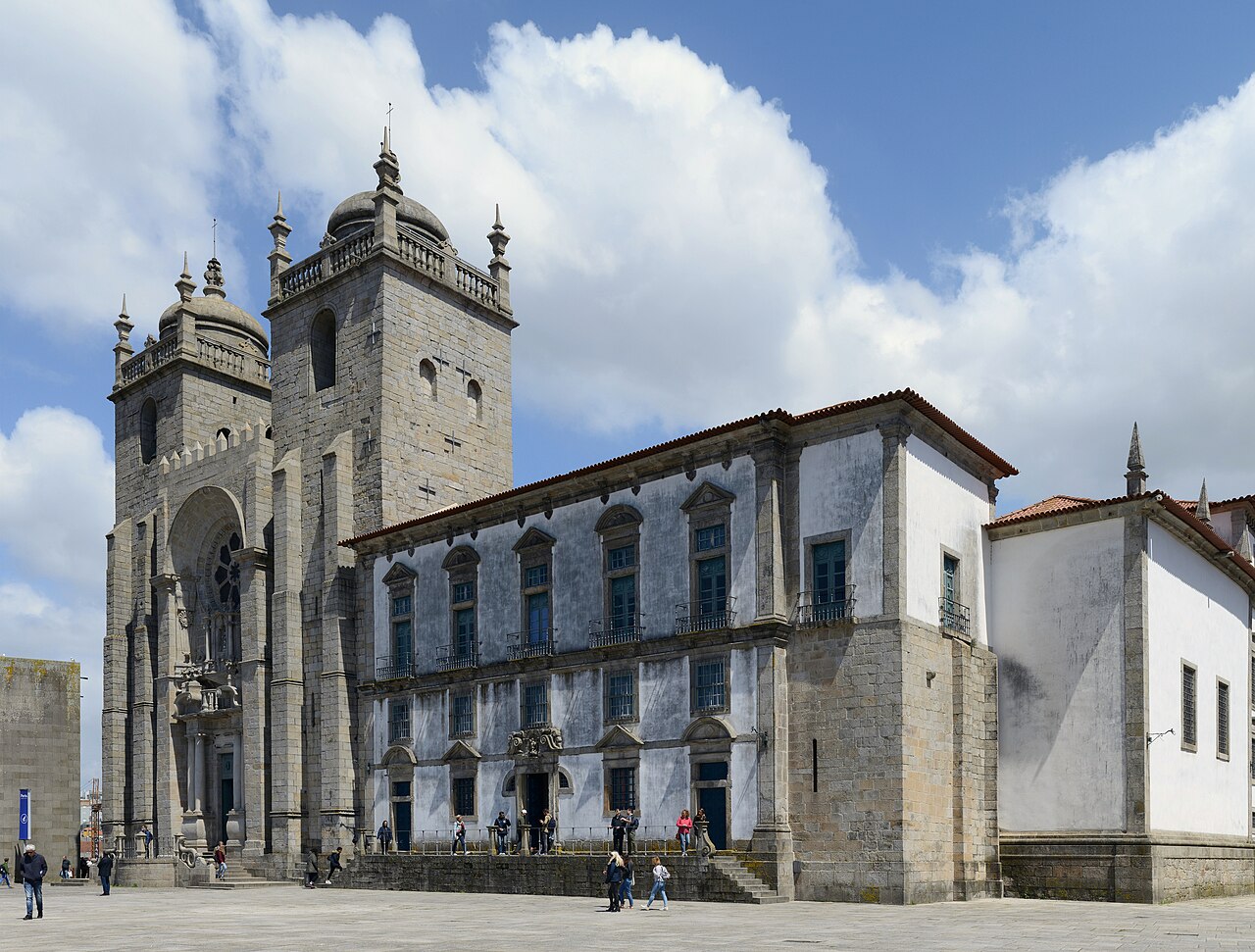
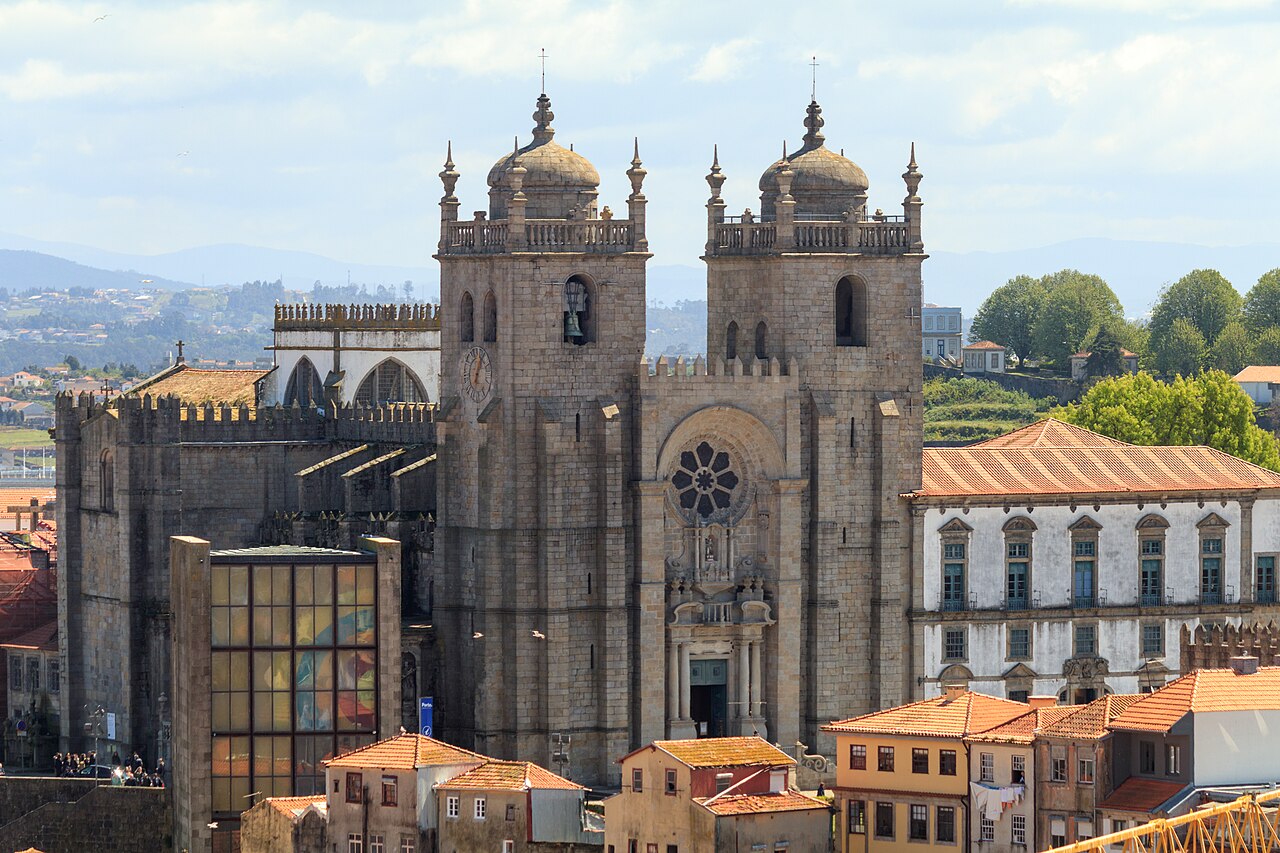
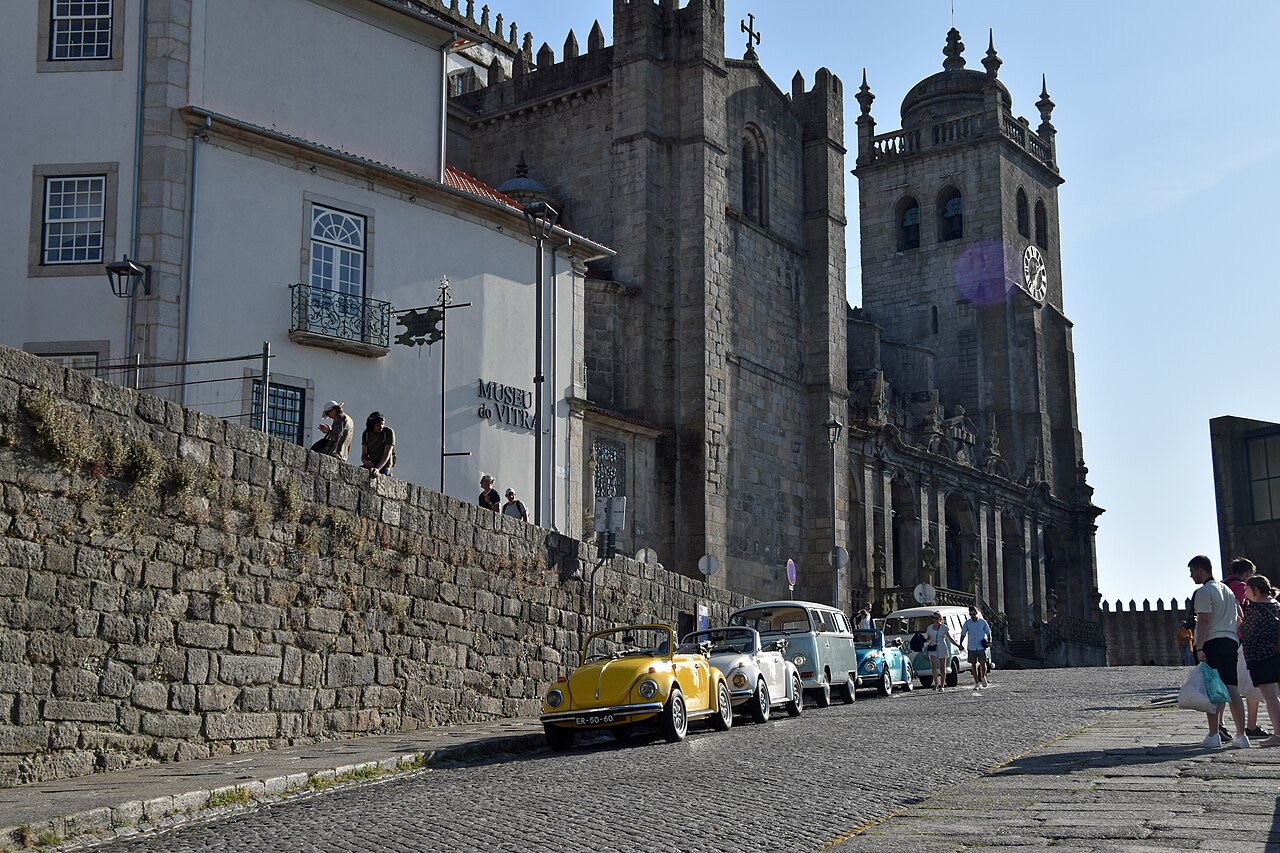
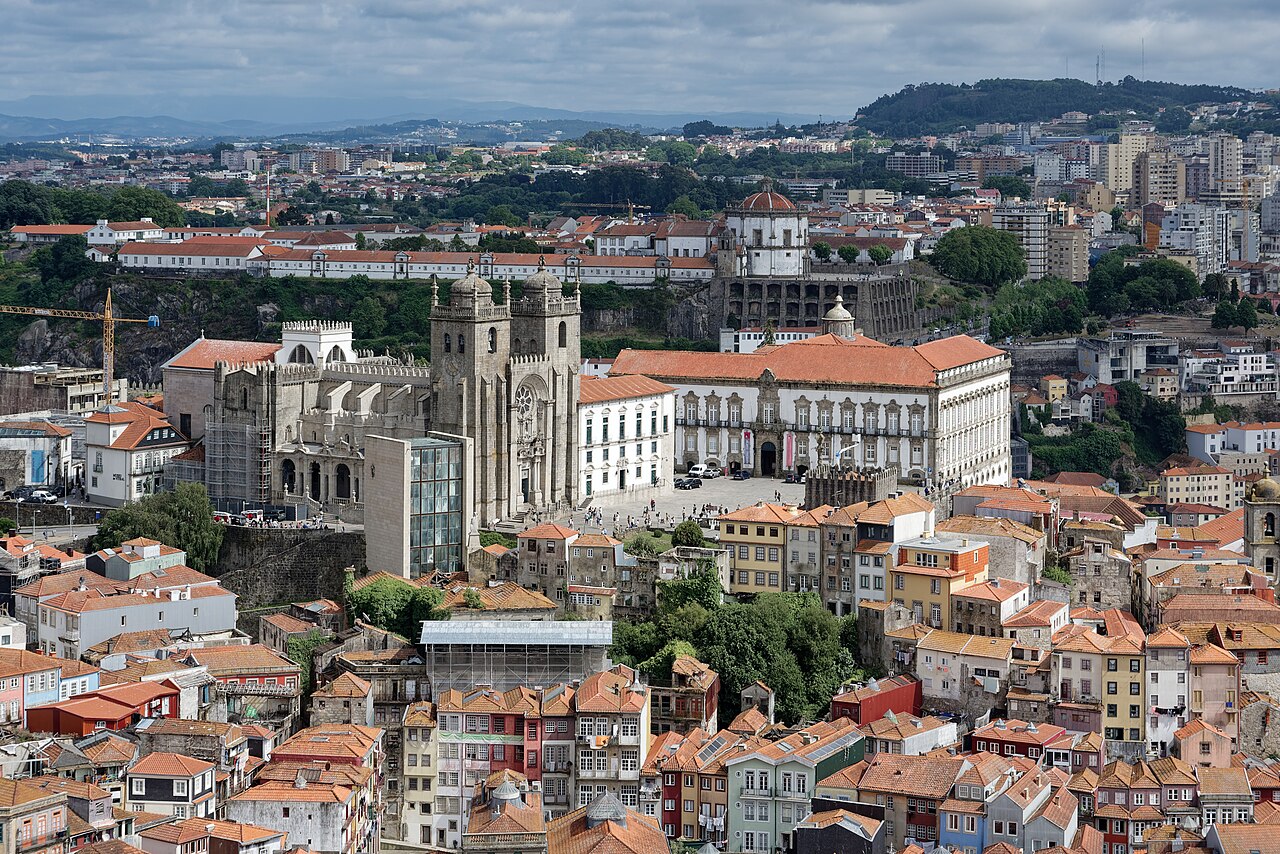
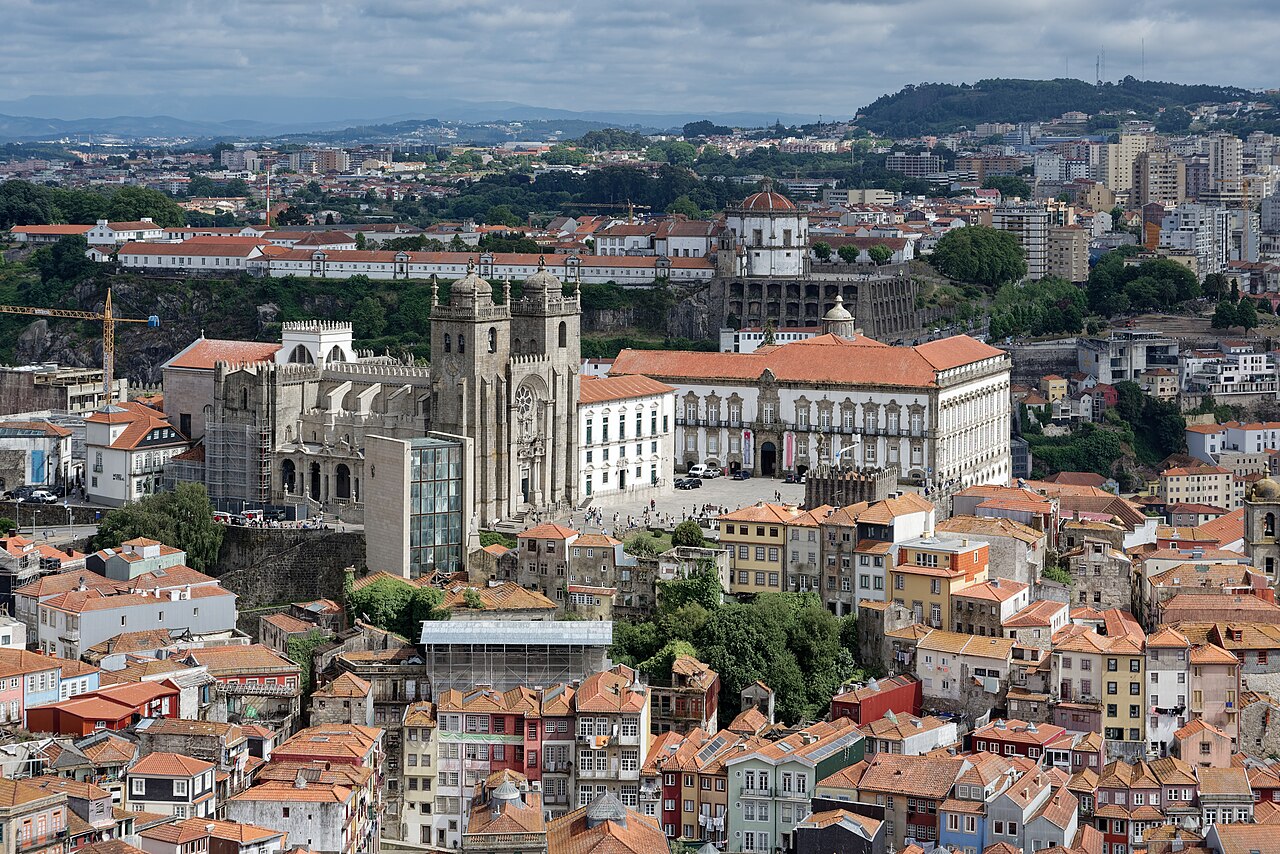
Porto Cathedral (Sé do Porto) is the city's oldest and most important religious building, set on the highest point of the old town in the Batalha district. Begun in the 12th century in Romanesque style and later enriched with Gothic and Baroque elements, its fortress-like walls reflect centuries of change. It is also where King John I married Philippa of Lancaster in 1387, an event that sealed the long-standing Anglo-Portuguese Alliance.
Fortress-like Romanesque façade with thick walls and narrow windows, a reminder of its defensive origins
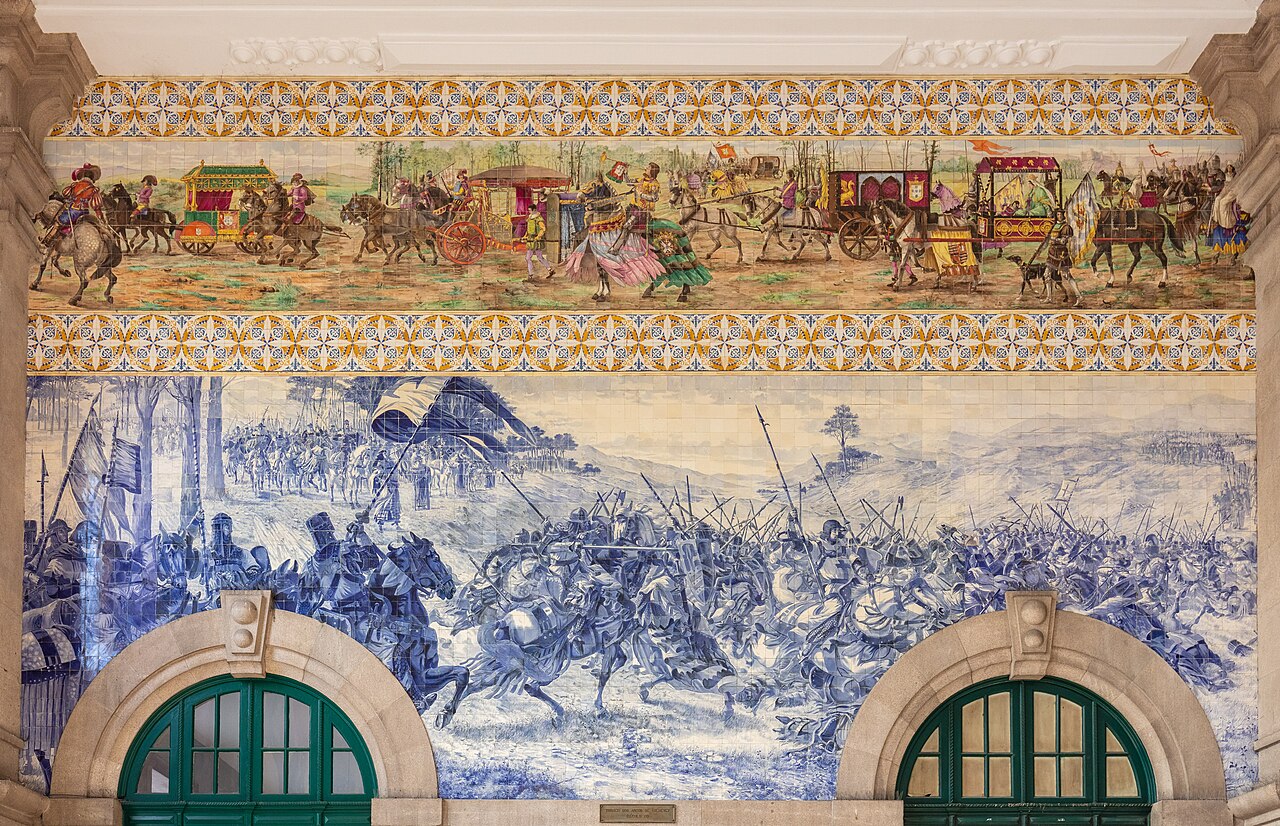
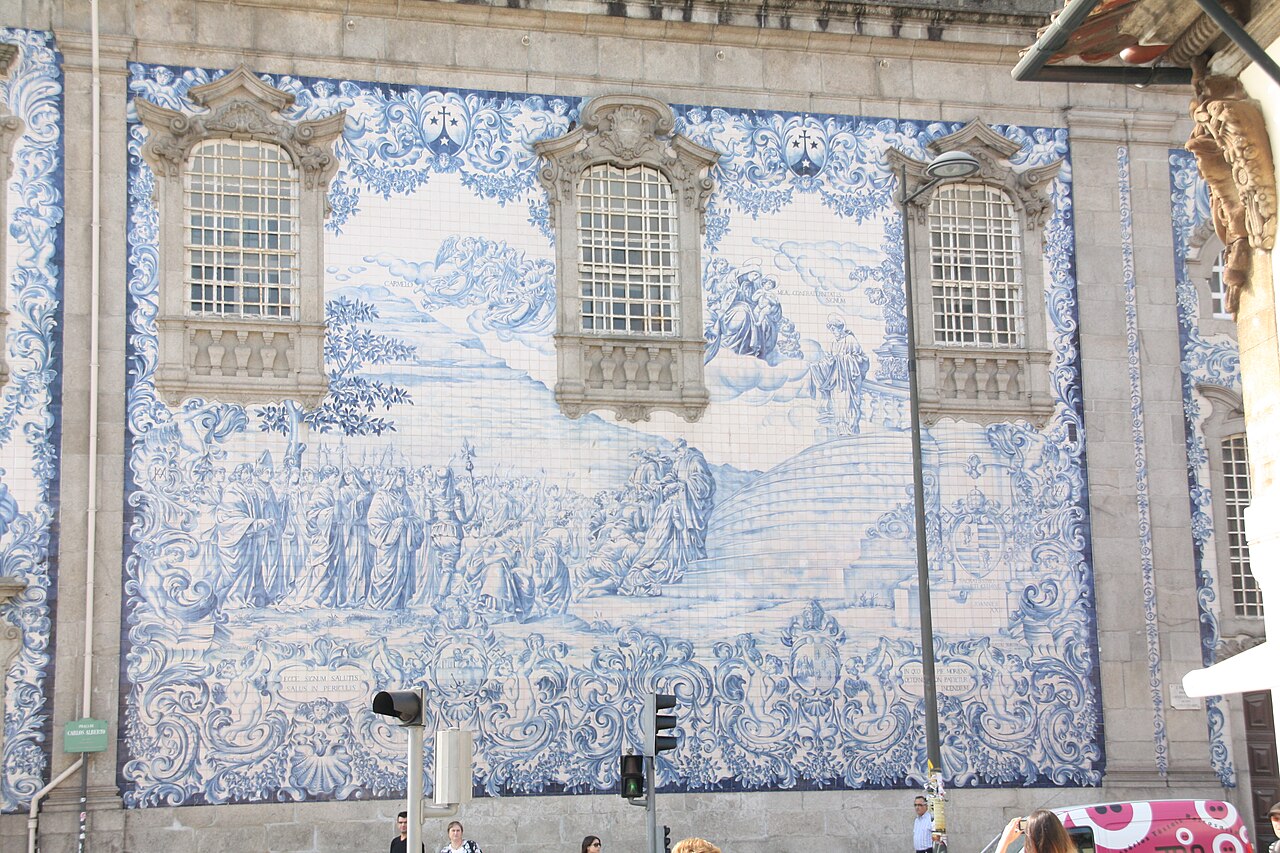
Gothic cloister (14th–15th c.) lined with blue azulejo tile panels depicting the life of the Virgin Mary (by Valentim de Almeida, 18th c.)
Baroque loggia added by Italian architect Nicolau Nasoni in 1736, layering styles across the centuries
The Treasury in the Casa do Cabido, holding the cathedral's most precious sacred objects
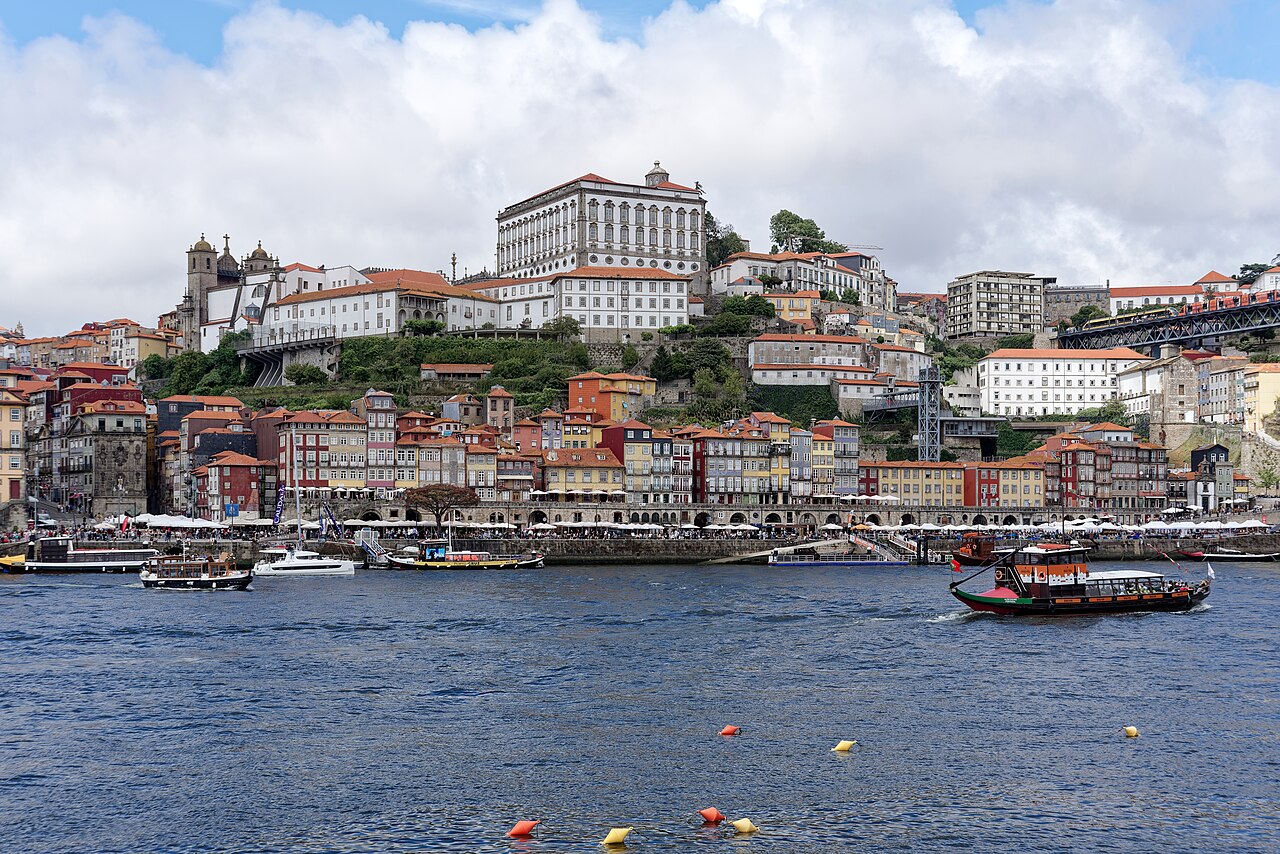
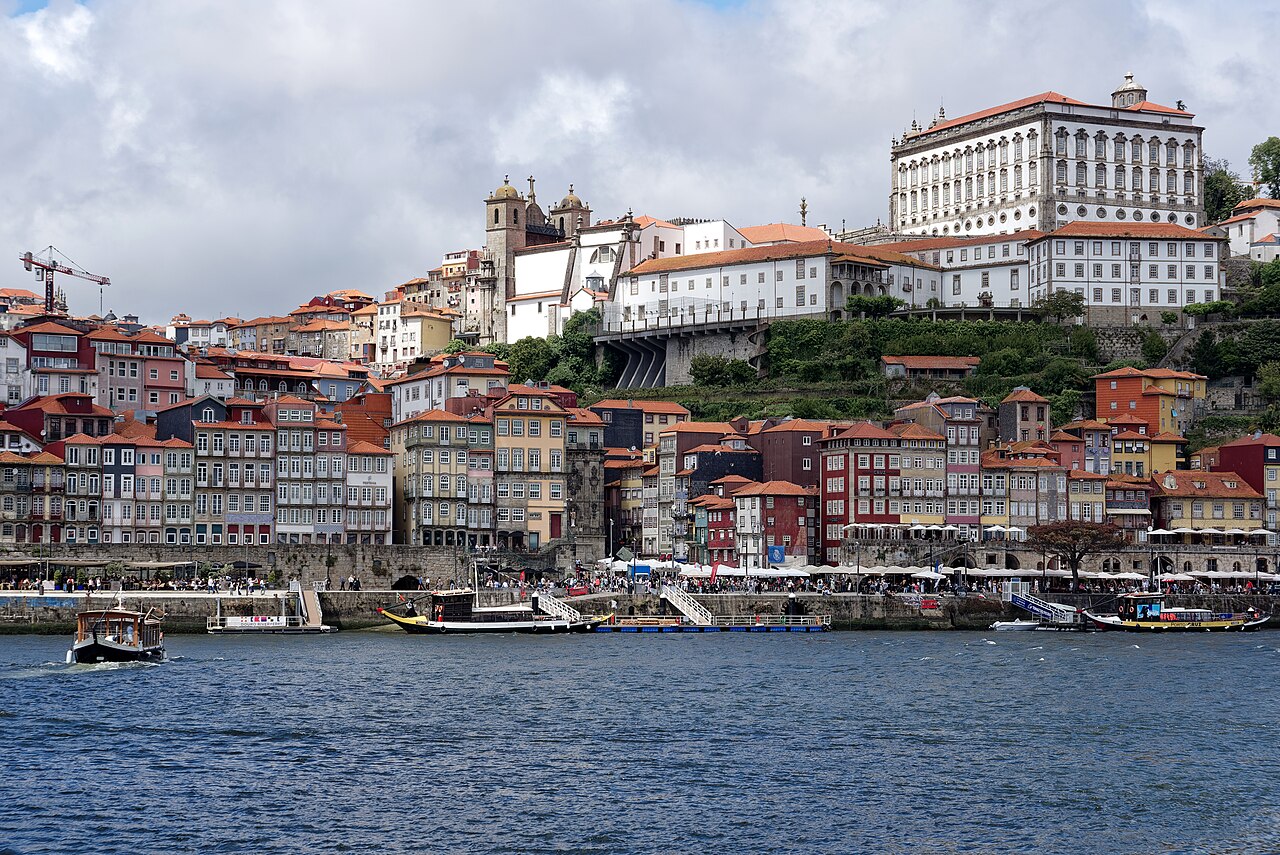
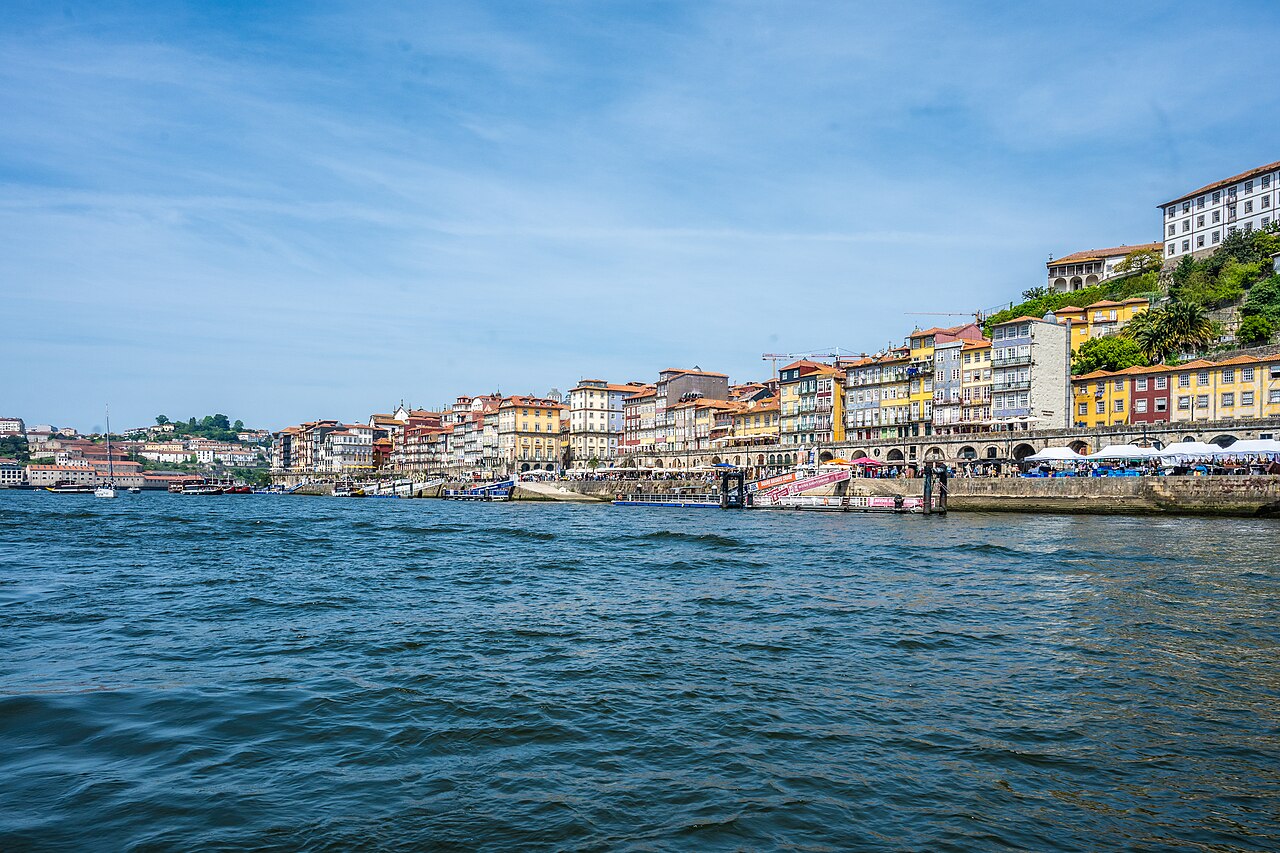
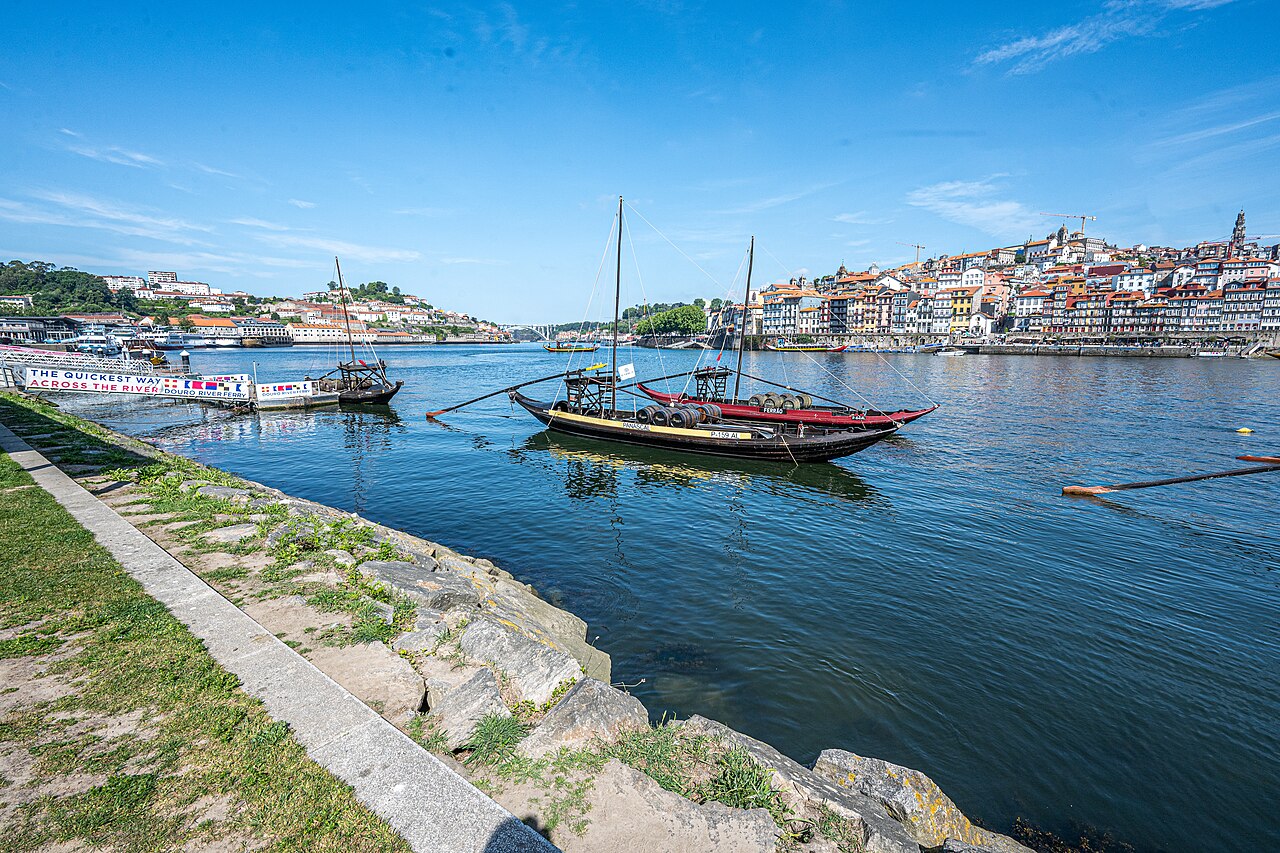
Sweeping views over the Douro River and Ribeira from the Terreiro da Sé square out front
Good to know
CautionThe São Bento–Sé area, Ribeira, and nearby viewpoints (e.g., Jardim do Morro) are tourist hotspots where pickpocketing is more common. Carry bags in front and keep an eye on your phone and wallet.
MannersThe nave is an active place of worship. During Mass, stay quiet and avoid flash photography. Mass is typically held around 11:00 on weekdays and 10:00 on Sundays (verify latest).
MannersThere is no strict dress code, but as this is a cathedral, avoid overly revealing clothing; keeping shoulders and legs modestly covered is appreciated. A light scarf or shawl is handy if unsure.
RulesThe nave is free, but the Gothic cloister, Chapter House, and Treasury require a paid ticket (adults around €3, combined ticket with the Episcopal Palace around €5 — verify latest). The cloister may be closed to visitors on Sundays and public holidays.
SeasonThe cathedral may close for a midday break (roughly 12:30–14:30), and the cloister usually shuts about 30 minutes before the church. Seasonal hours differ (Apr–Oct vs Nov–Mar), so check the current schedule before you go.
SafetyThe site sits atop steep, cobbled streets and stairs, so wear comfortable shoes. Coming up from Ribeira, the Funicular dos Guindais lets you skip the hardest climb.
Practical info
About a 5-minute uphill walk from São Bento metro/train station. The nave is free; allow 30–60 minutes if you also visit the cloister and Treasury. Opening is roughly 9:00–18:30 (Apr–Oct) and 9:00–17:30 (Nov–Mar), possibly with a midday closure and an earlier cloister cutoff — always confirm fees and hours from official sources just before visiting.
On-site reviews📍 Verified on-site
No reviews yet. If you are here, be the first to leave one.