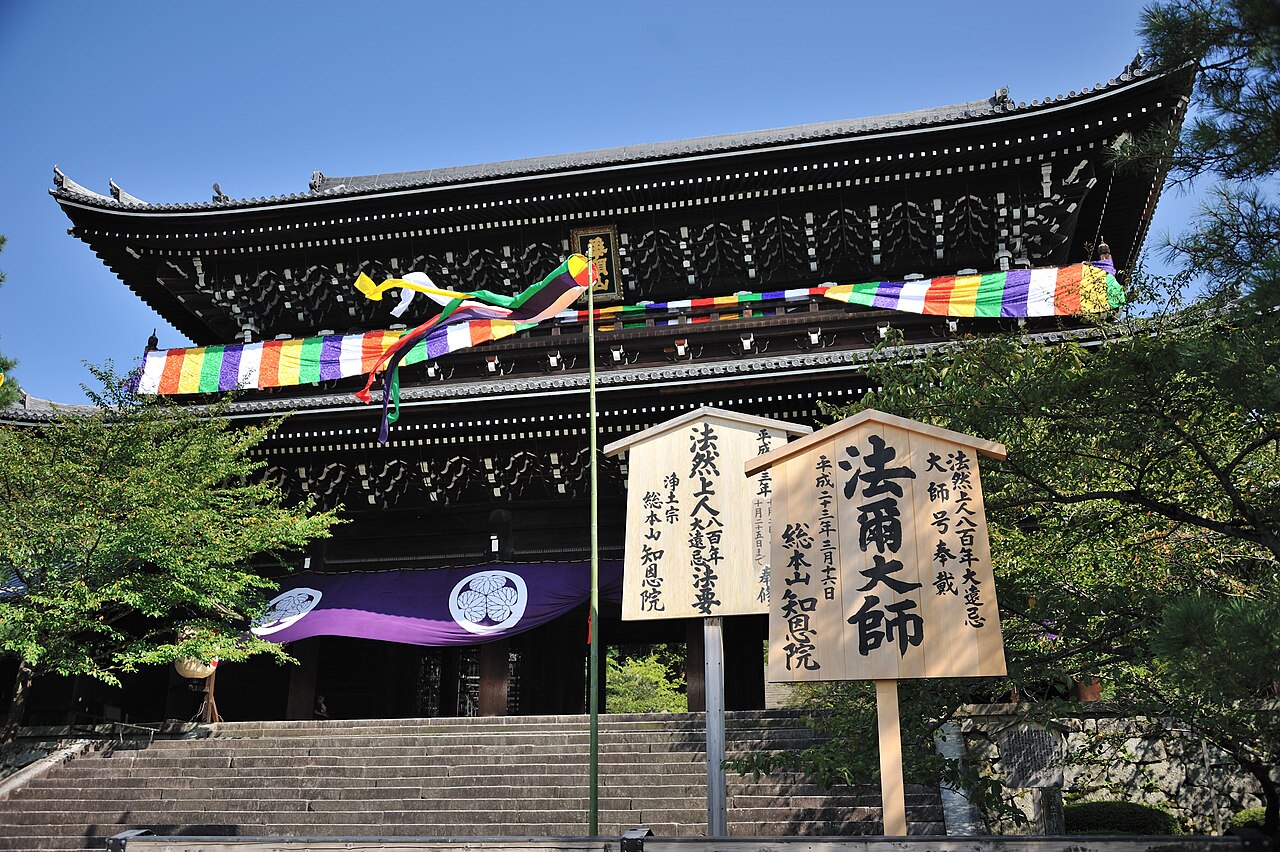
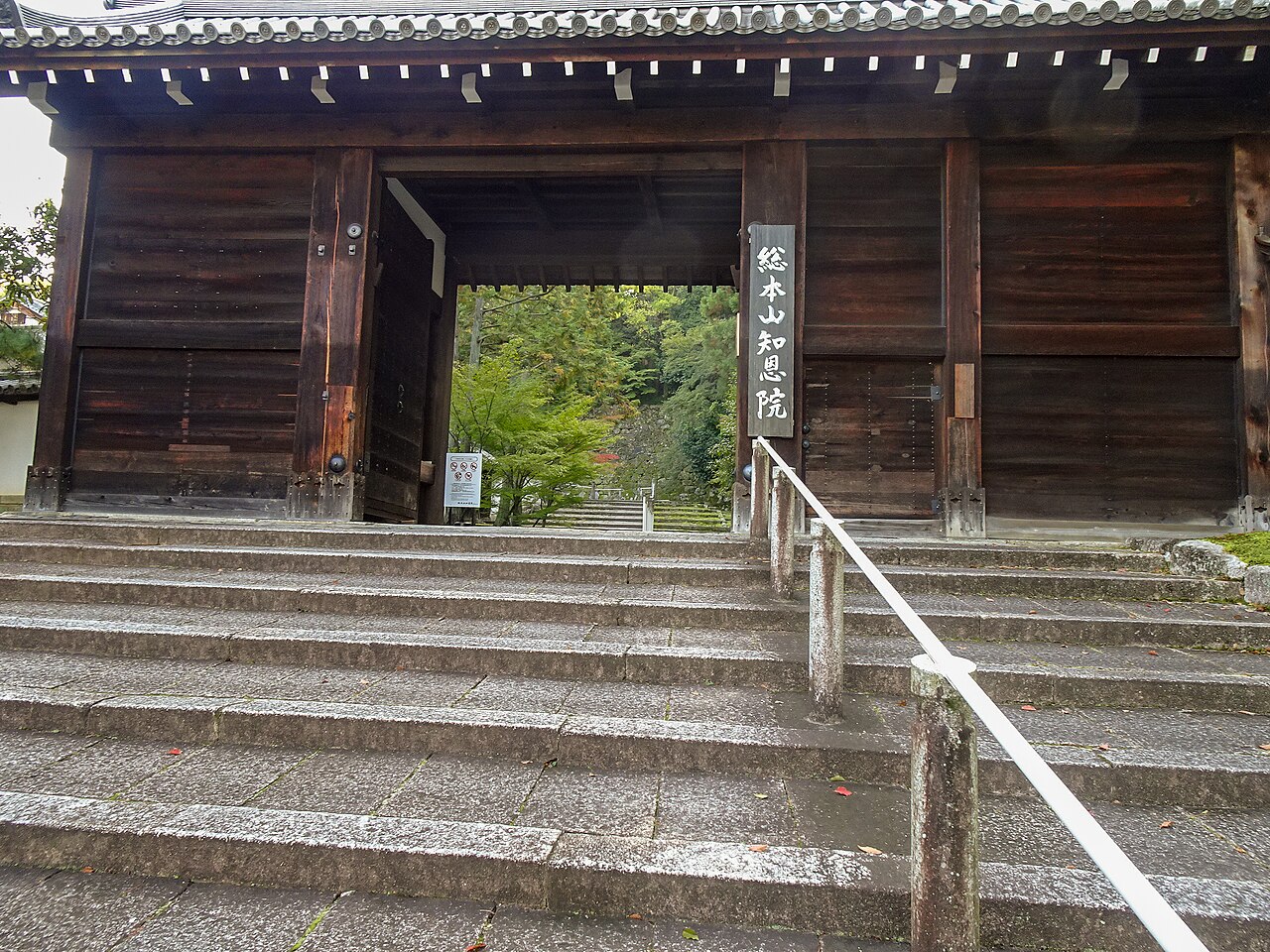
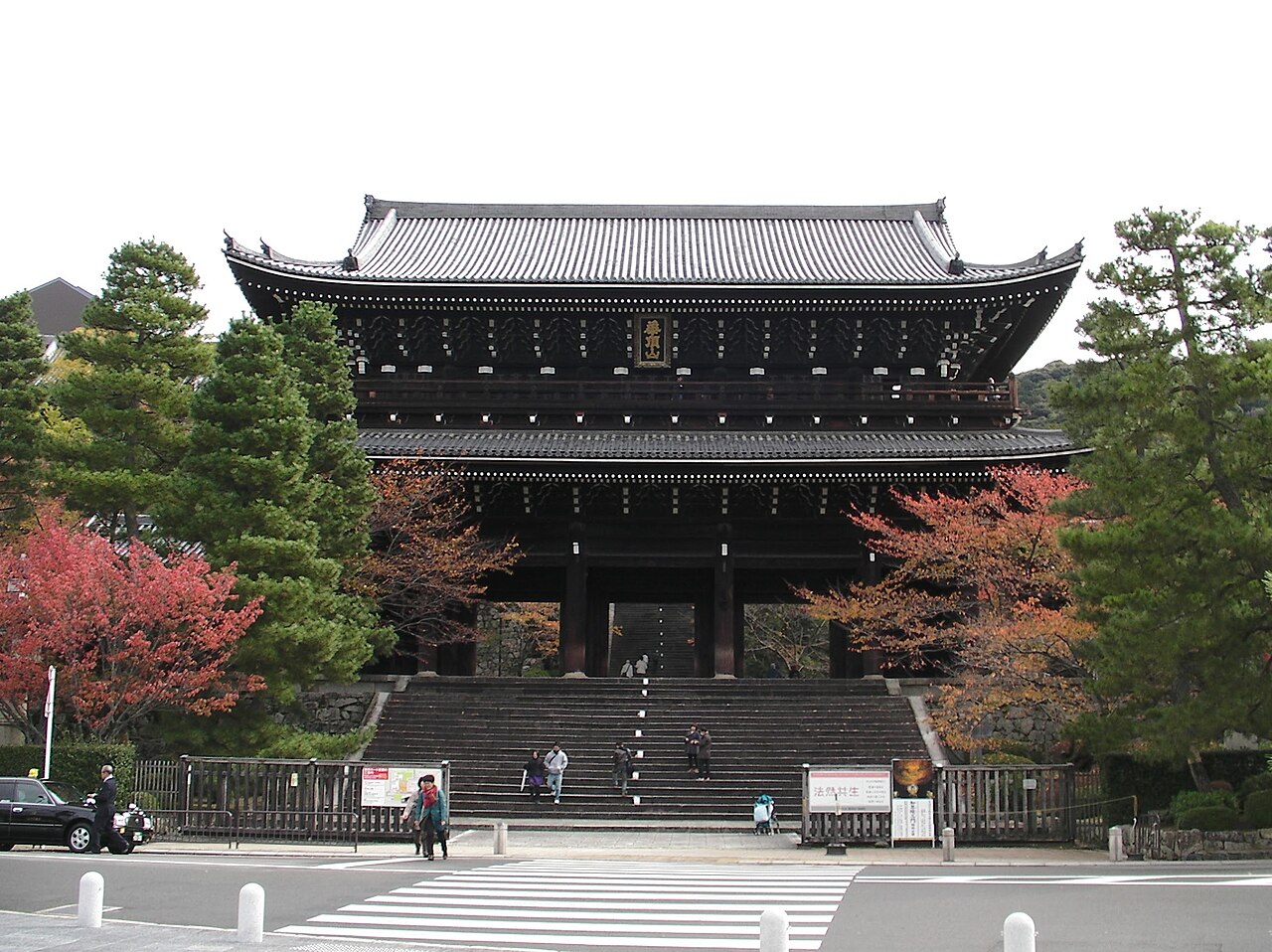
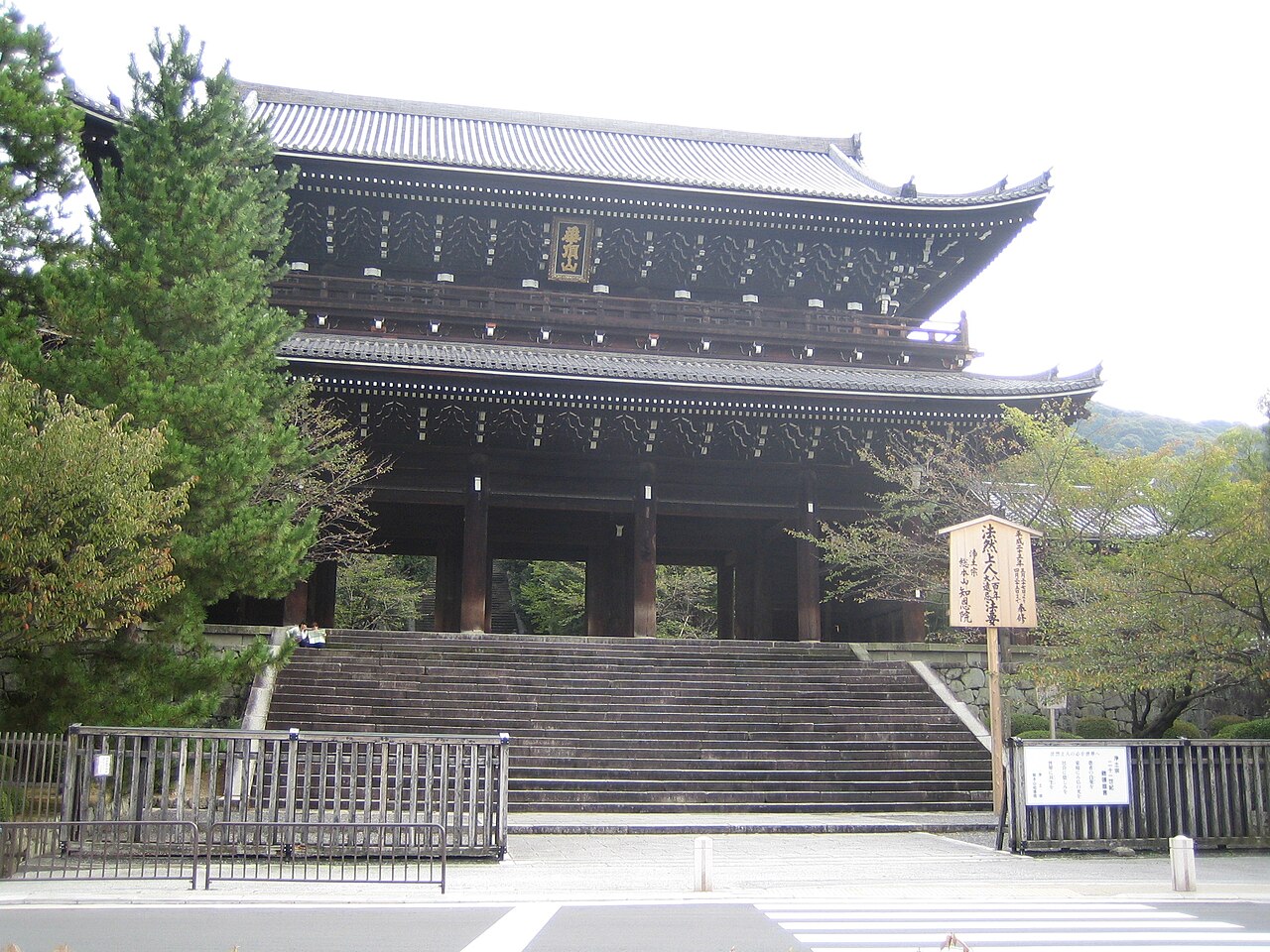
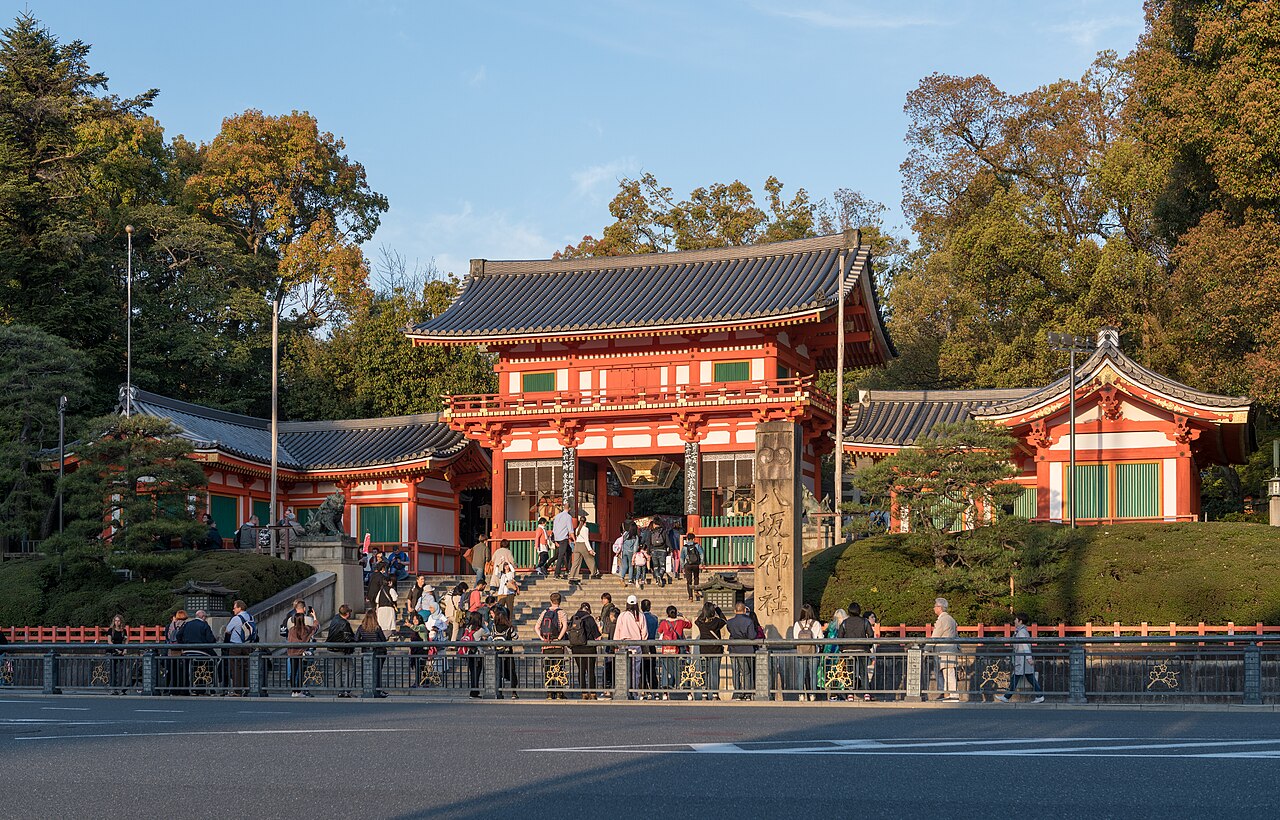
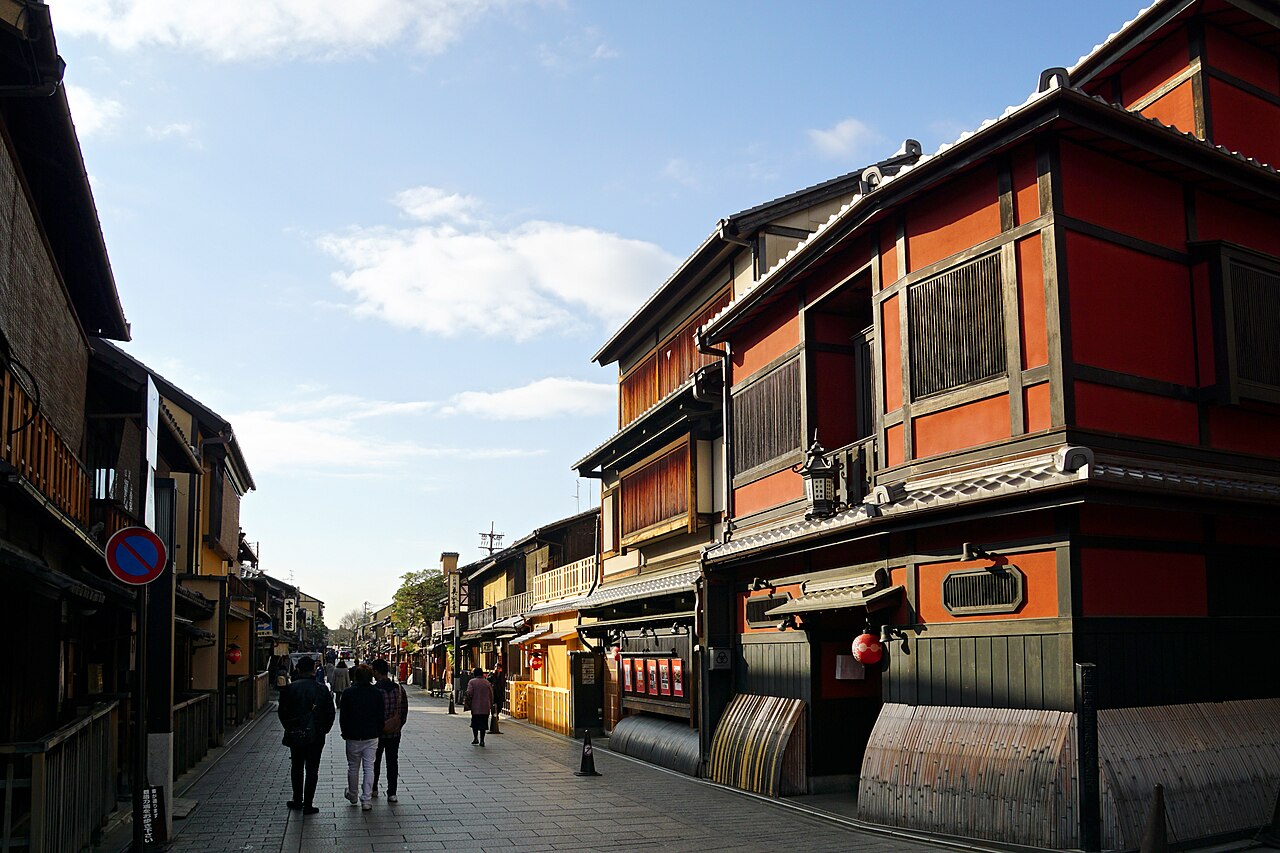
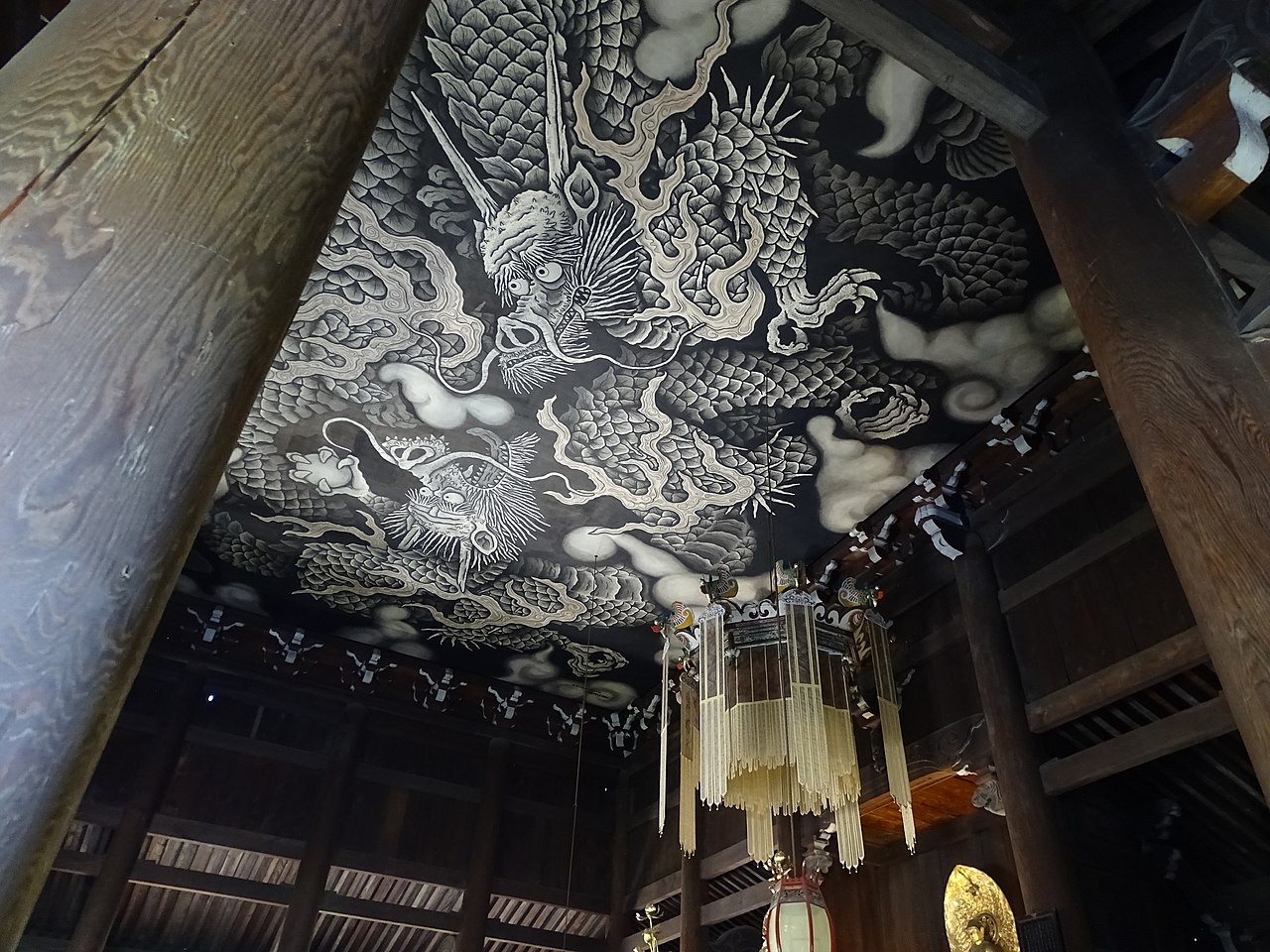
Chion-in (知恩院) is the head temple of Japan's Jōdo-shū (Pure Land) Buddhism, set in Kyoto's Higashiyama district. Founded in 1234 on the site where the sect's founder Hōnen taught and died, it is famed for its Sanmon gate (about 24m tall, one of Japan's largest wooden temple gates and a National Treasure), the monumental Miei-dō founder's hall (National Treasure), and a giant bell weighing roughly 70 tons. Still an active center of worship with millions of followers, it sits right beside Gion and Maruyama Park, making it a natural stop on a Higashiyama walk.
Sanmon Gate: Built in 1621 by shogun Tokugawa Hidetada, this roughly 24m-tall structure is one of Japan's largest wooden temple gates and a National Treasure.
Miei-dō (Founder's Hall): A National Treasure main hall rebuilt in 1639; after a major 2011–2020 restoration you can admire its vast timber architecture.
Great Bell: Cast in 1636 and weighing about 70 tons, it is one of Japan's largest. Its New Year's Eve ringing, performed by teams of monks, is nationally famous.
Seven Wonders of Chion-in: Hunt down local legends such as the 'nightingale floor' (squeaking corridor), the 'forgotten umbrella,' the 'escaping sparrows,' and the 'cat that gazes from three directions.'
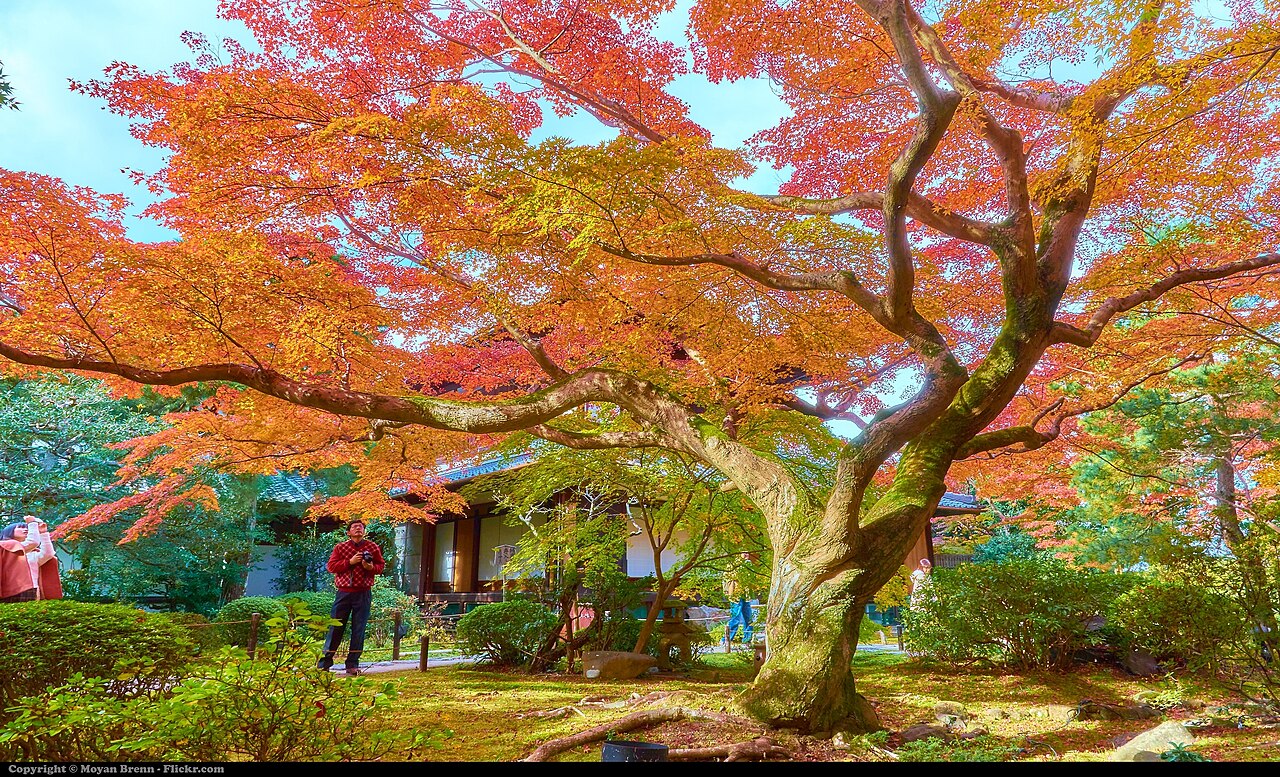
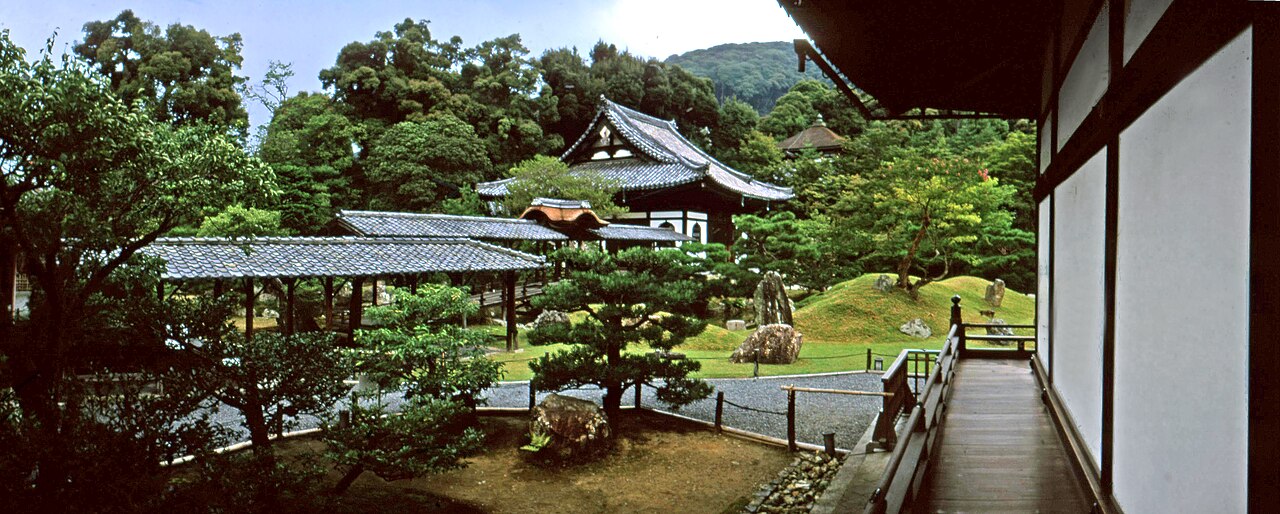
Hōjō and Yūzen-en gardens: Paid garden areas offer seasonal scenery, and spring and autumn night illuminations are held as special events (confirm dates and availability locally).
Good to know
MannersThis is a working place of worship. Inside the Miei-dō and other halls, keep your voice down and avoid disturbing worshippers or ongoing services.
MannersSome hall interiors require removing your shoes. Wear footwear that slips off easily, and stay quiet on the wooden corridors (including the nightingale floor).
RulesPhotography is often restricted inside halls and around cultural treasures. Avoid tripods, flash, and shooting outside permitted areas; follow on-site signage (verify current rules).
SafetyThe stone stairways rising from the Sanmon into the grounds (such as the 'Otokozaka') are steep. Wear non-slip shoes and take extra care after rain and in winter.
SeasonSpring cherry-blossom and autumn foliage illuminations, plus the adjacent Gion and Maruyama Park, make peak-season evenings very crowded. Consider an early-morning visit or a relaxed schedule.
SeasonThe grounds are large with many stairs and slopes. Prepare for summer heat and winter cold or icy paths; water, a hat, or warm layers help.
Practical info
About an 8-minute walk from Higashiyama Station (Tōzai subway line) or a 10-minute walk from Gion-Shijō Station (Keihan line). The temple grounds are free; the Hōjō and Yūzen-en gardens charge admission (combined ticket available). Check opening hours, garden fees, and special-event dates on the official website before visiting.
On-site reviews📍 Verified on-site
No reviews yet. If you are here, be the first to leave one.