The Ringstrasse is Vienna's grand circular boulevard, roughly 5.3 km long, laid out where the medieval city walls once stood and ceremonially opened in 1865 by Emperor Franz Joseph. Lined with monumental Historicist ('Ringstrassenstil') landmarks — the State Opera, the twin Art History and Natural History museums, Parliament, City Hall, the Burgtheater and the University — it is often called one of Europe's most beautiful avenues and an open-air showcase of Habsburg-era architecture. In 2026 it remains free to explore on foot, by bike or by public tram, and is best approached as a continuous 'moving museum' rather than a single fixed sight.
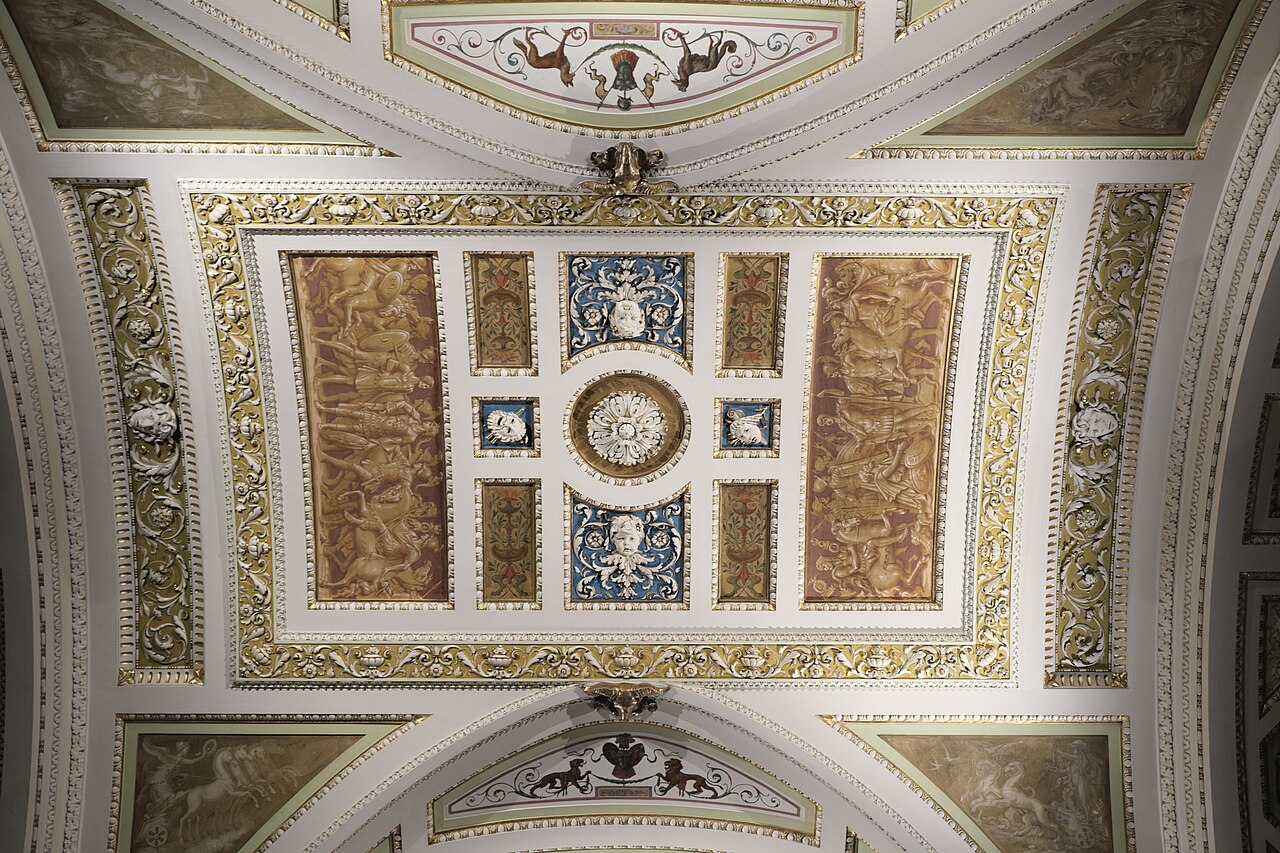
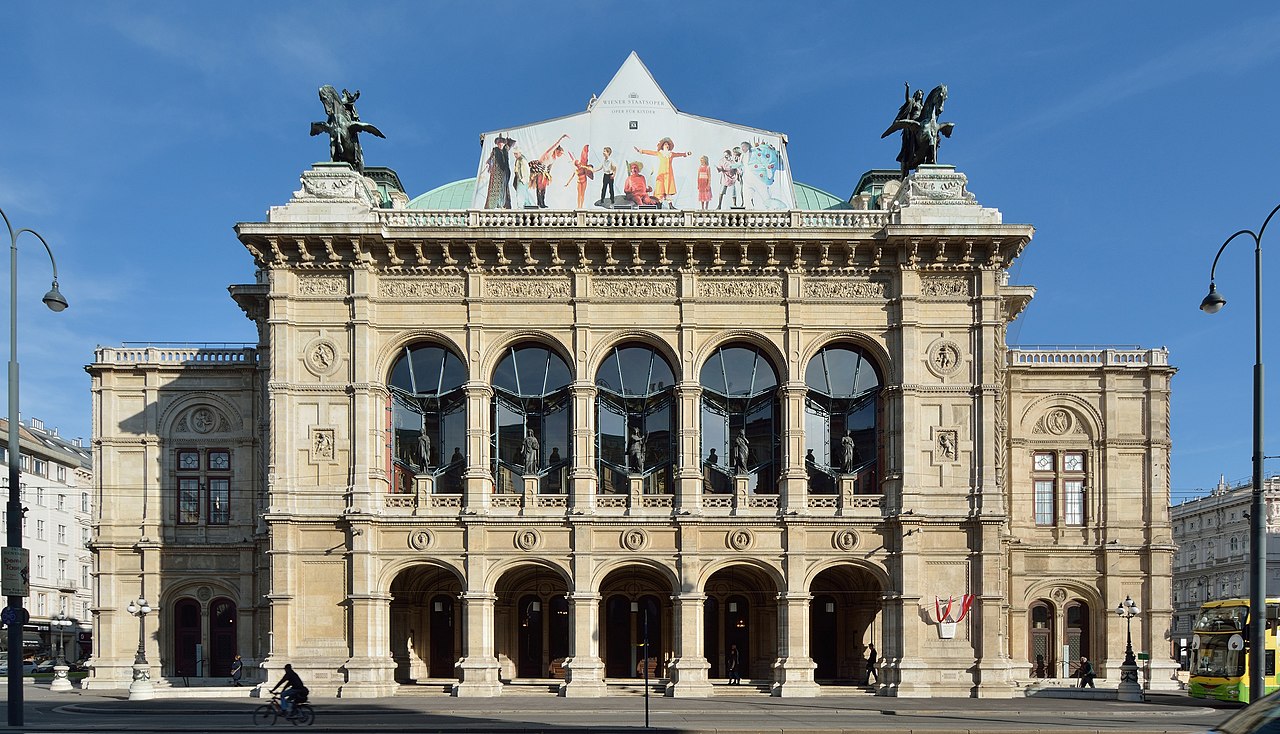
The State Opera (Staatsoper) on the Opernring — a Neo-Renaissance masterpiece and the classic starting point for a Ring walk
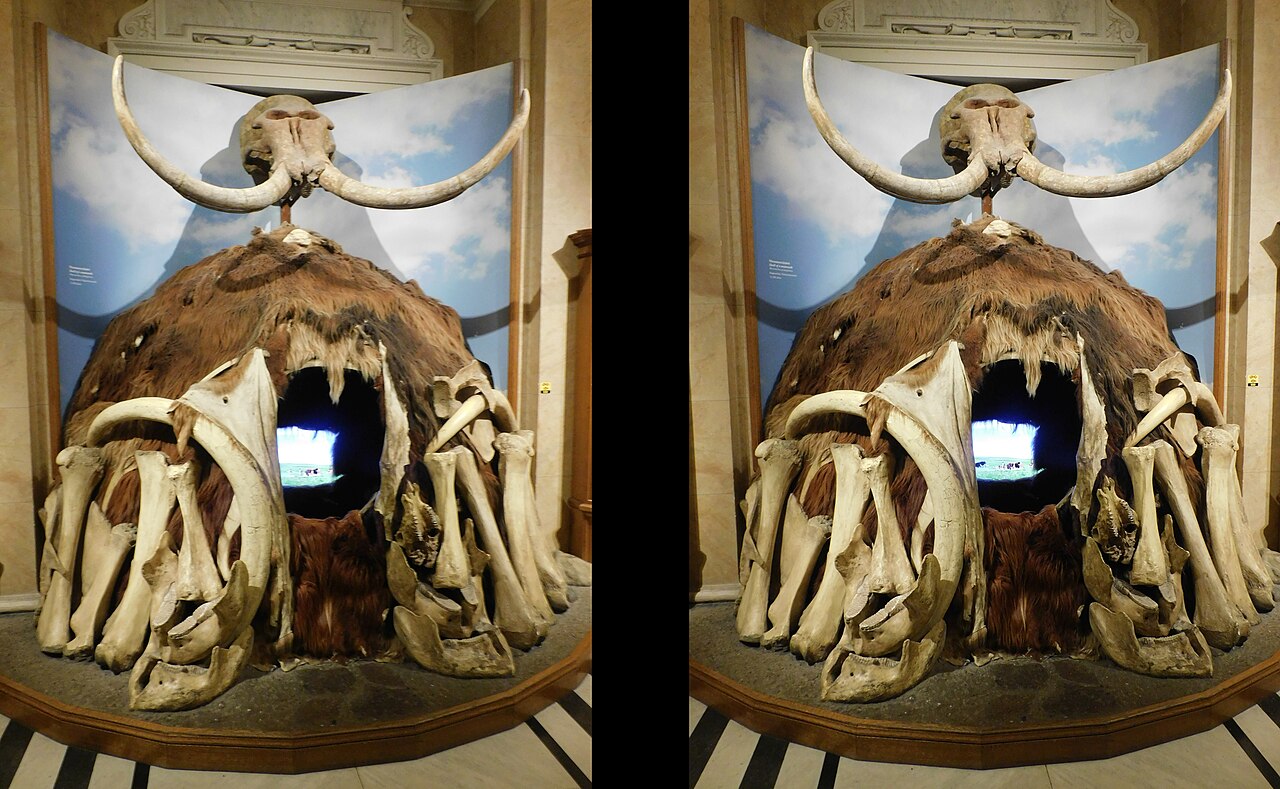
The Kunsthistorisches and Naturhistorisches museums, near-identical twins facing each other across Maria-Theresien-Platz
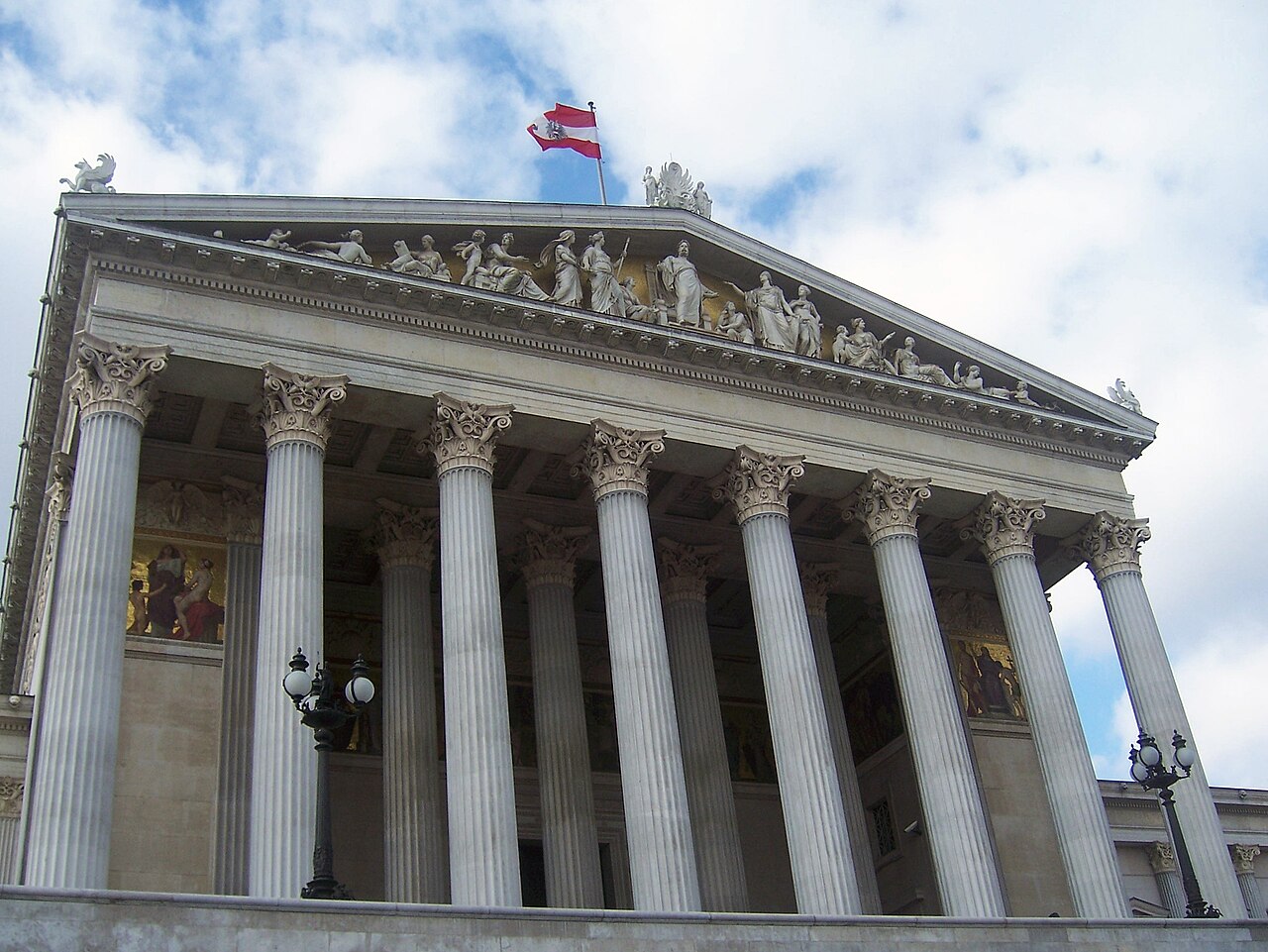
Parliament, modelled on a Greek temple with the Pallas Athena fountain, reopened after a major renovation completed in 2023
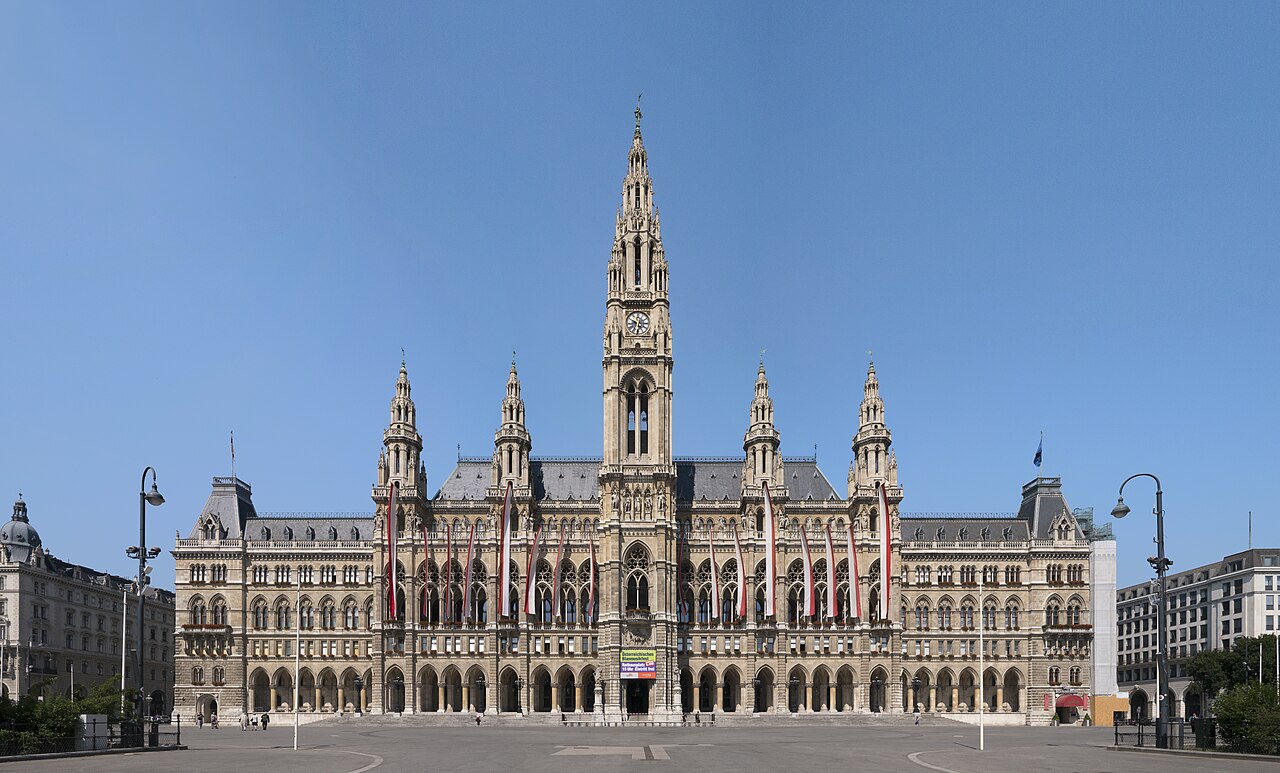
The Neo-Gothic City Hall (Rathaus) with its event-filled square, facing the ornate Burgtheater across the boulevard
The northern stretch linking the main University building and the Votive Church, plus the green spaces — Stadtpark and Volksgarten — set along the Ring
Good to know
CautionCostumed 'Mozart' sellers near the Opera and along the Ring push concert tickets that are often overpriced with exaggerated seating and programmes; buy performances only from official box offices or venue websites.
SafetyTourist-heavy trams (especially lines 1 and 2) and busy stops are known pickpocket spots. Wear bags in front, keep passport and wallet in an inner pocket, and stay alert during crowded boarding and alighting.
RulesThe dedicated tourist 'Vienna Ring Tram' is no longer running. To circle the Ring by tram you must switch between regular lines 1 and 2 (neither completes the full loop); walking the whole circuit takes about an hour.
RulesFrom January 2026 Vienna's fare structure changed: a single ticket is about €3.20 (€3 via app) and the 48- and 72-hour passes have been discontinued. Always validate your ticket before boarding a tram, as fare-dodging fines apply. Check current prices with Wiener Linien for the latest.
SeasonIn late November–December the City Hall square hosts a Christmas market and ice rink, and a summer film festival runs there in July–August, making that stretch very crowded. Summer midday offers little shade, so bring water and a hat; dress warmly in winter.
MannersIf you attend a performance at the Opera, Burgtheater or Musikverein, smart attire is expected and photography or noise during the show is not allowed. Photographing façades is fine, but do not step onto the roadway or the cycle lane for shots.
Practical info
Metro stops such as Karlsplatz (U1/U2/U4, for the Opera), Volkstheater (U2/U3), Rathaus (U2) and Schottentor (U2) connect directly to sections of the Ring, and trams 1, 2, D and 71 run along it. The boulevard itself is a public street open around the clock with no admission fee, but individual sights — Opera, museums, Parliament guided tours — have their own tickets and opening hours, so confirm fares, hours and closing days on each institution's official website before you visit.
On-site reviews📍 Verified on-site
No reviews yet. If you are here, be the first to leave one.