Khan el-Khalili is Cairo's most famous historic bazaar, founded around 1382 in the Mamluk era as a caravanserai (khan) and still trading more than 600 years later, set within the Islamic quarter of the UNESCO World Heritage 'Historic Cairo'. It is known for a labyrinth of covered alleys where individual lanes are still dedicated to single trades such as gold, spices, copper and lamps, and as of 2026 it remains a lively, tourist-police-patrolled landmark. It is a great starting point for exploring Islamic Cairo on foot: come by day for bargaining and shopping, or around dusk for the lamplit alleys and café atmosphere.
El-Fishawi Café: one of Cairo's oldest coffeehouses, running since the late 18th century and a favourite of Nobel laureate Naguib Mahfouz; try Arabic coffee and shisha.
Gold and silver lanes and copper/brass workshops: in trade-specific alleys you can watch artisans hand-hammer traditional metalwork.
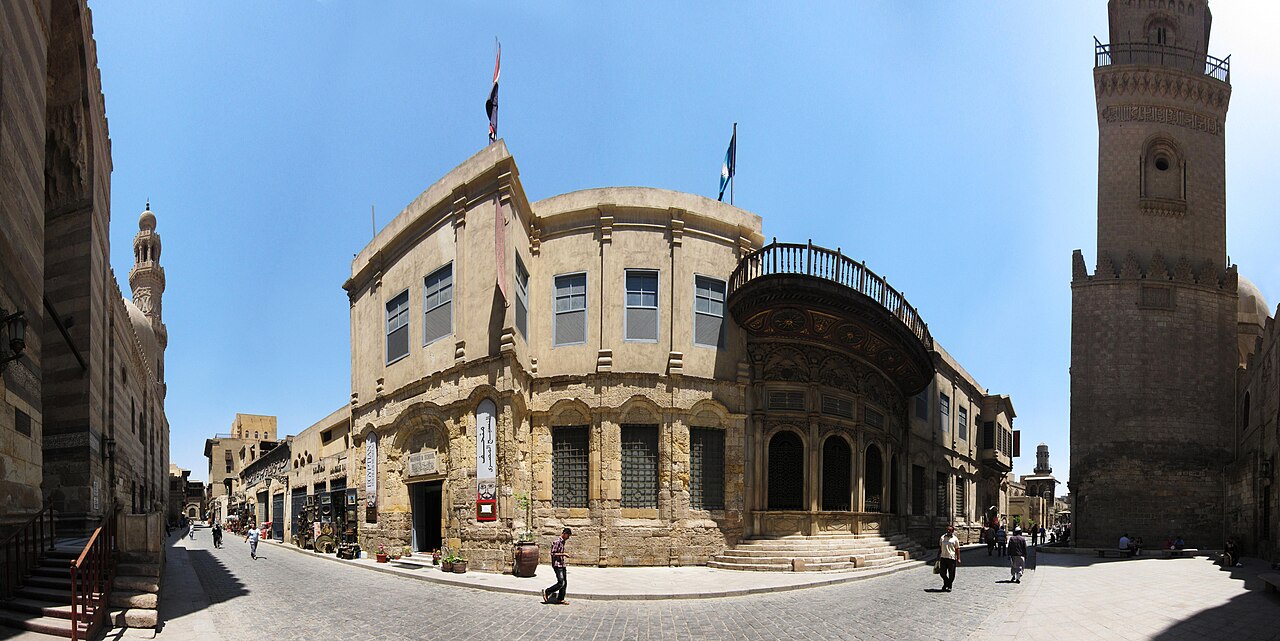
Mamluk architecture: carved wooden mashrabiya screens and stone archway gates from Sultan al-Ghuri's era (such as Bab al-Ghuri) survive throughout the quarter.
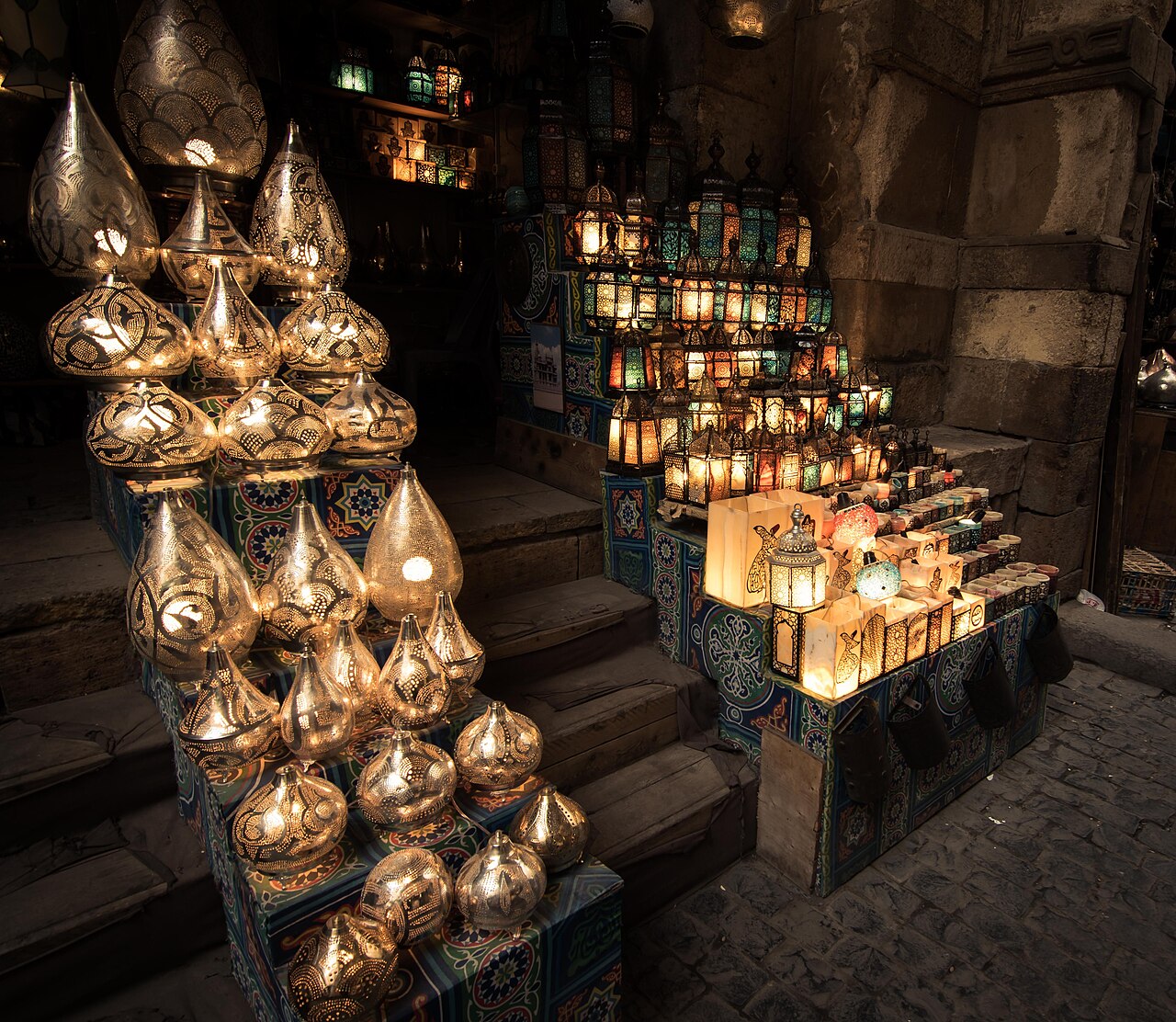
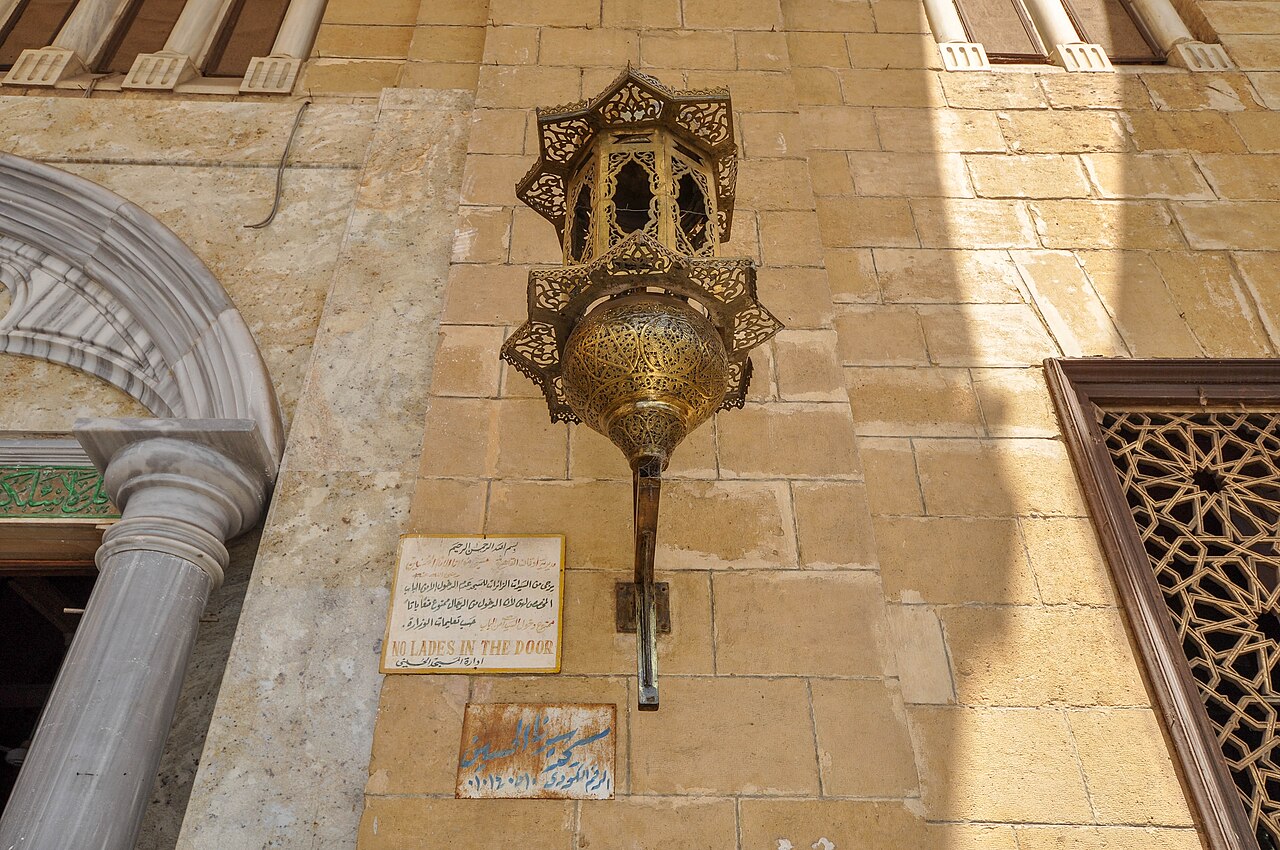
Spice, perfume-oil and traditional-lamp stalls: saffron and hibiscus, brass lanterns, papyrus and handcrafted silver make up the classic Egyptian souvenir mix.
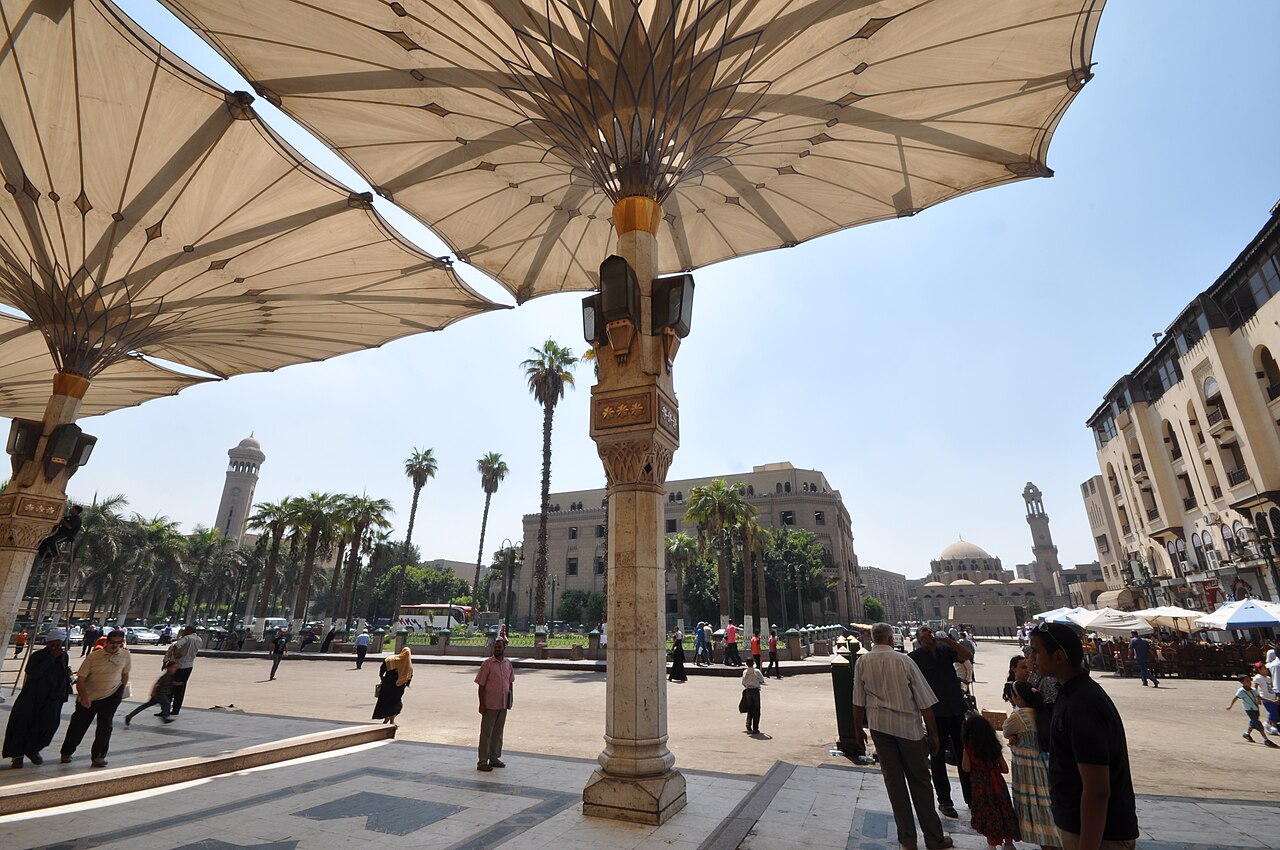
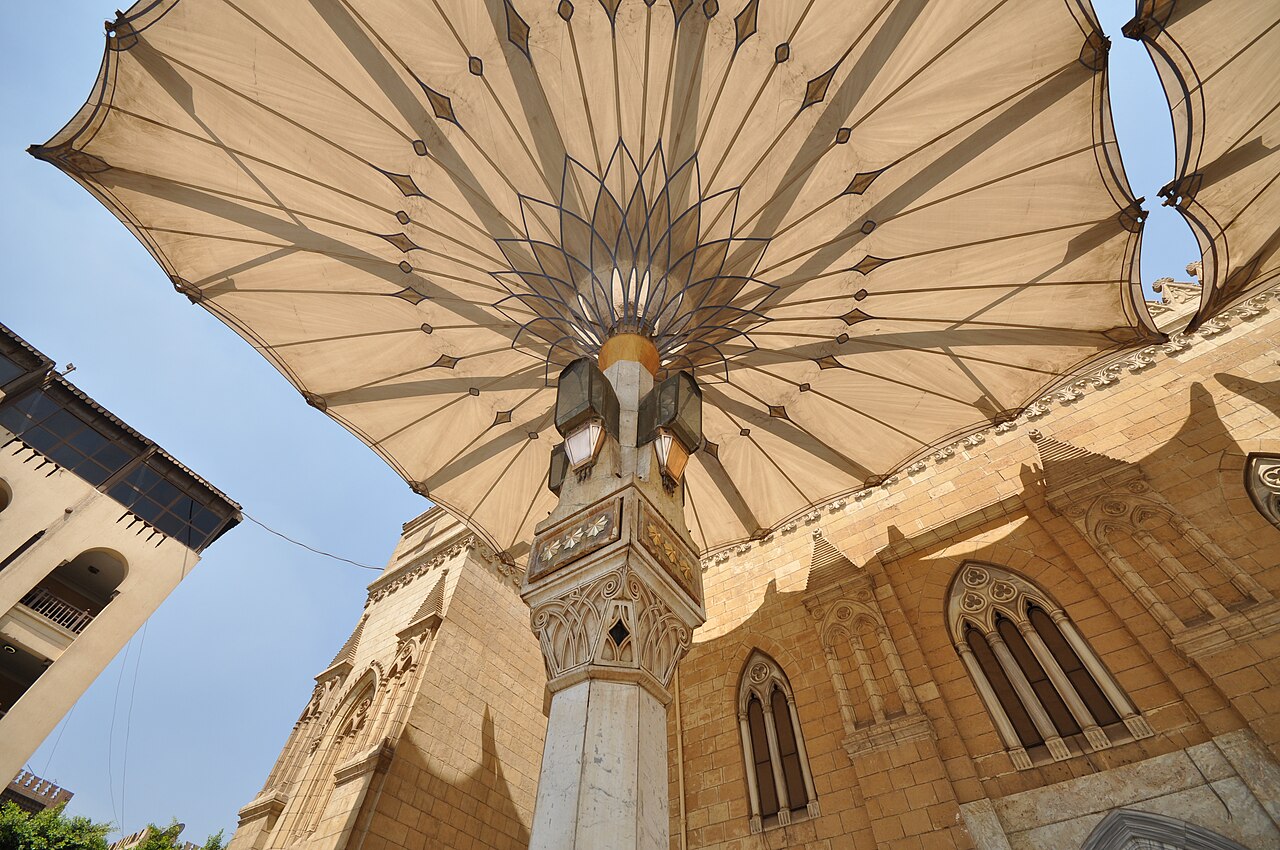
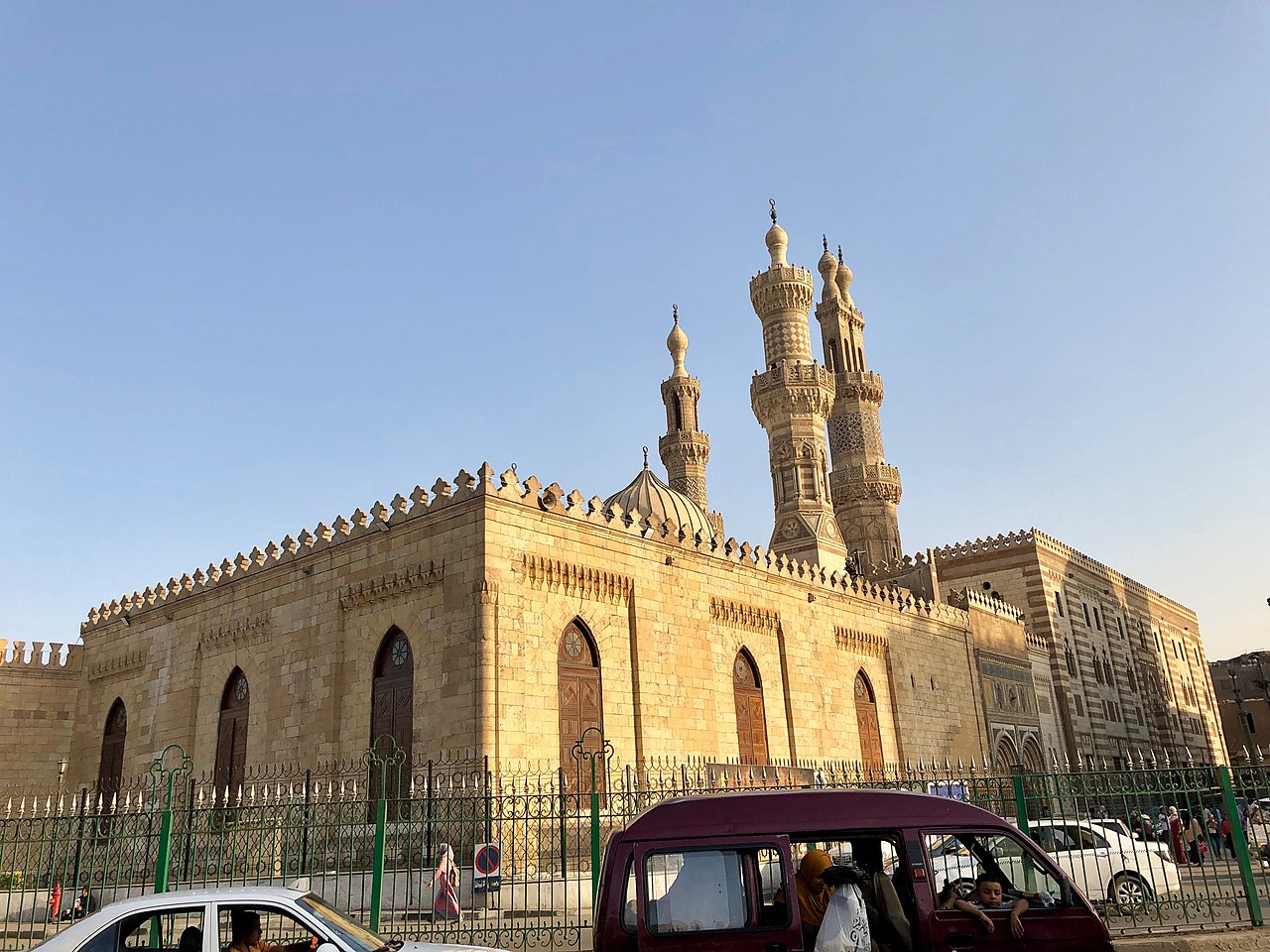
Neighbouring Al-Hussein Mosque and Al-Azhar Mosque and University: major Islamic Cairo landmarks right beside the bazaar, easy to combine into one walk.
Good to know
CautionThere are no fixed prices, and the first quote to tourists is often 2-3x the local price. Start bargaining at 30-50% of the asking price and smile and walk away if it stalls - vendors usually call you back. Most items sold as 'ancient' or 'antique' are mass-produced replicas.
CautionUnsolicited 'guides' may offer to show you around, or someone may drape a bracelet or scarf on you and then demand payment. You are not obliged to buy - simply hand it back and decline politely.
SafetyThe alleys are narrow and crowded, so watch for pickpockets. Wear a cross-body bag at the front rather than a backpack, split your cash, and leave passports and valuables in the hotel safe. Cairo is generally safe, but check your government's latest travel advisory before you go.
MannersTipping (baksheesh) is customary: small amounts (5-20 EGP) are expected for directions or photos. Ask before photographing people, and keep small notes handy for tips and change.
RulesThe bazaar adjoins the Al-Hussein and Al-Azhar mosques, so modest dress covering shoulders and knees is recommended. Entering a mosque means removing your shoes, and women may need to cover their hair.
SeasonSummer (June-August) is very hot at 35-40°C, so visit before 10 a.m. or after 5 p.m. During Ramadan daytime trading is shorter and the market is liveliest after sunset, so confirm current hours for your travel dates.
Practical info
The bazaar sits beside Al-Hussein Square in Islamic Cairo; the nearest metro stops are Attaba (Lines 2/3) or Bab El Shaaria (Line 3), but both are a 15-25 minute walk, so most visitors take a taxi or Uber (about 15-20 minutes from downtown). Entry is free and each shop sets its own hours - typically morning until late evening - but exact hours and prices should be confirmed close to your visit. Many stalls do not take cards, so bring Egyptian pounds in cash.
On-site reviews📍 Verified on-site
No reviews yet. If you are here, be the first to leave one.