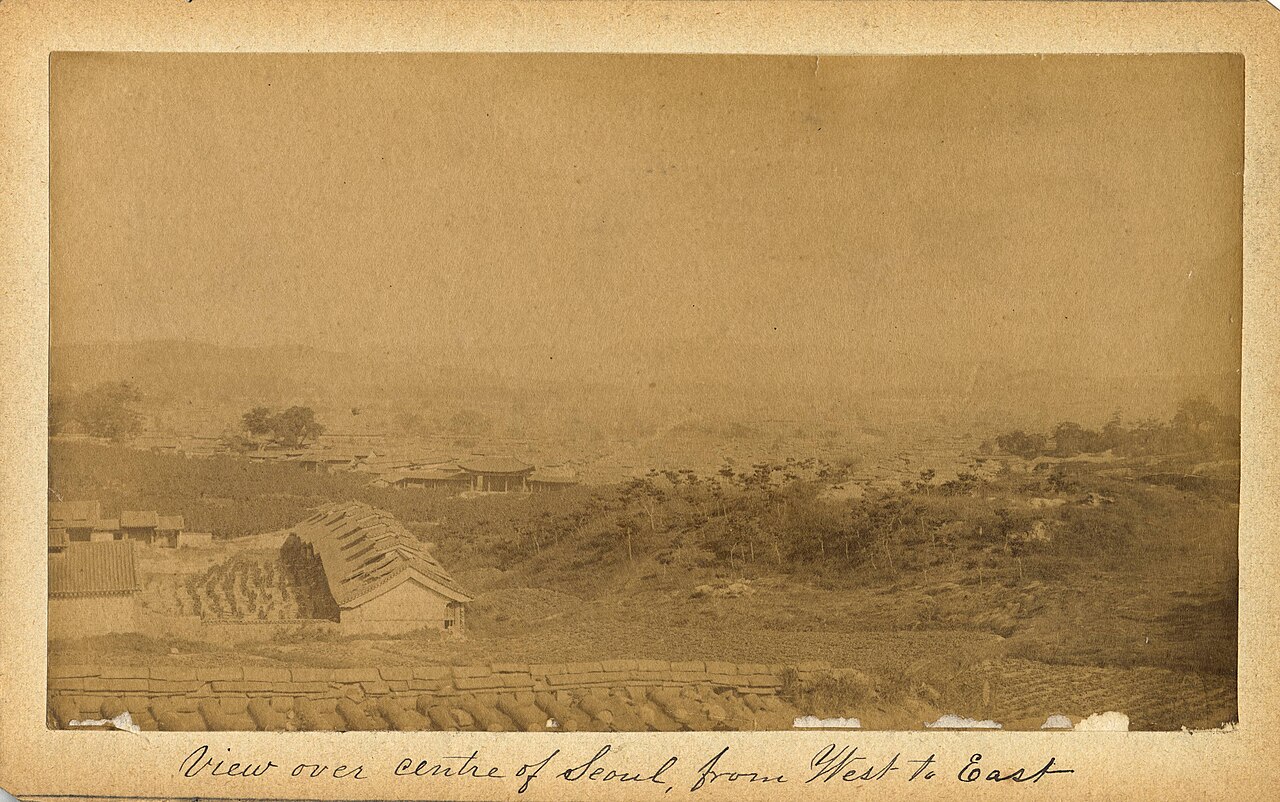
Gyeonghuigung Palace is a late-Joseon secondary palace whose construction began in 1617 and finished in 1623 under King Gwanghaegun. Because it sits on the western side of Seoul opposite Changdeokgung, it was known as Seogwol, the 'Western Palace,' and served ten kings from Injo onward. Most of it was lost when materials were taken to rebuild Gyeongbokgung and again during the Japanese occupation, but it was excavated and partly restored from the 1980s and reopened to the public. It is the only one of Seoul's Five Grand Palaces with free admission.
Heunghwamun Gate: The colorful main gate, once relocated to serve as the gate of a shrine to Ito Hirobumi during the colonial era before being returned near its original site in the 1980s.
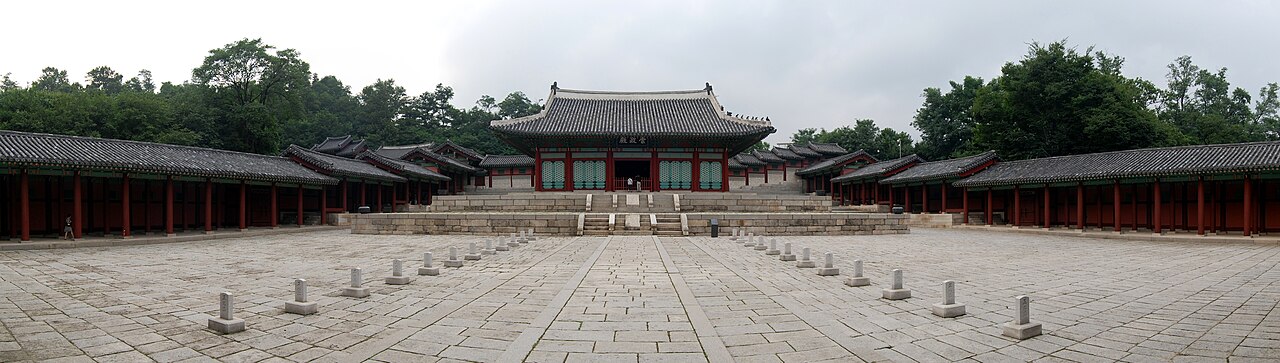
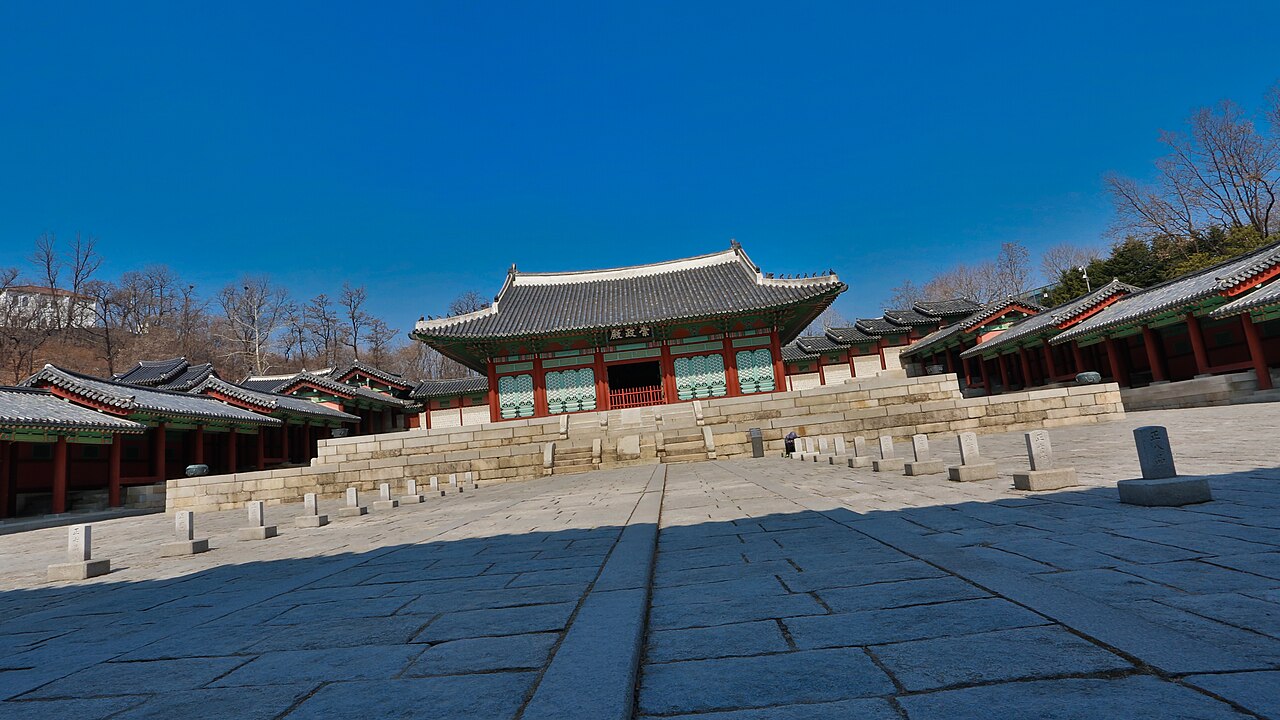
Sungjeongjeon Hall: The palace's throne hall, where kings held audiences, coronations, and banquets, set atop a double stone terrace with a graceful hip-and-gable roof.
Jajeongjeon and Taeryeongjeon Halls: Quieter inner halls behind Sungjeongjeon used for state affairs and enshrining royal portraits, forming a peaceful rear courtyard.
Seoam Rock behind Taeryeongjeon: An unusual boulder with a small 'rock spring' beneath it, long celebrated as a scenic spot of the palace.
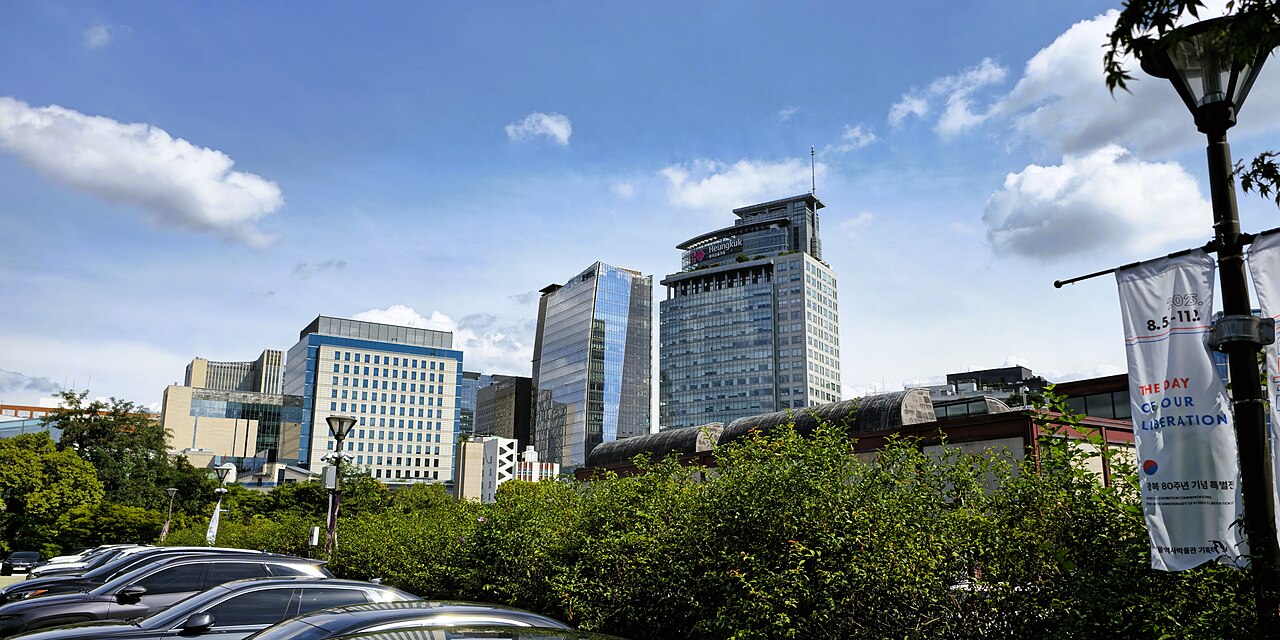
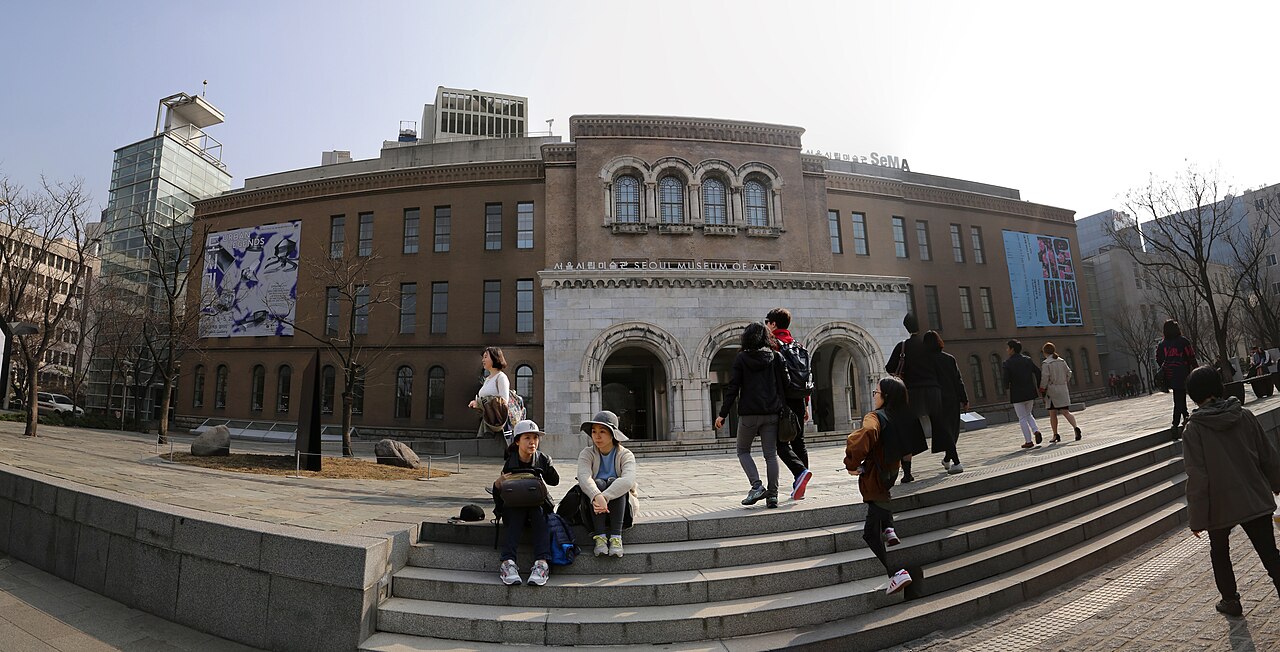
On-site museums: The Seoul Museum of History and a Gyeonghuigung annex of the Seoul Museum of Art stand on the grounds, making it easy to combine history and art in one visit.
Good to know
RulesBringing food and drinks (coffee, snacks, beverages) into the palace grounds is discouraged. Eat outside the palace instead.
RulesYou generally cannot enter the halls; you view them from outside. Do not climb onto the terraces or steps or touch the heritage structures.
SeasonThe palace is closed every Monday and on January 1. Check the day of the week before you go to avoid a wasted trip.
MannersThis is a quiet palace also used as a filming location for historical dramas. Parts may be closed off during shoots or events, so follow on-site signage and staff.
SafetyRestored wooden buildings, stone steps, and raised terraces can be slippery after rain. Watch your footing, especially with children or older travelers.
Practical info
Free admission. Open 09:00–18:00 (last entry 17:30); closed Mondays and January 1. About a 7–10 minute walk from Seodaemun Station (Line 5, Exit 4) or Gwanghwamun Station. Confirm current fees, hours, and closing days via the official Seoul Museum of History site before visiting.
On-site reviews📍 Verified on-site
No reviews yet. If you are here, be the first to leave one.