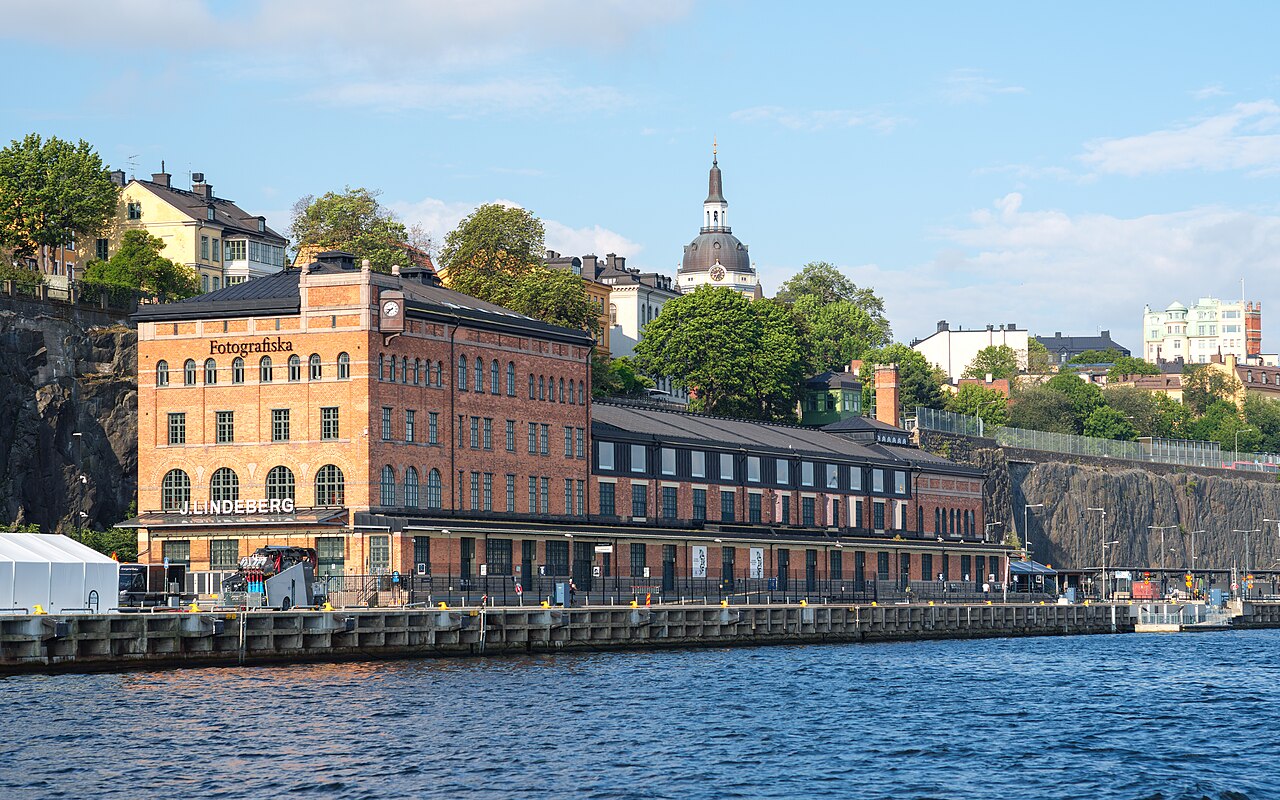
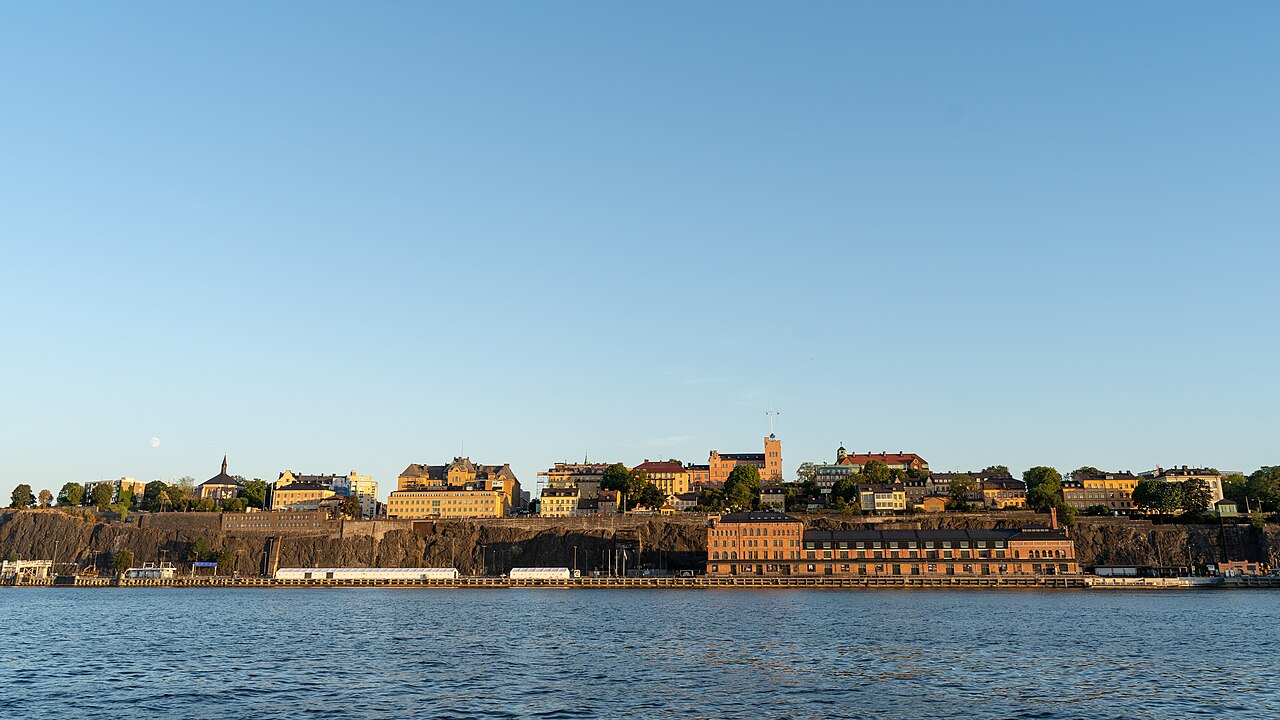
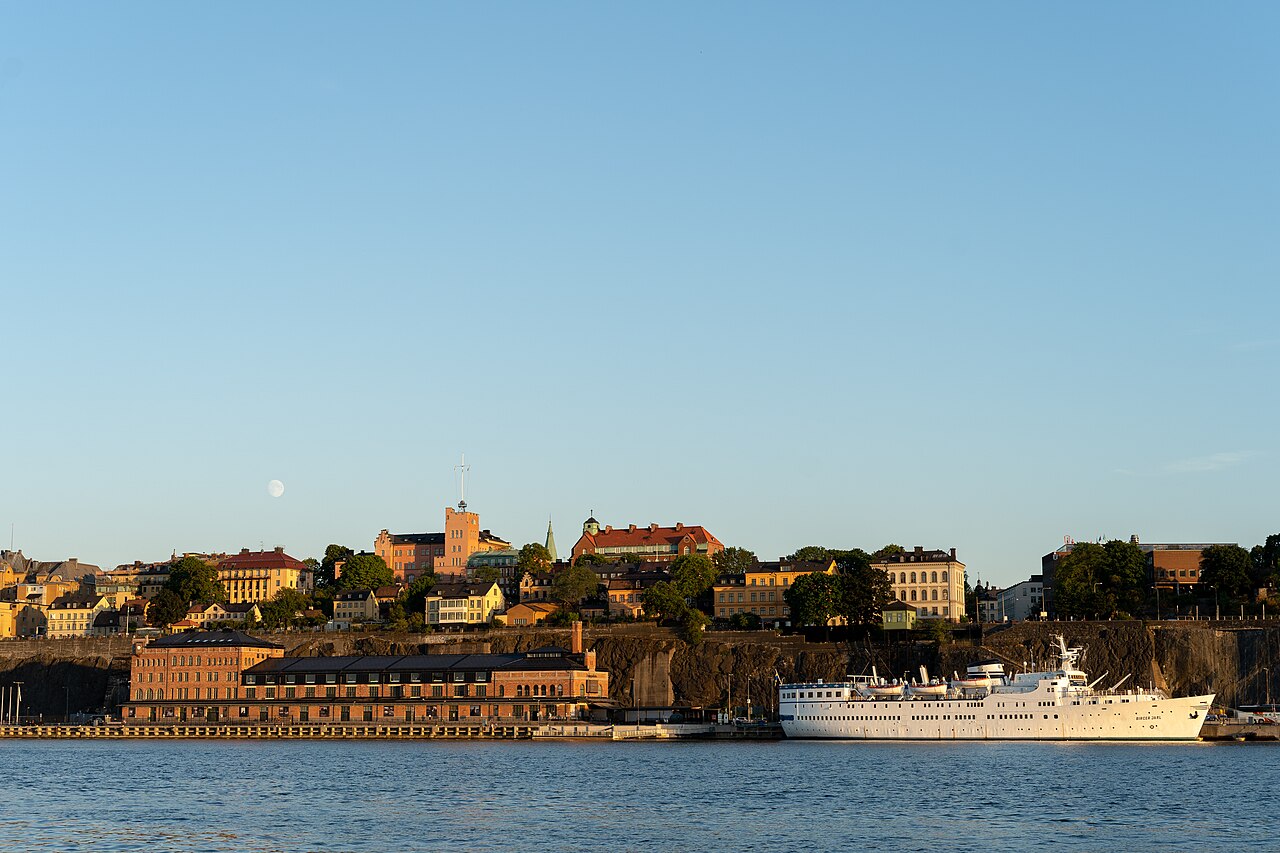
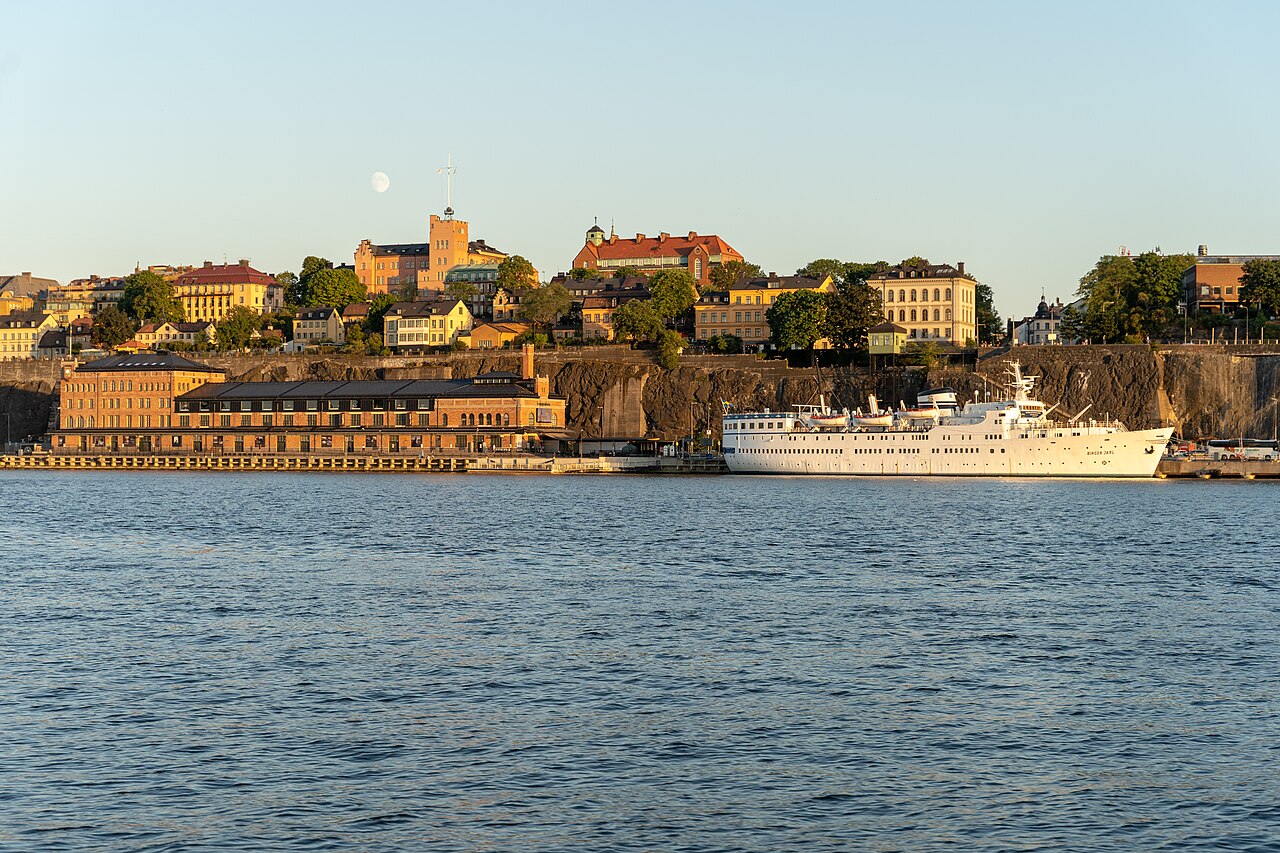
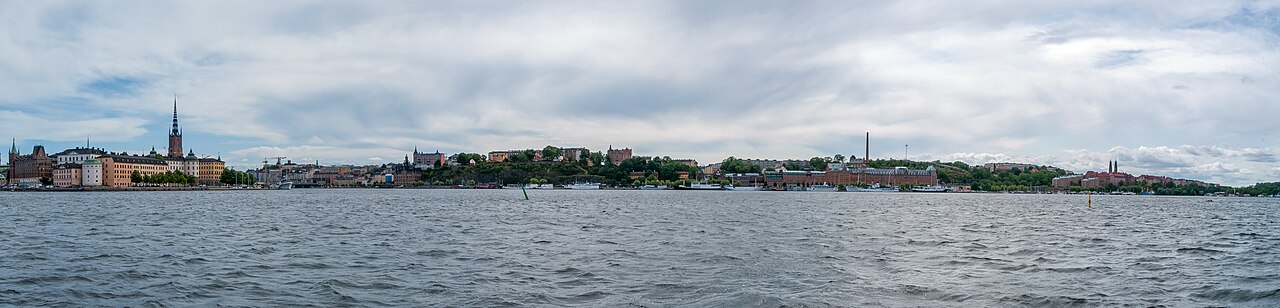
Fotografiska is a world-renowned museum of contemporary photography, art and culture set on Stockholm's Södermalm waterfront (Stadsgården). It opened in 2010 inside Stora Tullhuset, an Art Nouveau former customs house built in 1906. Unlike state museums it holds no permanent collection, instead running a constantly rotating program of large solo shows by both established and emerging photographers, and it has become a Stockholm landmark thanks to its late 23:00 closing and a panoramic top-floor restaurant. As of summer 2026 it is showing a rich lineup including Elliott Erwitt, Martin Parr and Lebohang Kganye, making it an ideal after-work outing that pairs photographic art with sweeping waterside views.
The building itself: the 1906 Art Nouveau customs house (Stora Tullhuset) by architect Ferdinand Boberg, a listed heritage site with striking brick façade and arched windows
A no-permanent-collection, rotating exhibition model — a single ticket gives access to several concurrent solo shows by leading photographers and visual artists
A plant-forward fine-dining restaurant on the top floor (Michelin Green Star since 2020) with panoramic views over Stockholm's Old Town and waterways
Unusually late hours, open until 23:00 daily — evening visits and waterfront night views are part of the museum's signature appeal
2026 highlights include Elliott Erwitt, Martin Parr 'Short & Sweet', Lebohang Kganye, Lotta Antonsson and an AI-themed group show 'The Machine's Eye in Human Hands' (confirm the current program on the official site)
Good to know
RulesThe venue is entirely cash-free (card or contactless only), so bring a card that works abroad or a mobile wallet. Booking tickets online is convenient and weekends/evenings get busy. Prices and hours change, so always confirm the latest details on the official website before visiting.
SeasonIn June–July the 'white nights' keep it bright right up to the 23:00 closing, so evening visits are especially pleasant. However, Midsummer's Eve is the only day of the year the museum is closed — check the date if visiting in late June. Note that Stockholm is not an aurora-viewing location.
SeasonThe waterfront can be windy even in summer, so bring a light layer; in winter (Nov–Feb) it gets dark by around 3 pm and paths can be icy, so wear grippy shoes.
SafetyThe Slussen area is a large, ongoing transit and construction hub — watch for traffic and cyclists when crossing Stadsgårdsleden, and keep your bag in front in crowded spots like Slussen and Gamla Stan where pickpockets operate.
MannersKeep quiet in the galleries and do not use flash. Non-flash photography for private use is generally allowed, but tripods and commercial shoots require prior permission and some exhibitions may restrict photography.
CautionTipping is not obligatory in Sweden (service is included); rounding up on the card is plenty. Ignore clipboard 'charity/petition' solicitors and fake surveys around tourist areas, and buy tickets only via the official website or on-site box office.
Practical info
Take the Metro (Red or Green line) to Slussen and walk roughly 800 m along the waterfront (follow the blue line painted on the ground); in summer an electric boat also runs between Nybrokajen, Fotografiska and the Royal Palace. The address is Stadsgårdshamnen 22, and it is open daily 10:00–23:00 (closed on Midsummer's Eve, reduced hours on Christmas Eve) — confirm prices, hours and the exhibition schedule on the official site before you go.
On-site reviews📍 Verified on-site
No reviews yet. If you are here, be the first to leave one.