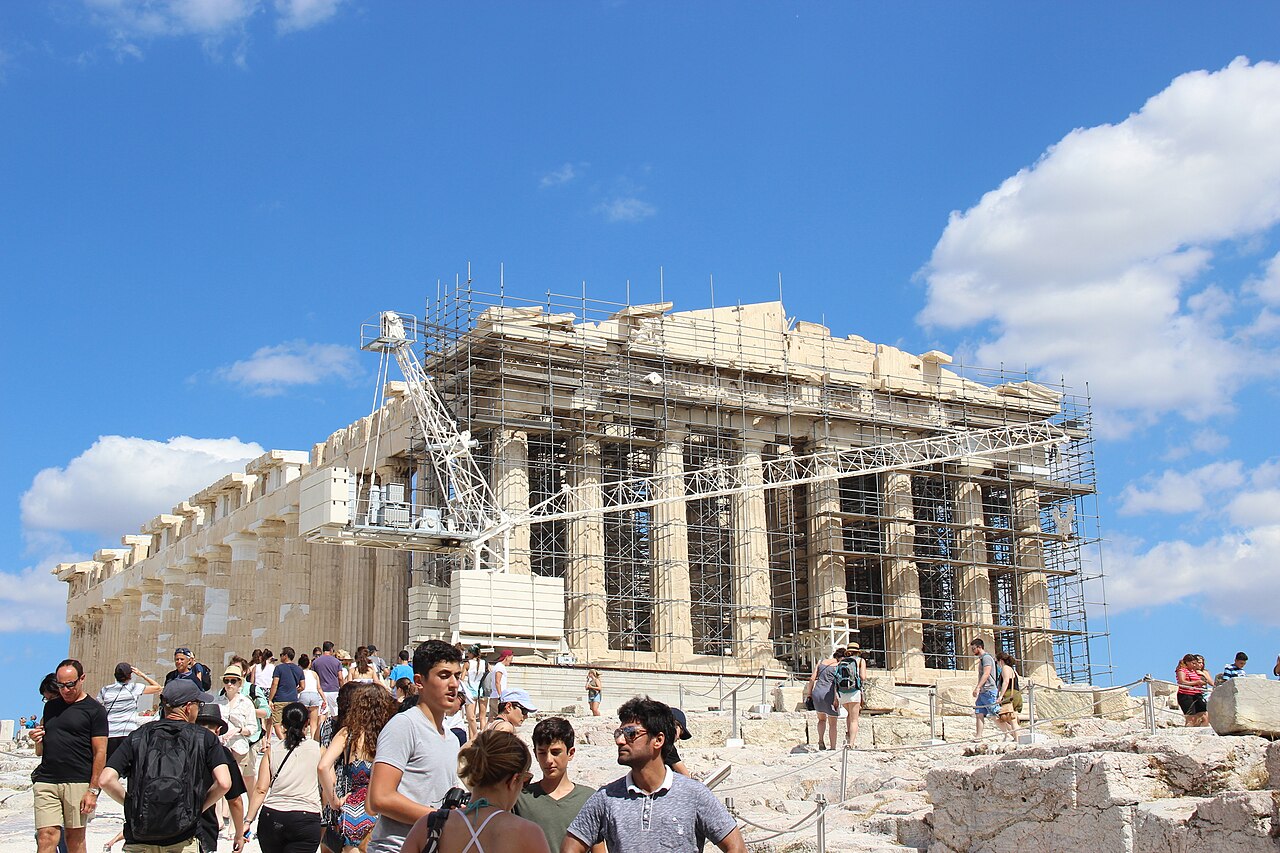
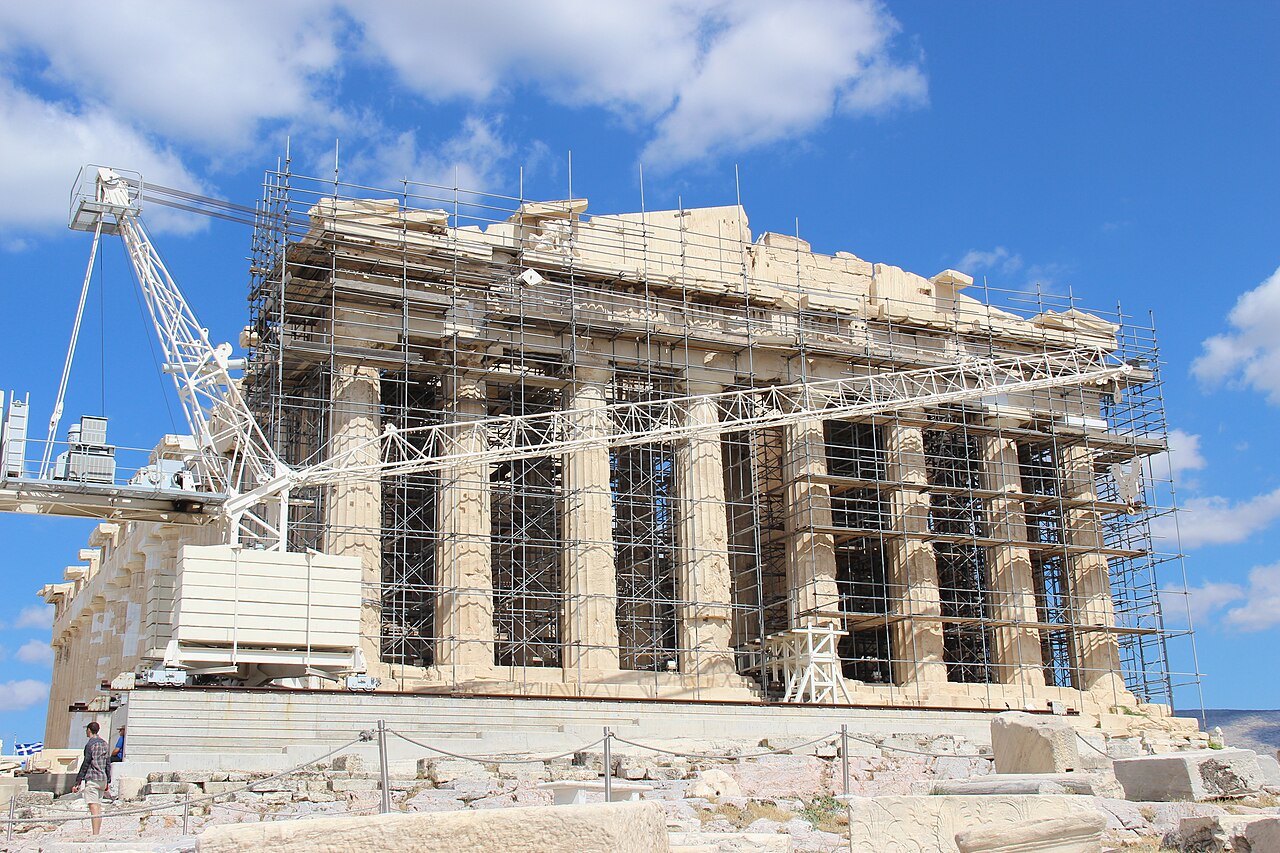
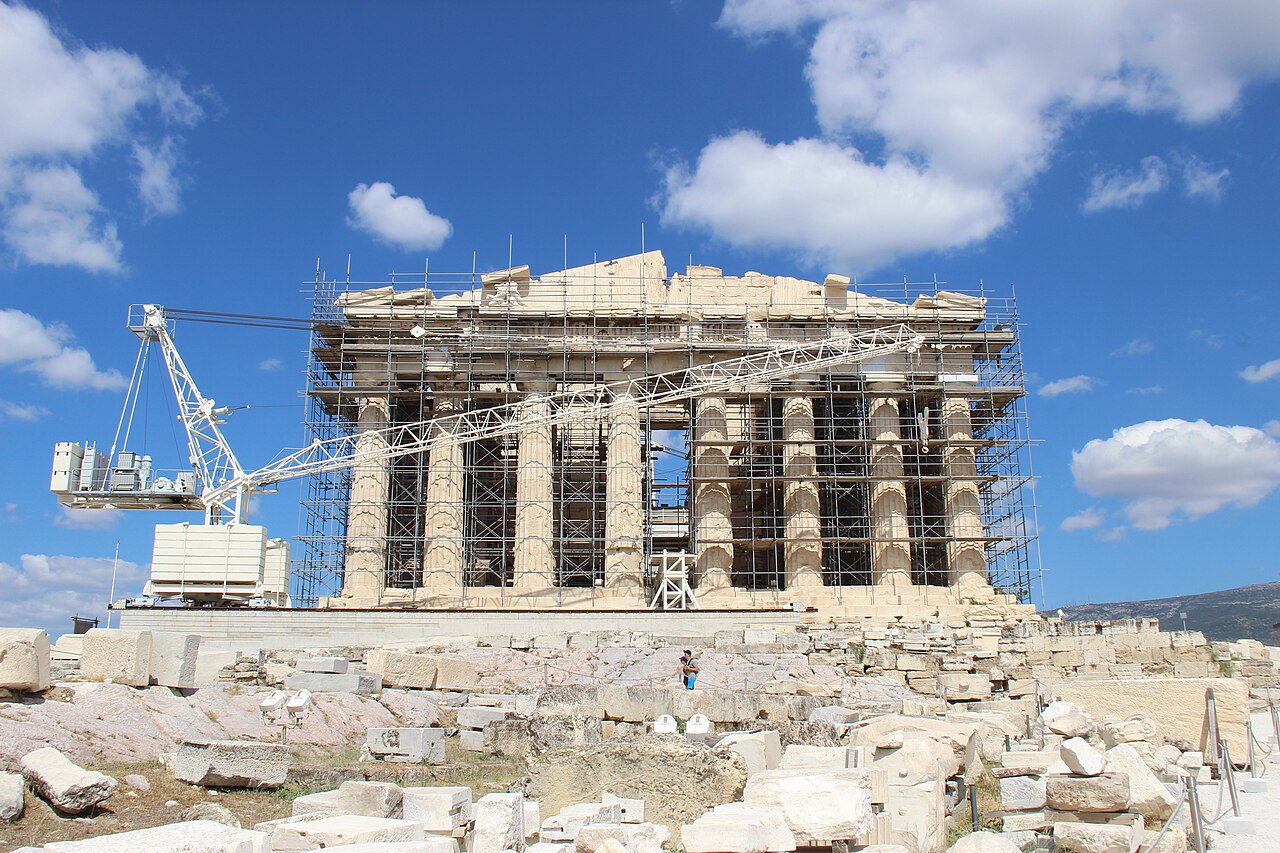
Rising on a 156-metre limestone hill above modern Athens, the Acropolis is the enduring symbol of ancient Greek civilisation and a UNESCO World Heritage Site, crowned by the Parthenon — the Doric marble temple to the goddess Athena built in 447–432 BC. As one of the most famous monuments on earth, it embodies the origins of Western architecture and the ideal of Athenian democracy. As of 2026 the Parthenon remains under ongoing restoration (anastylosis), so scaffolding and a crane stand over parts of it, and the site runs on a strict daily cap of 20,000 visitors with mandatory timed-entry tickets. It is best experienced in the soft light of early morning or late afternoon, climbing the hill for sweeping views over the city.
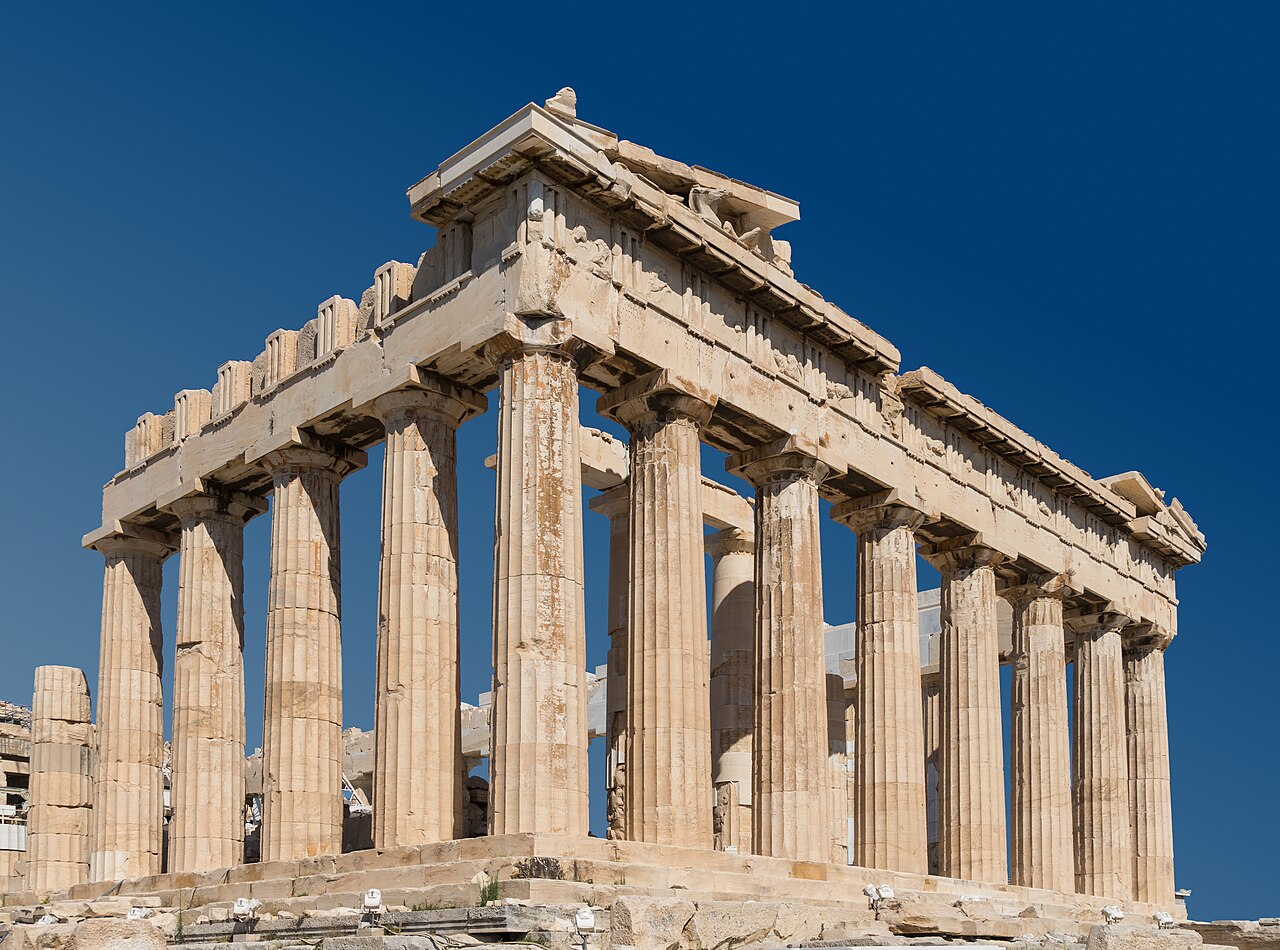
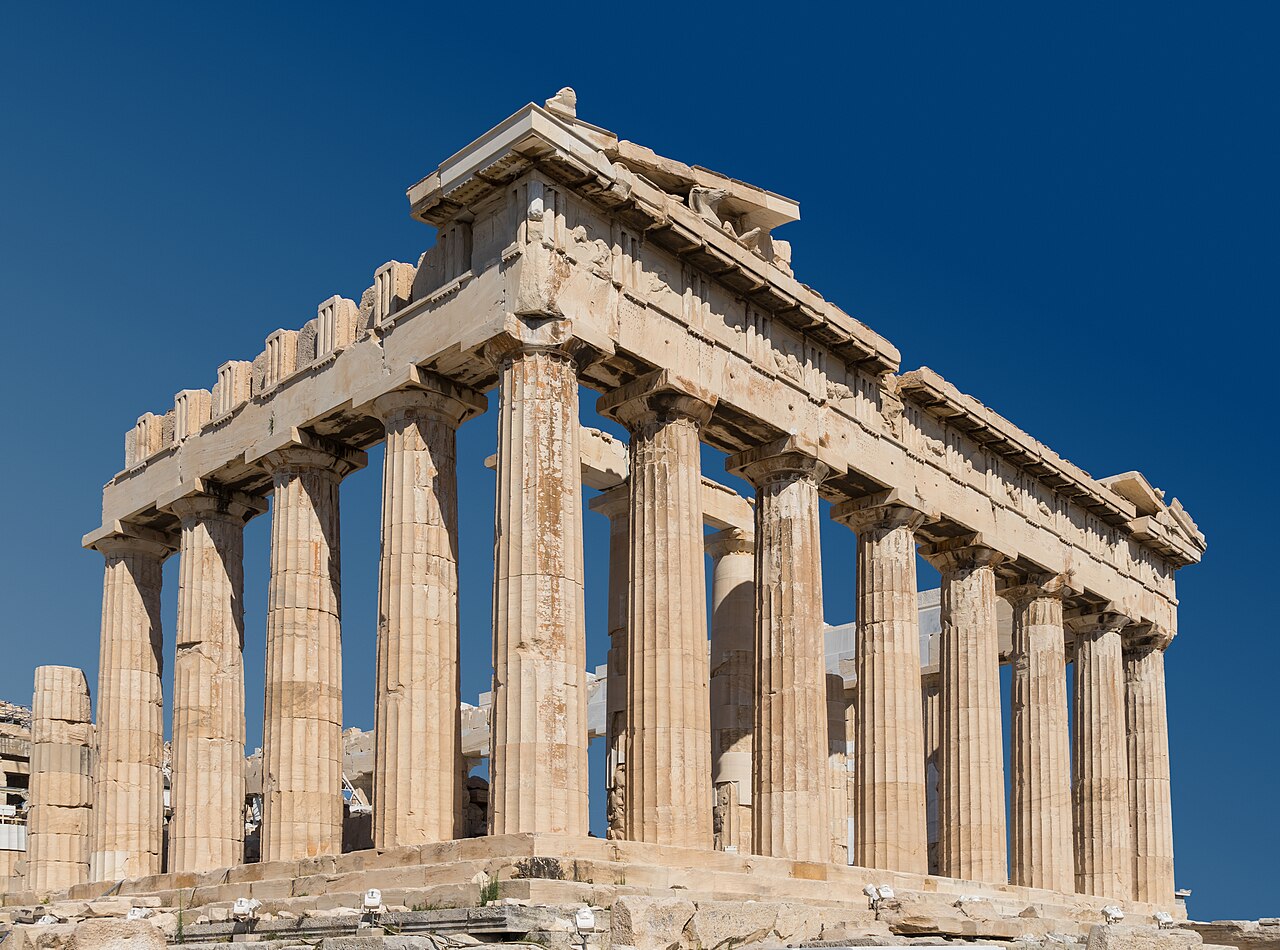
The Parthenon — the Doric marble temple dedicated to Athena, celebrated for optical refinements (subtly curved lines and columns); parts still carry restoration scaffolding
The Erechtheion and its Porch of the Caryatids — six sculpted maidens serving as columns; those on site today are replicas, with the originals in the Acropolis Museum
The Temple of Athena Nike — an elegant small Ionic temple perched on the bastion beside the entrance, honouring 'Victory'
The Propylaea — the monumental marble gateway that forms the ceremonial approach to the summit
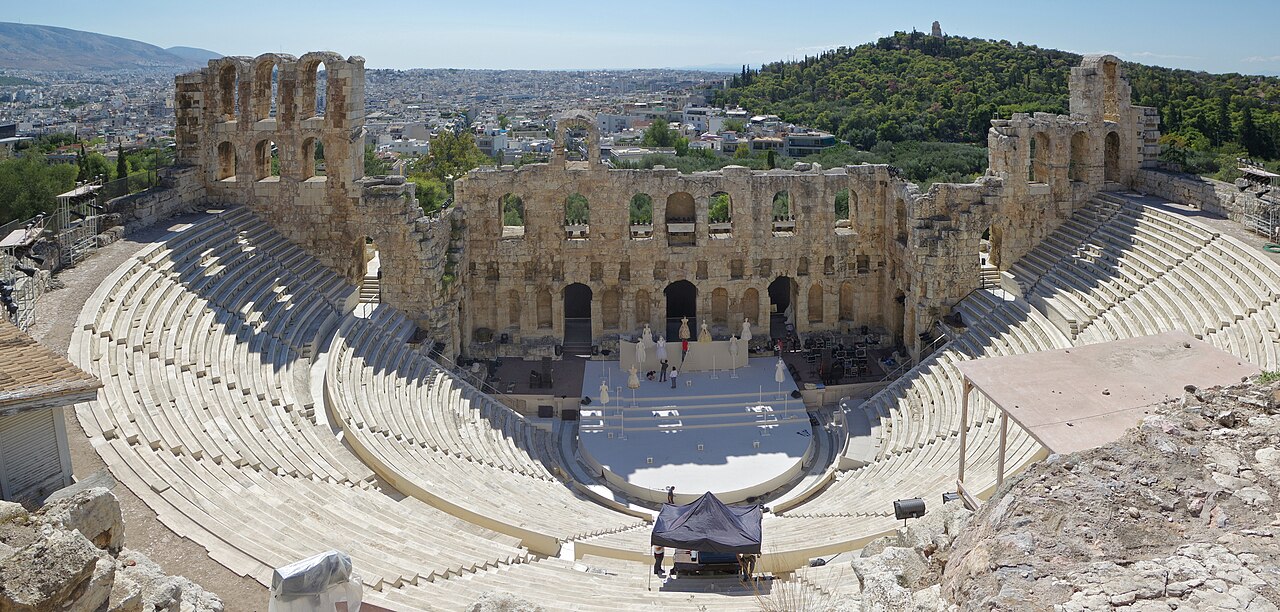
The south slope's Odeon of Herodes Atticus and Theatre of Dionysus — a Roman-era theatre still hosting the Athens & Epidaurus Festival, and the very birthplace of Greek tragedy
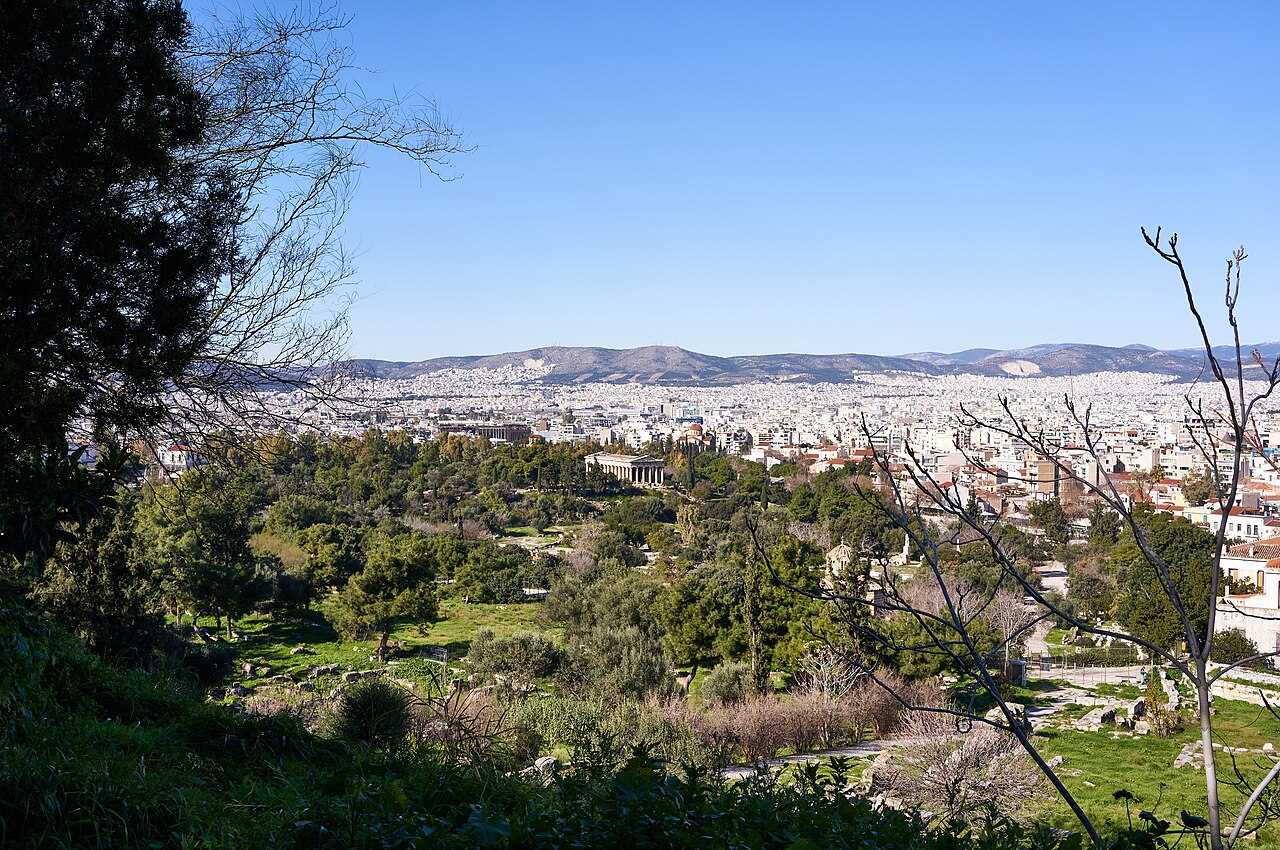
Panoramic views from the summit over Lycabettus Hill, the sprawl of Athens and out toward the Saronic Gulf
Good to know
SeasonDuring summer heatwaves (June–Aug) the site may close in the hottest afternoon hours, typically around midday to 5pm — this happened repeatedly in July 2025 when Athens hit 43°C. There is almost no shade on the rock, so aim for the 08:00 opening and bring water, a hat, sunscreen and sunglasses.
RulesTimed entry has been mandatory since September 2023: you must pick a one-hour slot when booking and can only enter within 15 minutes either side of it. With the 20,000/day cap, peak-season slots (June–Aug) sell out 5–7 days ahead on the official hhticket.gr, so book well in advance.
SafetyThe marble and bedrock underfoot has been polished slick by centuries of footsteps and can be treacherous, especially on the ramps and steps to the summit. Avoid heels or flip-flops and wear trainers or hiking shoes with good grip; railings are sparse, so take extra care with children and older travellers.
CautionNear the entrance and around Monastiraki and Syntagma squares, watch for petition/clipboard scams and people who tie a 'friendship' bracelet on your wrist then demand payment, often working with pickpockets. Keep bags in front and valuables secure on the airport–city Metro Line 3 (Blue) and in crowded stations.
MannersThis is a UNESCO World Heritage monument: do not touch, lean on or climb the columns, sculptures or ruins. Drones, smoking and food are prohibited, and large backpacks or tripods may be restricted at the gate.
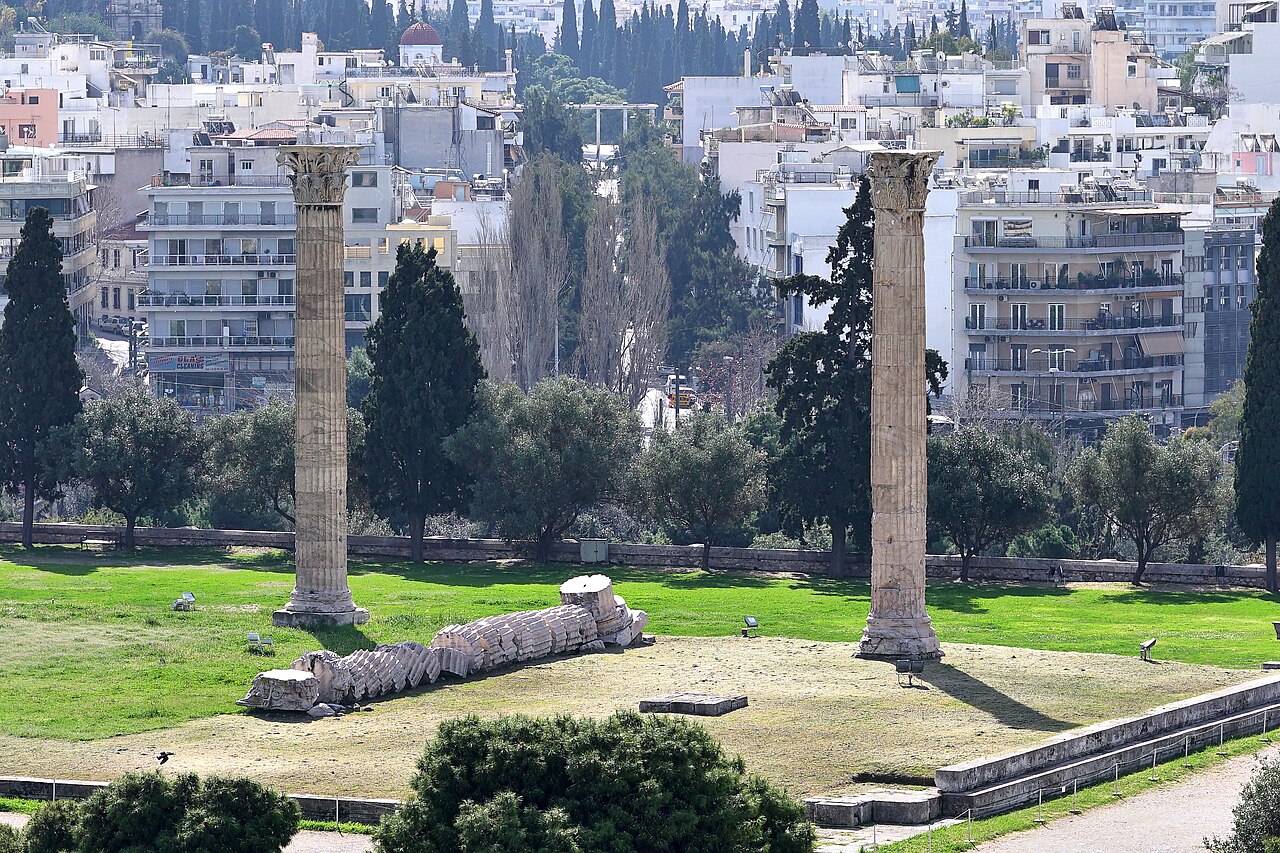
RulesBeyond a single-site ticket, a 5-day combined ('combo') pass also covers the Ancient Agora, Roman Agora, Temple of Olympian Zeus and more — worth it if you plan to see several sites. EU citizens under 25 enter free, and there is free admission on the first Sunday of each month from November to March, but always confirm current prices, hours and any heat closures on the official site before you go.
Practical info
Take Metro Line 2 (Red) to Akropoli station, which lets you out on the pedestrian Dionysiou Areopagitou street a 2–4 minute walk from the South Slope entrance, next to the Acropolis Museum; from Monastiraki (Lines 1 & 3) it is a 10–15 minute walk through Plaka to the western Propylaea entrance. Opening hours are roughly 08:00–20:00 in summer (last entry 19:30) and 08:00–17:00 in winter (last entry 16:30), with an adult ticket around €30 — always verify current hours, prices and any heat-related closures on the official website.
On-site reviews📍 Verified on-site
No reviews yet. If you are here, be the first to leave one.