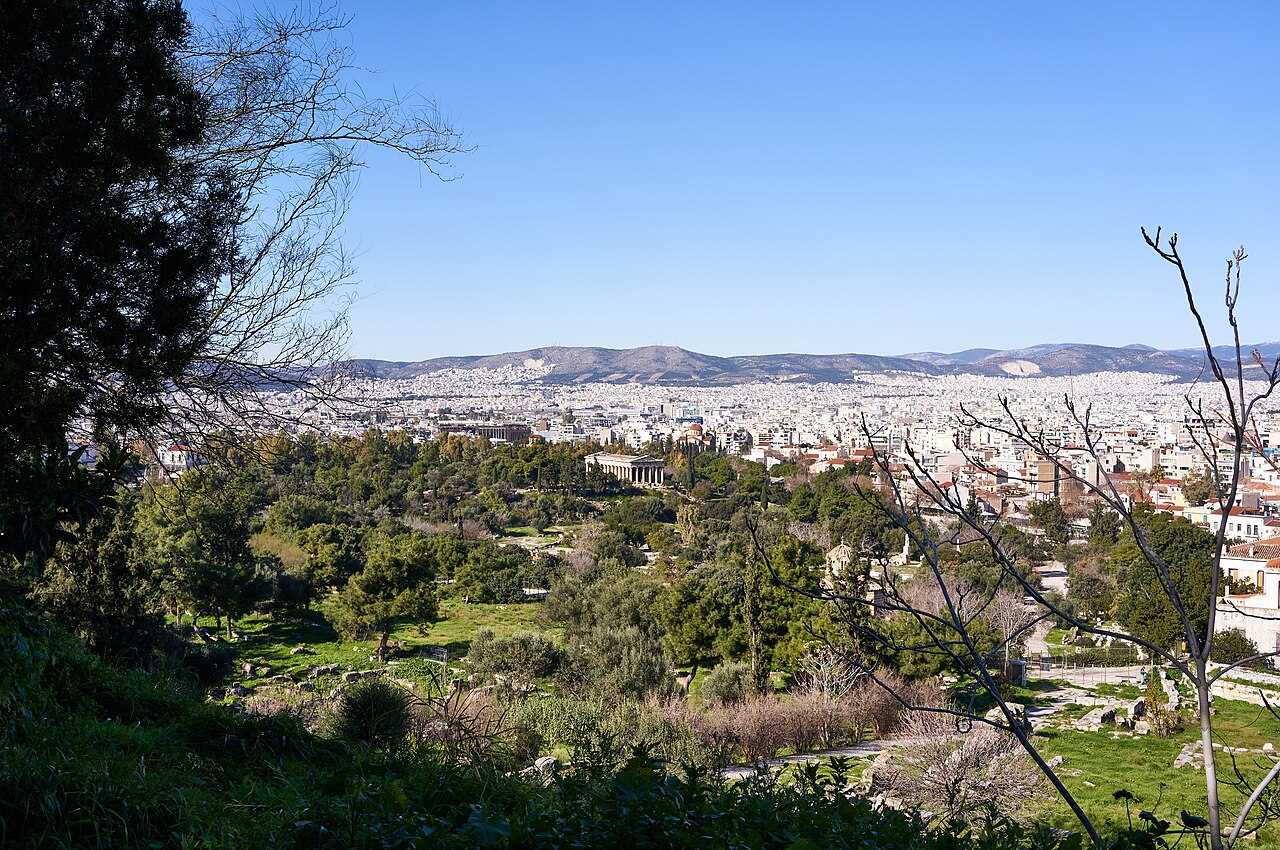
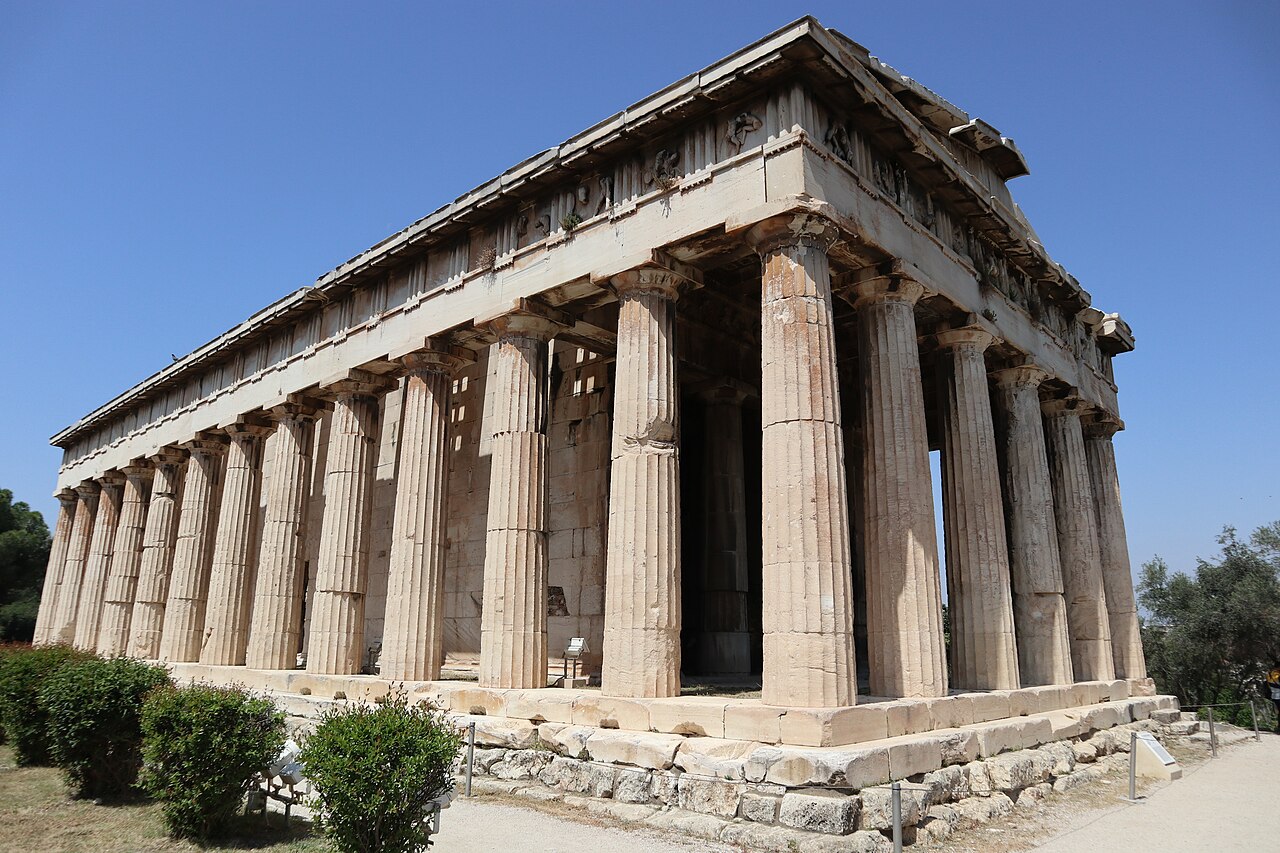
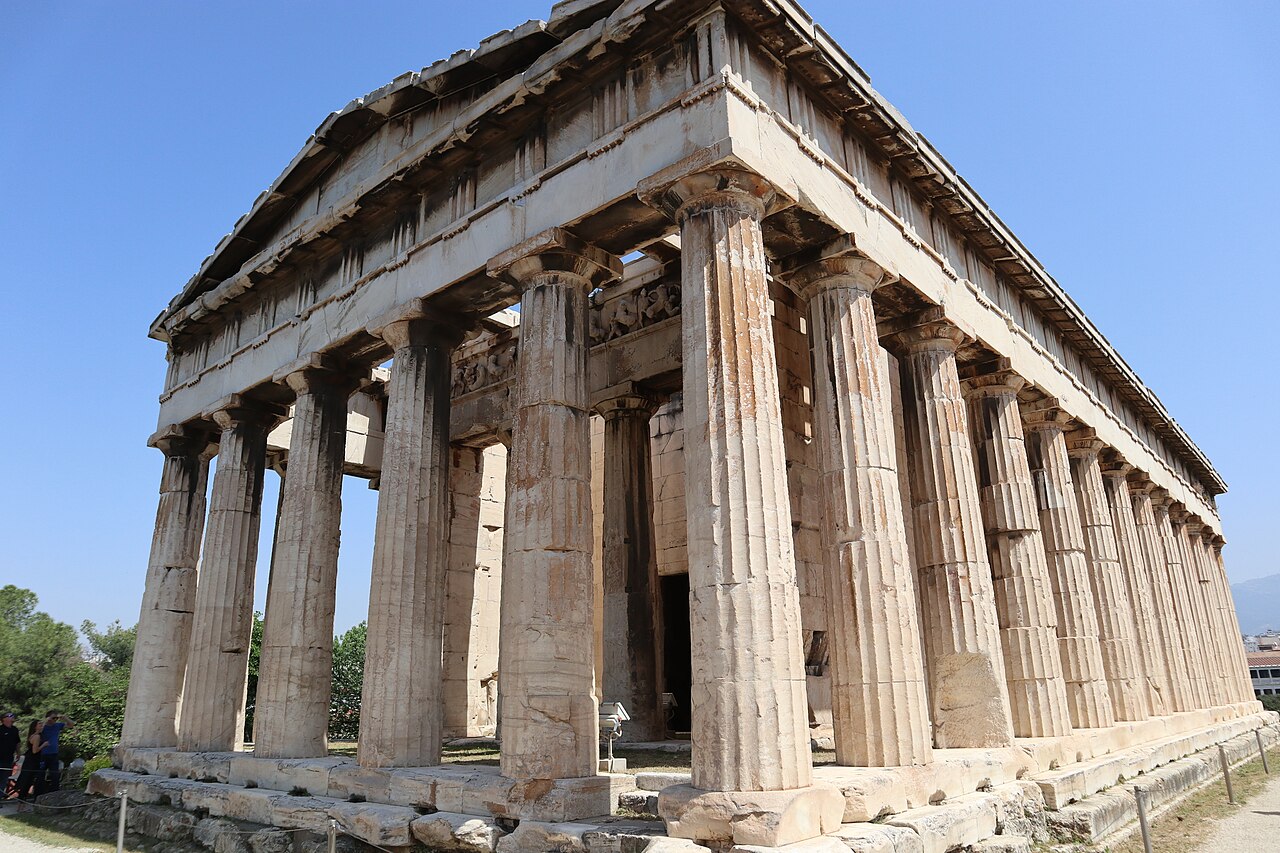
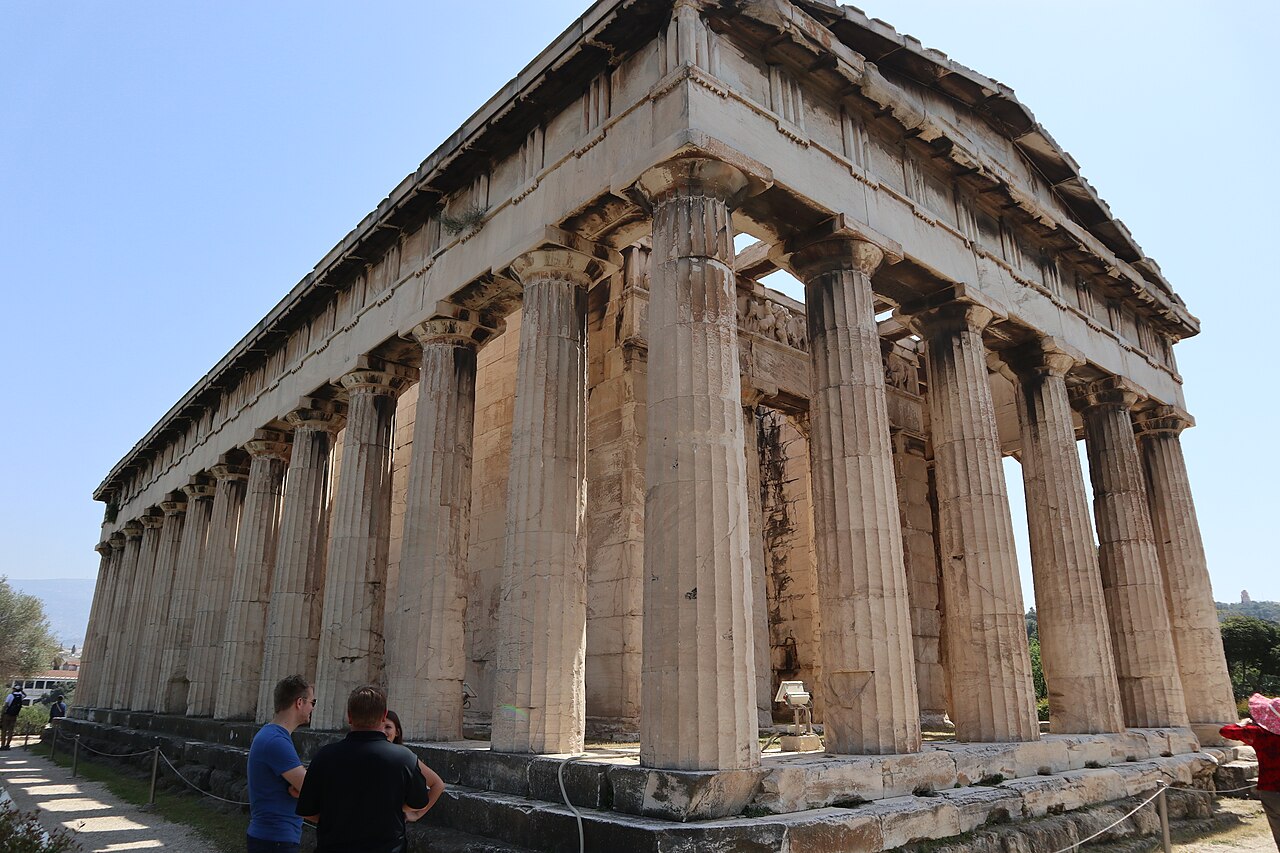
The Ancient Agora was the political, commercial and social heart of classical Athens, sitting on the northwest slope of the Acropolis. It was the birthplace of democracy in action, where citizens debated, traded, held trials and where Socrates questioned passers-by. Today its highlights are the remarkably preserved Doric Temple of Hephaestus and the reconstructed Stoa of Attalos, which houses the Museum of the Ancient Agora, making the whole excavated site feel like an open-air museum. As of April 2025 the old combined Acropolis pass was discontinued, so in 2026 it is easiest to buy an individual ticket online in advance. Far less crowded than the Acropolis itself, it is an ideal place to wander and imagine everyday life in ancient Athens.
Temple of Hephaestus (Hephaisteion): the best-preserved Doric temple in Greece, built in the 5th century BC
Stoa of Attalos: a two-storey colonnade rebuilt in the 1950s by the American School of Classical Studies, now the Agora Museum
The Panathenaic Way: the ancient processional route that climbed toward the Acropolis
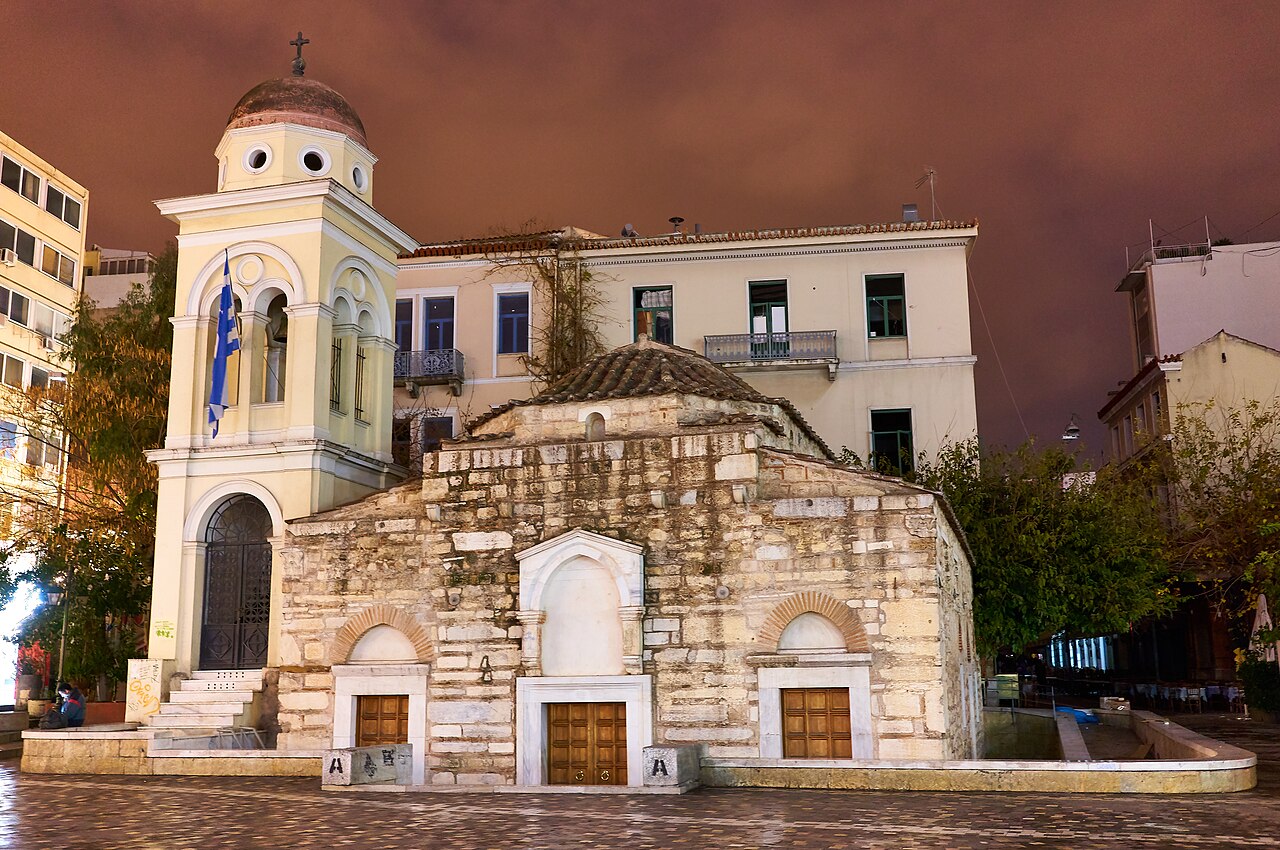
Church of the Holy Apostles (Agioi Apostoloi): a surviving 10th-11th century Byzantine church within the site
Museum collection: pottery, jury ballots and ostraca used in ostracism votes, tangible relics of Athenian democracy
Good to know
CautionThe Monastiraki/Thissio stations and the site entrances are among the more pickpocket-prone spots in Athens. Wear bags in front and stay alert boarding and leaving the metro.
SeasonIn summer (June-August) there is almost no shade and the marble bakes in the sun. Visit early morning or in the last hours before closing, and bring water, a hat and sunscreen.
RulesThe former combined Acropolis pass was discontinued in April 2025, so the Agora now requires its own ticket. Buying the official e-ticket (Hellenic Heritage) in advance lets you skip the queue (confirm current prices and hours before you go).
MannersThe entire site is an active excavation. Keep to the marked paths and do not climb on the temple steps or ruins or touch the stones.
SafetyPaths are uneven marble, gravel and packed earth and can be slippery. Flat, comfortable walking shoes are the safe choice.
CautionIgnore people outside the gate offering to buy tickets for you or asking for signatures/donations, and taxis that will not run the meter. Buy tickets only at official counters or the official website.
Practical info
It is a 5-10 minute walk from Monastiraki station (Metro Line 1 green and Line 3 blue) or Thissio station (Line 1), with entrances on Adrianou Street and on the Thissio side. It is generally open roughly 08:00-20:00 in summer (until about 17:00 in winter) with last admission 30 minutes before closing, but always confirm the latest hours, prices and closure days on the official website.
On-site reviews📍 Verified on-site
No reviews yet. If you are here, be the first to leave one.