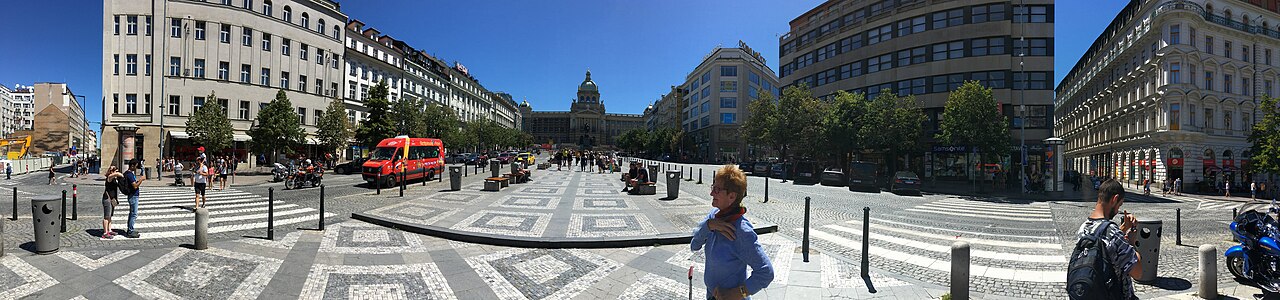
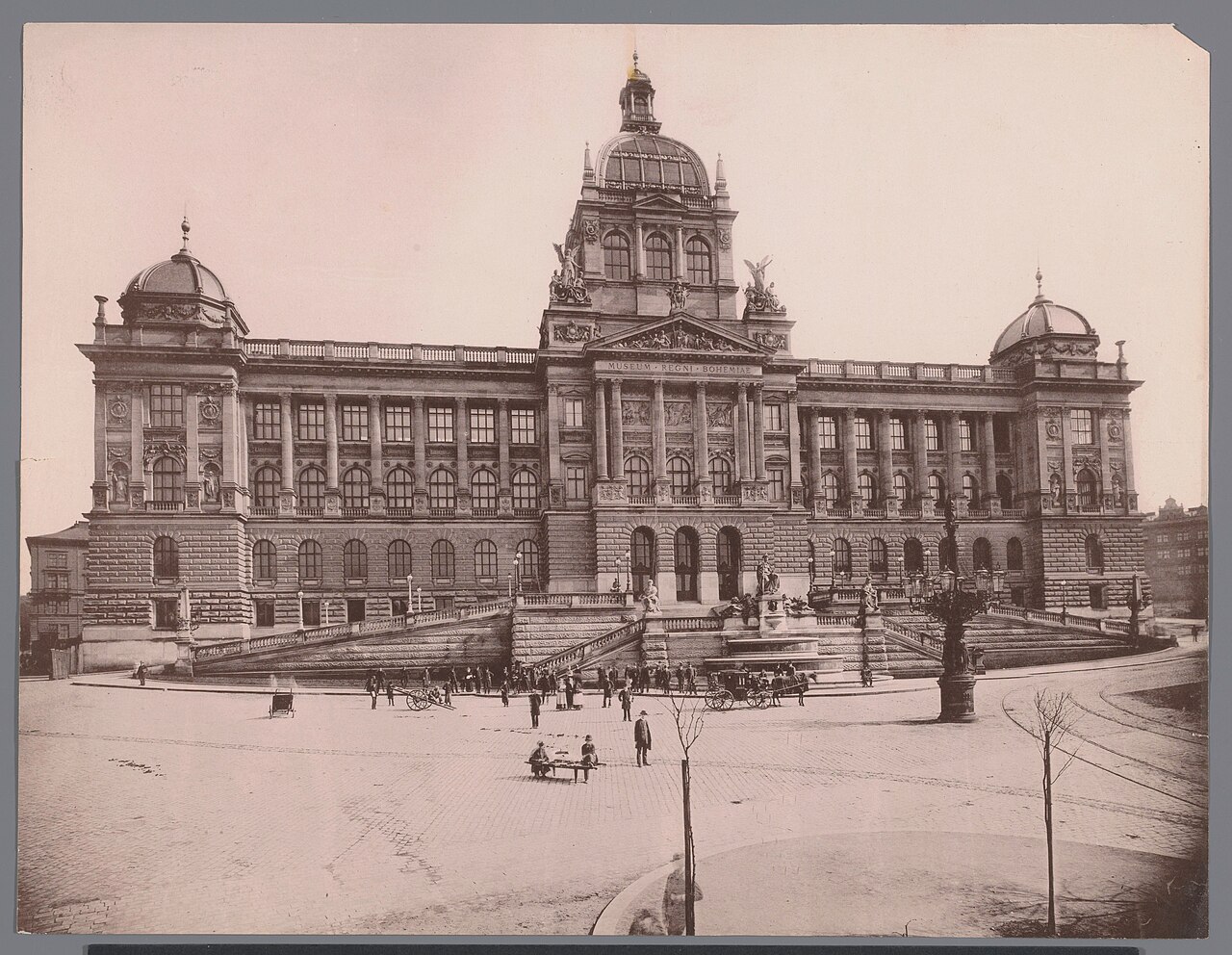
Wenceslas Square (Václavské náměstí) is a roughly 750-metre-long boulevard-style square running through Prague's New Town, laid out in 1348 by Charles IV as the city's Horse Market (Koňský trh) and renamed in the 19th century after St Wenceslas, patron saint of the Czech lands. It has staged the pivotal moments of modern Czech history - the 1918 declaration of the Republic, the 1969 protests and Jan Palach's self-immolation, and the 1989 Velvet Revolution - which is why it is seen as the nation's public stage; today it is Prague's largest shopping and dining thoroughfare. As of 2026 the upper half is an active construction site for the return of a tram line and a major revitalization, so it is best explored as a walk through both living history and a city in transformation.
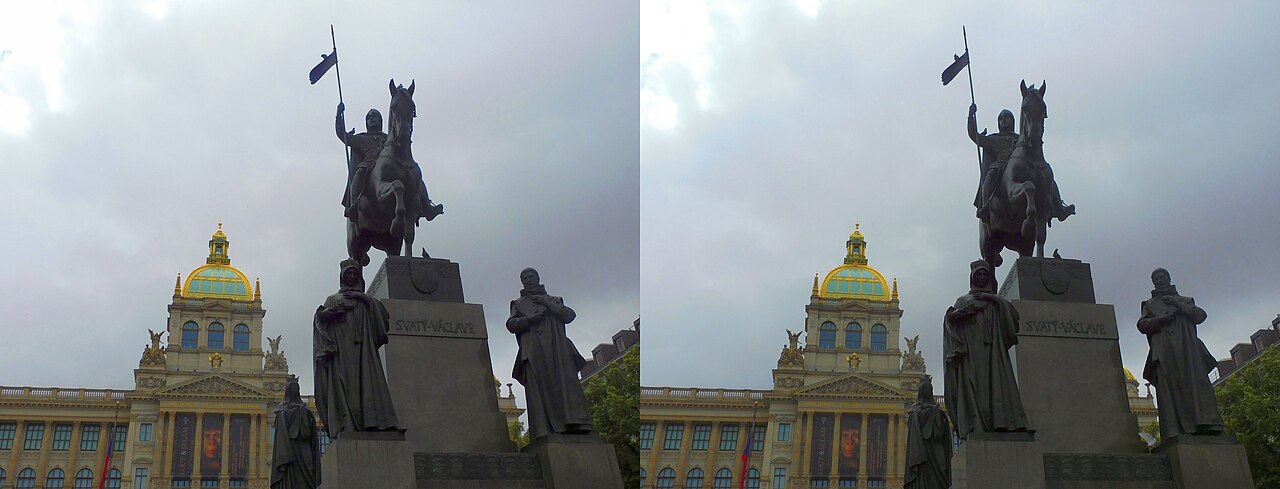
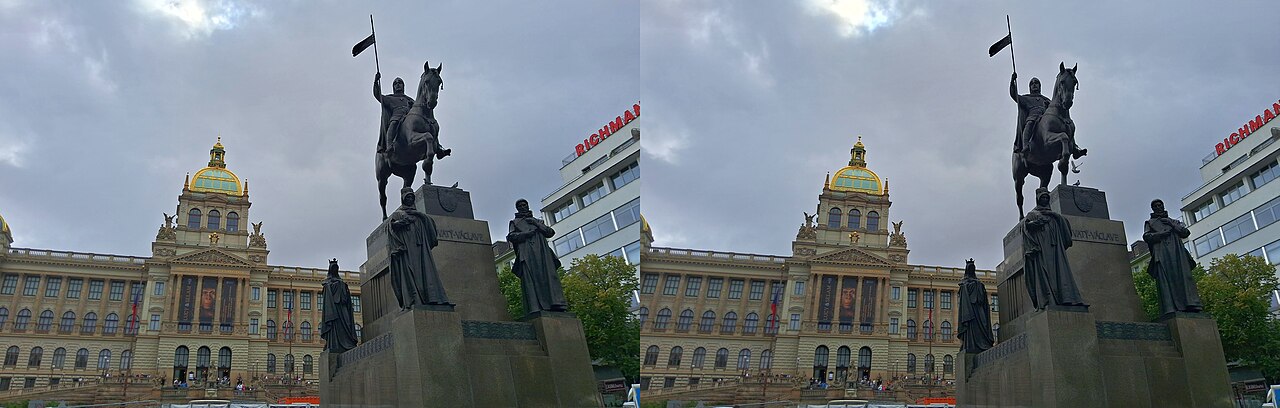
The equestrian statue of St Wenceslas by Josef Václav Myslbek (unveiled 1912) at the top of the square - the classic meeting point for locals and visitors alike
The monumental Neo-Renaissance National Museum behind the statue (1890, architect Josef Schulz, reopened 2018) - its steps give the best panorama over the whole square
The memorial to Jan Palach and Jan Zajíc set into the pavement, and other traces of the square's role in the Velvet Revolution
Early-20th-century Art Nouveau and Functionalist facades and the covered arcades (pasáže) lining the boulevard
The 2026 tram-restoration and revitalization works themselves - widened pedestrian zones and a doubling of the tree canopy taking shape
Good to know
CautionBeware exchange booths: kiosks on the square advertising '0% commission, best rate' can cost you 10-20% through the buy/sell spread. Use Czech bank ATMs (Česká spořitelna, ČSOB, Komerční banka) and always choose to be charged in CZK, never your home currency (decline dynamic currency conversion).
CautionFake charity petitions: people (often in teams) with clipboards or tablets ask you to sign for a 'charity' while an accomplice picks your pocket. Czech police have banned such collections in tourist zones and treat them as theft operations - decline and walk on.
SafetyThis is a known pickpocket hotspot in crowds. Keep your wallet in a front pocket or zipped bag and your bag in front of you. The lower end near Muzeum station can feel seedy at night with aggressive touts and drug activity, so avoid lingering there alone late.
CautionTaxi overcharging: cabs waiting by the square often run the highest tariff or use unlicensed cars, charging 5-10x. Use the Bolt or Liftago apps; if you take a street taxi, check the fare card on the door (base fare around 60 CZK).
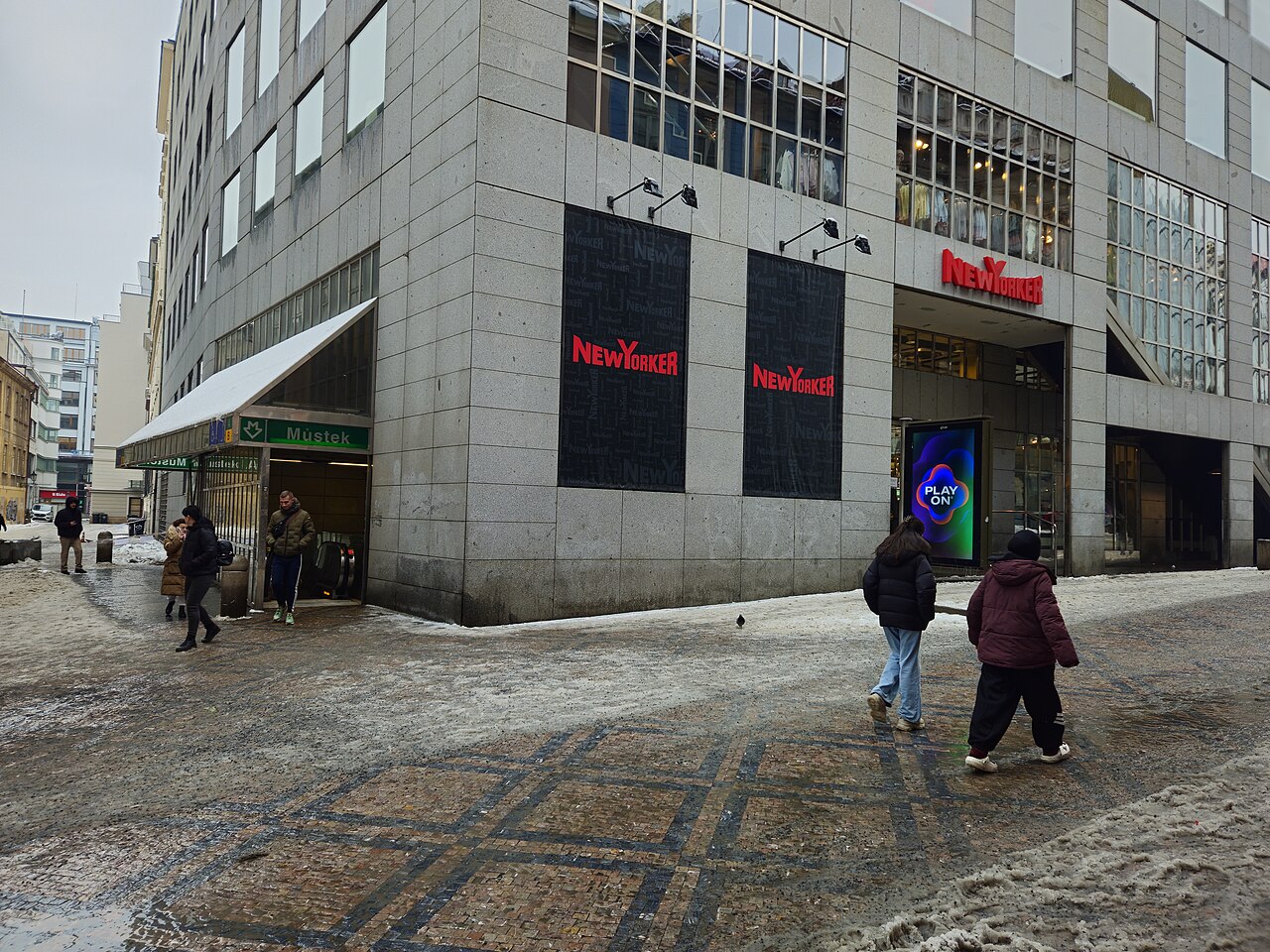
RulesAs of 2026 the upper square is a tram-and-revitalization construction site, so pedestrian routes may be diverted (completion expected 2027). Public transport is punctual - arrive by metro (Muzeum or Můstek) and always validate/punch your ticket, as inspectors do check.
MannersThe St Wenceslas statue and the Palach memorial are national places of remembrance for Czechs. Photography is fine, but do not step on the flowers or candles or behave rowdily around them.
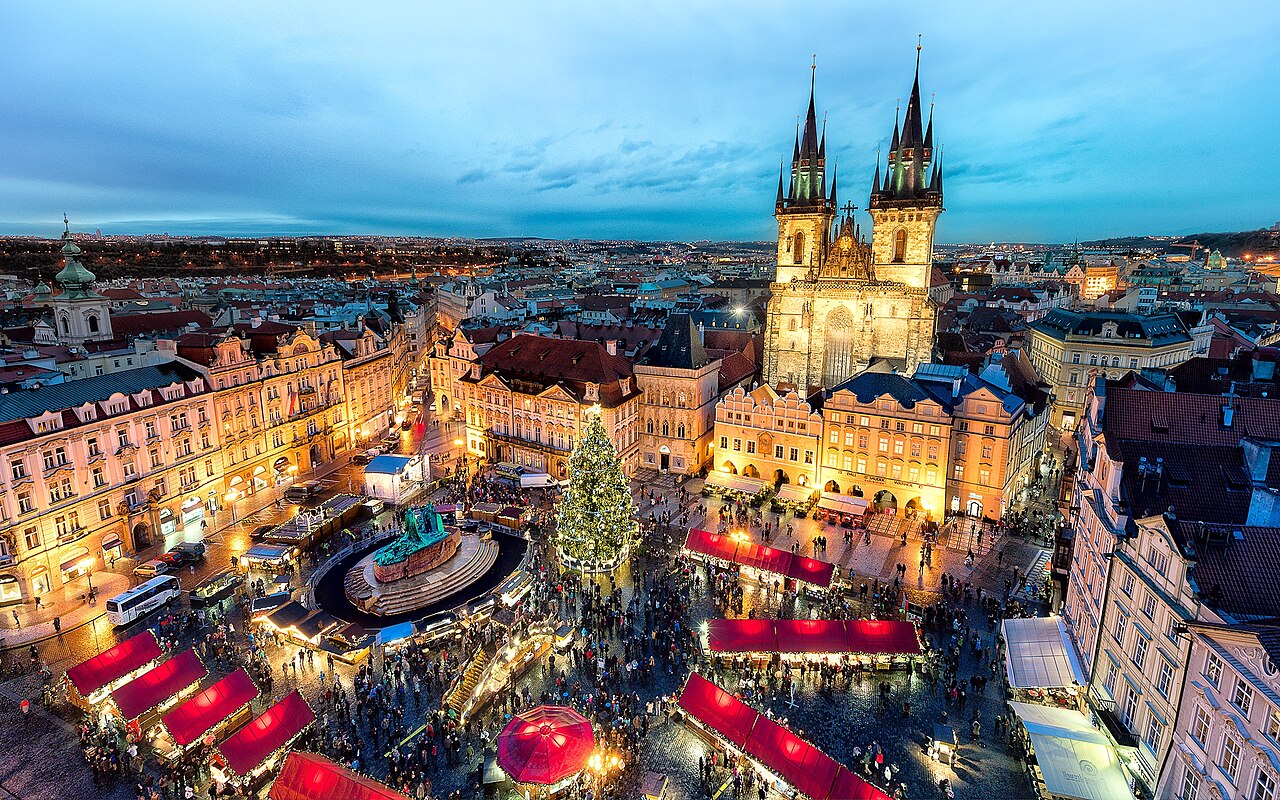
SeasonJuly-August is peak season - very crowded and hot at midday, so carry water and sun protection; in winter the square hosts a Christmas market but is windy and cold, so dress warmly.
Practical info
Metro lines A and C meet at 'Muzeum' at the upper (National Museum) end of the square, and lines A and B meet at 'Můstek' at the lower Old Town end. The square itself is a free, always-open public space; opening hours and admission for individual sites such as the National Museum (adult ticket reported around 300 CZK, free for under-15s) and any 2026 construction-related access changes should be confirmed on the official websites for the latest information.
On-site reviews📍 Verified on-site
No reviews yet. If you are here, be the first to leave one.