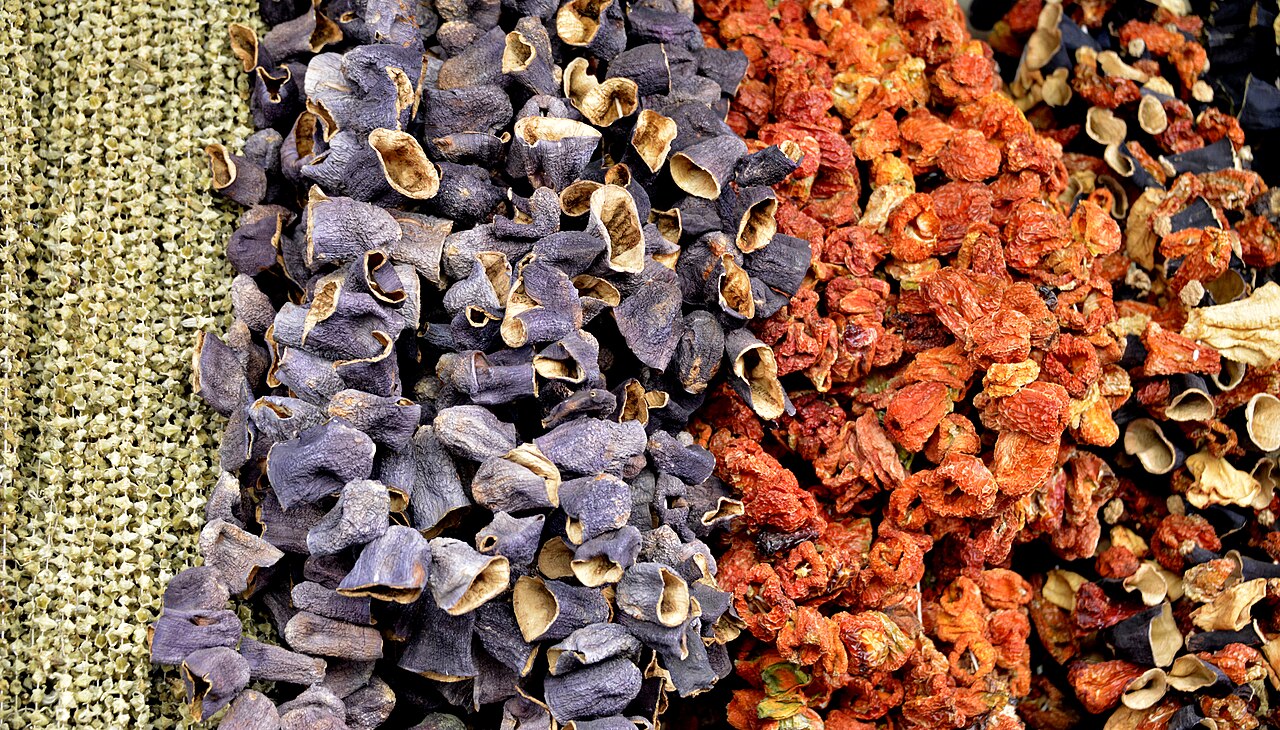
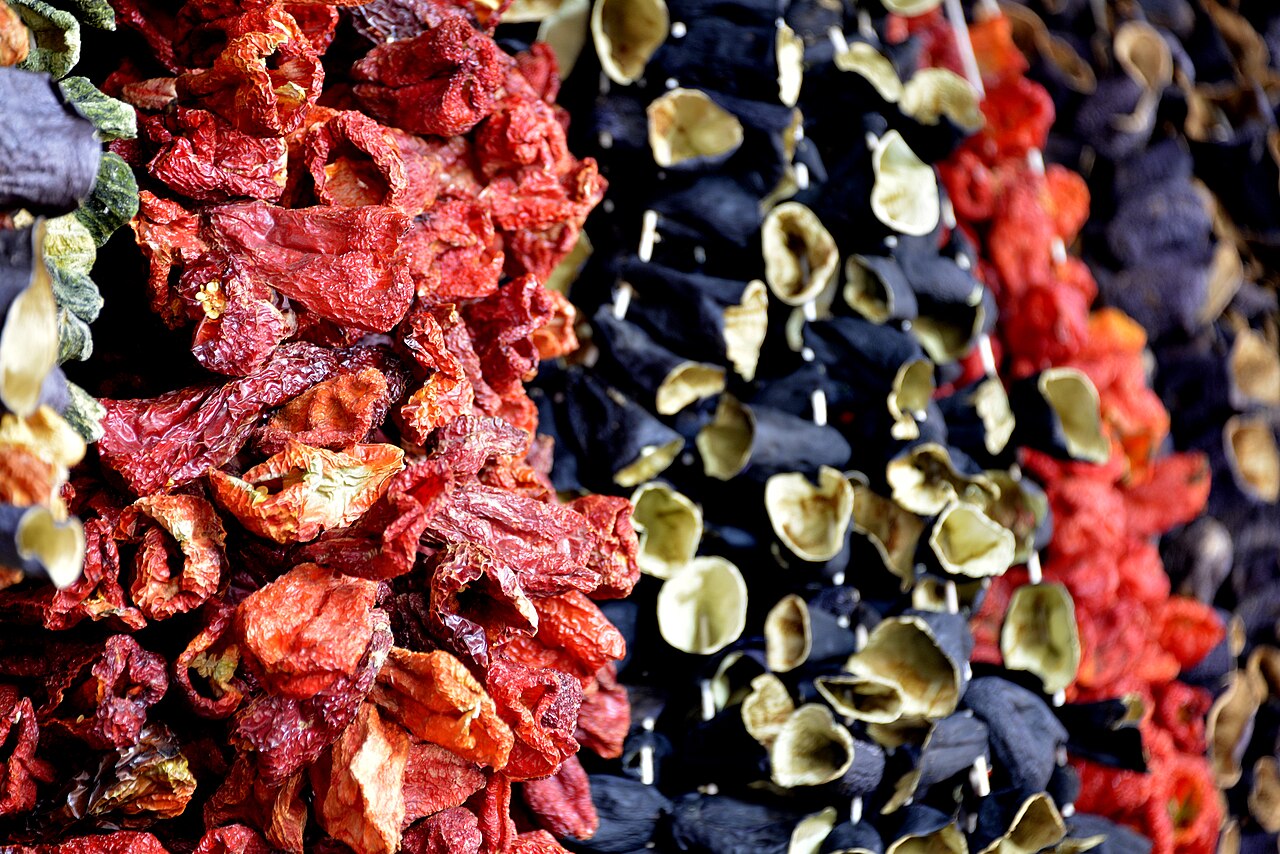
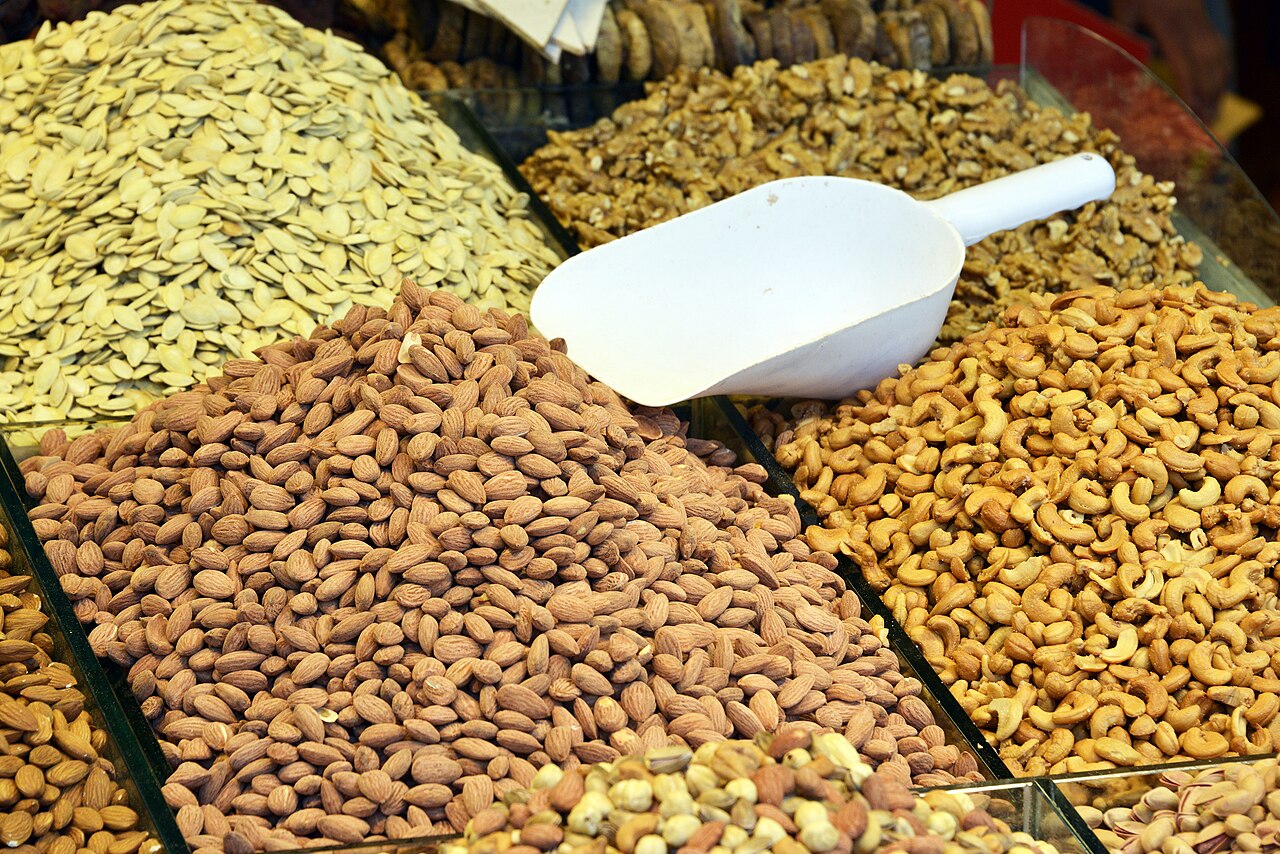
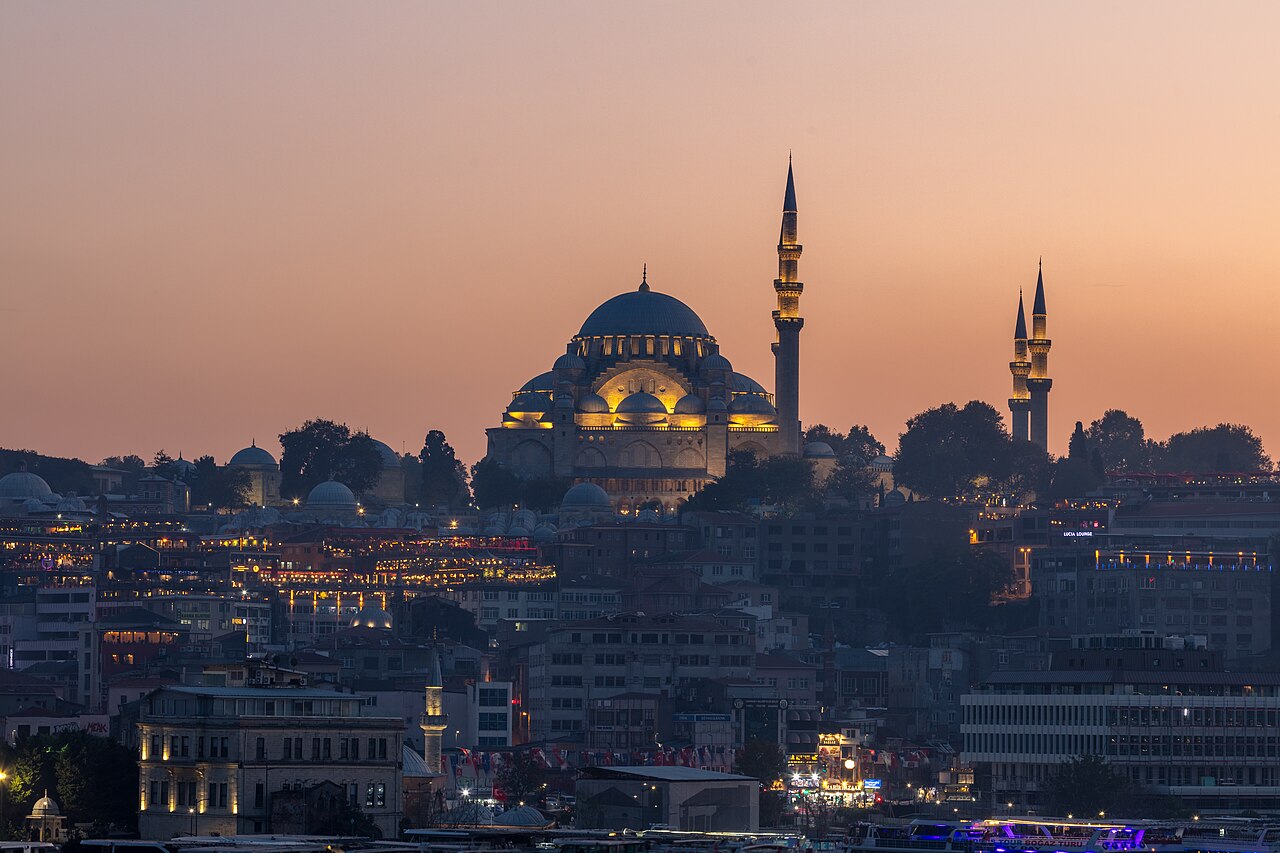
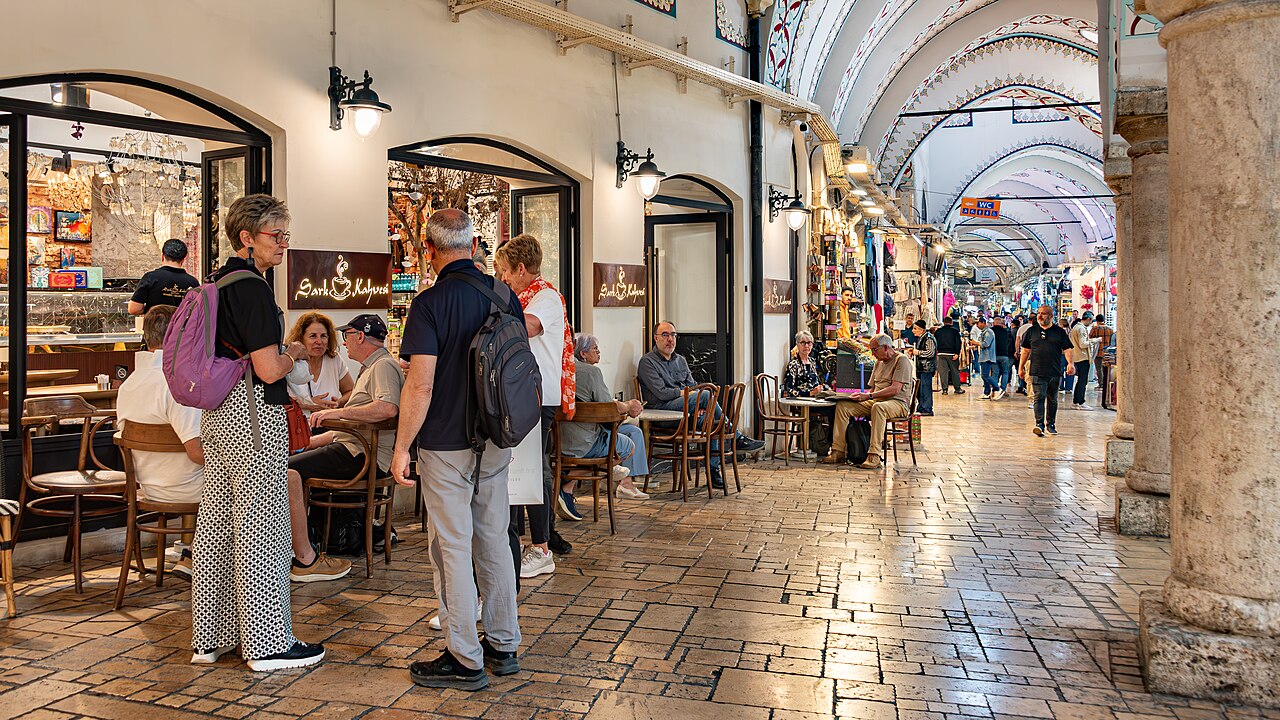
The Spice Bazaar (Mısır Çarşısı, the 'Egyptian Bazaar') is Istanbul's second most famous covered market after the Grand Bazaar, built as part of the New Mosque (Yeni Cami) complex in the waterfront district of Eminönü. Its foundations were laid in 1597 under Safiye Sultan and the bazaar was completed and opened around 1664 under Hatice Turhan Sultan, financed by revenues and goods that arrived as tax from Ottoman Egypt — the origin of its name. Entry is still free today and its L-shaped hall is packed with spices, Turkish delight, teas, nuts and dried fruit, though in recent years souvenir and sweet shops have increasingly displaced the traditional spice traders. Sitting right beside the Galata Bridge and the New Mosque, it makes a natural stop on a half-day walk through the old city.
The 17th-century domed, L-shaped hall with six arched gates — the Ottoman architecture is as much a sight as the goods.
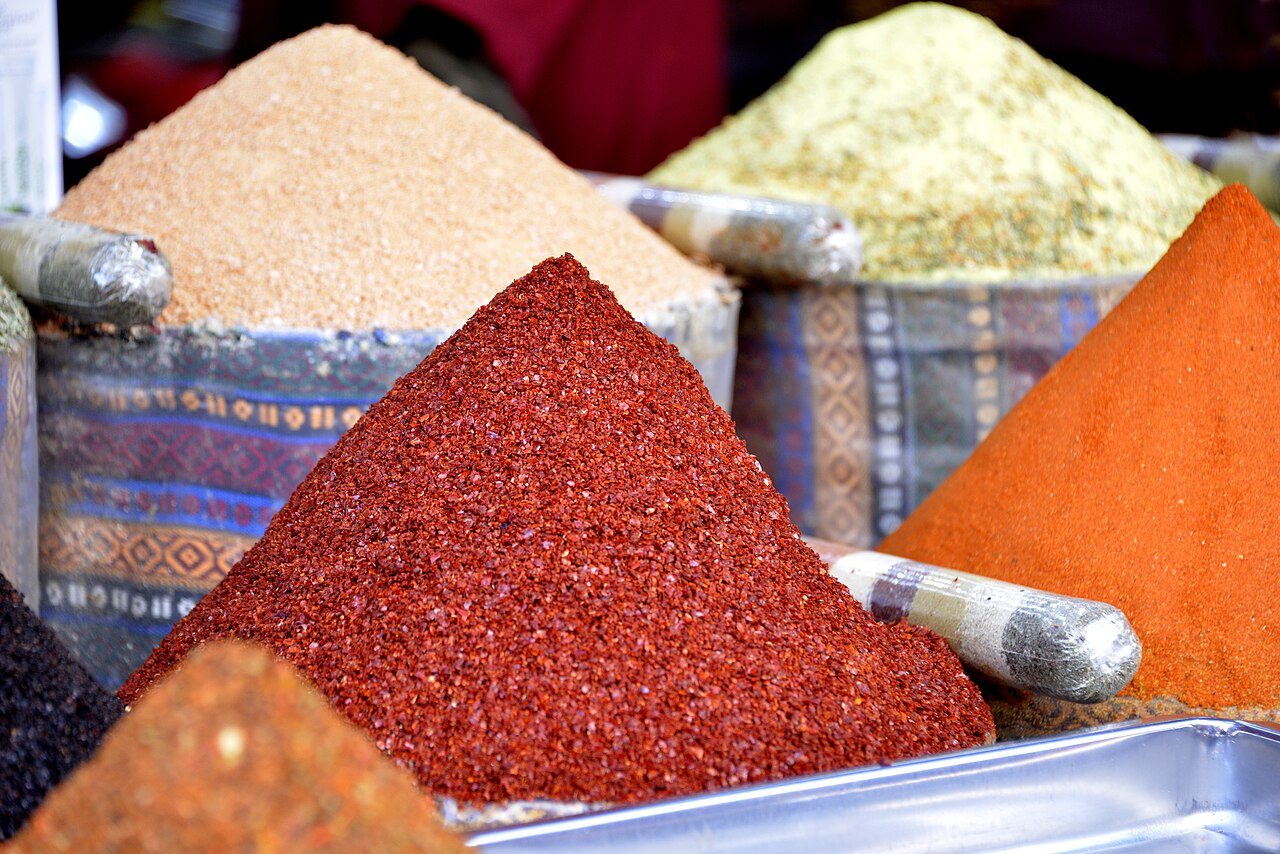
Pyramids of colourful spices, saffron, Turkish teas, sumac and Istanbul's signature spice blends.
Freshly made Turkish delight (lokum), nut-coated sweets, and free samples of nuts and dried fruit.
Pandeli, the historic Ottoman-era restaurant above the main gate, and other long-standing landmarks.
The open-air flower, seed and pet market just outside the western gate, plus the herbalists (aktar) of the surrounding lanes — a glimpse of local life.
Good to know
CautionWatch for scale tricks and tourist mark-ups. Opening prices are often 50-100% above fair value, so haggling is expected; there are reports of vendors weighing a portion, tipping some out, then charging for the full weight.
CautionCheck the currency on card machines. Some shops set the terminal to charge in euros instead of Turkish lira (TL), inflating the total sharply — confirm the currency and amount on screen before you tap, and keep the receipt.
SafetyMind pickpockets. Eminönü and the nearby tram and ferry piers are among the most crowded spots in Istanbul — wear bags in front and avoid keeping a wallet in a back pocket.
MannersFree tastings and bargaining are part of the culture. A shopkeeper offering tea or lokum is a normal courtesy, but if you don't intend to buy, decline politely; showing too much eagerness weakens your bargaining position.
RulesThe bazaar closes on religious holidays. During Eid al-Fitr (Ramazan Bayramı) and Eid al-Adha (Kurban Bayramı) the interior shuts completely for 3-4 days, and it may also close on national holidays such as Republic Day (29 October) — check before you go.
SeasonIn the summer peak (June-August) the covered hall is very crowded and stuffy in the afternoon. Early morning is the quietest, and during Ramadan opening and closing times can differ from the usual schedule.
Practical info
In Eminönü, it is a few minutes' walk from the T1 tram (Eminönü stop), the Marmaray (Sirkeci station) and the ferry piers — an Istanbulkart makes public transport easy. Entry is free with no ticket required, and it is generally open daily from roughly 08:00-09:00 until about 19:30, but confirm the current hours and closure dates, which vary by season and religious holiday.
On-site reviews📍 Verified on-site
No reviews yet. If you are here, be the first to leave one.