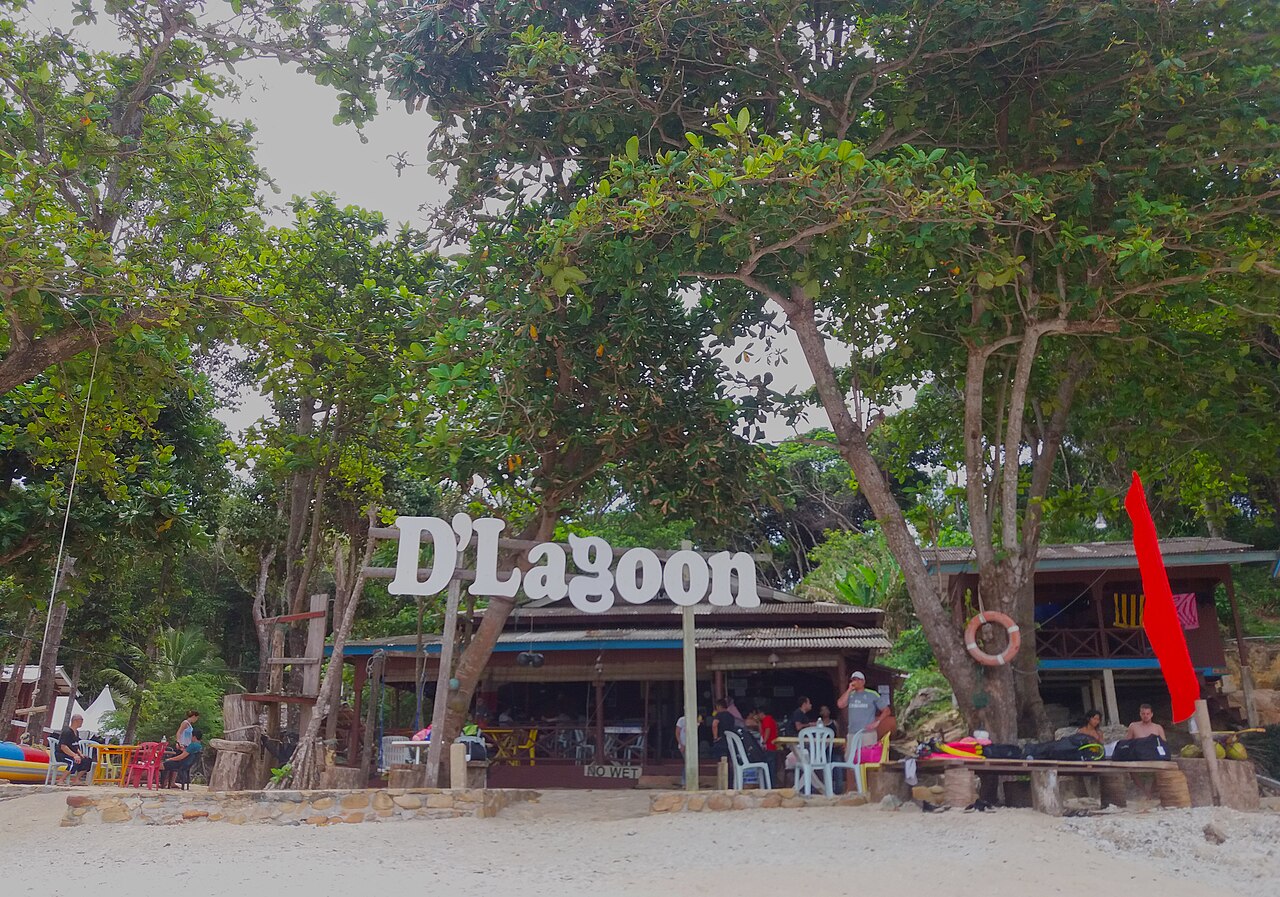
Pasir Panjang, Pulau Perhentian Kecil, Terengganu · 트렝가누 프르헨티안
Location
Overview
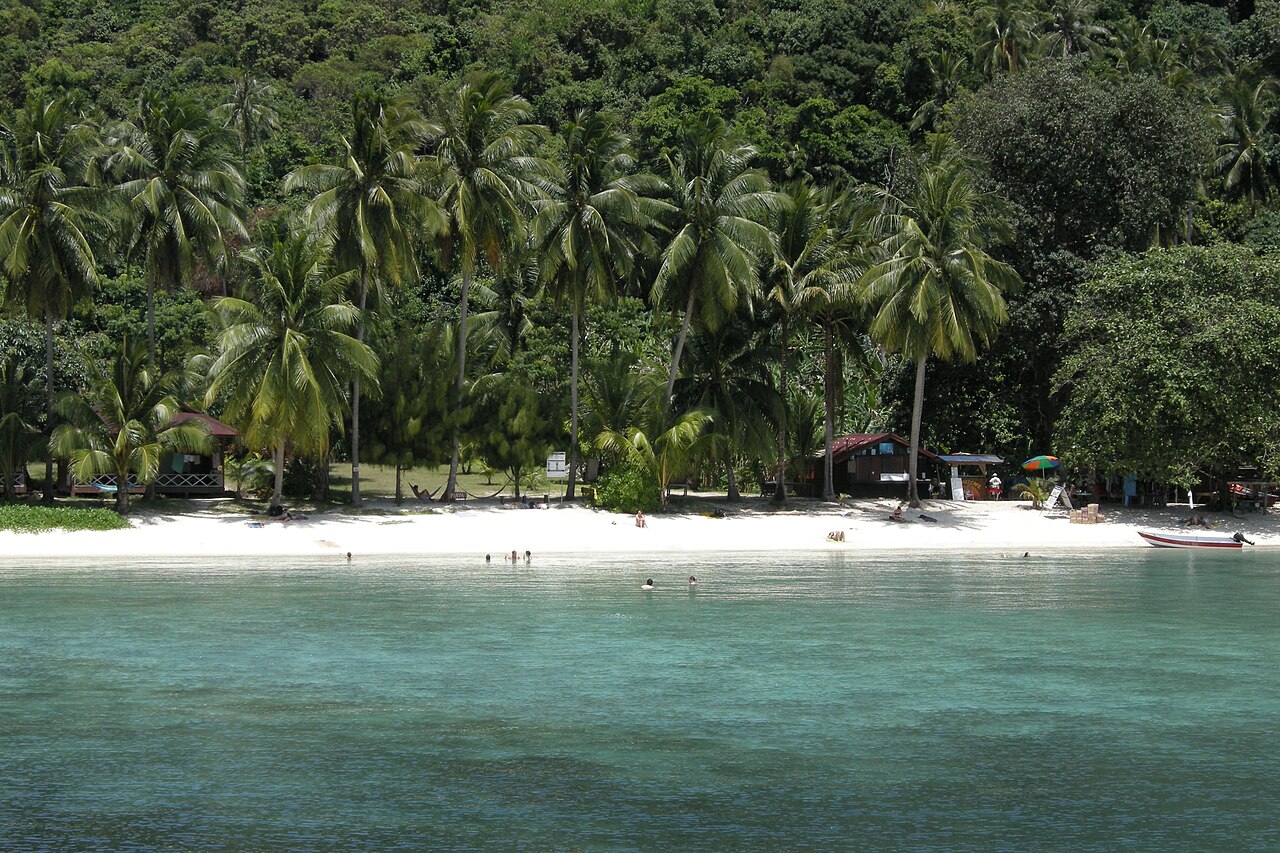
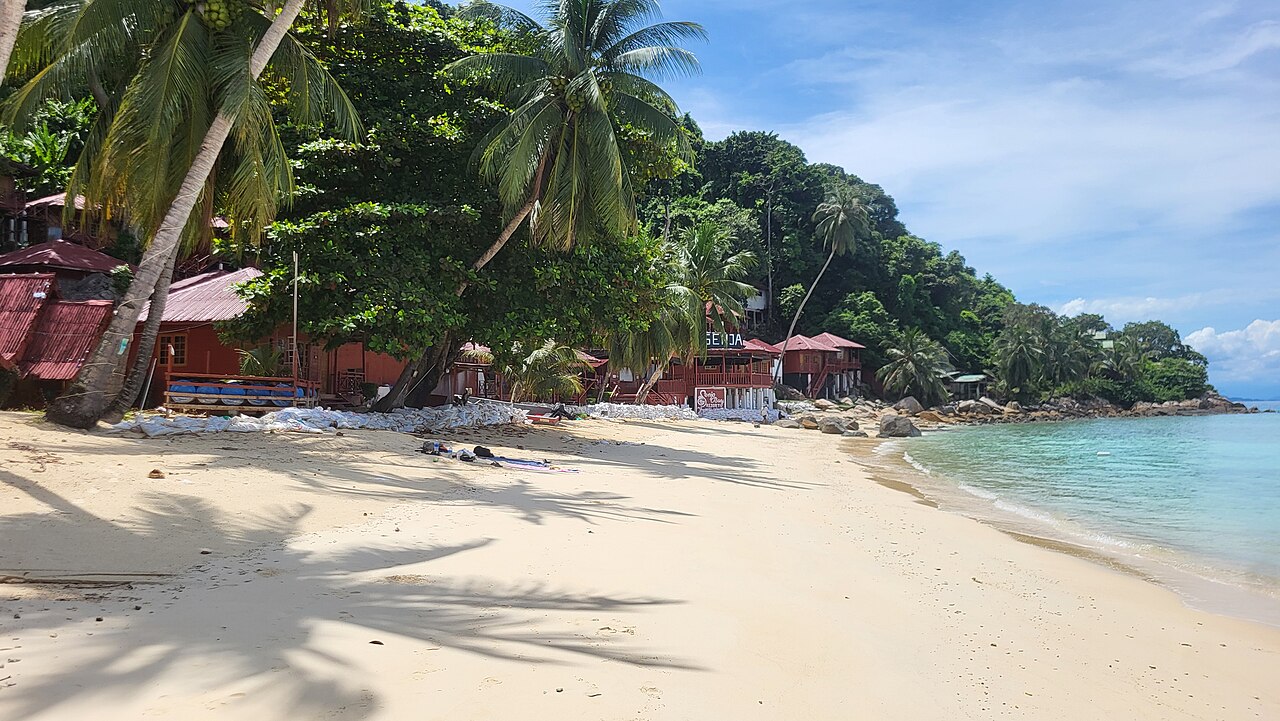
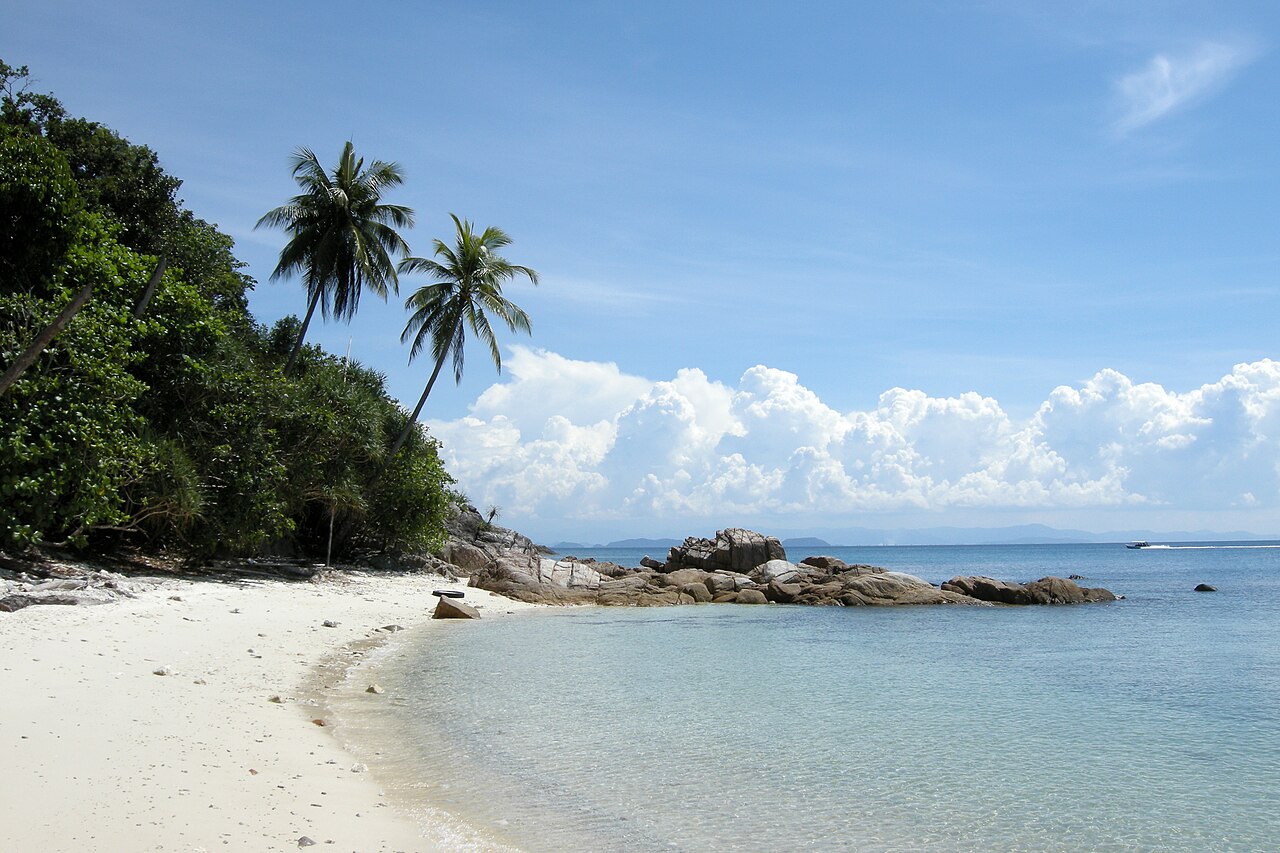
Long Beach — Pasir Panjang — on car-free Perhentian Kecil, off Malaysia's Terengganu coast, is one of Southeast Asia's go-to places to learn freediving. The South China Sea sits at 28–30°C right off the sand, and schools based on the beach such as Freedive Perhentian (Apnea Total) and Freedive AndRasa (Molchanovs/AIDA) run daily line sessions with buoys, marked descent lines and safety lanyards. Visibility typically runs 10–25m and training depth tops out around 25m, which is plenty for a first freefall and Level 1–2 certification but a real ceiling if you are chasing deeper numbers. As of 2026 the whole island still shuts down for the November–February northeast monsoon, so timing your trip is half the plan.
Daily 'on the line' sessions just offshore — buoy, metre-marked descent line, safety lanyard and counterballast in place, with an instructor watching the surface. This is textbook depth-training infrastructure, not improvised diving.
A gentle training site of roughly 25m. Ideal for learning freefall — letting go past neutral buoyancy for the first time — and honestly unsuited to anyone targeting 40m-plus deep training.
Three certifying systems on one beach: Apnea Total, Molchanovs and AIDA. Easy to compare curricula and instructors before committing to a course.
Shallow coral right off the sand, useful for static and dynamic practice, pre-session warm-ups and dialling in equalisation. Turtles and blacktip reef sharks pass through regularly.
No cars, little traffic noise and minimal light pollution — plankton bioluminescence is a common evening outing. In a sport where recovery and relaxation are technique, that matters more than it sounds.
Good to know
SafetyNever dive alone. Stick to one-up-one-down with a trained buddy at any depth, and always wear a lanyard on the line. Shallow water blackout and LMC (loss of motor control) usually strike without warning in the last few metres or seconds after surfacing, so your buddy must watch you unbroken for at least 30 seconds on the surface. Never hyperventilate before a dive.
SafetyLong Beach has heavy boat traffic in high season. Snorkel boats come close to shore, and anchor lines and propellers are a constant hazard — keep your session buoy highly visible and stay inside the marked swim area. If you train independently, use a surface marker or float without exception.
SafetyMedical care on the island amounts to a small village clinic, and there is no recompression chamber here. An emergency means a boat to the mainland at Kuala Besut and then a road transfer — several hours at best. Freedivers can also take decompression hits from repeated deep dives, so confirm that your travel insurance covers diving incidents and ask your school to walk you through its emergency plan.
SeasonFrom November to February the northeast monsoon closes most accommodation and schools, and boat services stop. In practice the island is open mid-March to early November, and even then afternoon winds can cancel crossings and sessions. Recheck weather and boat operations right before you travel.
RulesLines, lanyards and buoys are school equipment meant to be used within supervised sessions led by a qualified instructor. Borrowing a line to go deep unsupervised and uncertified is dangerous and generally not permitted. Minimum age, medical questionnaires and swimming prerequisites vary by school — check when booking, and disclose any asthma, cardiovascular or ear-equalisation issues in advance.
CautionBe wary of beach touts offering on-the-spot 'freediving experiences' with no credentials, and of snorkel boats that leave before a price is agreed. Verify the school's certifying agency, instructor qualifications and safety staffing, and fix prices in writing or by message beforehand. ATMs and card payment are limited on the island, so bring enough cash — the marine park conservation fee is collected in cash at the jetty.
MannersDon't stand on or touch coral, and never chase or block turtles and sharks. Use reef-safe sunscreen, and since the island's waste handling is limited, carry a reusable bottle instead of buying plastic and take your rubbish back to the mainland where you can.
Practical info
Access runs Kuala Lumpur → a domestic flight to Kota Bharu (or Kuala Terengganu) → road transfer to Kuala Besut jetty → 30–45 minutes by speedboat. Many nationalities enter Malaysia visa-free, but every foreign visitor must file the free Malaysia Digital Arrival Card (MDAC) online within 72 hours of arrival; marine park fees, boat fares, course prices and operating dates change from year to year, so confirm current details directly with the school and the official jetty information before booking.
On-site reviews📍 Verified on-site
No reviews yet. If you are here, be the first to leave one.