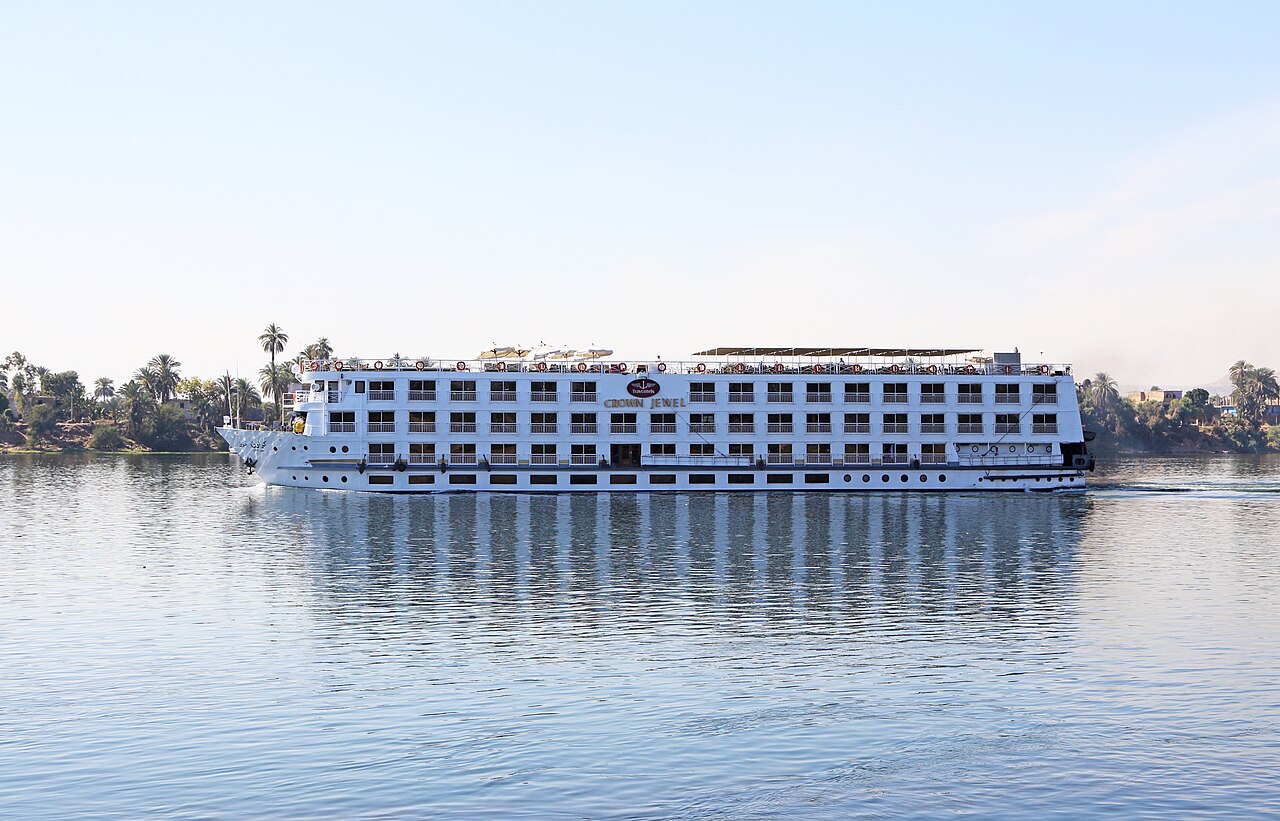
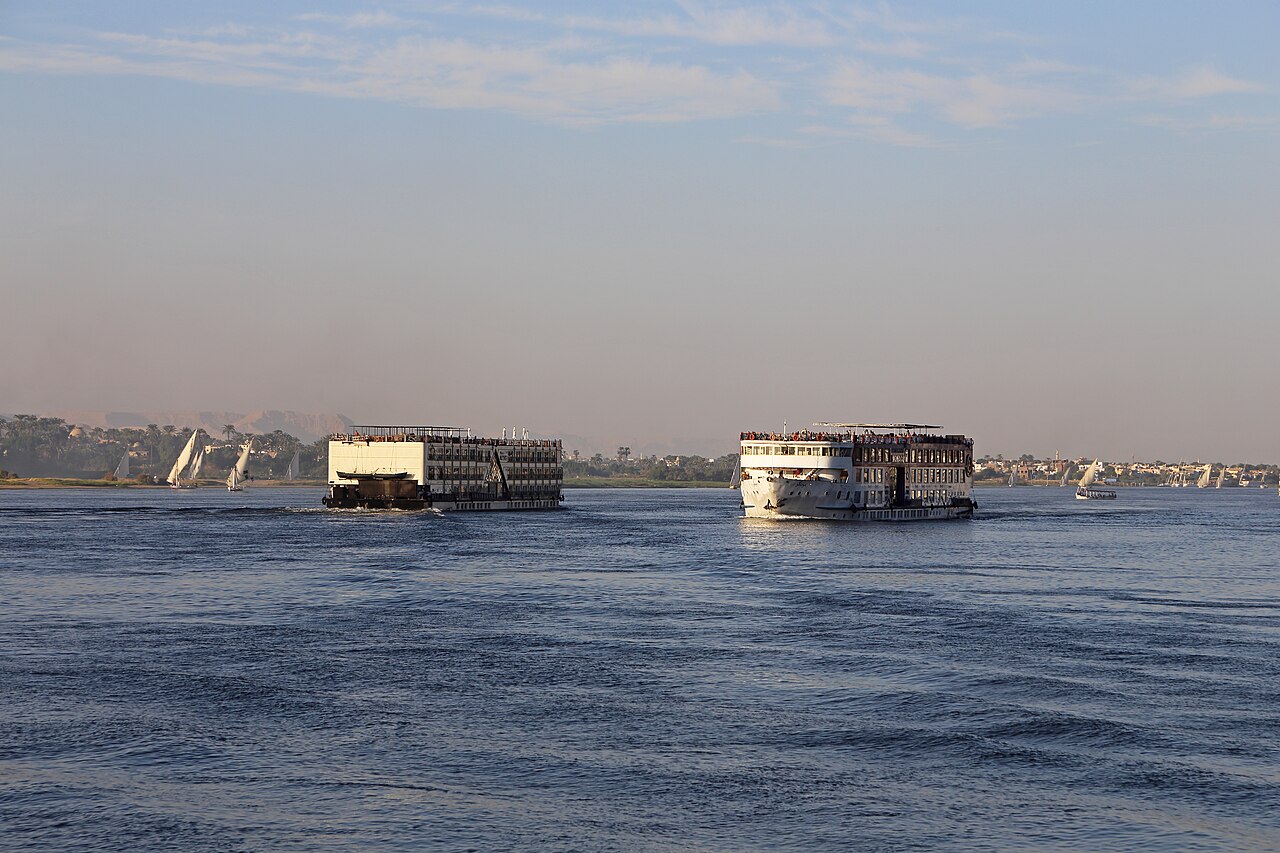
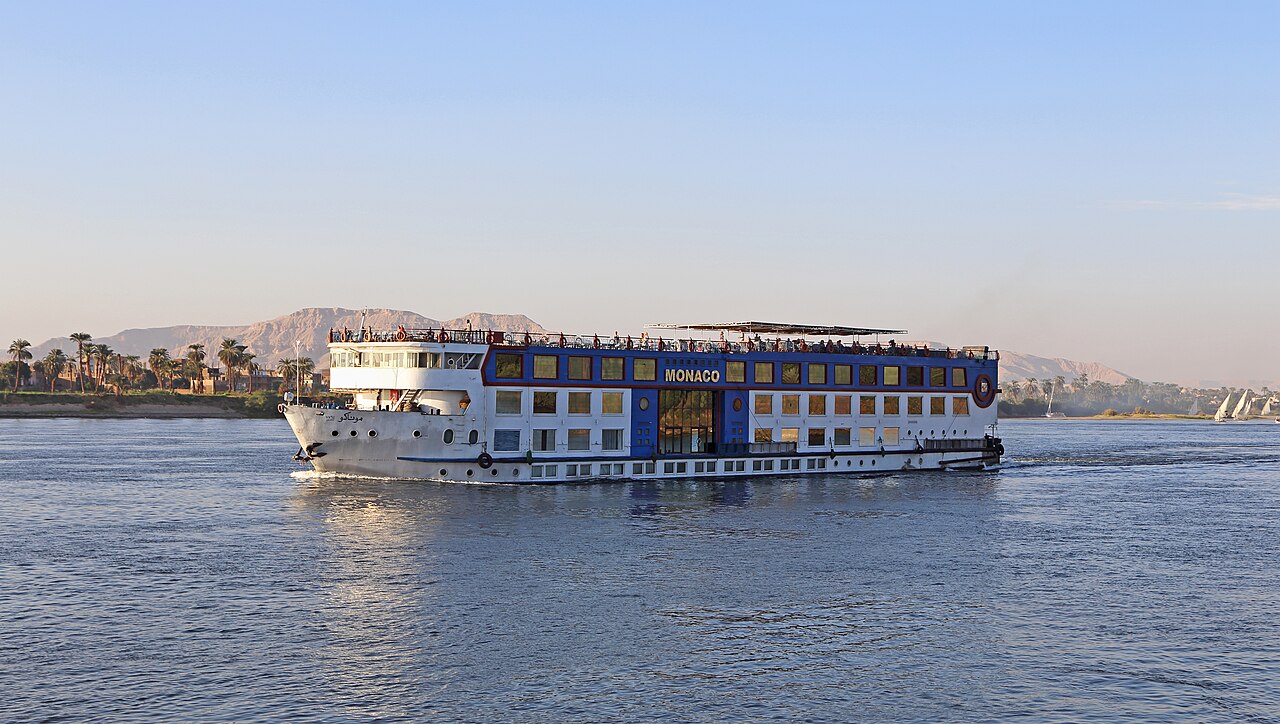
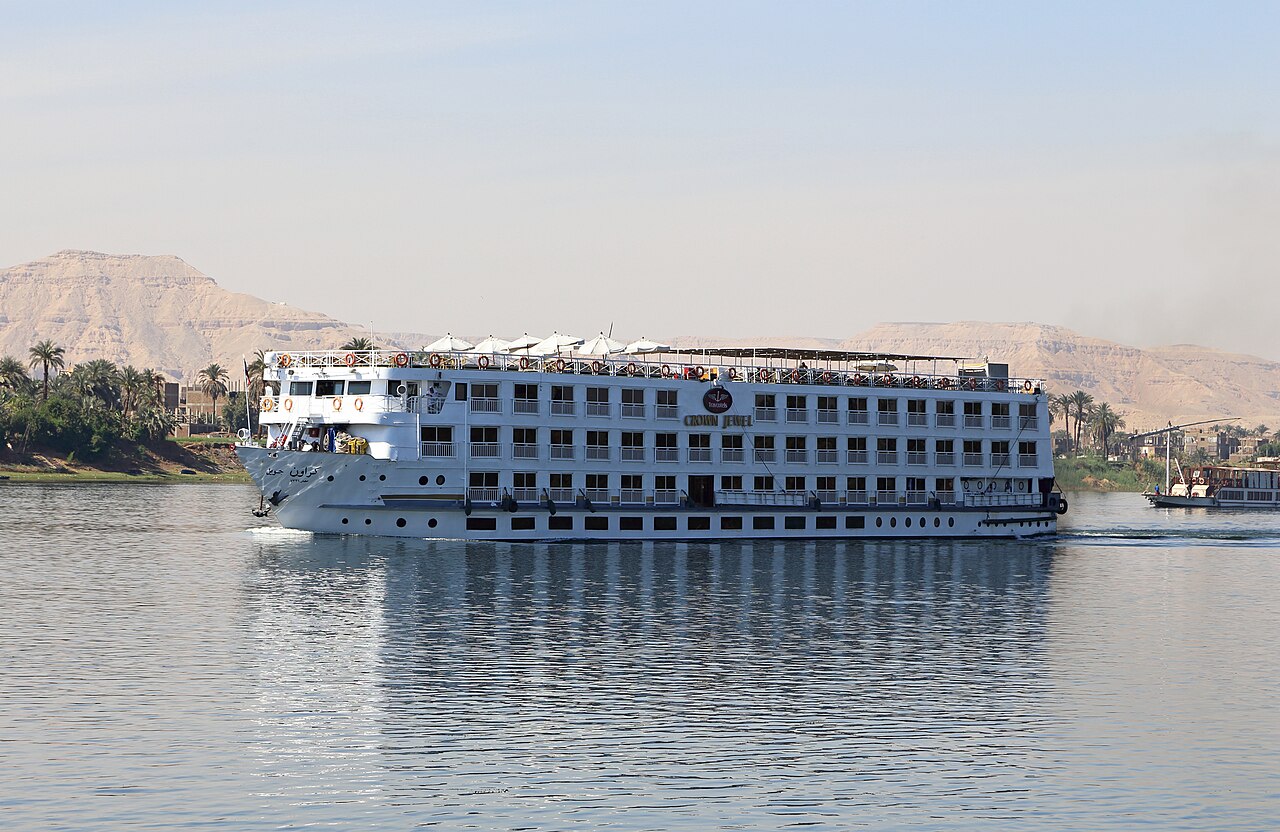
A Nile River cruise is a 'floating hotel' journey along the Upper Egyptian stretch between Luxor and Aswan, linking the great riverside temples in a single unhurried trip. Born from the way 19th-century European travellers explored the river and made famous by Agatha Christie's 'Death on the Nile', it is one of the classic romances of Egyptian travel. Egyptian tourism has rebounded strongly since the Grand Egyptian Museum opened in Cairo in November 2025, and the Luxor–Aswan corridor is the most heavily policed and reliably safe tourist route in the country. With options ranging from large multi-deck cruise ships to traditional wooden dahabiyas (carrying just 8–12 guests) and simple feluccas, it is the easiest way to see several Upper Egyptian temples over 3–4 nights without packing and unpacking every day.
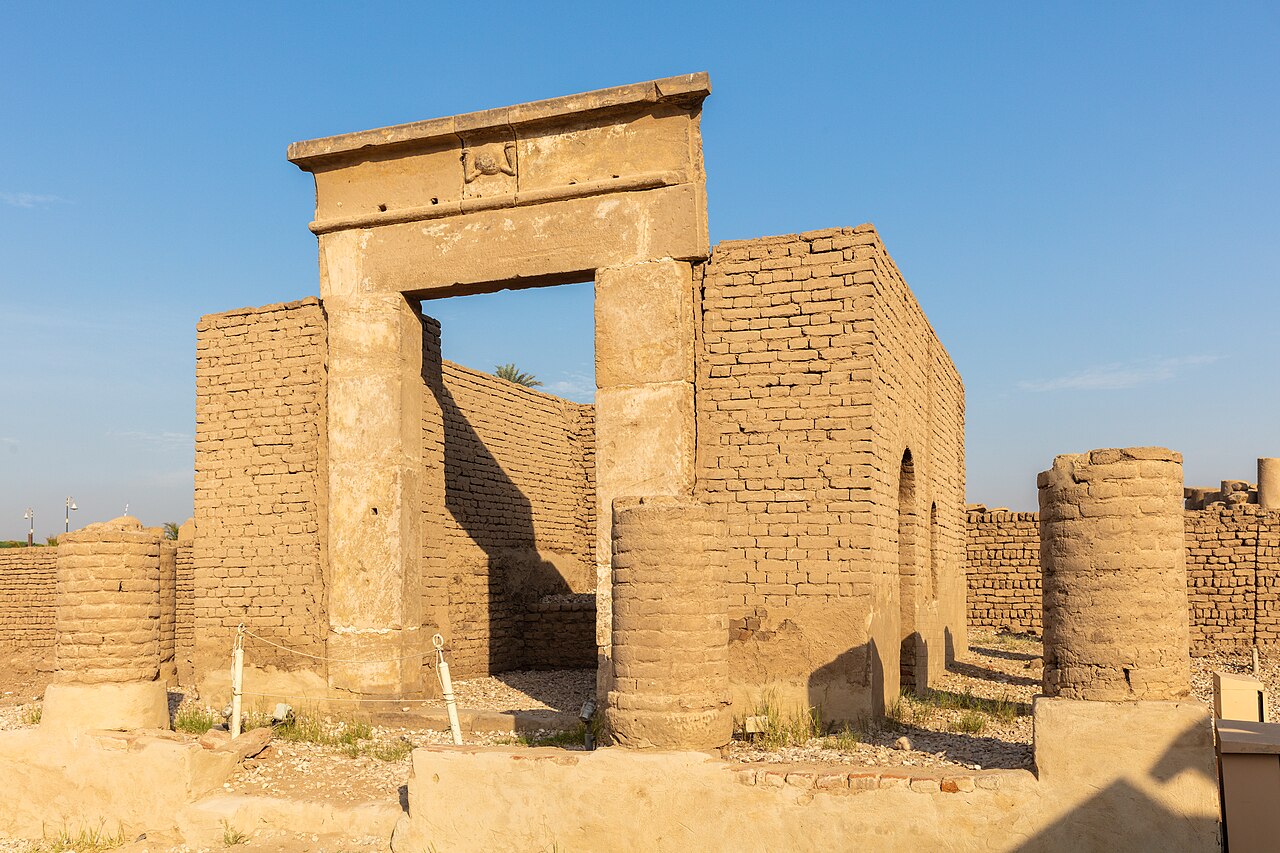
The Temple of Horus at Edfu — the best-preserved Ptolemaic temple in Egypt, reached from the mooring by a short horse-carriage (calèche) ride
The double temple of Kom Ombo — dedicated jointly to the crocodile god Sobek and the falcon god Haroeris, standing right on the riverbank and lovely to explore around sunset
Passing through the Esna lock — boats queue to be raised or lowered through the lock while riverside vendors toss goods up onto the deck to bargain, a memorable spectacle
The scenery from the sundeck — palm groves, water buffalo, village life and the lateen sails of feluccas silhouetted against the sunset over the Nile
Onboard culture — Nubian music, a galabeya (traditional-dress) party and tea on deck; a dahabiya offers a quiet sail, while a large ship adds pools, lounges and resort-style amenities
Good to know
SeasonSummer (June–September) daytime highs climb well past 40°C. Cruises run year-round, but October–April is the best window; in summer choose a boat with reliable air-conditioning and favour early-morning temple visits.
CautionThe horse carriages (calèche) used to reach Edfu Temple are notorious for inflated fares. Always fix the round-trip price before you board, and hold firm if the driver demands an extra tip on arrival.
CautionCrew tips (baksheesh) are customary — often around US$10–15 per guest per night, settled at reception on check-out. Carry small dollar or Egyptian-pound notes, and if you don't want the goods vendors throw onto the deck at the Esna lock, simply toss them back.
MannersDress modestly at the temples, covering shoulders and knees. Alcohol is generally available on board but best kept discreet at sites and villages, and always ask permission before photographing Nubian villagers or local residents.
SafetyA felucca has no cabins, toilets or climate control — you sleep on deck, which is romantic but basic. Check the overnight mooring, toilet arrangements and life jackets in advance, and whatever the vessel, book through an operator licensed by the tourism authority.
RulesYou'll need your passport to board and check in; temple admission is usually included, but optional extras such as a day trip to Abu Simbel or a hot-air balloon ride are not. Tripods and drones at temples may require a permit or extra fee, so confirm fares, itinerary and what's included with the operator and the Ministry of Tourism and Antiquities before booking.
Practical info
Cruises generally embark at Luxor or Aswan; Luxor is served by its airport (LXR) and by overnight trains from Cairo, and Aswan also has an airport and rail link. A typical itinerary is a one-way 3–4 night sailing between Luxor and Aswan (stopping at Edfu, Kom Ombo and Esna depending on direction), and peak-season or small-capacity dahabiyas are best booked 3–4 months ahead. Fares, departure dates and stops vary by vessel and season, so confirm the latest details with the operator and the Egyptian Ministry of Tourism and Antiquities before booking.
On-site reviews📍 Verified on-site
No reviews yet. If you are here, be the first to leave one.