Luxor Temple is an ancient Egyptian temple set right in the heart of modern Luxor on the east bank of the Nile. Begun around 1390 BCE under Amenhotep III and expanded over generations by pharaohs including Tutankhamun, Horemheb and Ramesses II, it forms the core of the 'Ancient Thebes' UNESCO World Heritage Site and was the stage for the annual Opet Festival. The restored Avenue of Sphinxes, reopened in 2021, links it to Karnak Temple, and its floodlit evening opening is famous even among Egypt's monuments. Because you can see it in daylight and after dark, it rewards an unhurried half-day visit.
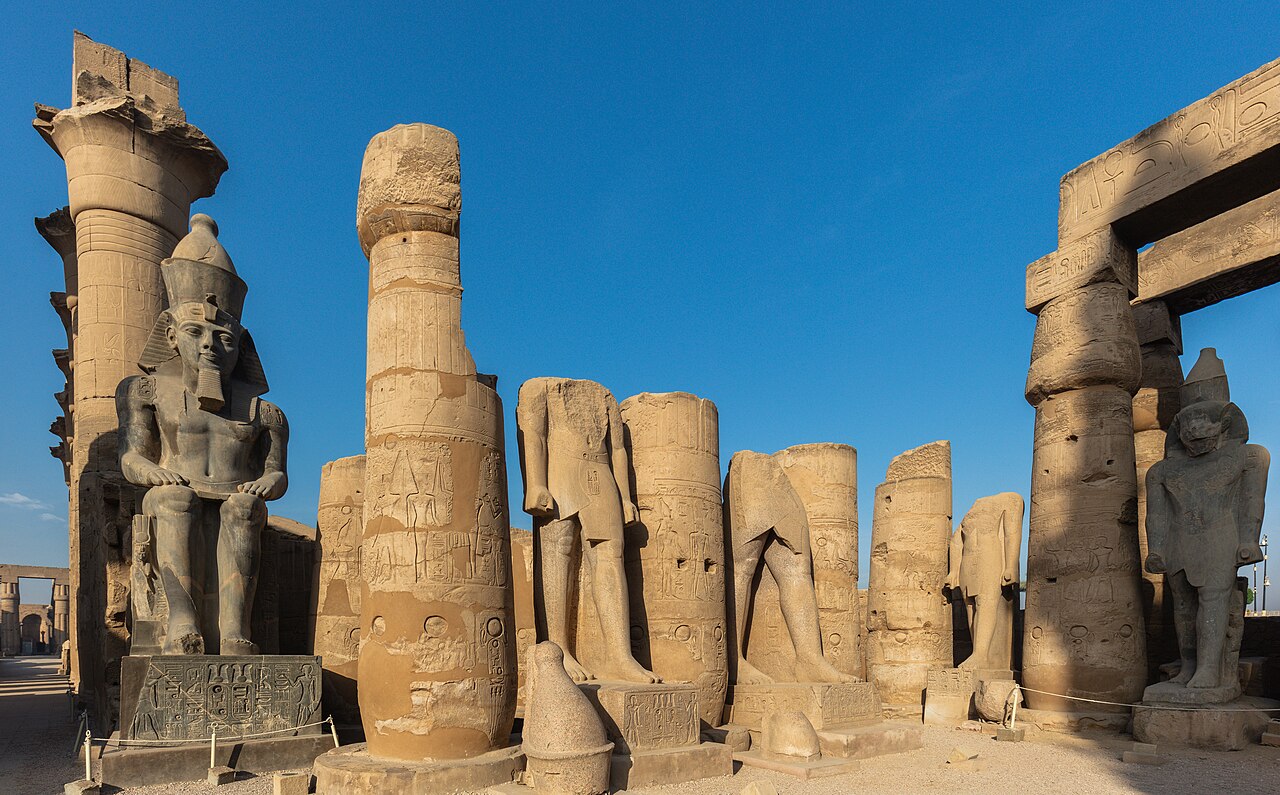
The First Pylon of Ramesses II, carved with reliefs of the Battle of Kadesh and fronted by colossal seated statues of the pharaoh
The surviving obelisk of an original pair — its twin was moved to France in the 1830s and now stands in Paris's Place de la Concorde
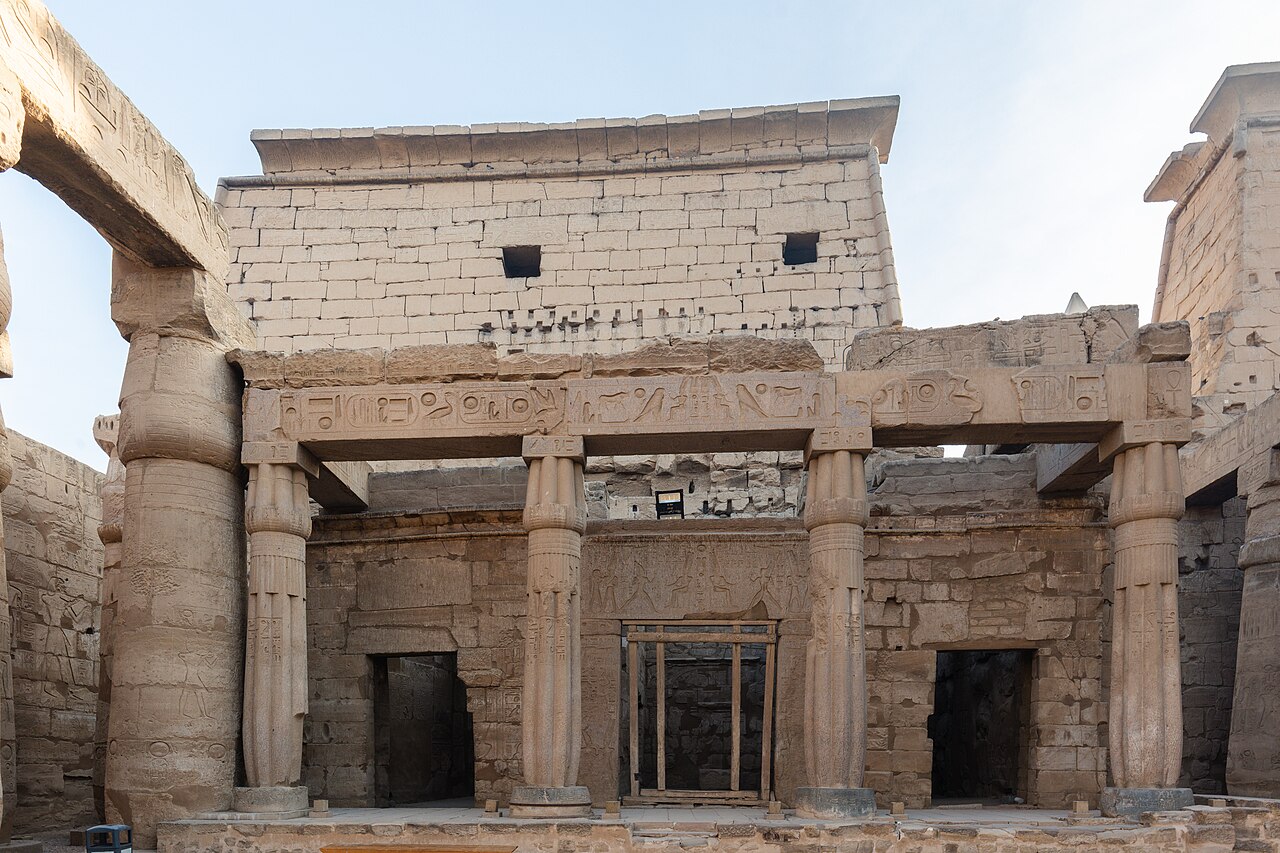
The Great Colonnade of Amenhotep III, a hall of towering papyrus-capital columns whose walls depict the Opet Festival procession
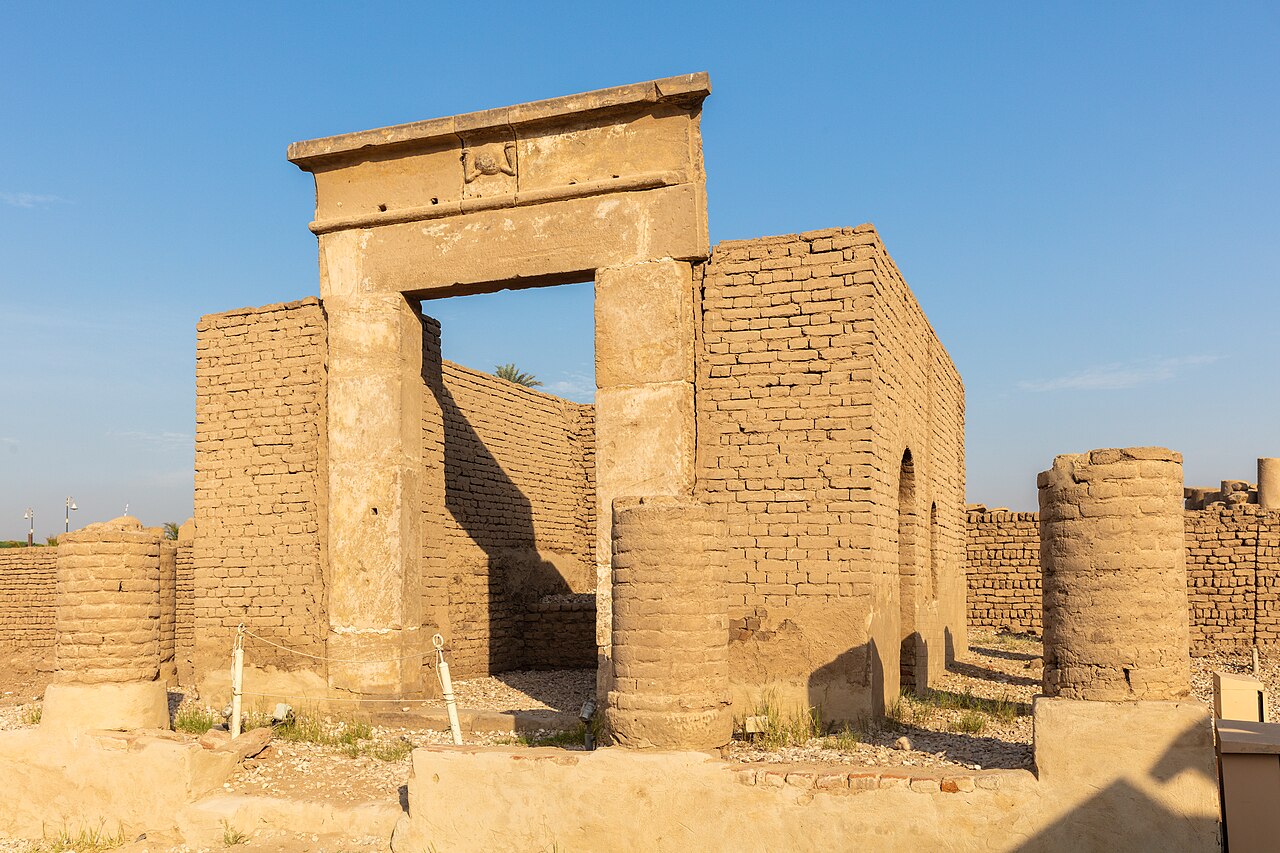
The 13th-century Abu al-Haggag Mosque, still standing inside the Court of Ramesses II — a striking coexistence of a living mosque atop pharaonic ruins
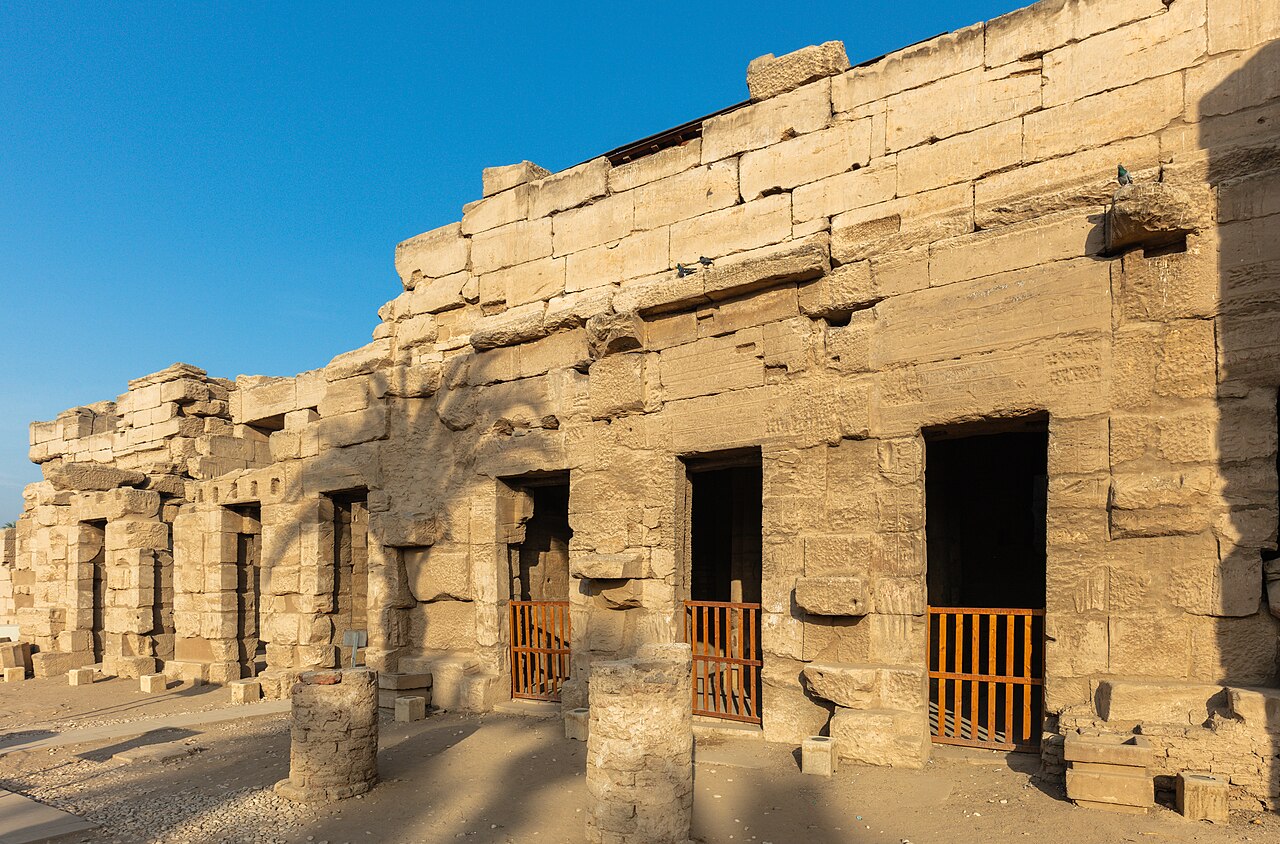
The innermost sanctuary with Alexander the Great's chapel and Roman-era frescoes painted over earlier reliefs
Good to know
SeasonSummer (June–August) daytime highs climb well past 40°C. October–April is the best window; in summer, aim for early morning or the floodlit evening hours.
CautionPeople near the entrance may offer a 'free' guide or to take your photo, then demand a tip (baksheesh). Decline firmly from the start if you don't want the service.
CautionAlways agree the fare before boarding a horse carriage (calèche) or taxi, and carry small notes so you aren't caught out over change or tips.
MannersThe Abu al-Haggag Mosque inside the grounds is still an active place of worship. Keep quiet during prayer times and avoid revealing clothing.
RulesTripods and drones may require a separate permit or extra fee, or be banned, and some areas restrict photography. Buy tickets at the box office or the Ministry of Tourism and Antiquities' official site and keep them with you throughout.
SafetyTourist police are on site and the area is generally safe, but watch for pickpockets and aggressive haggling in the crowds around the ticket office and car park.
Practical info
Luxor Temple sits on the Corniche in central Luxor on the Nile's east bank, walkable from most hotels and within walking distance of Luxor train station. Opening hours run roughly 6–7 a.m. to 9 p.m. depending on season and peak periods, and foreign admission prices change often, so confirm the latest fees and times on the Ministry of Tourism and Antiquities' official site before you go.
On-site reviews📍 Verified on-site
No reviews yet. If you are here, be the first to leave one.