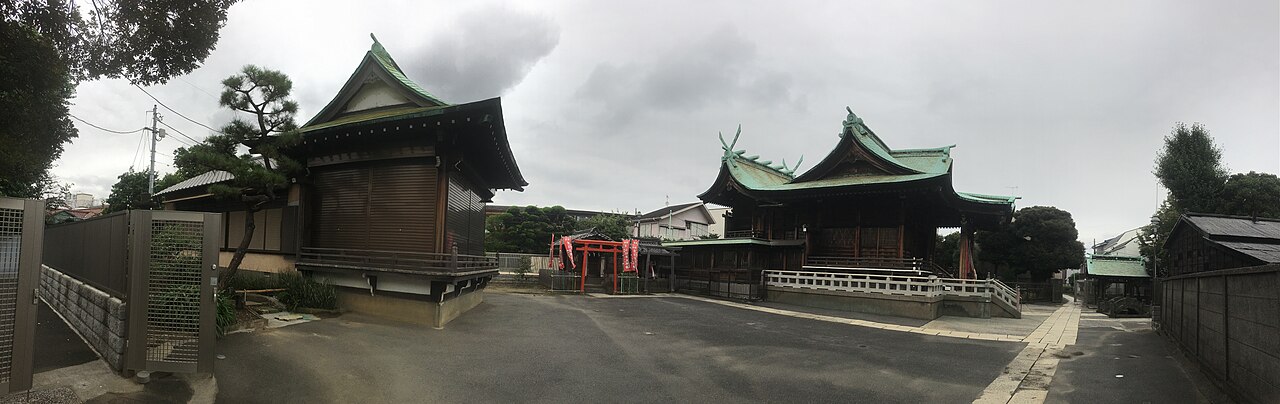
Kurama-dera is a mountain temple set at the foot of Mount Kurama in the far north of Kyoto's Sakyō ward, said to have been founded in 770 and independent as its own Kurama-kōkyō sect since 1949. It is renowned as a mystical power spot woven with legends of the tengu, the young warrior Ushiwakamaru (Minamoto no Yoshitsune), and as a reputed birthplace of reiki healing energy. Visitors ascend by cable car or on foot and gather on the star-shaped Kongōshō stone before the main hall to draw in the mountain's energy.
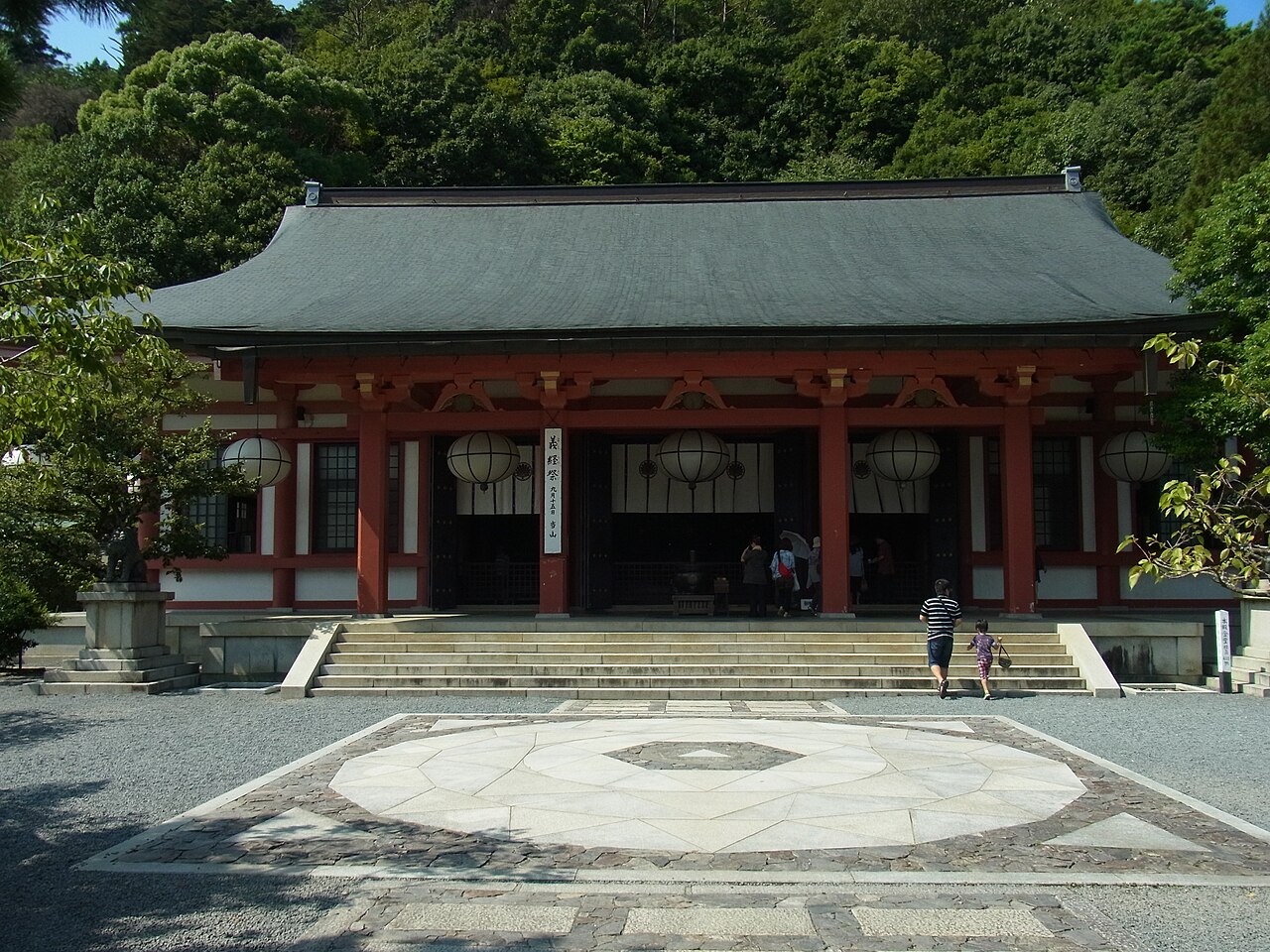
The Honden (main hall) and the star-shaped 'Kongōshō' power spot in front of it — stand on the central triangular stone facing the hall to feel the energy
The Sonten trinity of Maōson, Bishamonten and the Thousand-armed Kannon, whose principal icons are hidden and revealed only once every 60 years
The legendary training ground where Ushiwakamaru (Minamoto no Yoshitsune) learned swordsmanship from Sōjōbō, king of the tengu
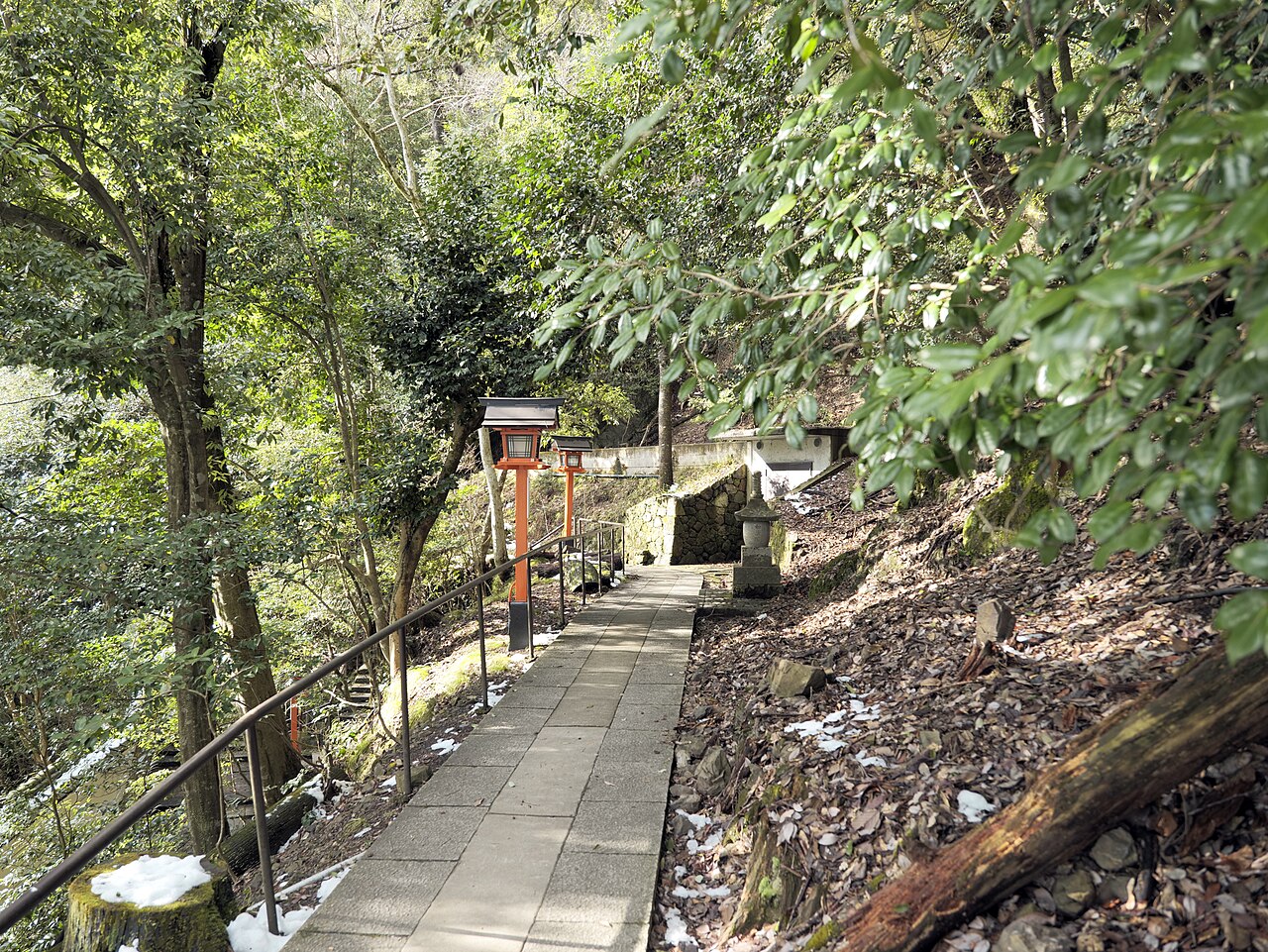
The scenic Kurama-to-Kibune mountain hike (about 2.5–3 hours) passing the Okunoin and Maō-den
A prime spot for fiery red maples in mid-November, plus the Reihōden museum holding National Treasure statues and relics
Good to know
SeasonThe Kurama Fire Festival at Yuki Shrine every October 22 draws over 10,000 people into a tiny village; lanes become dangerously packed and access is restricted once the torches are lit. Arrive early and mind the crush.
SafetyThe Kurama–Kibune trail has exposed tree roots, uneven stone steps and steep up-and-down sections. Wear grippy trail shoes and take extra care after rain or during leaf-fall season.
MannersThe whole mountain is a sacred site of worship and ascetic practice. Keep quiet at the main hall and Kongōshō, and avoid photographing worshippers mid-prayer.
RulesThe main hall's gate hours (roughly 9:00–16:15) and cable-car service are fixed, so a late arrival leaves little time to descend. Confirm closing and last-departure times before you go.
SeasonBeing up the mountain, it is cooler than downtown Kyoto and gets dark early. Expect snow and ice in winter, insects and sudden showers in summer, and note that cable-car hours change by season.
Practical info
Start on foot from Kurama Station on the Eizan Railway. The mountain entry fee (aizanhi) is around ¥500 (free for children through middle school), the cable-car donation about ¥200 one way, and the Reihōden museum roughly ¥200 extra — but confirm current fees and hours on the official site before visiting. Reaching the main hall takes about 30–40 minutes on foot, or roughly 10 minutes with the cable car plus a short walk.
On-site reviews📍 Verified on-site
No reviews yet. If you are here, be the first to leave one.