Kifune Shrine in Sakyo Ward, Kyoto, honors Takaokami-no-kami, the god of water, and is the head shrine of roughly 2,000 water-deity shrines across Japan, with a history spanning more than 1,300 years. Its signature sight is a stone staircase lined with vermilion lanterns, and it is famous for the mizuura mikuji 'water fortune' whose text appears only when floated on sacred water, and for its matchmaking blessings. The classic visit is a three-shrine walk: Honmiya (main), Yui-no-yashiro (middle), and Okunomiya (inner).
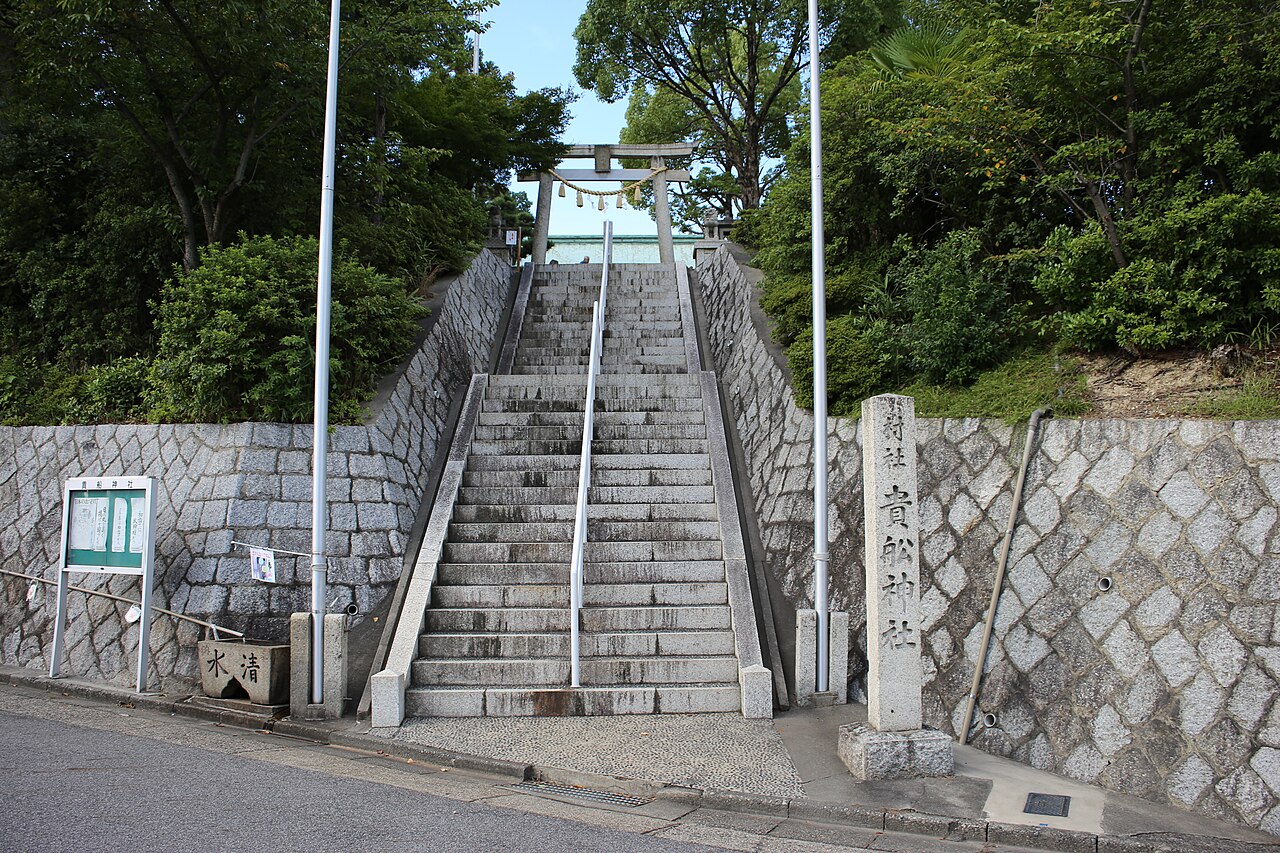
The vermilion-lantern stone staircase — one of Kyoto's most photographed shrine approaches
Mizuura mikuji water fortune — a blank slip reveals your fortune when floated on the sacred spring; a QR code offers translations including English/Korean/Chinese (about 300 yen, confirm latest)
Yui-no-yashiro, the matchmaking shrine — enshrines Iwanaga-hime-no-mikoto; linked to the Heian poet Izumi Shikibu whose prayer is said to have been granted
Okunomiya and the 'ryuketsu' dragon hole — a mystical inner shrine counted among Japan's three great dragon holes; Kifune is also the birthplace of ema votive plaques
Seasonal scenery — summer kawadoko dining over the river, autumn foliage lantern illuminations, and rare snow-day-only winter light-ups
Good to know
SafetyIn winter the approach and famous steps ice over and get very slippery; wear non-slip footwear and use the handrails. Many stretches have no street lighting, so take extra care after dark.
RulesThe shrine has no parking and the mountain road is narrow and prone to icing in winter. Use public transport (Eizan Railway plus Kyoto Bus route 33) rather than a private car.
SeasonThe snow light-up is held only on weekends/holidays when snow has actually accumulated, and whether it runs is announced only around 3 p.m. that day on the shrine's official social media. It cannot be booked in advance — always check before you go.
MannersOkunomiya is known as the origin of the ushi-no-koku-mairi curse ritual and is a solemn sacred site. Avoid disruptive or novelty photography and keep quiet and respectful when praying.
SafetyDuring autumn-foliage and snow light-ups crowds surge, and the bus between Kibuneguchi Station and Kibune may fill up. Plan for the roughly 30-minute walk as a backup and check last-train/last-bus times.
Practical info
Free admission. Main shrine gate open 6:00-20:00 (May 1-Nov 30) and 6:00-18:00 (Dec 1-Apr 30); the amulet/fortune/goshuin office runs 9:00-17:00 year-round (confirm latest). Access: take the Eizan Railway to Kibuneguchi Station, then Kyoto Bus route 33 to the 'Kibune' stop and walk about 5 minutes (or walk roughly 30 minutes from the station).
On-site reviews📍 Verified on-site
No reviews yet. If you are here, be the first to leave one.