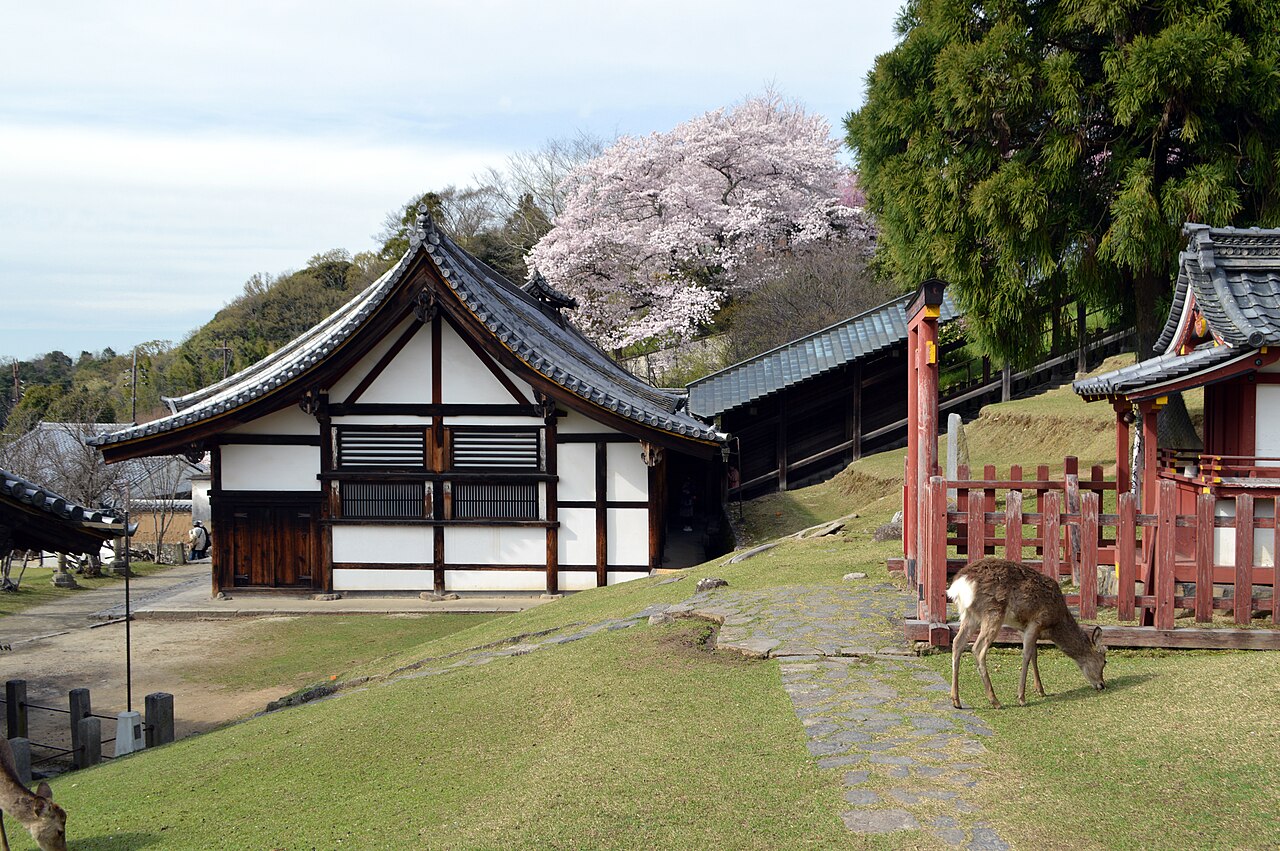
Kasuga Taisha (Kasuga Grand Shrine) is a roughly 1,300-year-old Shinto shrine at the foot of Mount Mikasa in Nara, founded in the 8th century to enshrine the tutelary deities of the powerful Fujiwara clan. Its vermilion-lacquered halls and cloisters, set within an ancient sacred forest, hold around 3,000 dedicated lanterns (about 2,000 stone lanterns and 1,000 hanging bronze lanterns), earning it the nickname the 'shrine of lanterns.' It was inscribed in 1998 as part of the UNESCO World Heritage Site 'Historic Monuments of Ancient Nara.'
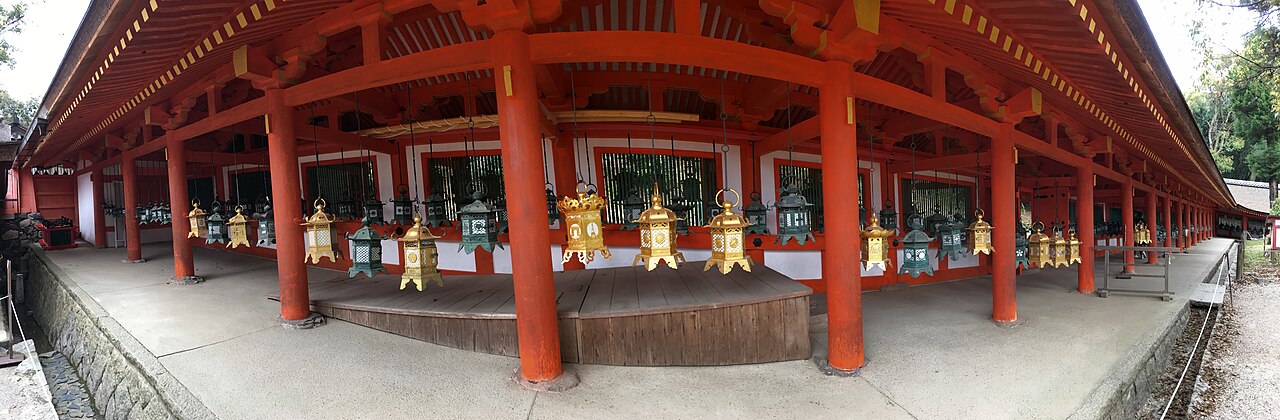
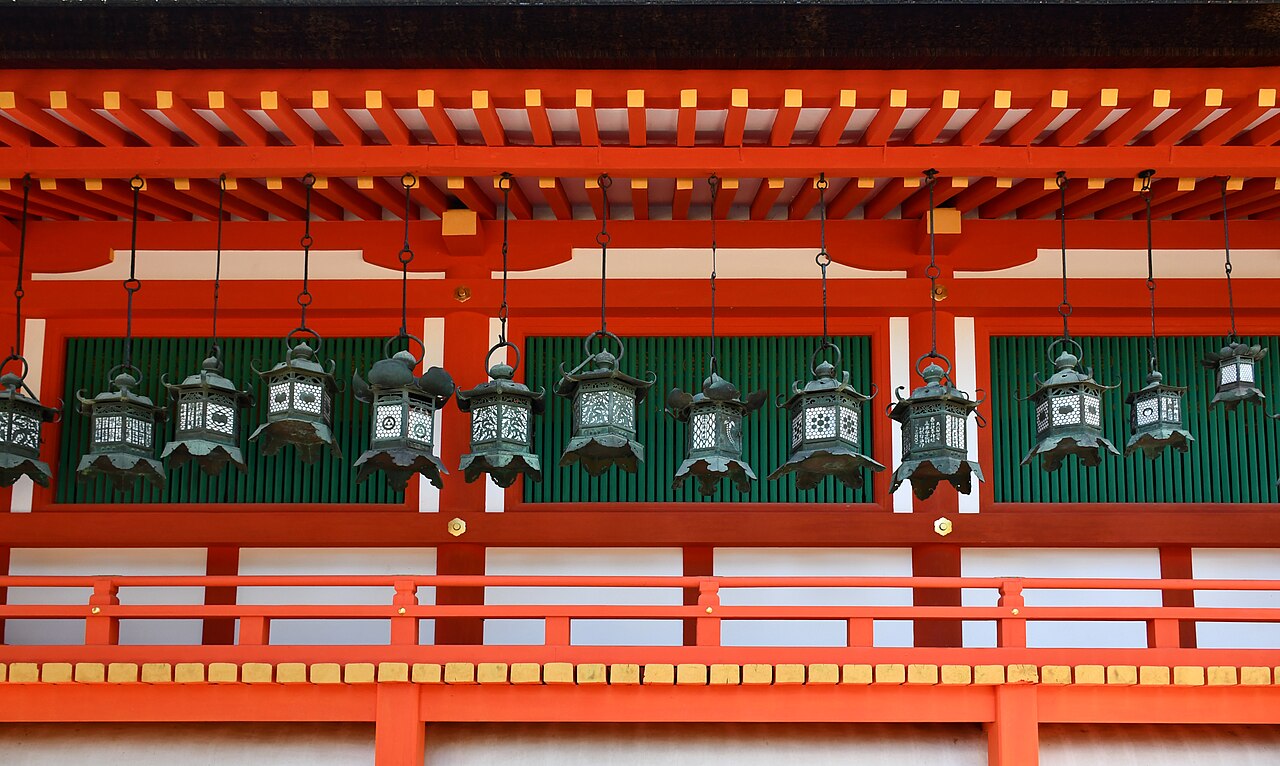
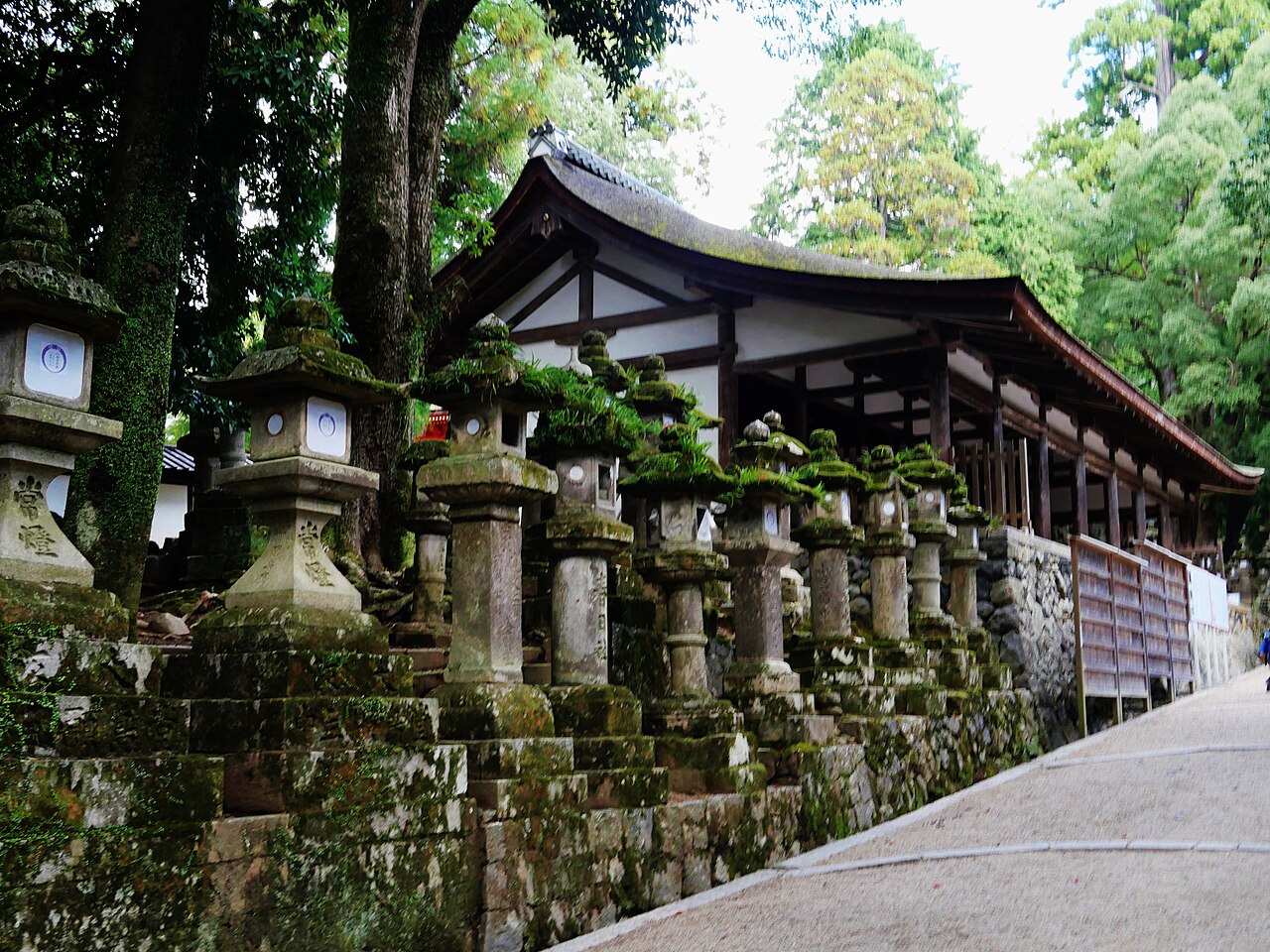
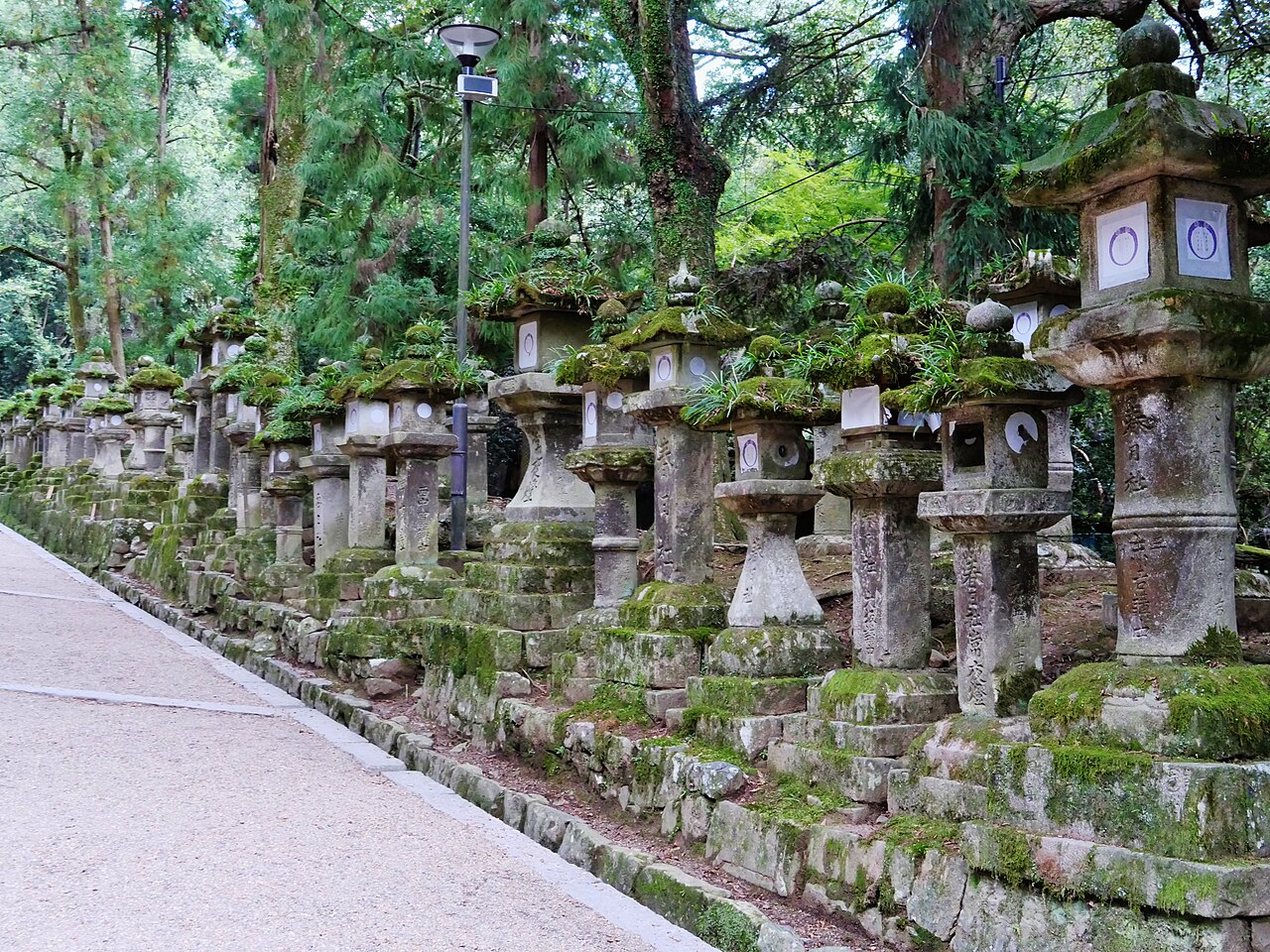
Moss-covered rows of roughly 2,000 stone lanterns lining the approach, plus around 1,000 bronze lanterns hanging along the cloisters
Vivid vermilion main sanctuary and corridors, National Treasure architecture enshrining the Fujiwara clan's guardian deities
The Mantoro festivals, held only twice a year (Setsubun Mantoro on Feb 3 and Chugen Mantoro on Aug 14-15), when every lantern is lit
Paid Special Worship inside the inner cloister and the National Treasure Hall (museum) displaying priceless relics
Famous wisteria (fuji) blossoms in spring and the four-season scenery of the primeval Mount Mikasa forest
Worshipping amid Nara's freely roaming sacred deer, considered messengers of the gods
Good to know
SafetyDeer roam the grounds and surrounding Nara Park. They are wild animals: teasing them by withholding deer crackers can prompt biting, head-butting, or kicking with front hooves, so handle feeding carefully.
MannersTo feed deer crackers, prompt the deer to 'bow' and give the cracker promptly; if you have no food, raise your open hands to show it. Keep maps, plastic bags, and tickets in your bag, as deer will grab them.
RulesPets, drones, and smoking are prohibited throughout the grounds. Photography may be restricted in some sacred areas such as the main sanctuary and Special Worship zones, so follow posted guidance.
SeasonDeer can be more aggressive during the spring birthing season (May-July) and the autumn rutting season (September-November); do not approach mother deer with fawns.
SeasonThe lanterns are actually lit only on the evenings of the February Setsubun and August Chugen Mantoro festivals. On ordinary daytime visits they are unlit, so check festival dates if you want to see them glowing.
Practical info
Entry to the shrine grounds is free; the Special Worship of the inner cloister and the National Treasure Hall (museum) each charge separate admission. Opening hours vary by season (roughly Mar-Oct 6:30-17:30, Nov-Feb 7:00-17:00; Special Worship 9:00-16:00). Fees, hours, and rules can change, so confirm the latest details on the official website before visiting. About a 25-minute walk from Kintetsu Nara Station, or take a bus bound for the 'Kasuga Taisha Honden' stop.
On-site reviews📍 Verified on-site
No reviews yet. If you are here, be the first to leave one.