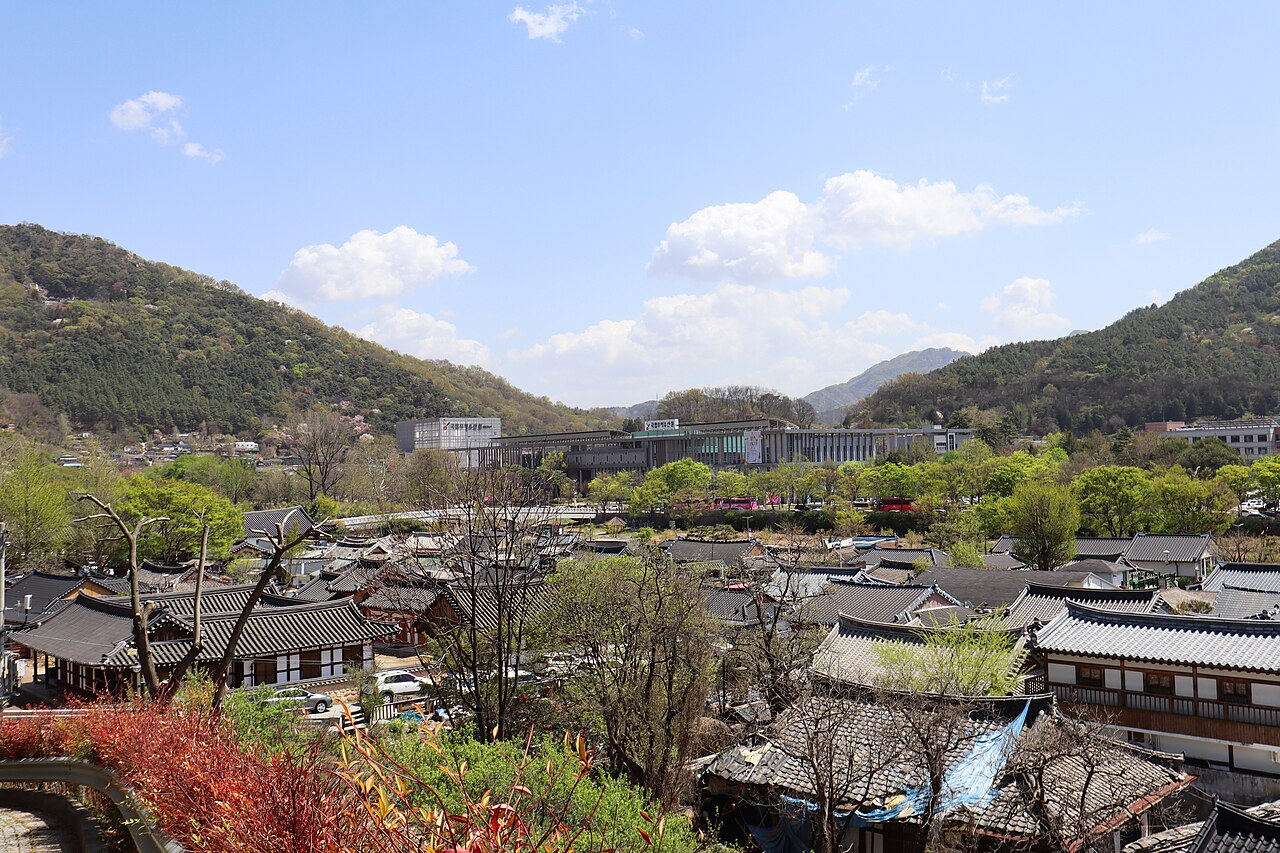
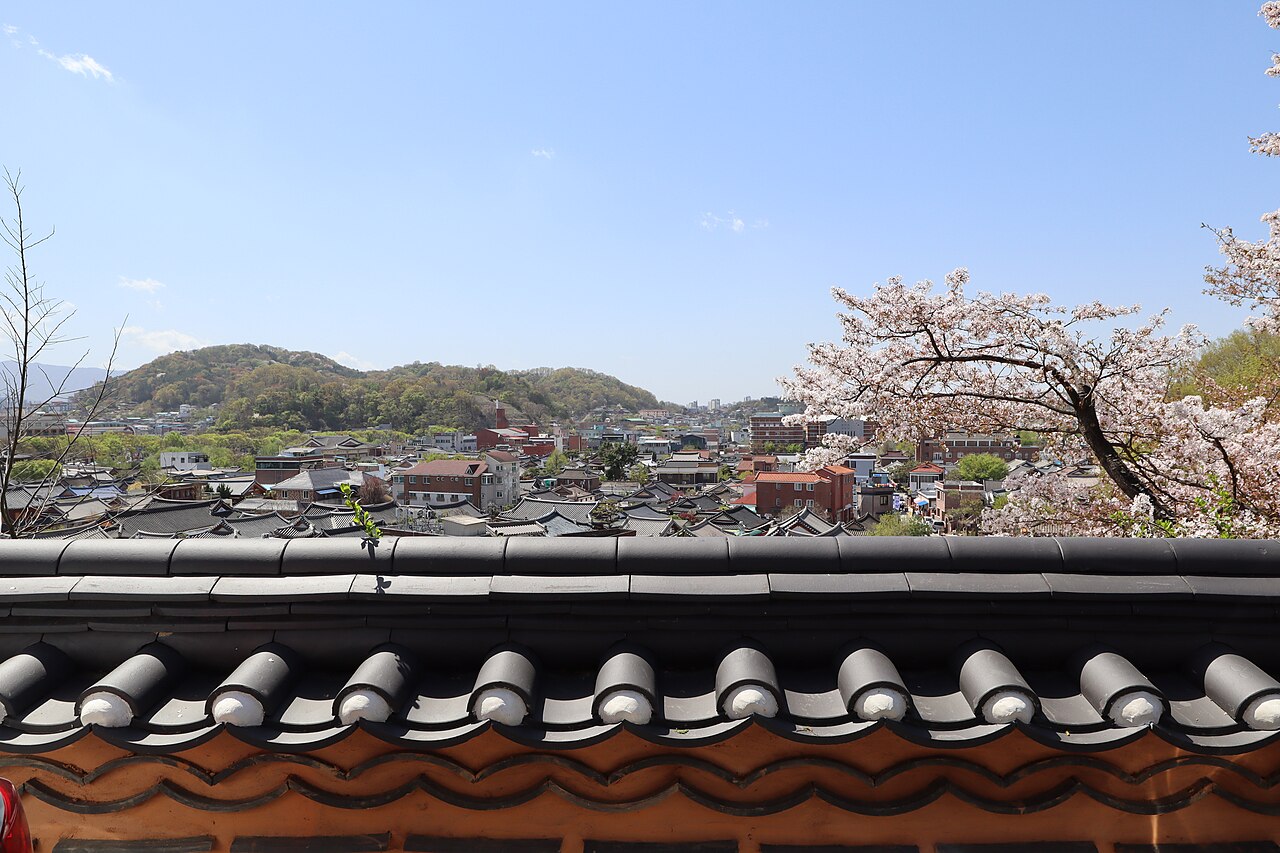
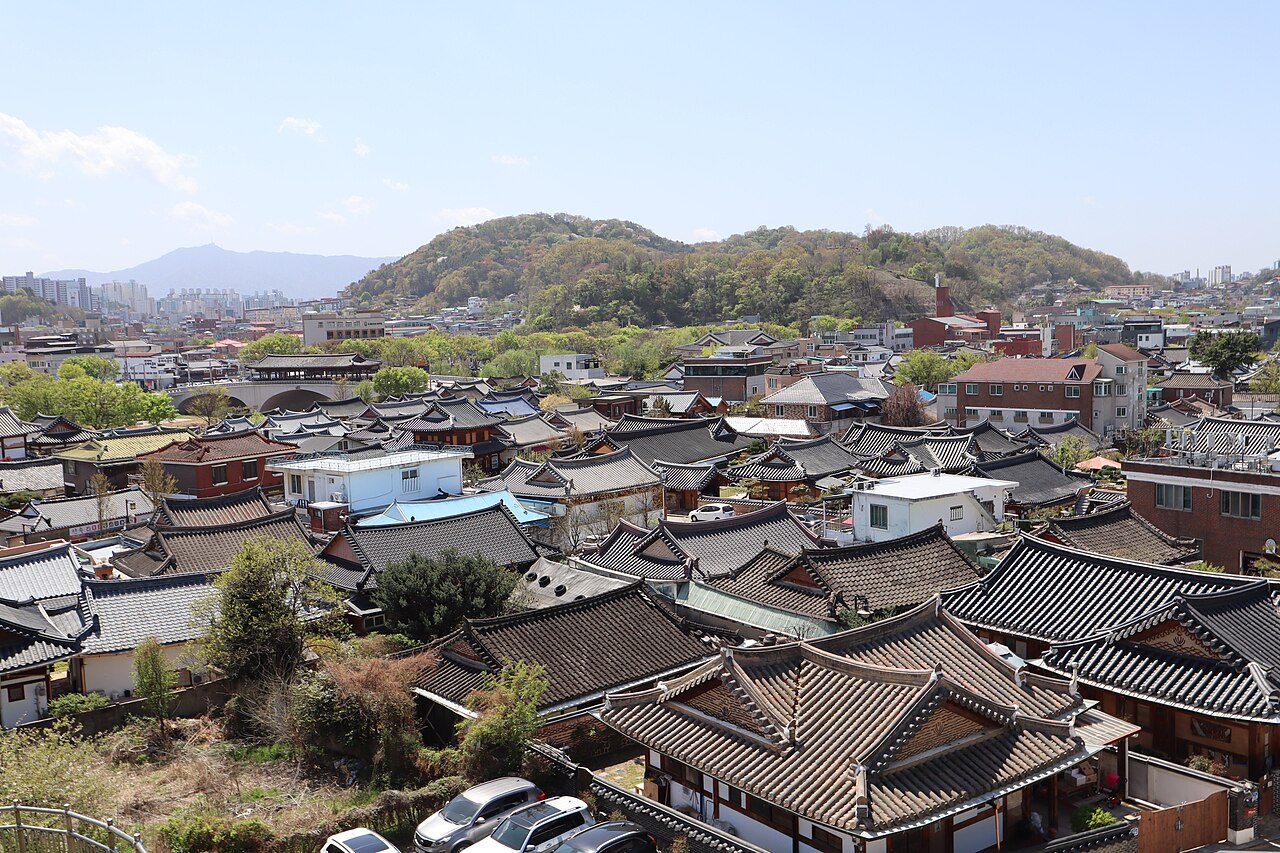
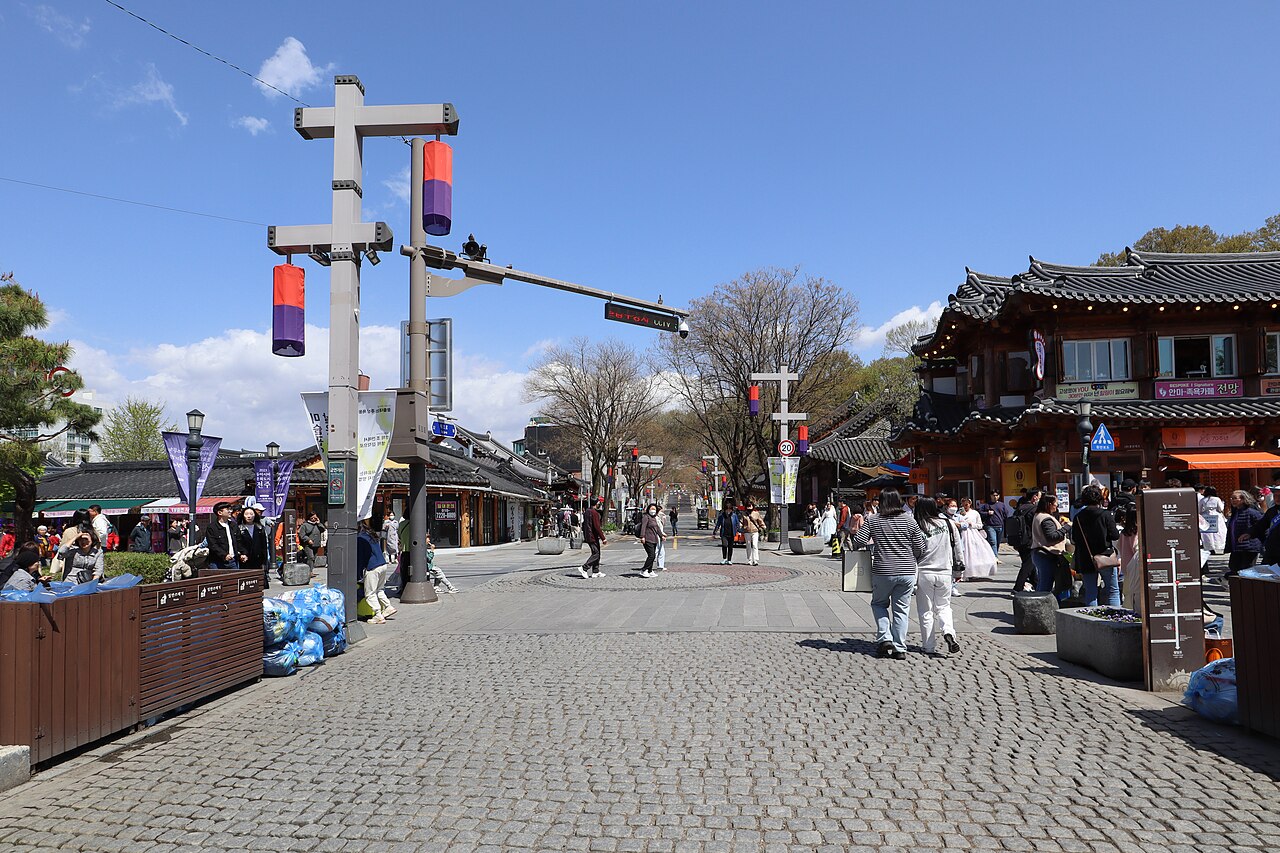
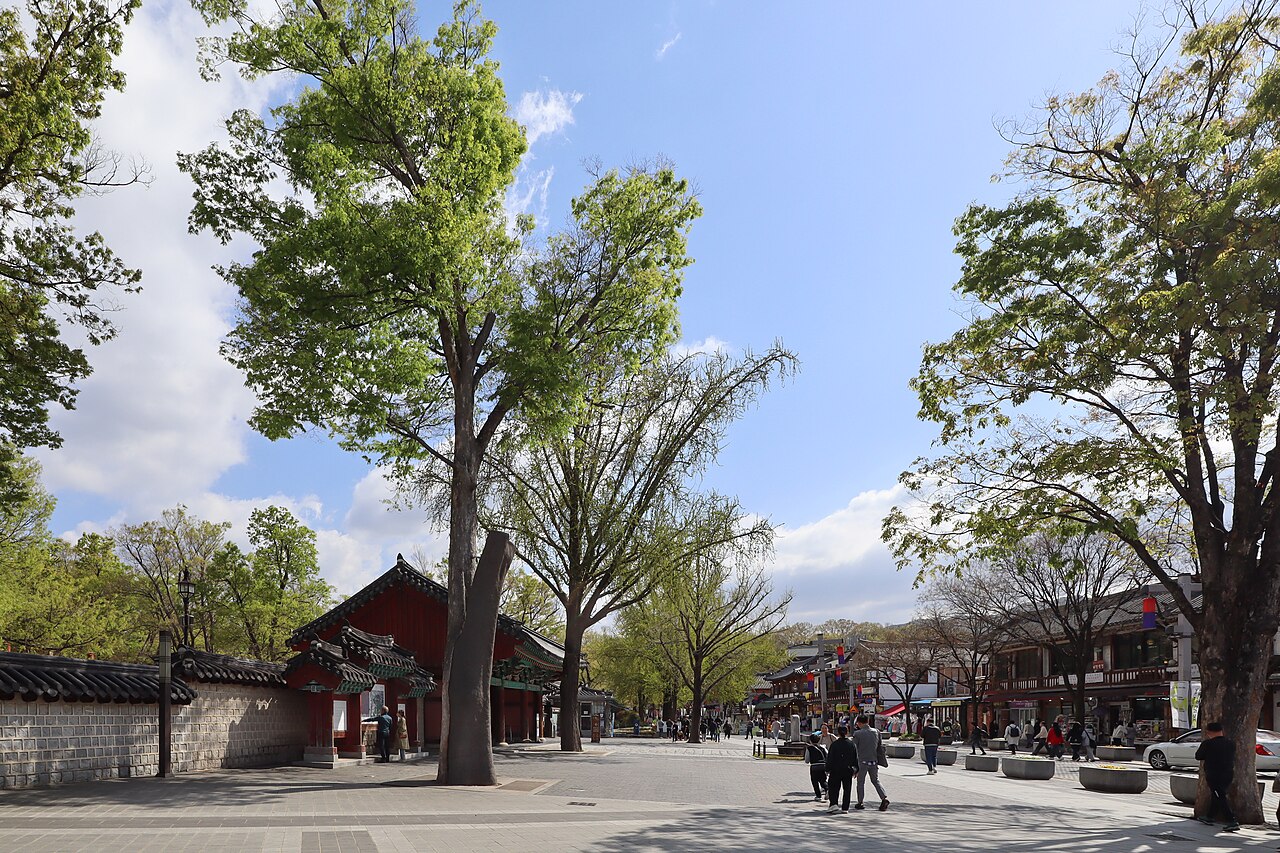
Jeonju Hanok Village is Korea's largest urban cluster of traditional hanok houses, with around 700 tiled-roof homes packed into a downtown neighborhood, and it holds official Slow City status. Regarded as the ancestral home of the Joseon dynasty, the village grew from the early 1900s around Gyeonggijeon Shrine, which enshrines the portrait of King Taejo. Renting a hanbok, strolling the alleys, and tasting Jeonju specialties like bibimbap and bean-sprout soup are the classic ways to enjoy it.
Gyeonggijeon Shrine: A shrine founded in 1410 that enshrines the royal portrait of King Taejo; the on-site Royal Portrait Museum is included.
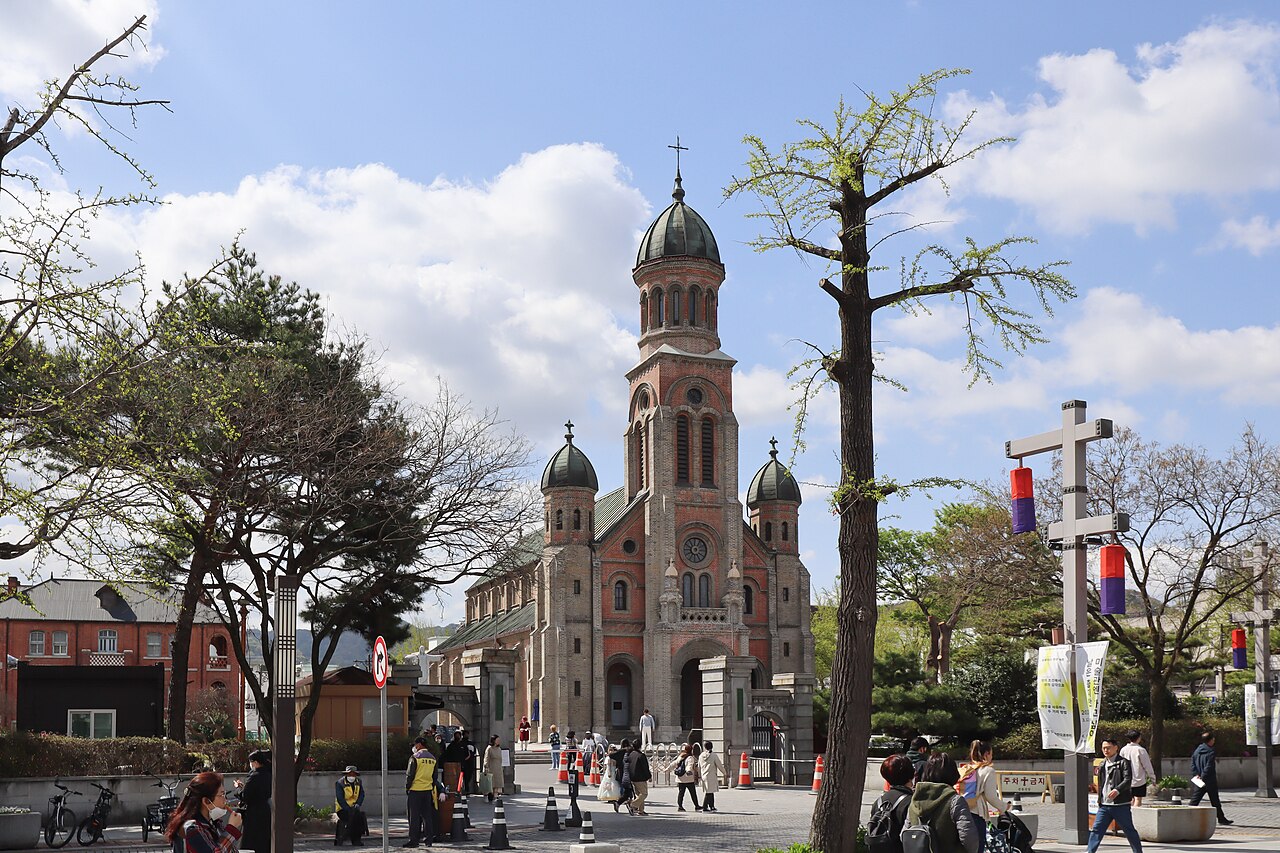
Jeondong Cathedral: An elegant 1914 red-brick Romanesque church built on an early Catholic martyrdom site, and a favorite photo spot against the hanok rooftops.
Omokdae Pavilion: A hilltop with a sweeping view over the village, said to be where Yi Seong-gye celebrated a victory over Japanese raiders.
Jeonju Hyanggyo: A Joseon-era Confucian school famous for a roughly 400-year-old ginkgo tree that blazes gold in autumn.
Jaman Mural Village and Nambu Night Market: Painted alleyways by day and lively street-food stalls by night.
Good to know
RulesGyeonggijeon charges admission (around 3,000 won for adults; confirm the latest rate) with last entry an hour before closing. Hours shift by season, so check before you go.
MannersDespite the touristy feel, many hanok are lived-in homes. Do not photograph over walls, enter private courtyards, or make noise late at night.
SeasonOn weekends, holidays, and during cherry-blossom or autumn-foliage season the alleys get shoulder-to-shoulder and parking is chaotic. Visit on a weekday and use public transit.
SafetyRooftop guesthouse parties, late-night revelers, air-conditioner units, and stray cats can make nights noisy. If sleep matters, consider lodging on the village's outskirts.
CautionHanbok rentals are priced by time block (e.g., 90 min, 2.5 hr, 4 hr); late returns, accessories, and hair styling may cost extra, so confirm the full total before renting.
Practical info
The alleys are free to walk; only Gyeonggijeon charges (about 3,000 won for adults - confirm latest). Gyeonggijeon opens roughly 09:00-18:00 to 20:00 depending on season, last entry one hour before close. From Seoul, take a KTX from Yongsan to Jeonju (about 1h40m-2h20m) or an express bus from Central City Terminal (about 2h45m); then a local bus (routes such as 5-1 or 79) to the village. Info: +82-63-282-1330.
On-site reviews📍 Verified on-site
No reviews yet. If you are here, be the first to leave one.