The Japanese Garden of Buenos Aires (Jardín Japonés), set inside Parque 3 de Febrero in the Palermo district, is a roughly 2.5-hectare stroll-style pond garden regarded as the largest Japanese garden outside Japan. It was created in 1967 to honor the visit of Japan's then-Crown Prince Akihito and Princess Michiko, designed by landscape engineer Yasuo Inomata, and has been run by the Argentine-Japanese Cultural Foundation since 1989. Declared a National Historic Interest site in 2009, it remains a beloved urban refuge and, as of 2026, operates normally with koi ponds, a tea house, a cultural center and a Japanese restaurant. Because July falls in the Southern Hemisphere winter, expect a quiet, serene garden rather than cherry blossom — ideal for an unhurried walk.
The red arched 'God bridge' (Puente de la Buena Salud) and the zigzag yatsuhashi bridge crossing the central pond — the garden's signature photo spots
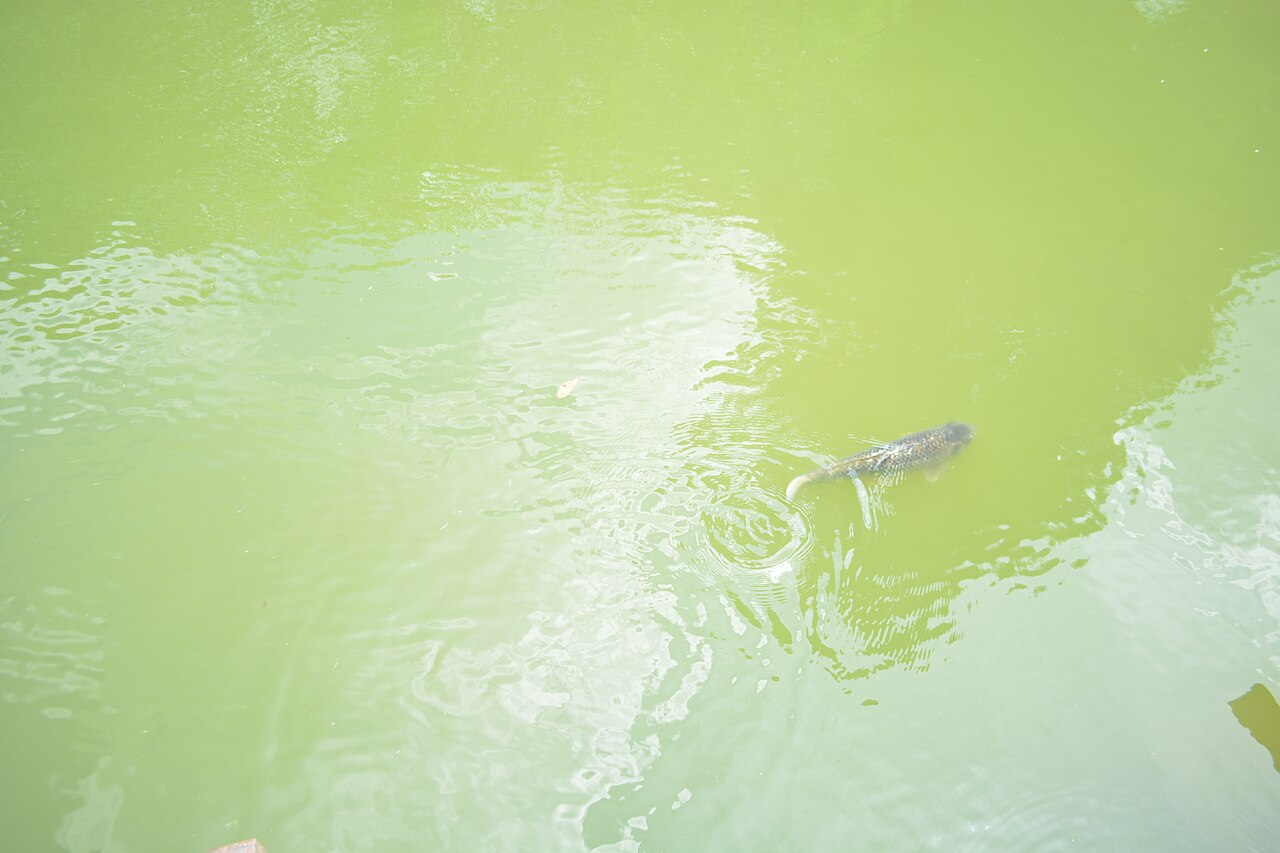
The colorful koi carp ponds, where feeding is allowed only with food bought at the on-site nursery
The chashitsu tea house for traditional tea-ceremony experiences, framed by stone lanterns and carefully placed garden rocks
Seasonal planting — cherry trees and azaleas in spring, evergreens and camellias in winter — blended with native Argentine tipa and palo borracho trees
The Japanese restaurant, greenhouse nursery and cultural center with rotating exhibitions plus ikebana and bonsai activities
Good to know
SeasonJuly is winter in Argentina (Buenos Aires averages roughly 8-16°C). There are no cherry blossoms and it can be chilly, so bring a jacket. Sakura bloom in spring, from late September into October.
SafetyPalermo is relatively safe, but petty theft and pickpocketing occur on the Line D subway and in crowds. Wear your bag in front and avoid flashing your phone or wallet.
RulesNon-resident admission is significantly higher than the resident rate and is bought at the on-site box office; carry your passport. Prices and hours change often with inflation, so confirm the latest details on the official site before visiting.
MannersThis is a contemplative space: keep your voice low, do not feed the koi with anything other than the nursery's food, and don't touch the plants or landscaping stones. Staying on the marked paths is expected etiquette.
CautionChange money only through official channels and watch for counterfeit peso notes. Use ride-hailing apps (Cabify, Uber, DiDi) to avoid taxi overcharging; restaurant tips are typically around 10%.
SafetyThe subway and buses require a rechargeable SUBE transit card rather than cash — buses do not accept coins or bills — so top up a card in advance.
Practical info
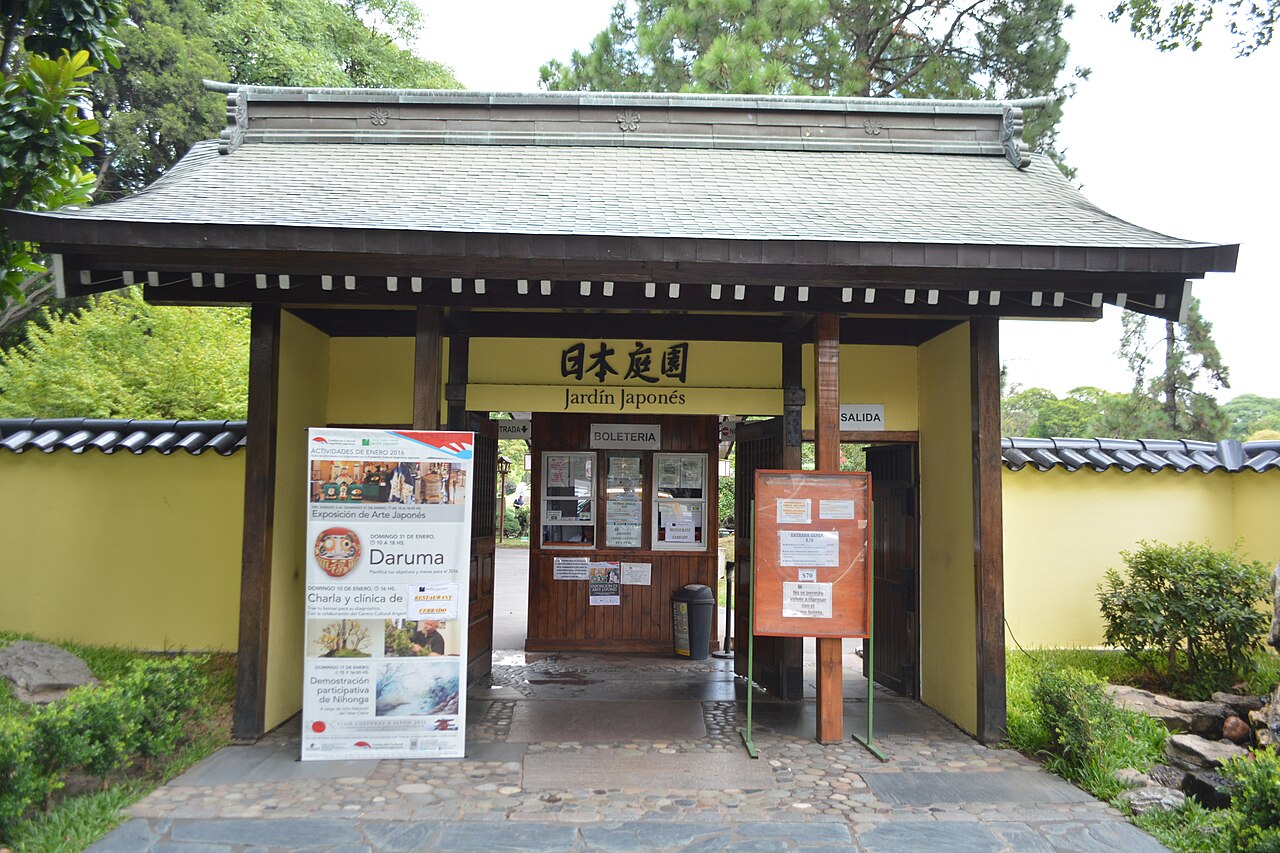
Take Subway Line D (green) to Plaza Italia station and walk about 8 blocks toward the Eco Park; numerous bus lines (e.g. 67, 102, 130) stop nearby. The entrance is at Av. Casares 3450, Palermo. It is open daily 10:00-18:30 (ticket office closes 18:00; open even on rainy days), with separate resident and non-resident tickets — verify exact hours and fares on the official site before you go.
On-site reviews📍 Verified on-site
No reviews yet. If you are here, be the first to leave one.