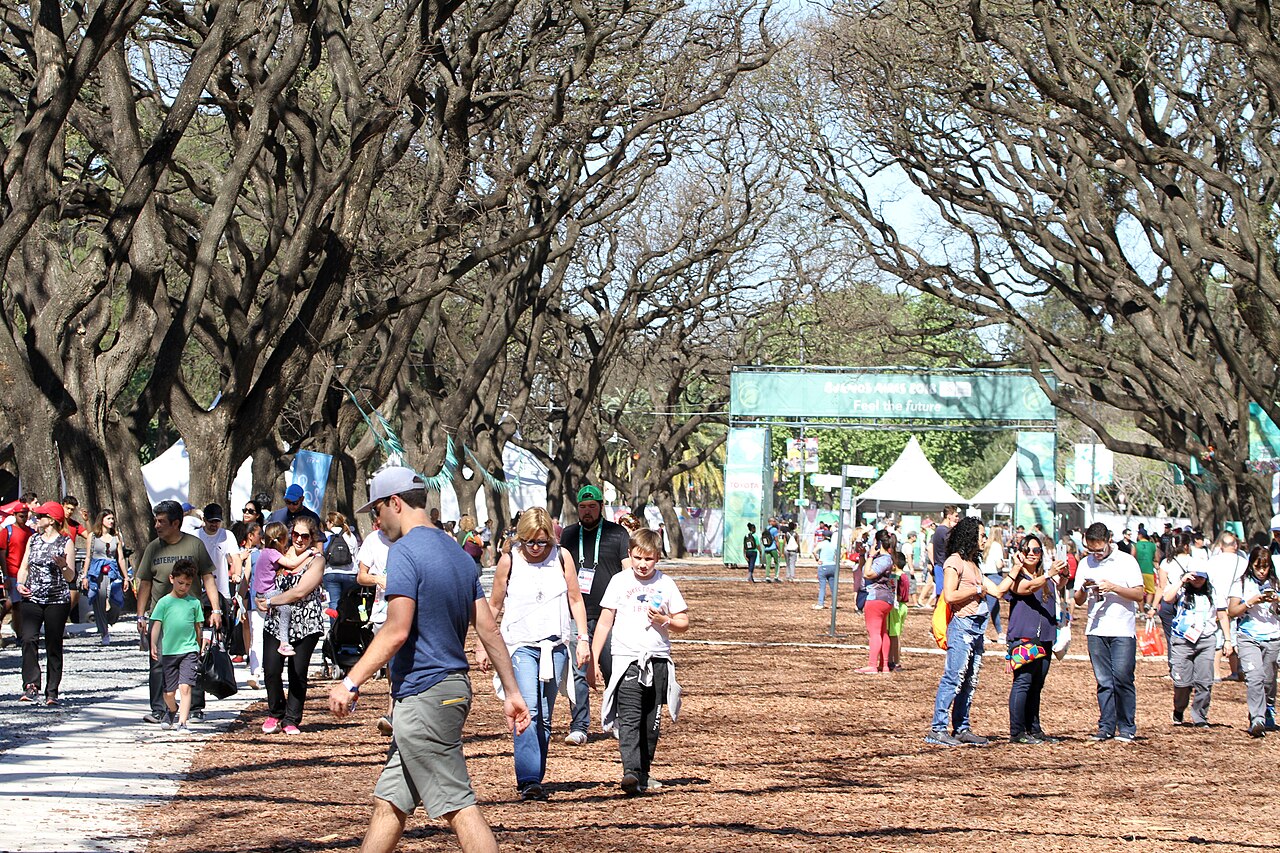
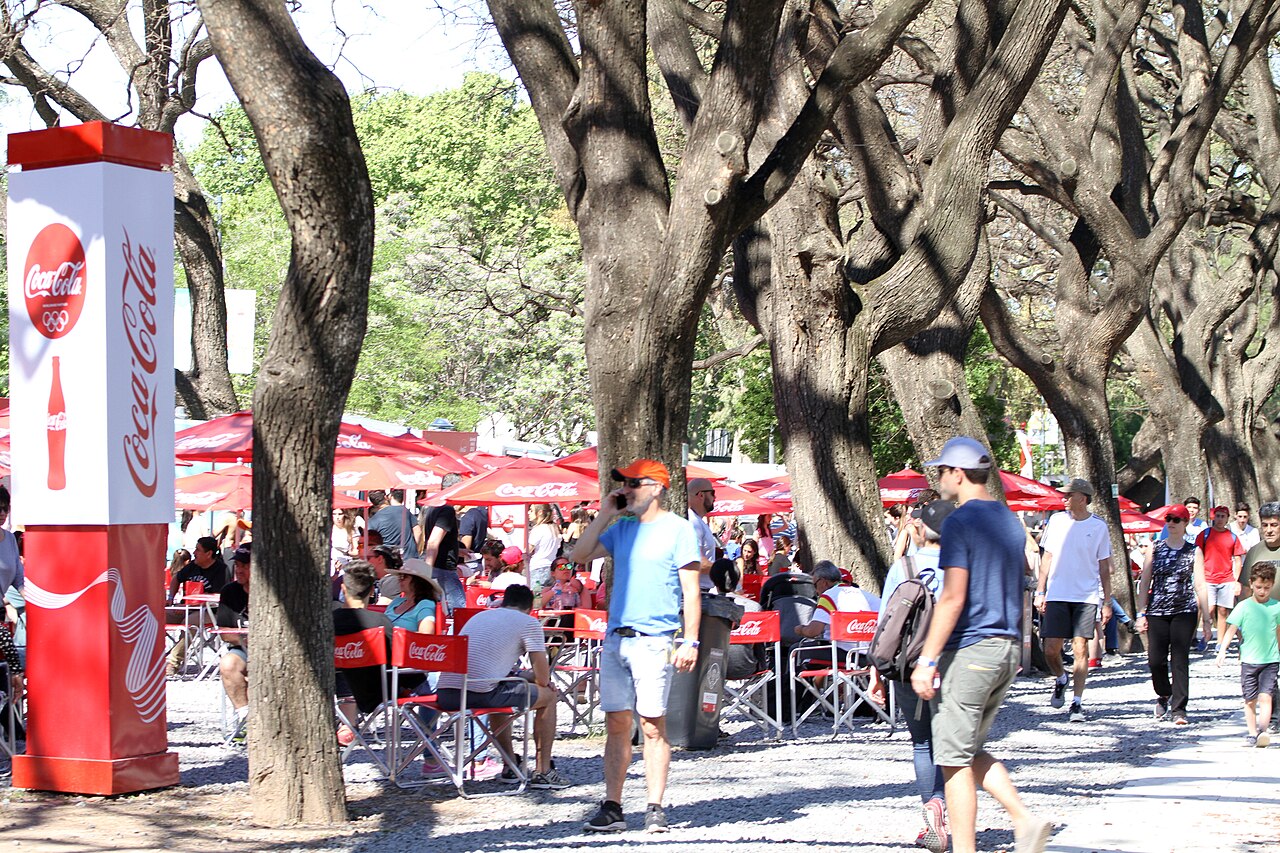
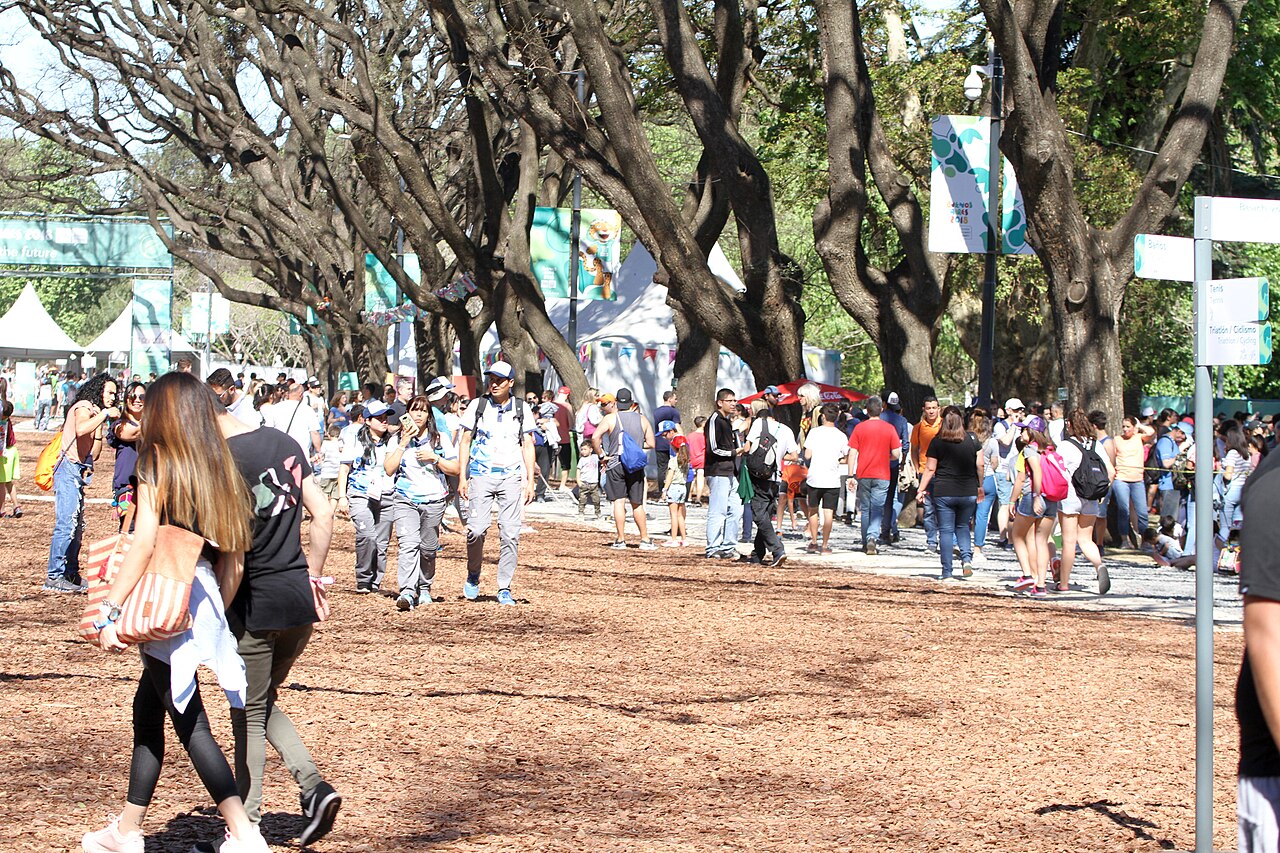
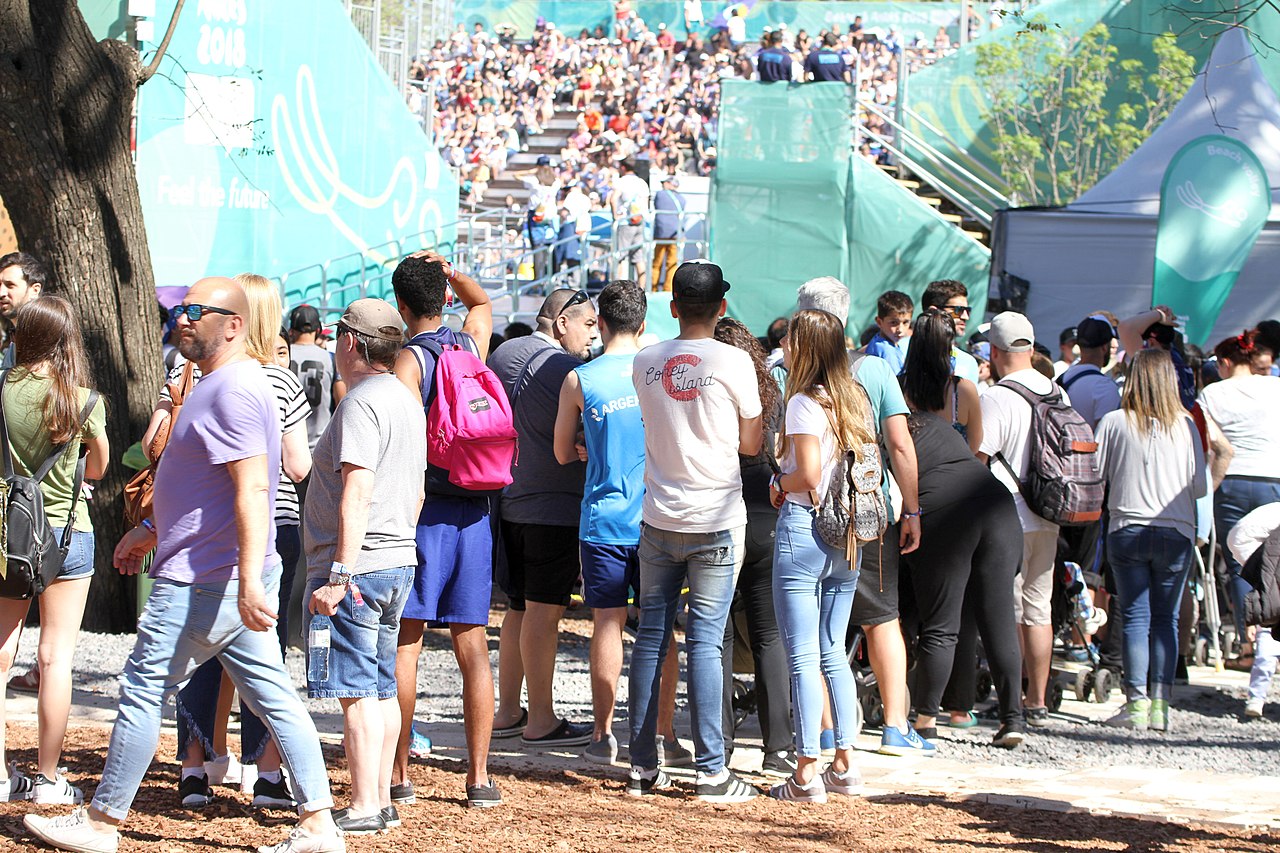
El Rosedal is a 3.4-hectare rose garden set inside Parque Tres de Febrero, the large urban park in Palermo popularly known as the Bosques de Palermo (Palermo Woods) in Buenos Aires. Opened in 1914 from a design by landscape architect Carlos Thays and built by Benito Carrasco, it holds roughly 18,000 rose bushes of more than 1,000 varieties, along with a Greek-style white bridge, a Poets' Garden and an Andalusian patio, making it one of the city's signature strolling spots. Declared Cultural Heritage of Buenos Aires in 2011 and a two-time winner of the World Federation of Rose Societies' Garden Excellence Award (2012, 2014), it is free to enter. Note that July falls in the Southern Hemisphere winter, so the roses are not in full bloom — visit it now as a relaxed green-park-and-lake walk rather than for peak flowers.
A collection of ~18,000 roses in 1,000+ varieties — peak bloom is spring (Sept–Nov), best in October–November
Jardín de los Poetas (Poets' Garden): a walk lined with 26 bronze busts of celebrated writers and poets
The Greek-style white bridge (Puente Blanco) and the lakeside pergola, a rose-covered walkway
Patio Andaluz: a majolica-tiled courtyard with a central fountain, gifted by the city of Seville in 1929
An easy walking loop that ties in the lake's pedal boats and nearby sights (Galileo Galilei Planetarium, Japanese Garden, Botanical Garden)
Good to know
SeasonJuly is mid-winter in the Southern Hemisphere, so most roses are dormant and blooms are sparse. For the roses in full flower, come in spring (Sept–Nov, ideally Oct–Nov). The park stays open in winter, but mornings and evenings are chilly — bring a jacket.
RulesThe fenced rose-garden area (Paseo del Rosedal) closes on Mondays for maintenance and is open Tuesday–Sunday. There is no entry fee or reservation, but opening and closing times change by season, so always confirm the latest hours before you go.
SafetyPalermo is one of the safer parts of Buenos Aires, but pickpocketing remains the main risk. Wear your bag across the front and zipped, and don't stand around staring at your phone. The park is large; avoid isolated sections after dark and prefer daytime visits.
MannersDo not pick roses or climb on the flower beds and sculptures. This is a protected heritage site — keep to the marked paths, and if you picnic, take all your litter with you.
CautionTaxi overcharging and change-swap tricks are common. Use app-based rides (Cabify, Uber) or public transport, and with cash watch for counterfeit notes and short change. The lake's pedal boats and kiosks charge separately — check the on-site price before paying.
SafetyAs of 2026, Buenos Aires public transport runs on the SUBE card (or the SUBE Digital app), and contactless tap-to-pay with foreign Visa/Mastercard is expanding on buses and the subway. Ride the Subte in daytime and keep an eye on your belongings in crowded cars.
Practical info
The nearest metro stop is Plaza Italia on Subte Line D, about a 10-minute walk away; the garden sits around Av. Infanta Isabel 900 and several city bus (colectivo) lines stop nearby. Admission is free with no booking required, but the rose garden's opening hours and Monday closure vary by season, so check the City of Buenos Aires official tourism page for the latest details before visiting.
On-site reviews📍 Verified on-site
No reviews yet. If you are here, be the first to leave one.