The Huguang Guild Hall is a Qing-dynasty guild complex founded in 1759 (24th year of Qianlong) and greatly expanded in 1846 (26th year of Daoguang), comprising the Yuwang Palace, the Guangdong Guild, the Qi'an Guild and adjoining halls across a site of about 18,400 square metres. It is regarded as the largest surviving guild-hall complex in the centre of a Chinese city, listed in 2006 as a National Key Cultural Relics Protection Unit and rated a national AAAA tourist attraction. The site is the principal monument to the "Huguang fills Sichuan" migration — the Qing state's resettlement of people from Hubei, Hunan, Guangdong, Jiangxi and beyond into a depopulated Sichuan — and houses a migration museum opened in 2005, China's first devoted to the subject. Perched above the Yangtze beside the old Dongshuimen gate, it works best as a half-day walk through Chongqing's merchant and immigrant history rather than a quick photo stop.
Yuwang Palace (Temple of Yu the Great) — the ceremonial core honouring the legendary flood-tamer Dayu, with cypress columns roughly 50 cm in diameter, a main hall about 10.65 m in clear height, Eight Immortals carvings and gilded painted beams.
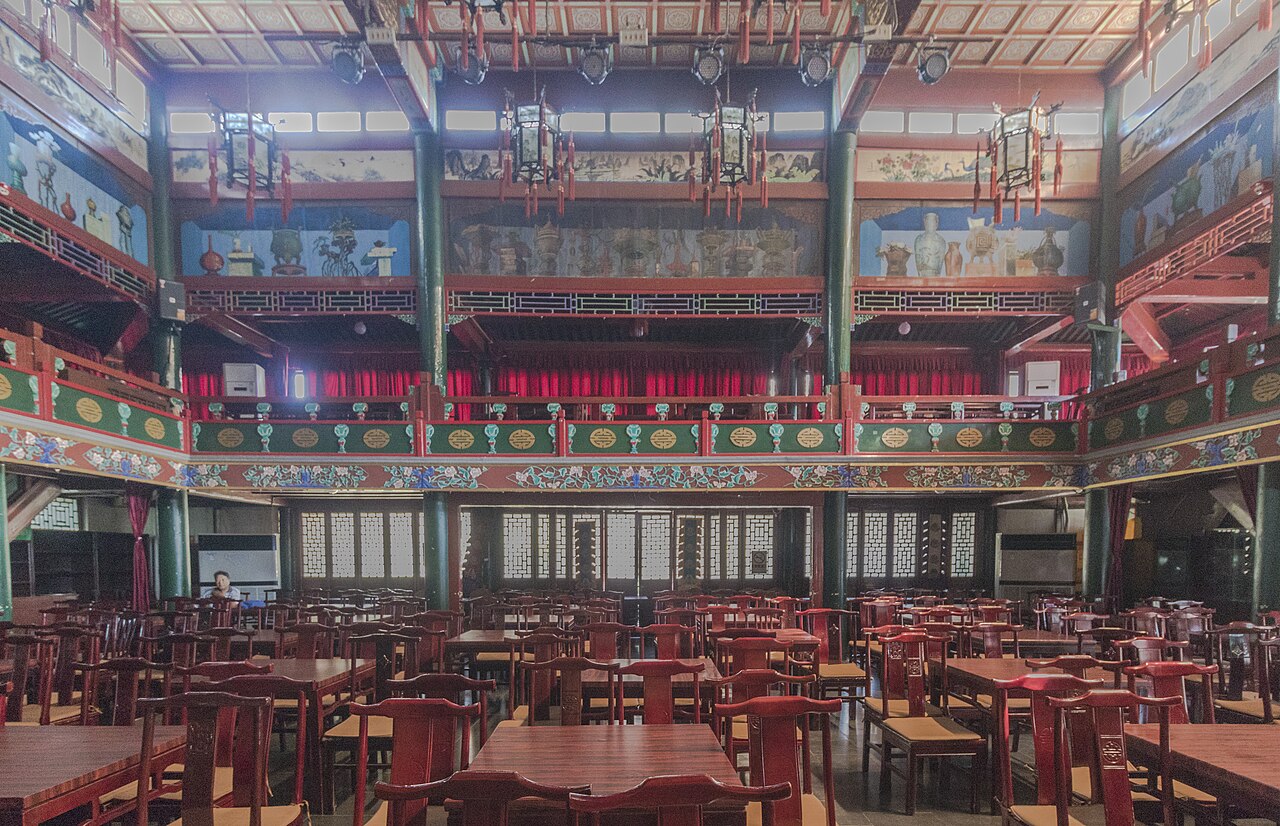
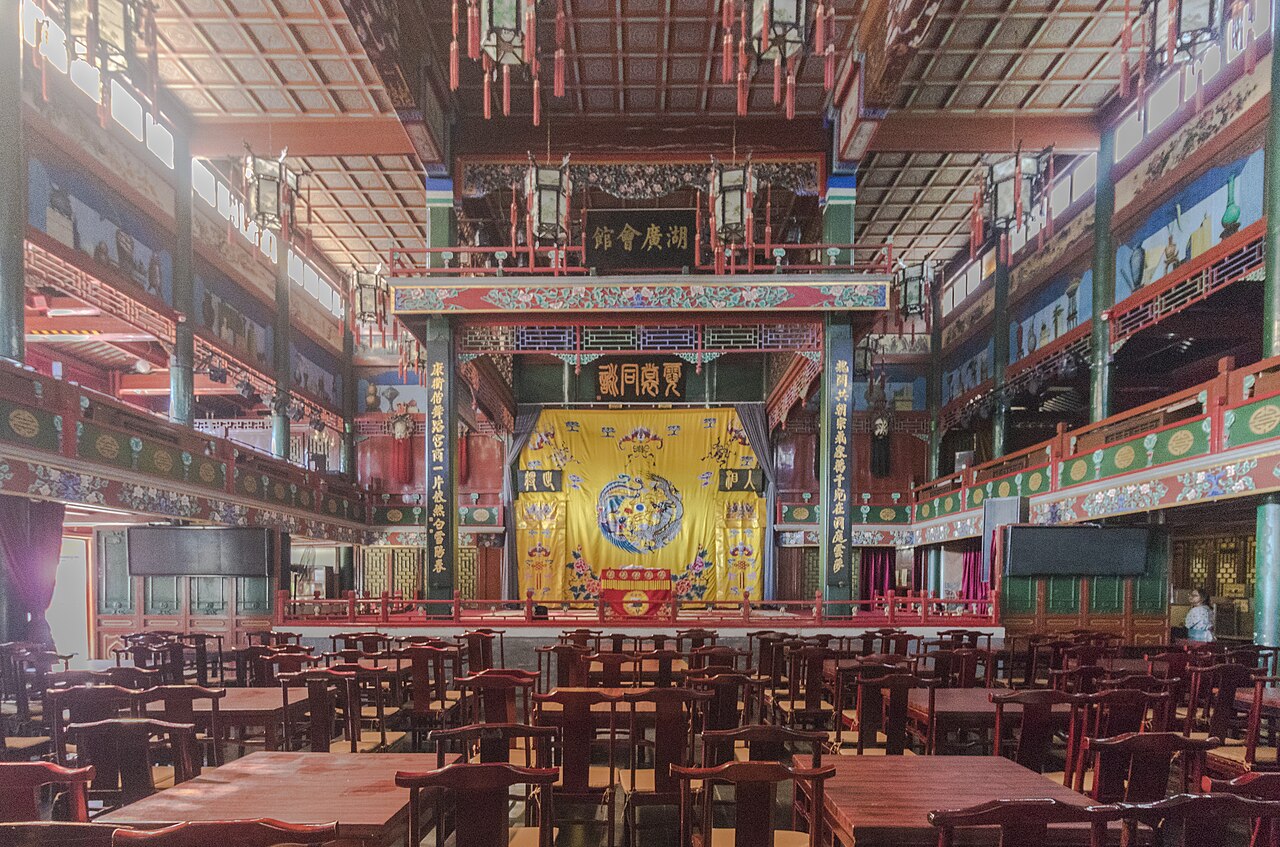
The Guangdong Guild opera stage — the largest theatre in the complex, crowned by an octagonal timber caisson ceiling and a "two dragons playing with a pearl" carving in which the pearl inside the dragon's mouth actually rotates.
The Qi'an Guild — built in 1817 by merchants from Huangzhou in Hubei and rebuilt in 1889, it preserves the most complete stage on the site, along with relief panels contrasting the migrants' ancestral homeland with their new settlement.
The "Huguang Fills Sichuan" Migration Museum — opened in 2005 as China's first migration-themed museum, using multimedia reconstructions of the river and overland routes migrants took into Sichuan.
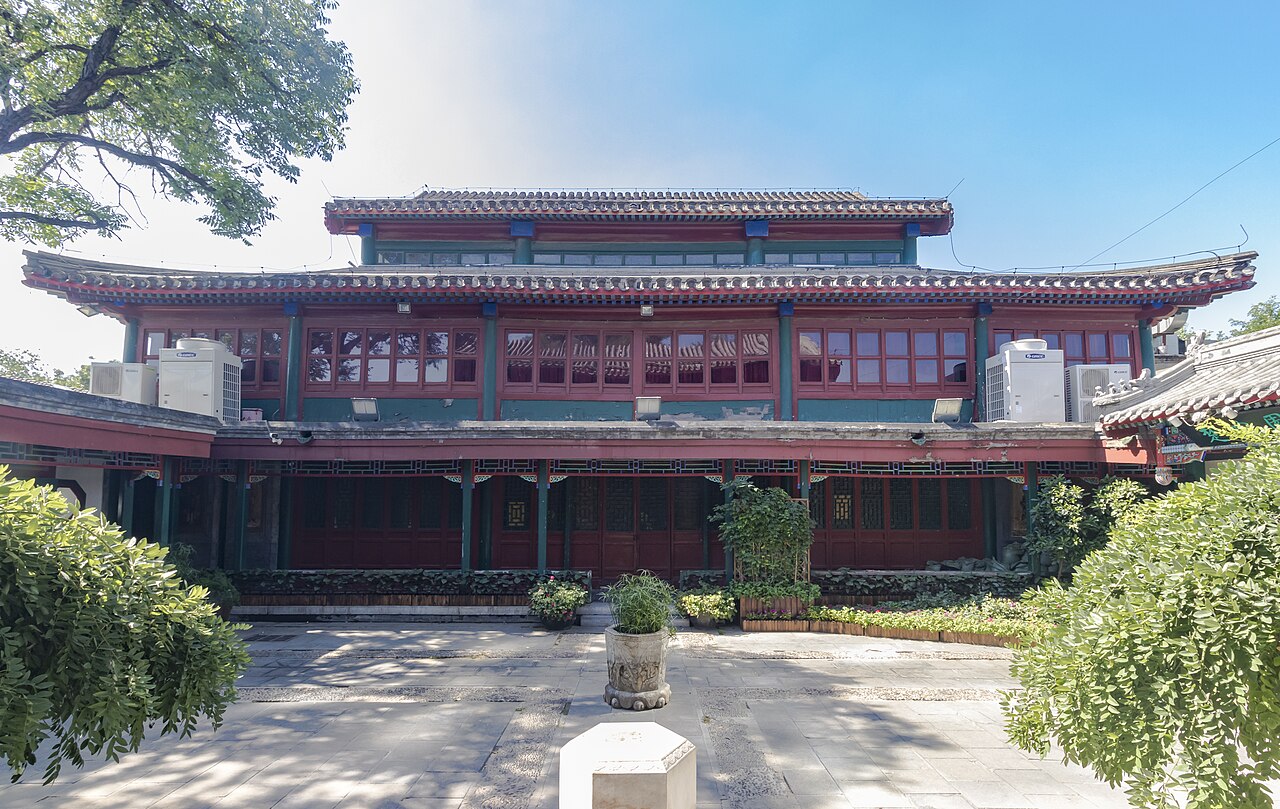
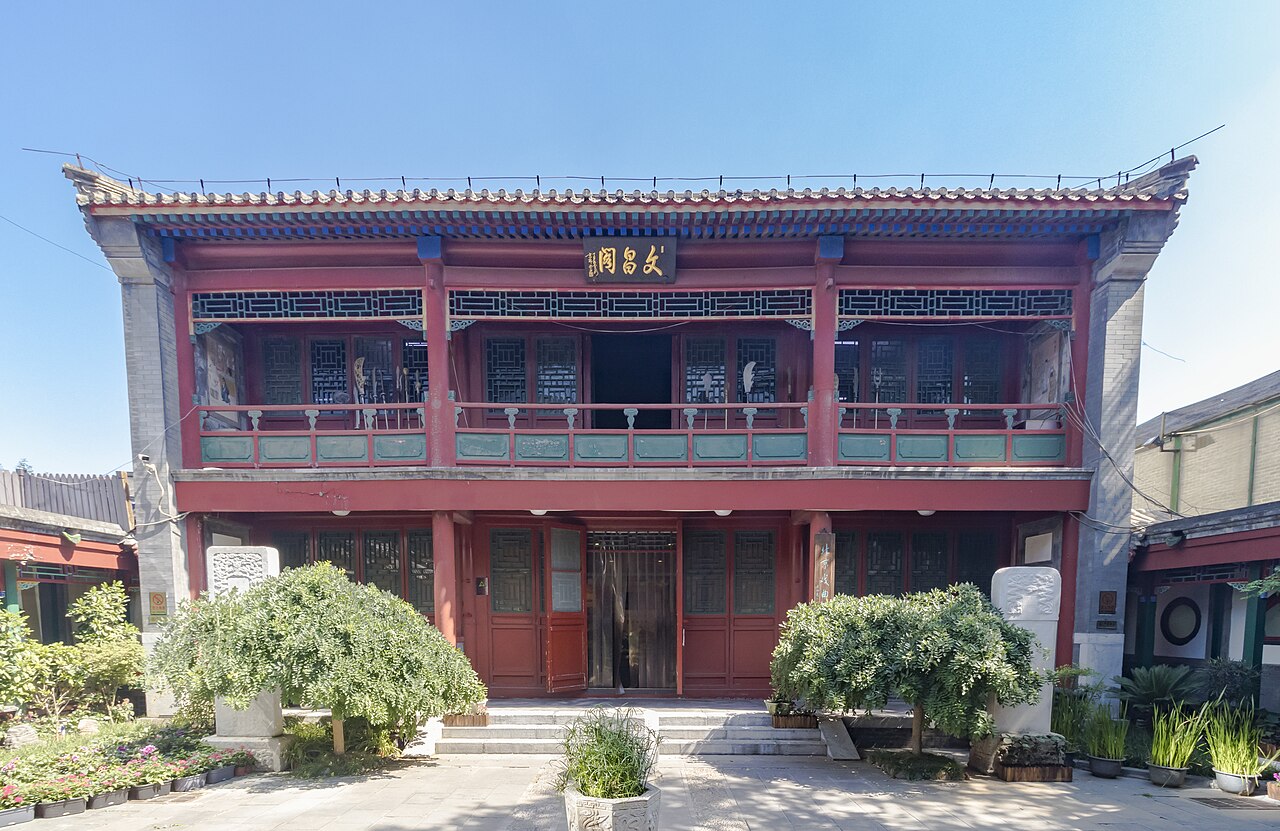
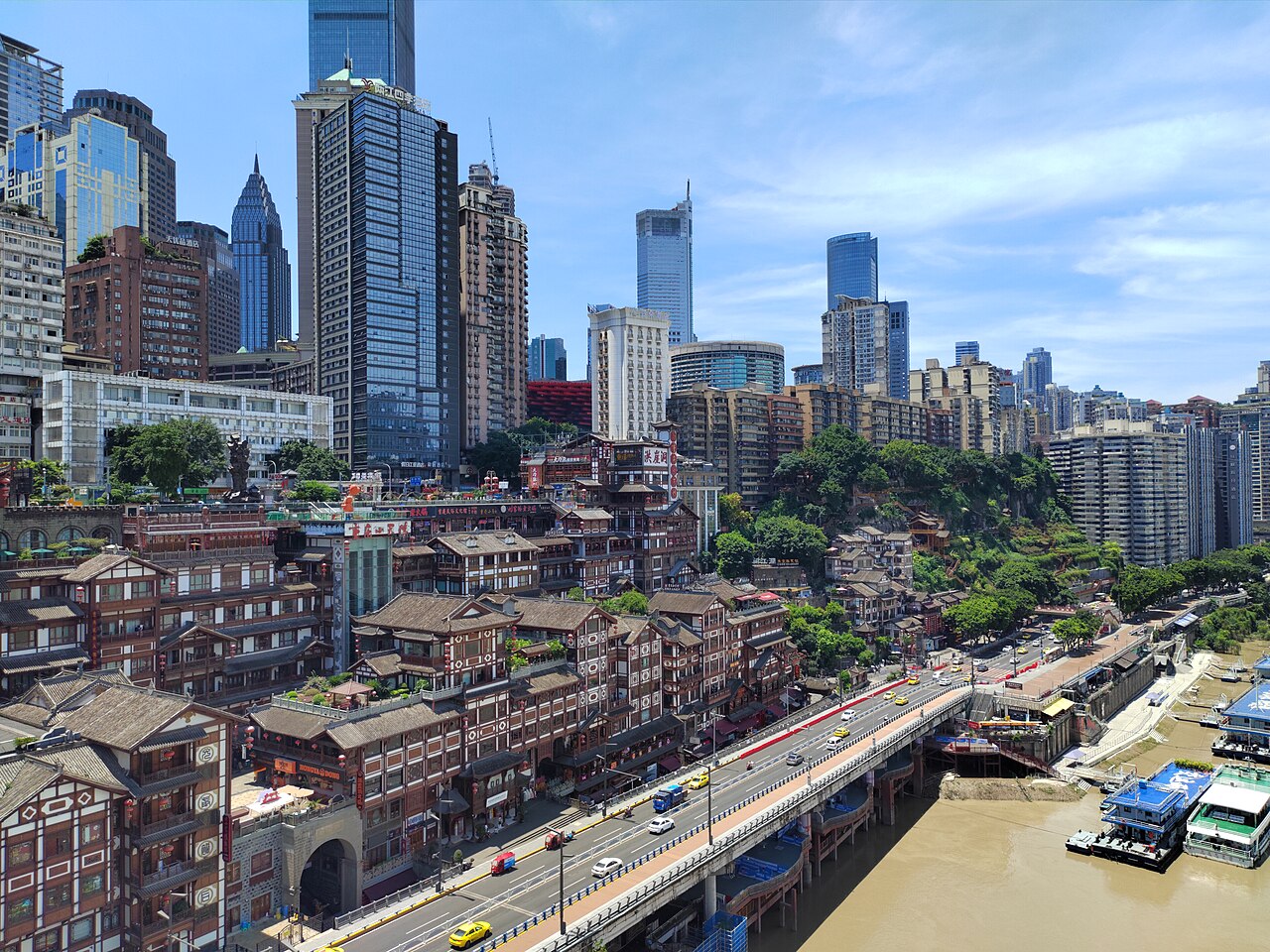
The architectural mix — a courtyard (siheyuan) layout carrying Guangdong, Guangxi, Hunan, Hubei and Jiangnan influences alongside Chongqing vernacular elements, so roof lines and carving styles differ noticeably from hall to hall.
The setting — the restored Dongshuimen old gate, the Dongshuimen Yangtze bridge and the river below sit in a single view, and the surrounding Dongshuimen old street has been conserved and redeveloped since 2017.
Good to know
RulesKorean ordinary-passport holders currently qualify for 30 days visa-free entry through 31 December 2026 per the latest official announcement; rules differ by nationality and are revised periodically, so verify your own eligibility with a Chinese embassy or consulate before travel. Foreign visitors must also be registered for temporary accommodation — hotels handle this at check-in, but in a homestay or private residence you must report to the local police station yourself, so confirm your booking accepts foreign guests and carry your physical passport at all times.
RulesChongqing runs on Alipay and WeChat Pay QR codes. Install the app before arrival, complete passport-based real-name verification and bind an international card (Visa, Mastercard, JCB and others are supported without a Chinese bank account). Transactions above roughly RMB 200 attract a cross-border fee of about 3%, so split payments where possible and keep small cash for ticket windows and taxis.
RulesGoogle, Instagram, YouTube and many messaging apps are blocked on mainland networks. International roaming and travel eSIMs usually route around this, but if you buy a local SIM you must install and test a VPN before you land. Metro QR codes must be activated city by city — enable Chongqing in Alipay's transport section in advance.
SafetyThe complex is terraced into a steep riverside slope with many steps and level changes. Old stone and timber stairs become genuinely slippery after rain or in fog, so wear grippy shoes. Stroller and wheelchair access is significantly limited.
SeasonChongqing is one of China's "furnace cities": July and August daytime temperatures approach 40°C with high humidity, and much of the visit is in open courtyards. In summer aim for opening time or late afternoon and carry water, a hat and sun protection. Expect downpours in the June–July rainy season and heavy fog with grey skies in winter.
MannersThis is a protected national-grade timber monument. Smoking indoors is strictly prohibited, flash photography and tripods may be restricted inside halls and the museum, and visitors should not touch carvings or columns. Keep quiet during performances and follow staff guidance on whether filming is allowed.
CautionAround central Chongqing tourist areas, watch for invitations to a "free tea tasting" or an art gallery that end in an inflated bill, and for unlicensed guides or ticket touts. Buy entry and performance tickets only at the official box office or official online channels, and use metered taxis or a ride-hailing app.
Practical info
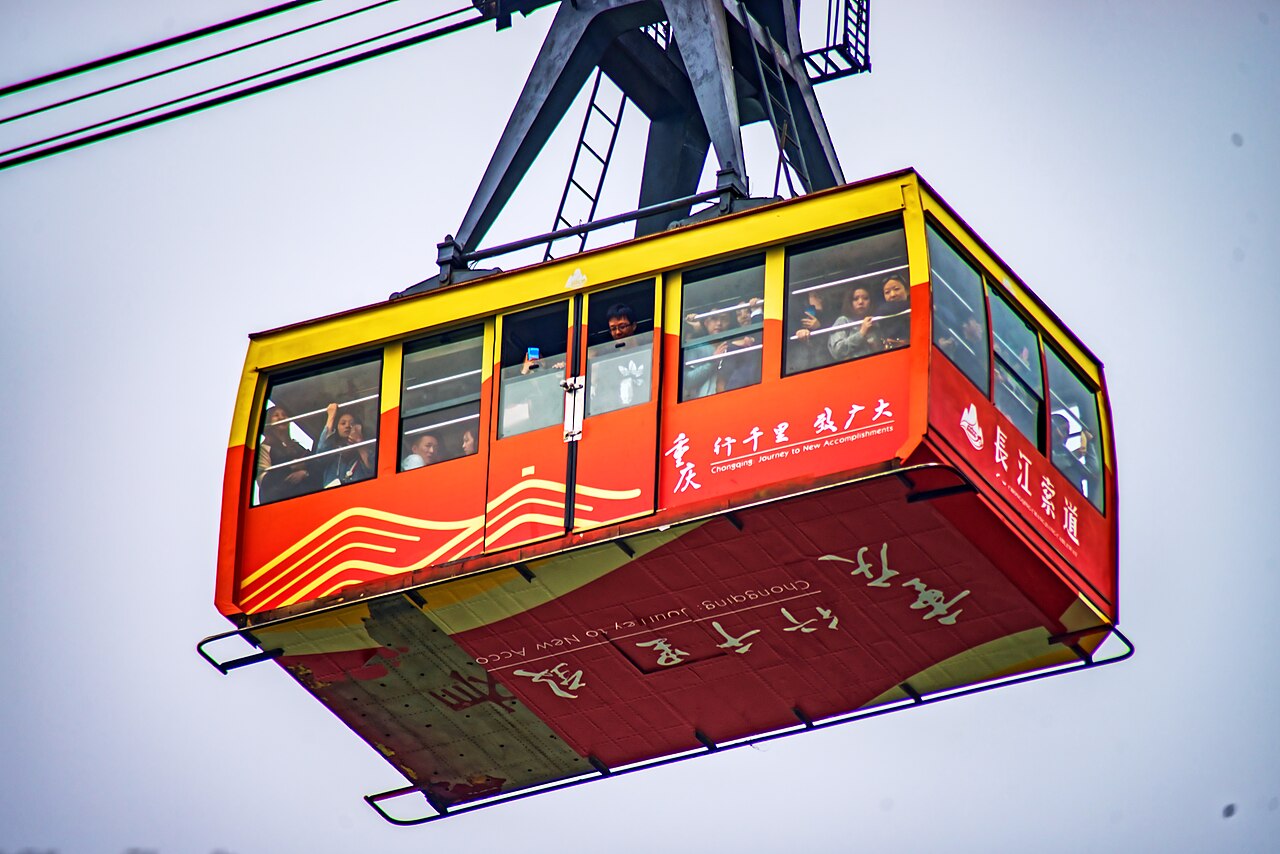
Take Metro Line 1 or 6 to Xiaoshizi station and leave by Exit 8 for a short walk to the hall; Exit 5B sits near the north station of the Yangtze River Cableway, which pairs well with a visit. Reported opening hours are 09:00–18:00 with ticketing and last entry closing at 17:00, and admission has been listed at around RMB 32 with combined ticket-plus-performance packages from roughly RMB 88, but prices, show times and closure days change — confirm the latest details through official channels before you go.
On-site reviews📍 Verified on-site
No reviews yet. If you are here, be the first to leave one.