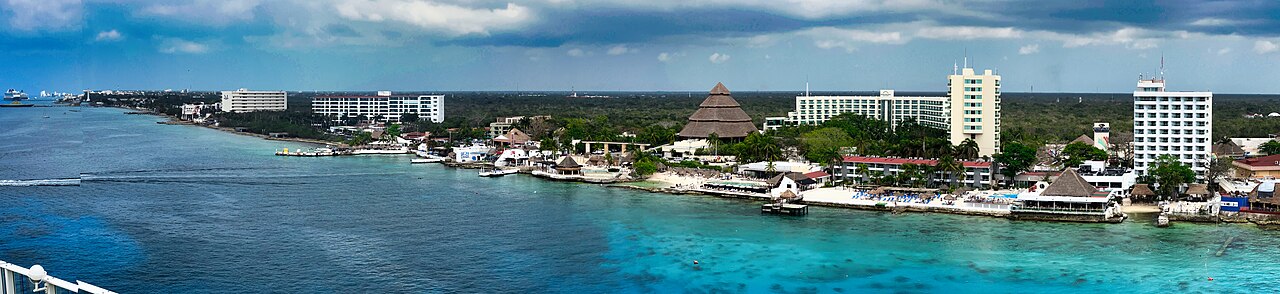
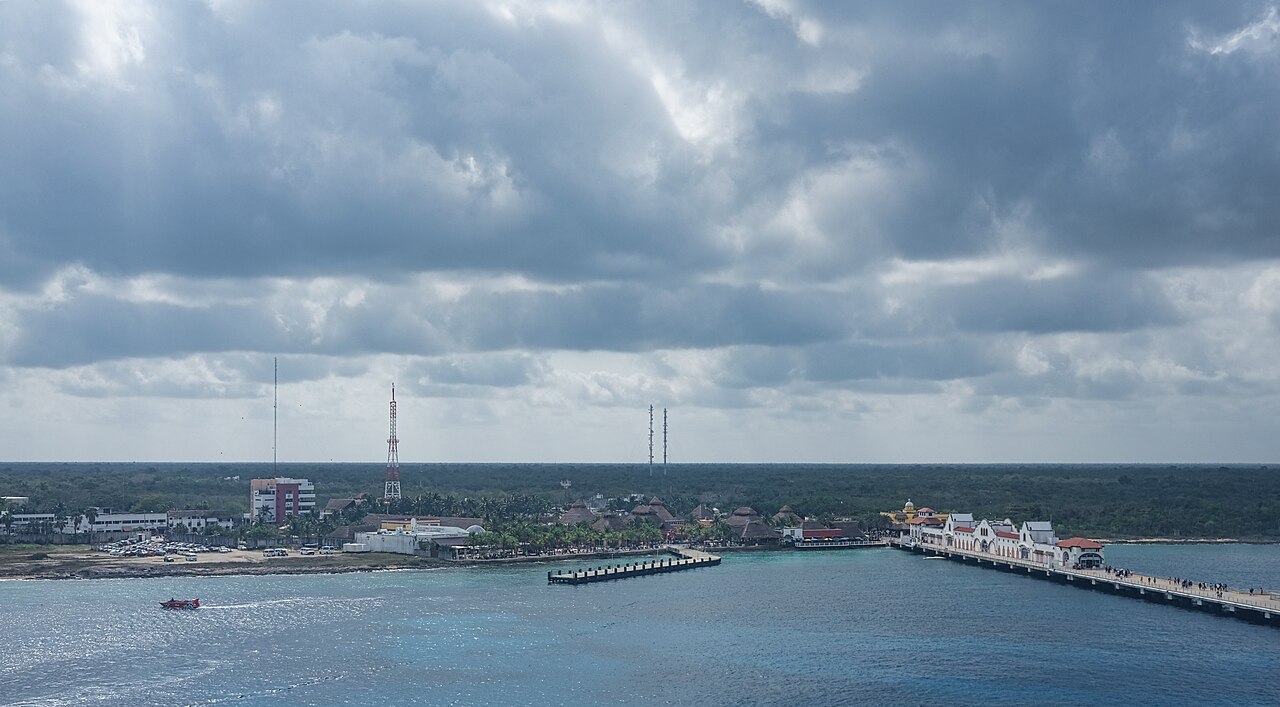
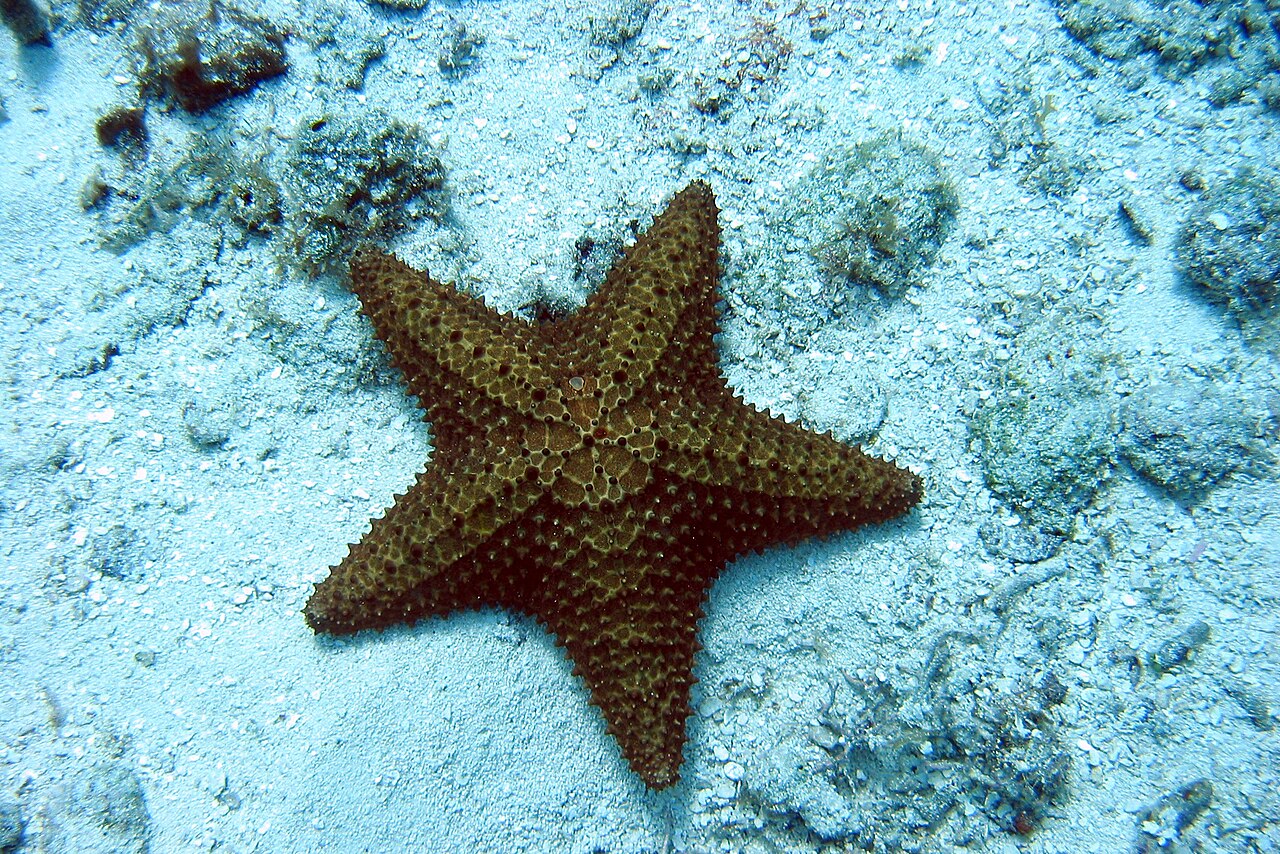
Cozumel is a Caribbean island off Mexico's Yucatán Peninsula, sitting on a headline stretch of the Mesoamerican Barrier Reef — the second-largest reef system in the world. Freediving here is defined by drift: you enter from a boat, let the current carry you, and cross the coral canyons and arches of Palancar and Colombia on a single breath, with 30–40 m visibility and 25–29°C water making it possible. It is a reef destination rather than a deep-line training site, with most diving happening between 20 and 40 m. As of 2026 the wider Caribbean is seeing record sargassum influx, though Cozumel's west coast — where every dive site sits — is comparatively spared, and while the Atlantic hurricane season is forecast below normal, the August–October risk window remains.
Palancar Reef — roughly 5 km of coral canyons, swim-throughs and arches. The reef crest sits at 10–25 m, giving freedivers plenty of terrain they can actually cross on one breath.
Colombia Reef — massive coral pinnacles rising between sand channels. Many divers rate it the best pure drift on the island: you simply flow between the towers.
Santa Rosa Wall and Punta Sur — where the reef falls away into vertical drop-offs, offering the sensation of wall freediving with the face of the reef beside you the whole way down.
Marine life — turtles and nurse sharks year-round, with eagle ray aggregations most likely in winter (roughly December to February). The splendid toadfish, a mottled reef-crevice dweller, is found only around Cozumel.
El Cielo shallows and the wrecks — the knee-deep white sandbar is used for skills and line work, while the C-53 (Felipe Xicoténcatl) wreck at around 24 m is treated as a challenge dive for experienced freedivers.
Good to know
SafetyNever freedive alone. Shallow water blackout is the leading cause of freediving deaths and arrives with no pain and no warning; survival depends entirely on a trained buddy watching from the surface. Keep the one-up-one-down rule, never hyperventilate, take surface intervals at least twice your dive time, and have your buddy stay on you through the final metres of ascent and for 30 seconds after you surface.
SafetyCozumel runs current almost all the time. Holding position is effectively impossible, so dive as a boat-based drift and do not attempt to swim out to the reef alone from shore. This is one of the busiest cruise and dive-boat corridors in the world — floating without a surface marker buoy and dive flag is genuinely dangerous.
SafetyIf you add Tulum cenotes or wrecks to the trip, understand that these are overhead environments, a different risk category entirely rather than an extension of reef diving. Where you cannot ascend straight to the surface, a blackout becomes a drowning, and the region has a documented fatality record. Do not enter caves or tunnels without a specialist-qualified guide, a line and lights.
RulesThe area is a national marine park (CONANP), so a per-person daily entry fee and wristband are mandatory. Touching or collecting coral is prohibited, gloves are restricted, and reef-safe sunscreen is expected. Fees have been raised repeatedly, so confirm the current amount and whether your tour price includes it when booking.
RulesMost centres require at least an entry-level certification (AIDA 1–2, PADI Freediver, SSI Level 1 or equivalent) plus a medical questionnaire for reef boat trips, and recommend diving insurance. If you intend to train depth on a line, confirm in advance that a lanyard, counterballast and a dedicated safety diver are in place — and skip the session if they are not.
SeasonNovember to May is the best window. June to November is hurricane season with frequent cancellations; 2026 is forecast below normal on El Niño influence, but the mid-August to mid-October high-risk period exists regardless of any seasonal outlook. Sargassum is projected at record levels for 2026, though the west coast where the dive sites lie stays comparatively clear.
CautionSome operators bolt the word 'freediving' onto a standard snorkel tour. Letting guests go deep without a dedicated safety diver is not a real freediving operation, so ask directly about instructor agency, safety staffing, oxygen kit and emergency procedure before booking — and walk away from vague answers.
Practical info
Fly into Cancún (CUN), transfer to Playa del Carmen and take the roughly 45-minute ferry, or fly direct to Cozumel (CZM). November to May offers the best conditions and the most reliable boat schedules; boat trips may require a copy of your certification, a medical form and the marine park fee, so verify current prices and departure schedules with the operator right before you book.
On-site reviews📍 Verified on-site
No reviews yet. If you are here, be the first to leave one.