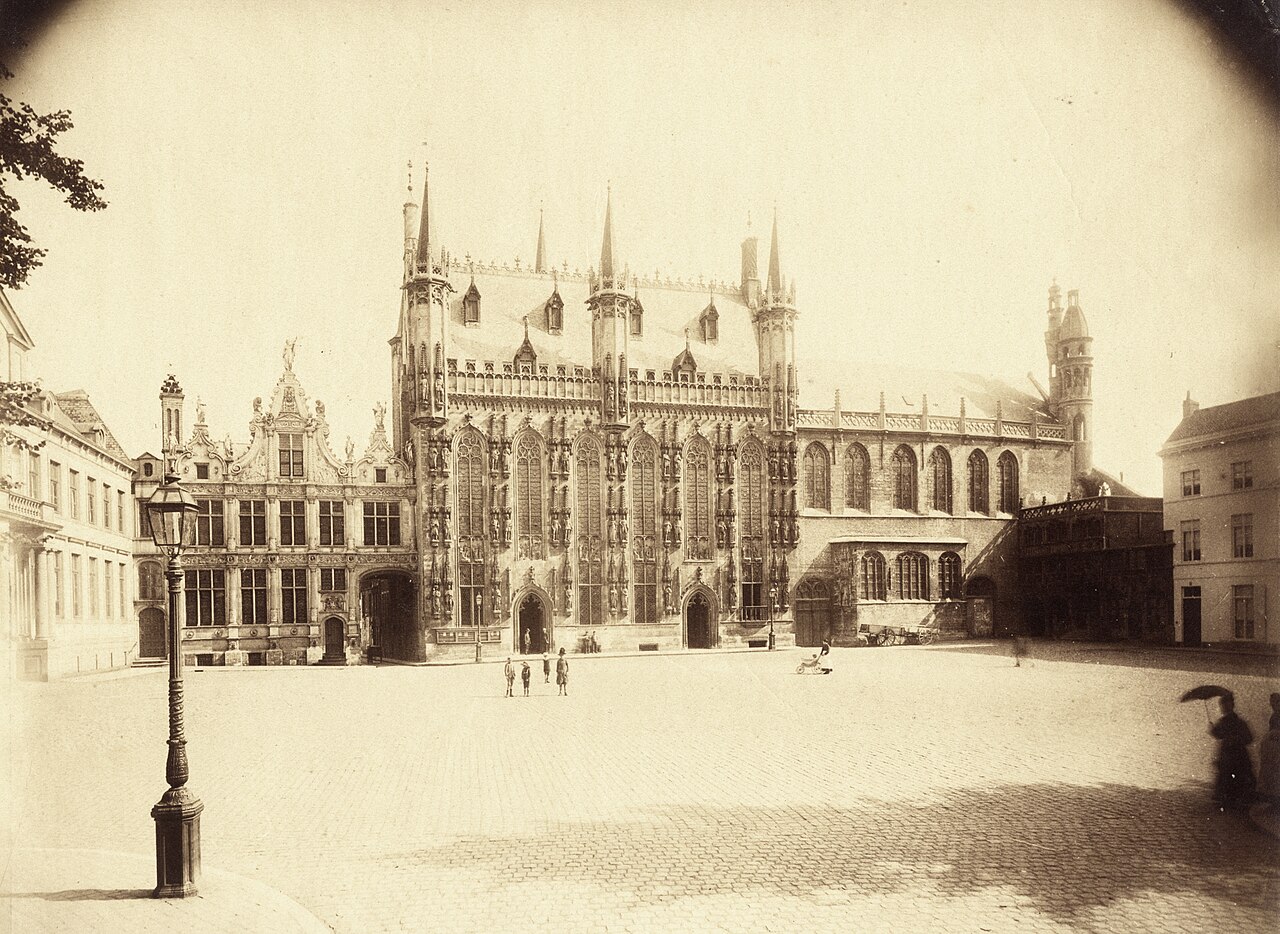
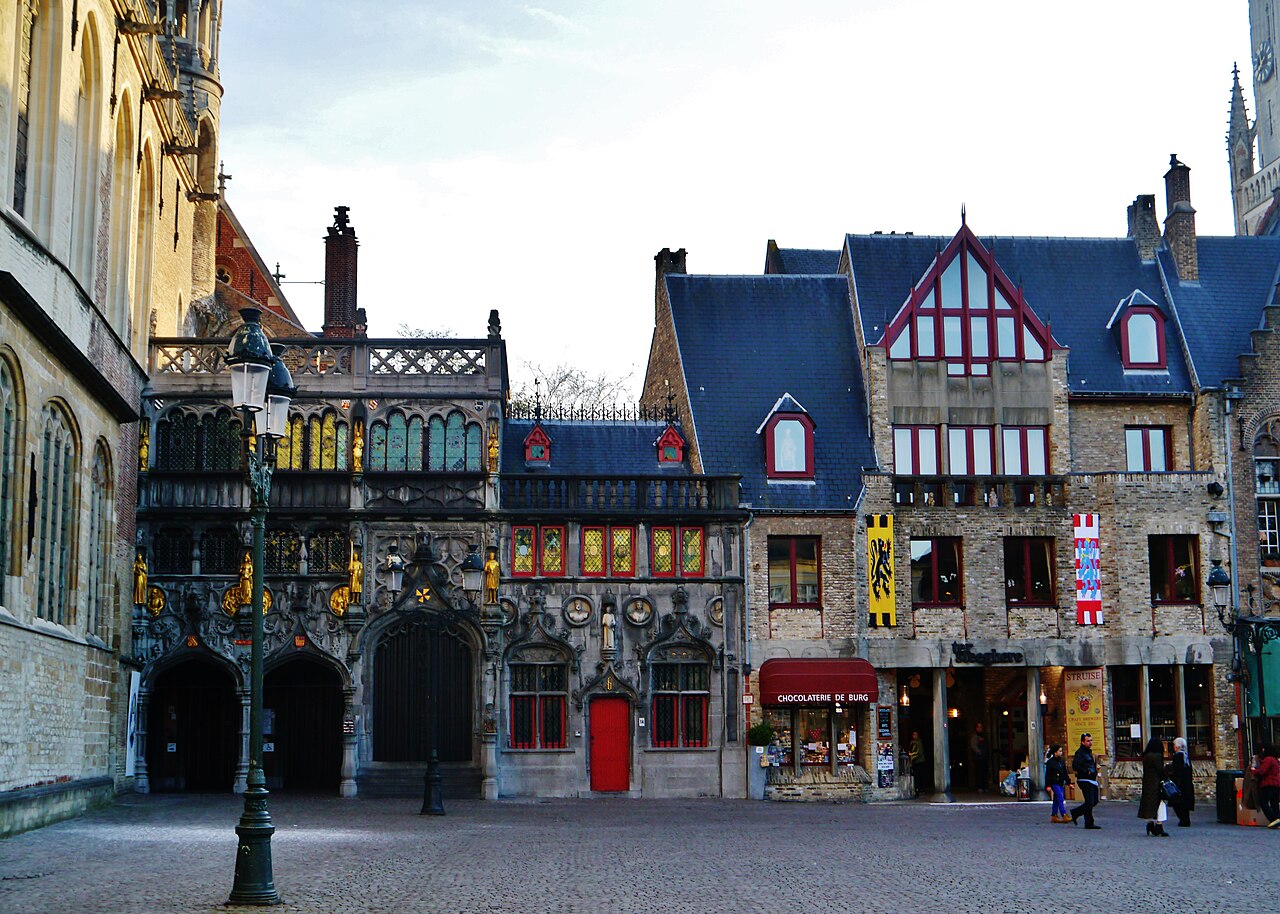
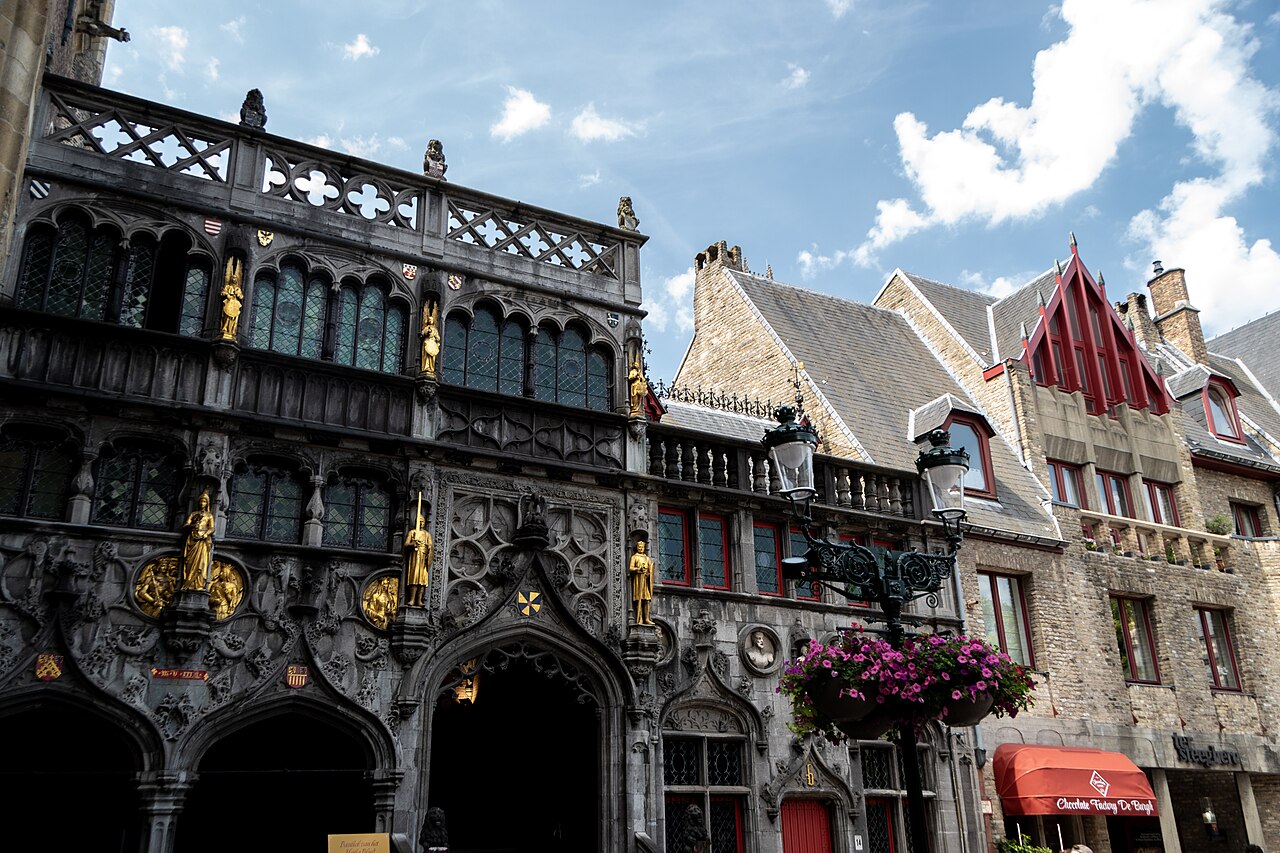
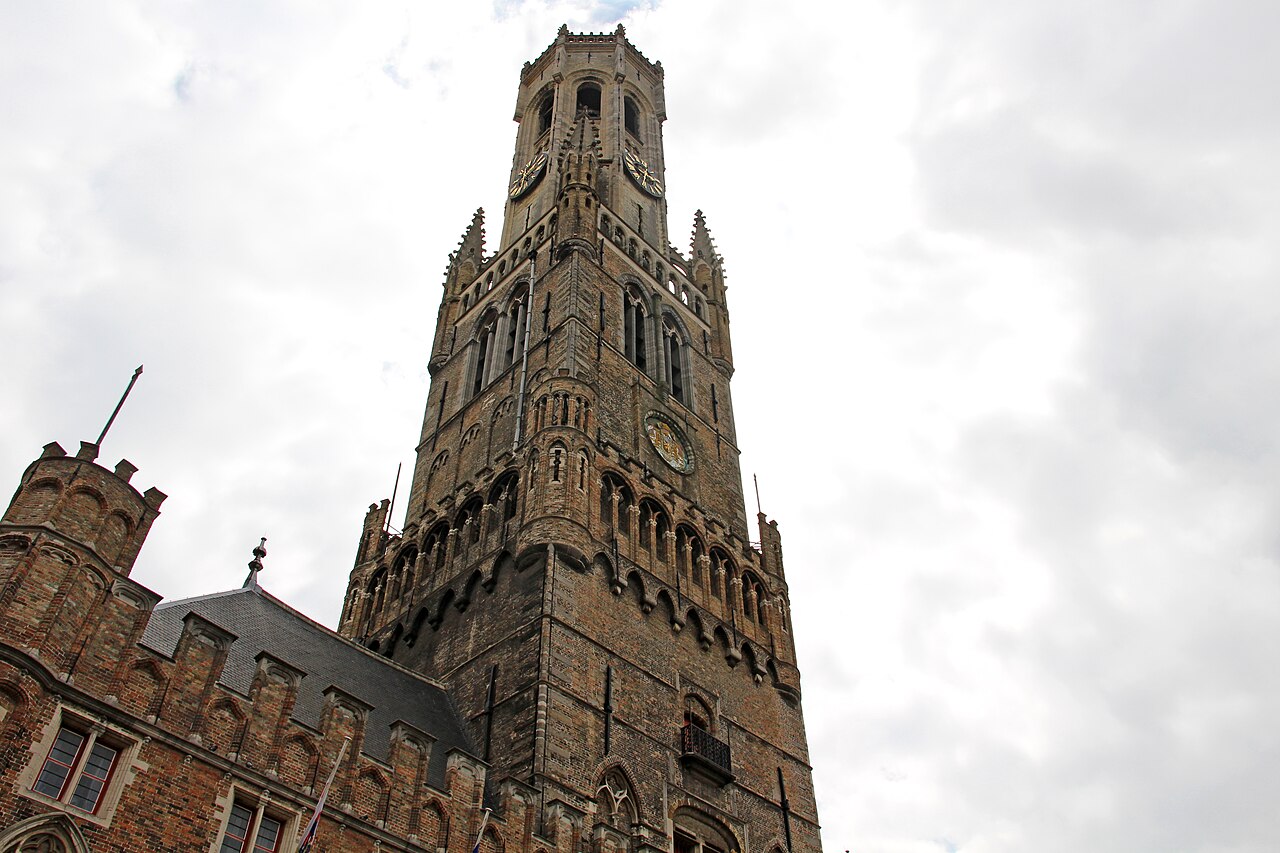
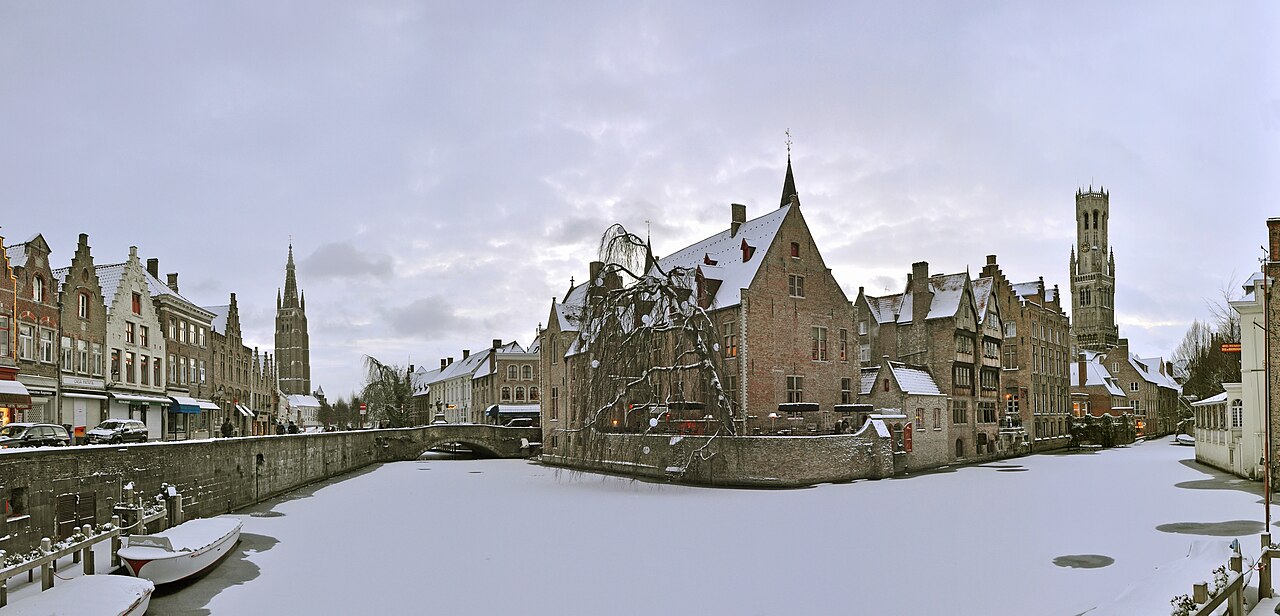
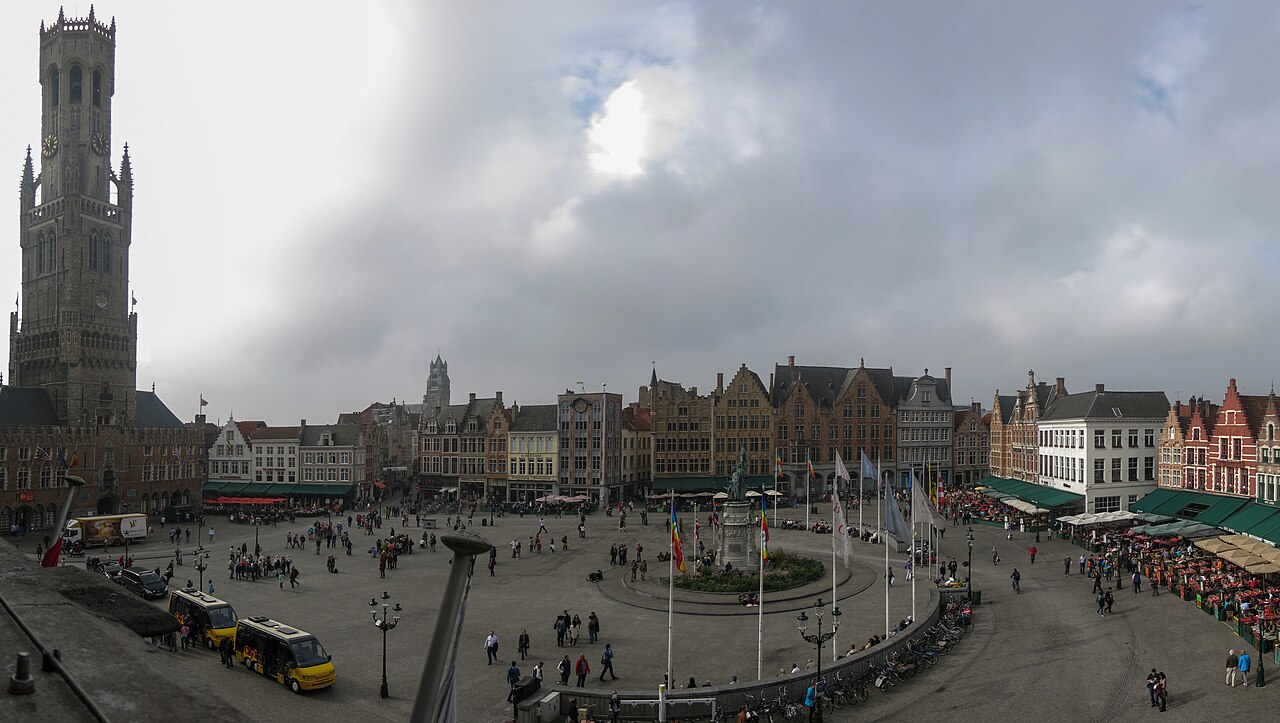
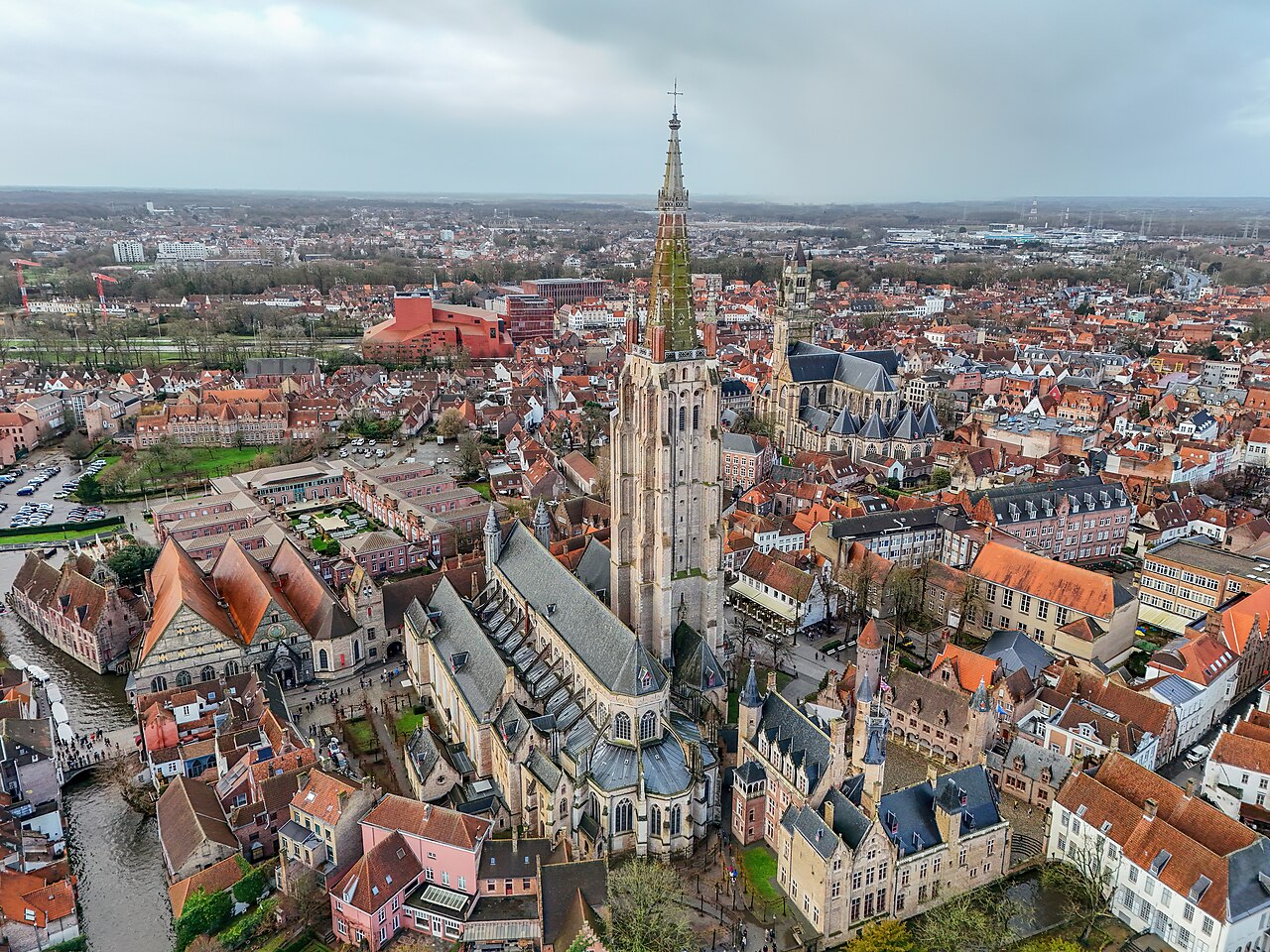
The Basilica of the Holy Blood (Heilig-Bloedbasiliek) is a 12th-century church on the Burg square in Bruges, named for a venerated relic said to hold a cloth stained with the blood of Christ, traditionally brought back from the Holy Land after the Second Crusade. Built between 1134 and 1157, it has an unusual two-storey layout: a rare, well-preserved Romanesque lower chapel dedicated to St Basil and an upper chapel rebuilt in Gothic style in the late 15th century, and it forms part of the UNESCO-listed Historic Centre of Bruges. In 2026 the relic is still presented for veneration each afternoon, and every Ascension Day the city stages the Procession of the Holy Blood, its largest traditional event. Small but centrally located, it pairs easily with a short visit to the adjacent City Hall and the Markt.
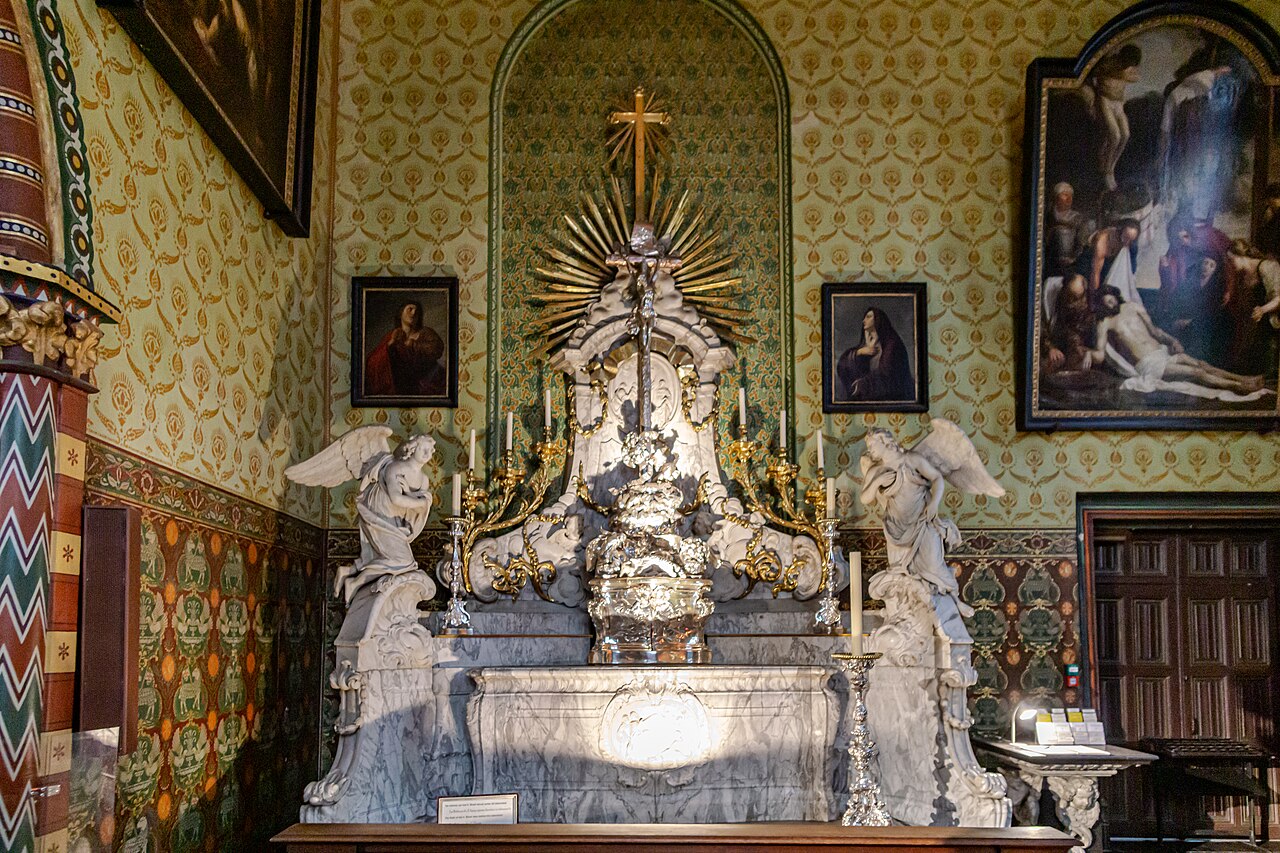
The Great Shrine of the Holy Blood in the upper chapel, an ornate gold-and-silver reliquary made by silversmith Jan Crabbe in 1614
The Romanesque lower Chapel of St Basil, one of the best-preserved in West Flanders, with a 12th-century relief of the Baptism of Christ
The late-Gothic to early-Renaissance 'Steegheere' staircase linking the two chapels
The afternoon veneration of the Holy Blood relic, when it is presented to visitors and pilgrims
The richly decorated, Neo-Gothic upper chapel with its murals and stained glass
Good to know
RulesPhotographing the relic is not allowed, and access is restricted during Mass and services. Veneration of the relic happens only at set times (typically afternoons, plus Friday mornings), so check the schedule before you go.
MannersThis is an active place of worship: keep quiet, dress modestly with shoulders and knees covered, and move discreetly during prayers and services.
SeasonOn Ascension Day the Procession of the Holy Blood (Thursday 14 May 2026, afternoon) brings road closures and huge crowds to the centre; arrive early and avoid driving into the city that day.
SeasonWinter opening hours are shorter and a brief annual closure is planned for mid-January 2026 (around the 12th–17th); expect heavy crowds during the Christmas market and the summer peak.
SafetyThe narrow stone staircase between the chapels and the old floors can be slippery, so watch your step; the historic streets are busy with cyclists and horse-drawn carriages.
CautionWatch for pickpockets around the busy Markt and Burg squares and keep bags in front of you; entry to the basilica itself is free, so ignore anyone trying to charge an 'entrance fee.'
Practical info
The basilica stands on the Burg square (Burg 13), about a 20–25 minute walk from Bruges railway station or a short bus ride to the Markt/Burg area, inside the largely car-free historic centre. Entry to the church is free while the treasury museum has a small fee (around €5, children free); always confirm current opening hours, veneration times and prices on the official website before visiting.
On-site reviews📍 Verified on-site
No reviews yet. If you are here, be the first to leave one.