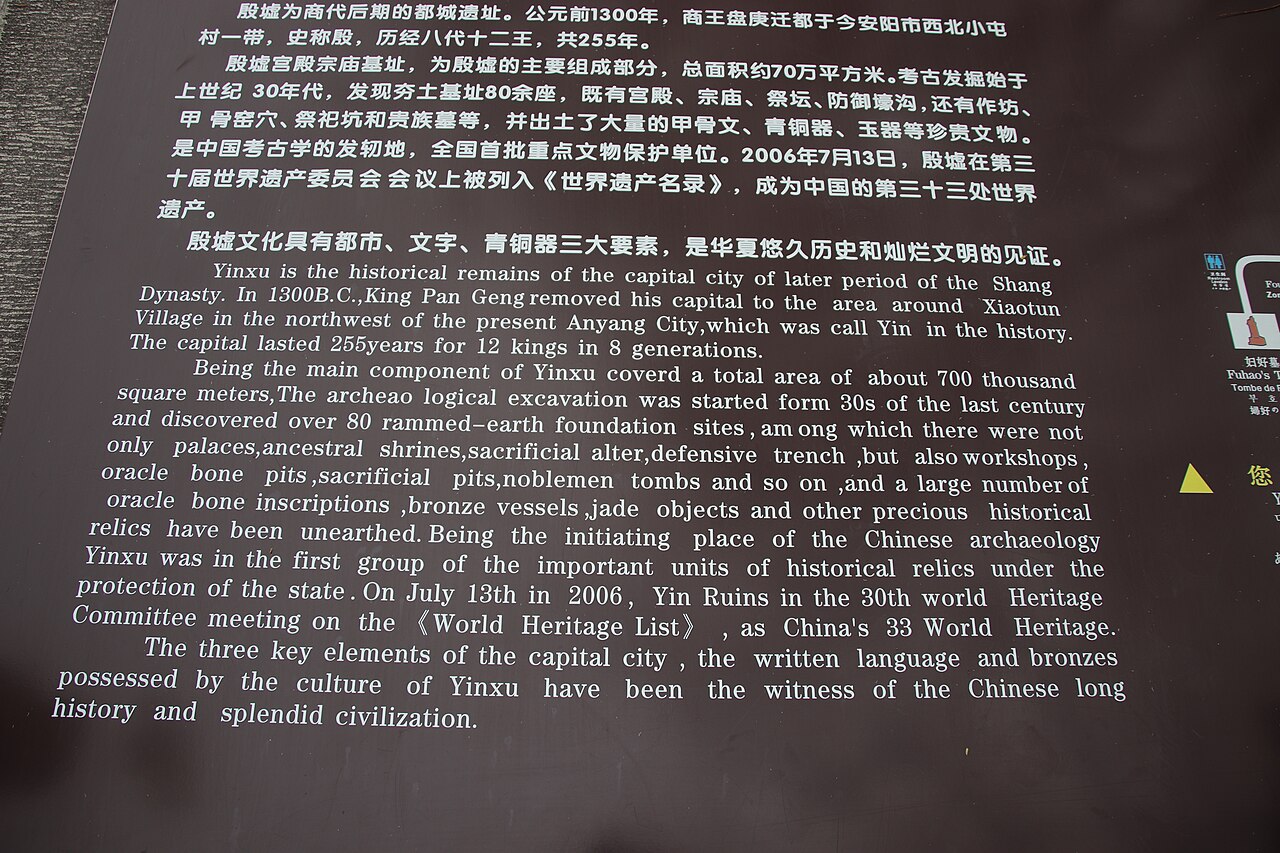
Yinxu (the Yin Ruins) in Anyang, Henan, is the site of the last capital of China's Shang dynasty and the first Chinese capital confirmed by both written records and archaeology, where oracle-bone script, the ancestor of Chinese characters, was discovered. Inscribed as a UNESCO World Heritage Site in 2006, it comprises royal tombs, palace and ancestral-shrine foundations, and superb bronzes and jades over 3,000 years old. A large new museum, opened in February 2024, now lets visitors take in Shang civilization in panoramic depth.
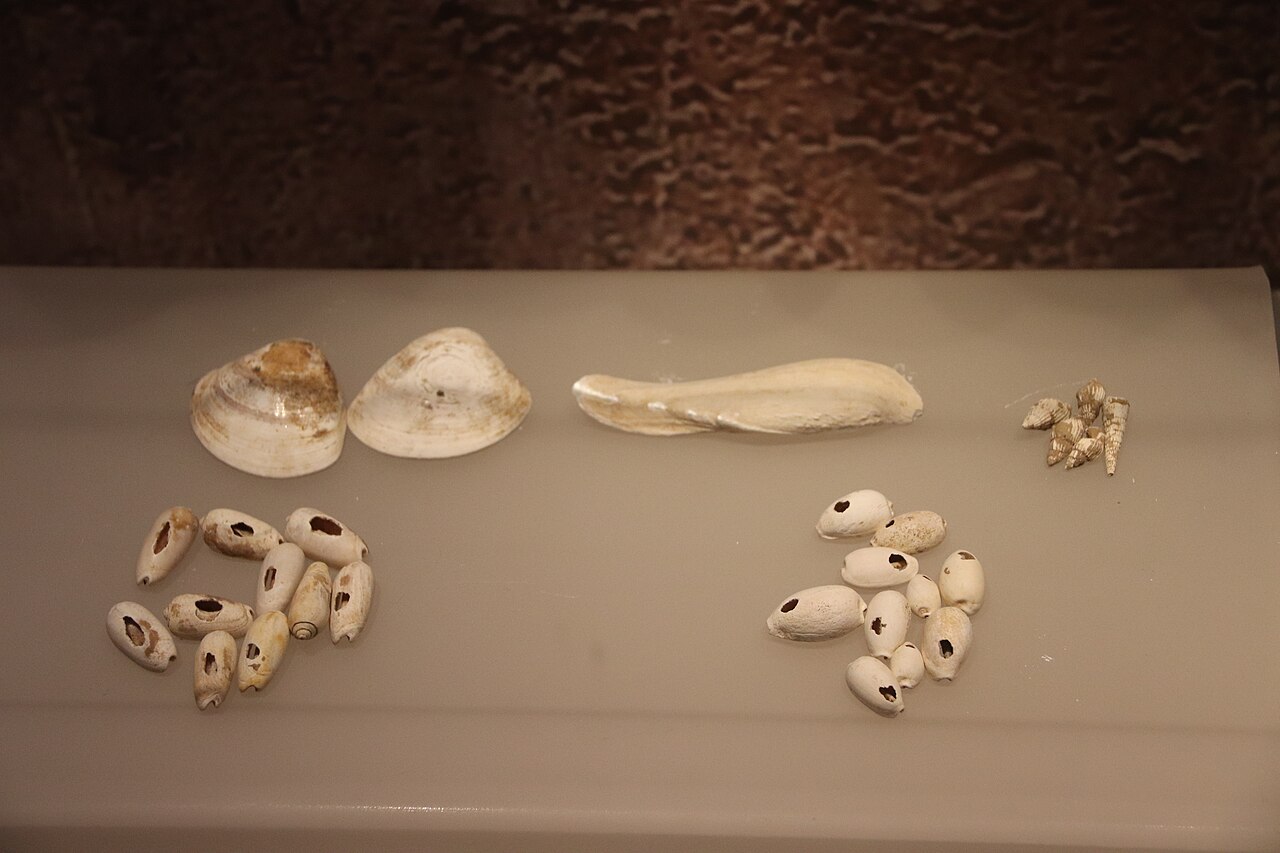
New Yinxu Museum (opened Feb 2024): nearly 4,000 relics, extensive oracle bones and bronzes, with naked-eye 3D and digital-oracle immersive displays
Chariot pits matrix: 23 excavated horse-and-chariot pits shown side by side, China's largest such display, recreating Shang-era transport
Tomb of Fu Hao: the tomb of Lady Hao, consort of King Wu Ding and a female military commander, the only Shang royal tomb found intact and unlooted
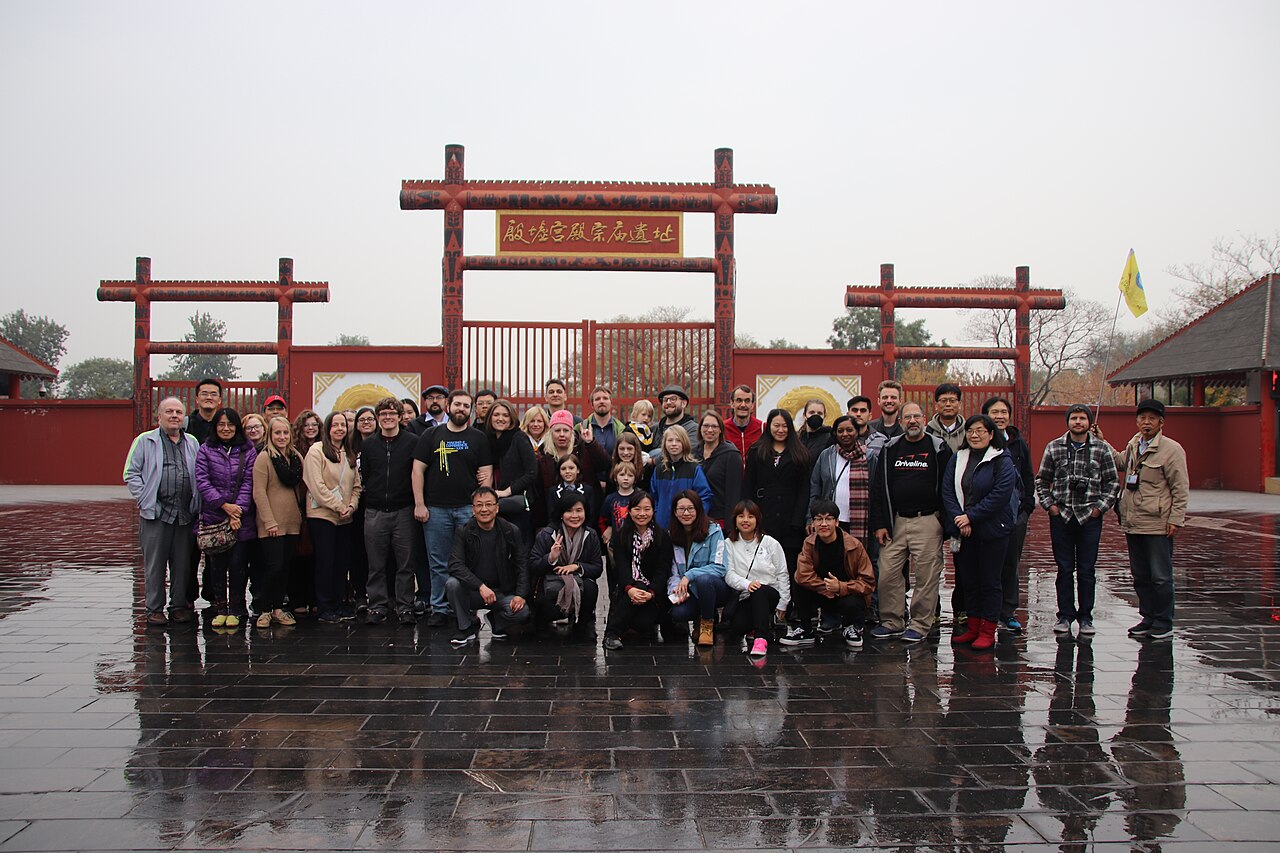
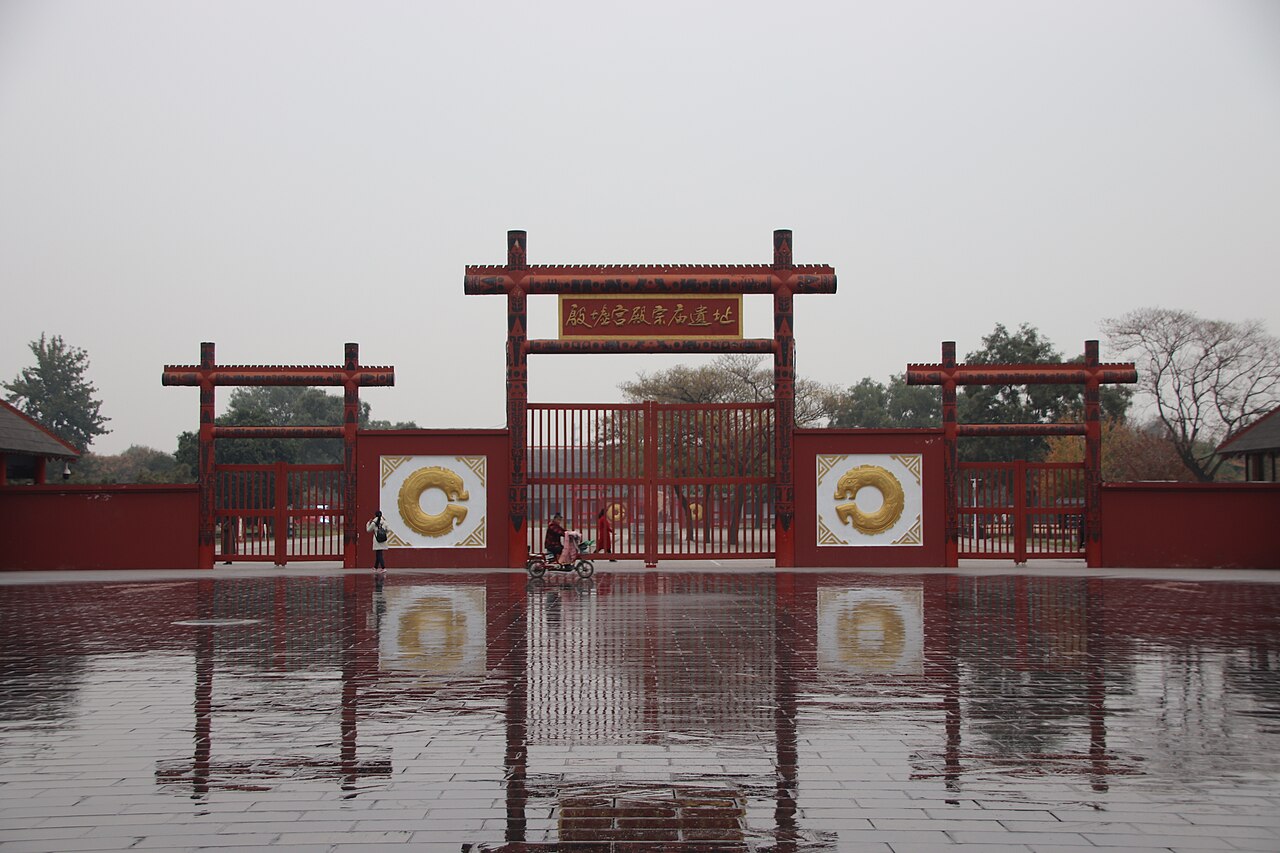
Palace and Ancestral Shrines area: 80-plus building foundations, an oracle-bone stele forest, and a reconstructed Fu Hao tomb hall
Royal Tombs area: 13 large royal tombs plus 2,000-plus sacrificial and burial pits, the emblematic core of the World Heritage site
Good to know
RulesAdmission is typically reserved and issued against your passport number. Book online in advance (e.g., via WeChat official account) and carry your physical passport; for foreign visitors the passport doubles as the entry credential. Confirm the current reservation method just before your visit.
MannersThe tomb and palace areas are hard to appreciate without context; many visitors recommend a guide (around ¥80, verify latest) or an audio guide. To protect the ruins and relics, keep to marked routes and follow photography rules.
RulesThe Palace/Ancestral Shrines area and the Royal Tombs area are over 5 km apart and not walkable between them. A combo ticket (museum + scenic area) includes a free shuttle bus that departs at set times, so check the shuttle timetable and plan your route.
CautionUnlicensed taxis and informal 'guides' may approach you near Anyang's high-speed rail station and the site. Ask official taxis to use the meter, or use a ride app (e.g., Didi) or your hotel; verify the credentials and price of any guide who offers services on the spot.
SeasonThe site is largely open-air, so spring and autumn are most comfortable. Summers are hot with little shade (bring a hat, water, and a parasol) and North China winters are sharply cold (dress warmly). Arriving early in the morning helps you avoid tour-group crowds.
Practical info
About a 30-40 minute taxi ride from Anyang East (high-speed rail) station. Allow roughly 2 hours for one section and half a day or more to see all three areas. Fares, opening hours, and reservation rules vary by season and evening openings, so confirm the latest (peak season roughly 08:00-18:30, shorter in low season; the new museum offers evening sessions).
On-site reviews📍 Verified on-site
No reviews yet. If you are here, be the first to leave one.