White Horse Temple (Baima Temple) is traditionally regarded as the first Buddhist temple in China, founded in AD 68 under Emperor Ming of the Eastern Han, and is often called the cradle of Chinese Buddhism with over 1,900 years of history. It sits about 12 km east of Luoyang between the Luo River and Mang Hill, with surviving halls rebuilt across the Yuan, Ming, and Qing dynasties. Uniquely, India, Thailand, and Myanmar have each built halls in their own national styles within the grounds, making it the only temple where Chinese, Indian, Thai, and Burmese Buddhist architecture stand together.
The two white-horse stone statues at the front gate honor the legendary horses said to have carried the Buddhist scriptures, giving the temple its name.
Qiyun Pagoda — first built in AD 69; the current square, multi-eave brick pagoda dates to the Jin dynasty (1175), stands about 25 m over 13 tiers, and is regarded as China's first Buddhist pagoda.
A famous acoustic quirk: clap your hands roughly 20 m south of the pagoda and you hear a frog-like croaking echo — a design said to predate Beijing's Echo Wall at the Temple of Heaven by over 350 years.
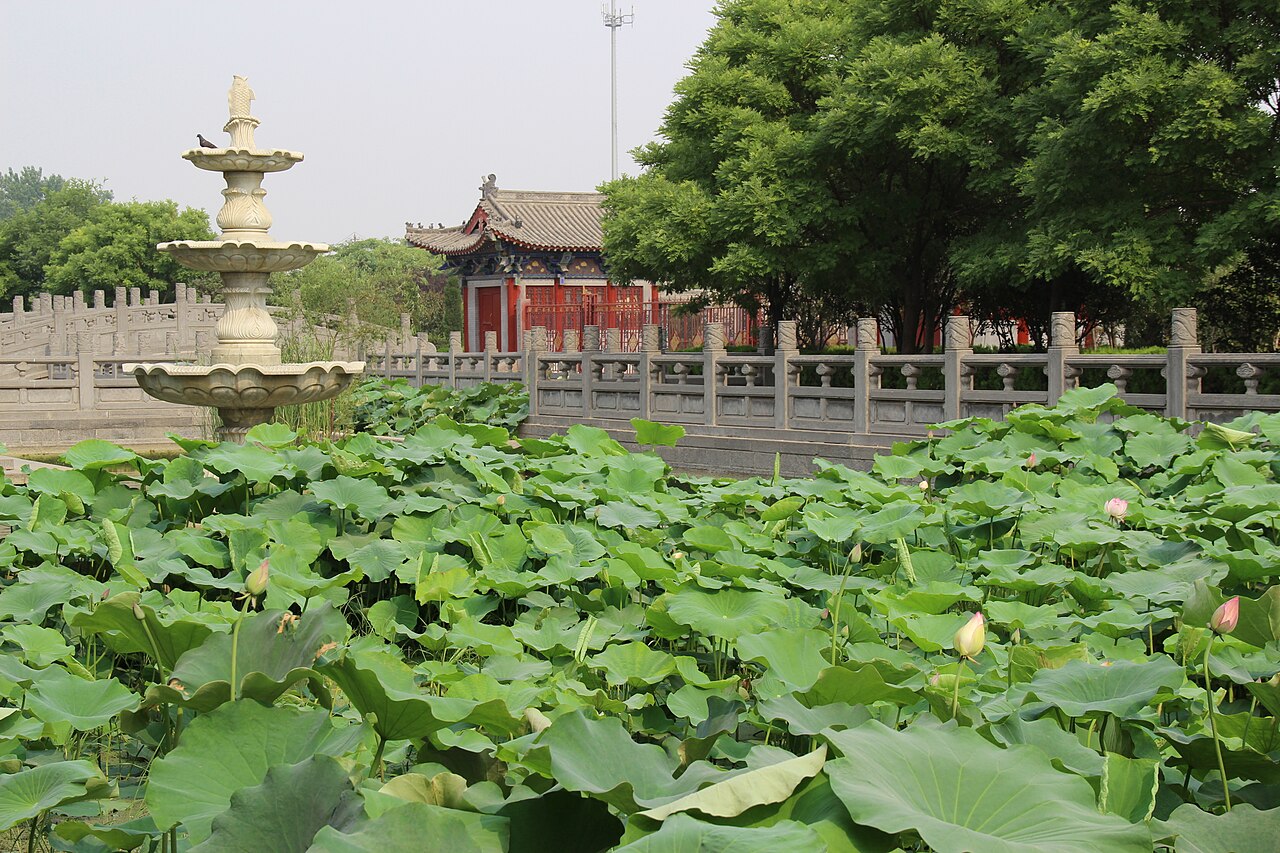
The International Buddhist Zone with Indian, Thai, and Myanmar halls — the golden spires of the Thai hall, the Shwedagon-style Myanmar hall, and the domed Indian hall offer a rare cross-cultural showcase.
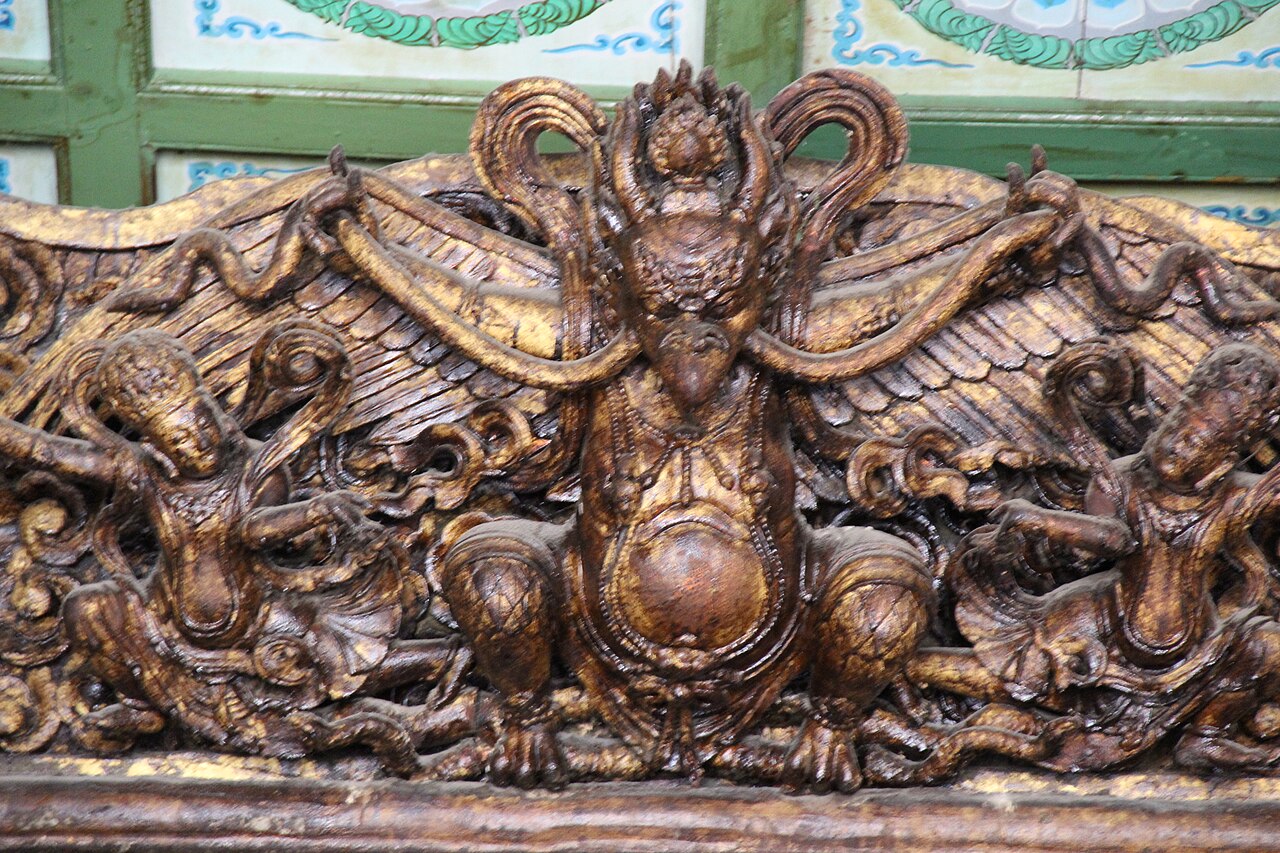
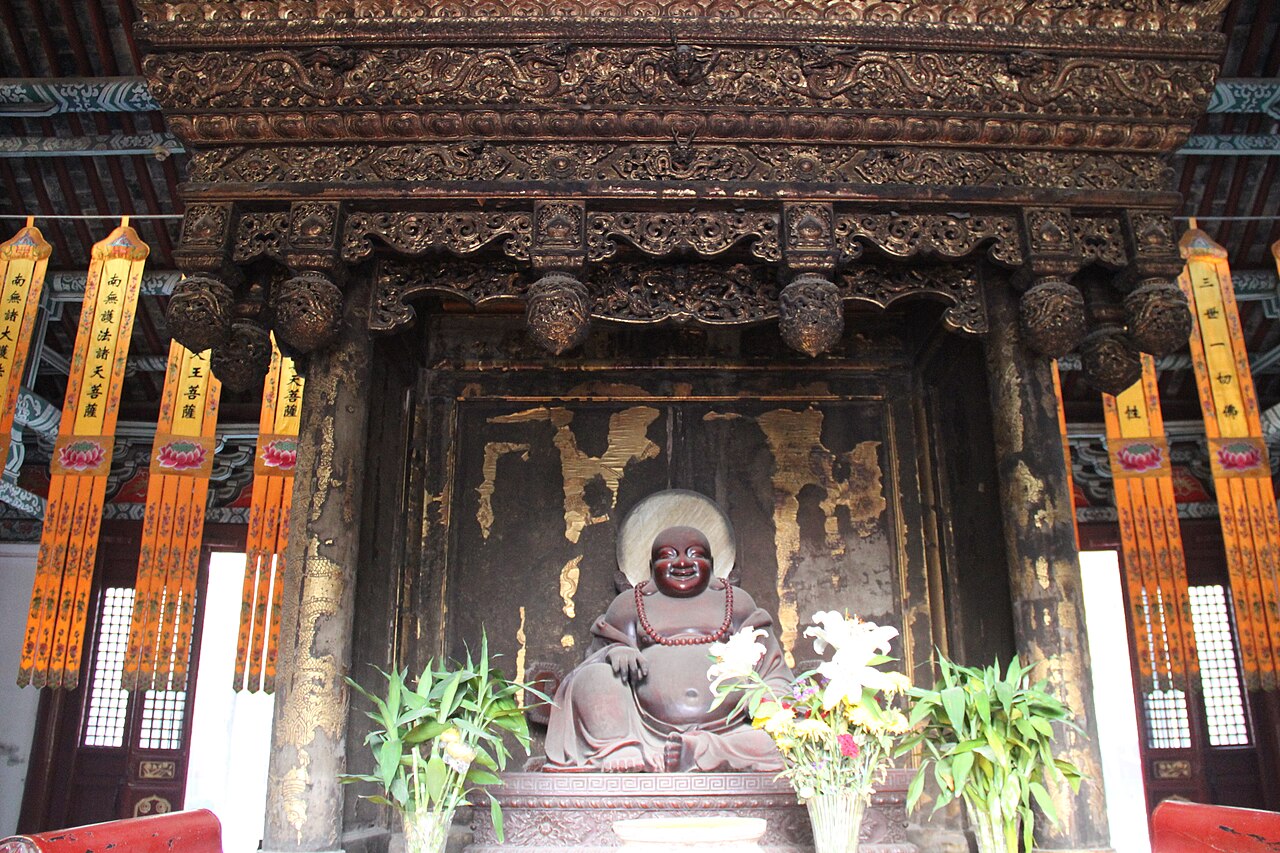
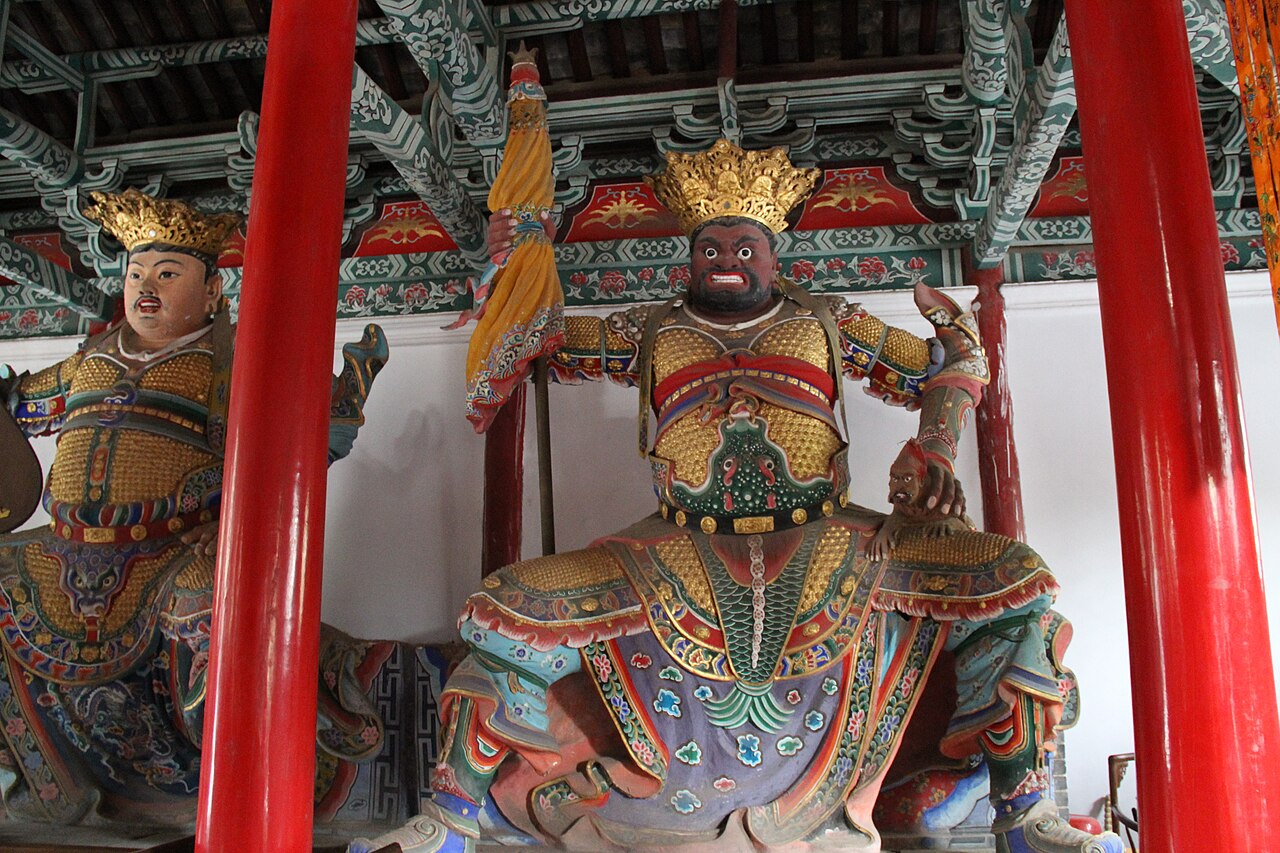
Core halls such as the Hall of Heavenly Kings and the Mahavira Hall, with Yuan-Ming-Qing carvings and colorful decoration, set amid red walls and groves of pine and cypress.
Good to know
RulesEntry uses timed online reservations. You generally must book a time slot in advance through the temple's official WeChat account; avoid showing up without a reservation. Confirm current fares, hours, and booking rules before you go.
CautionVendors near the gate sell incense; a normal price is about 5–10 RMB. You can also get 3 free incense sticks at the 'blessing point' (jieyuanchu) by the main hall or near the bell tower, so don't overpay.
CautionBeware people posing as monks or nuns who hand you a bracelet or charm and then pressure you for a 'donation.' Genuine clergy do not sell trinkets or beg from tourists — don't accept the object and decline politely but firmly.
MannersThe Qiyun Pagoda courtyard is an active bhikkhuni (nuns') monastery. If you circumambulate the pagoda, walk clockwise (to the right), and keep quiet and photo-considerate in the practice areas.
MannersThis is a working religious site: dress modestly, avoid revealing clothing, and refrain from flash photography or shooting statues head-on inside the halls.
SeasonSummer (Apr–Nov) has longer hours but brings heat and crowds. Spring and autumn are milder and quieter, and a visit typically takes about 2–3 hours.
Practical info
From central Luoyang, take bus 56, 58, 87, or 801 to the 'Baima Si (White Horse Temple)' stop, then walk about 3 minutes; a taxi takes roughly 30–45 minutes and around 30–40 RMB. Tickets are about 35 RMB full / 17.5 RMB half (discounts for seniors, students, military, disabled, etc.). Summer hours run roughly 07:40–18:40 and winter about 08:00–17:30 — verify current prices and times before visiting.
On-site reviews📍 Verified on-site
No reviews yet. If you are here, be the first to leave one.