Utila is a small Caribbean island in Honduras' Bay Islands and home to Central America's first dedicated freediving training centre. Currents are minimal, water sits near 27°C year-round and visibility often runs 20-30m, which makes it workable for line training down to around 70m. If neighbouring Roatan is where people compete, Utila is where they stay for weeks and build depth: a cooperative-run centre and cheap long-stay housing keep it among the more affordable Caribbean training bases in 2026. Access to the deeper north-side sites is wind-dependent, so build slack into your dates.
A working depth line to roughly 70m, with the deeper north-side moorings opening up in the calmer, low-wind months
Line sessions of up to three hours plus one-to-one coaching, so skills get broken down rather than crammed
A camp-style setup: on-site guesthouse, shared kitchen and dock, with monthly apartment rentals widely available
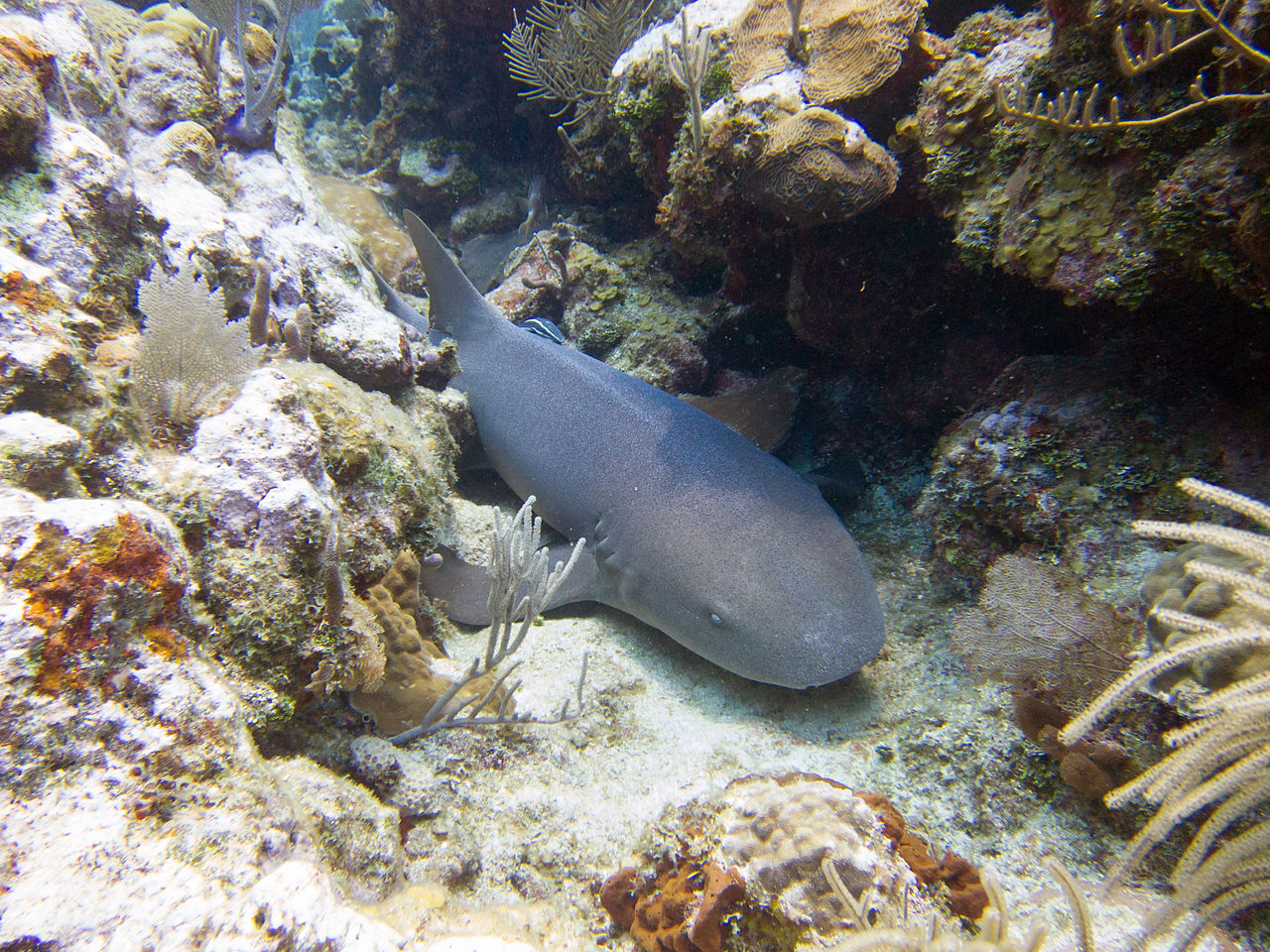
Whale shark season in March-April and again in autumn, encountered from the surface on snorkel or breath-hold
A full ladder of courses, from entry level (Apnea Total, AIDA, Molchanovs) through instructor and competition safety training
Good to know
SafetyNever train alone. Shallow water blackout and LMC cluster in the last 10m of the ascent and the first 30 seconds on the surface, and most freediving fatalities happen when the buddy was absent or looked away early. Your buddy stays hands-on and eyes-on for at least 30 seconds after you surface.
SafetyWear a lanyard on depth sessions, and before you get in the water confirm that counterballast is rigged on the buoy and know at what depth the safety diver will meet you. Sharing a buoy with others does not mean someone else owns the safety plan for your dive.
SafetyStacking deep days back to back chasing a personal best raises the risk of freediver decompression sickness (taravana). The island's only chamber is at Utila Lodge, and serious trauma means evacuation to La Ceiba or the mainland, which can take hours. Check that your dive insurance covers freediving and medical evacuation.
SafetyDo not penetrate overhead environments such as the Halliburton wreck on a breath-hold: if the exit closes off there is no reserve to fall back on. In areas with boat traffic, never surface without a buoy or surface marker.
RulesWhale sharks are a protected species here: scuba is not permitted with them and interaction is limited to surface snorkelling, with no touching or chasing and mandated approach distances. The whole Bay Islands archipelago is a marine protected area, so contact with or collection of coral is prohibited. Courses and training dives typically require certification, a medical questionnaire and insurance.
SeasonJune to November is hurricane season, and winter northers can shut off access to the northern deep sites for days at a time. If 70m-range line work is the goal, aim for the calmer window (broadly March to September) and budget extra days for weather write-offs.
CautionOn the mainland leg, especially in La Ceiba, avoid moving after dark and skip taxis that solicit you. Arrange pickups through your accommodation or the centre. For boat trips, use operators whose permits and insurance you can verify, and be wary of demands for large cash payments up front.
Practical info
Fly to La Ceiba (usually via San Pedro Sula), then continue to Utila by ferry (about an hour) or light aircraft. The calmer training window runs roughly March to September, with whale sharks most likely in March-April and again in autumn; courses and training dives are generally pre-booked and may require certification, a medical form and insurance, so confirm current prices, ferry timetables and course availability directly with the centre and ferry operator before you travel.
On-site reviews📍 Verified on-site
No reviews yet. If you are here, be the first to leave one.