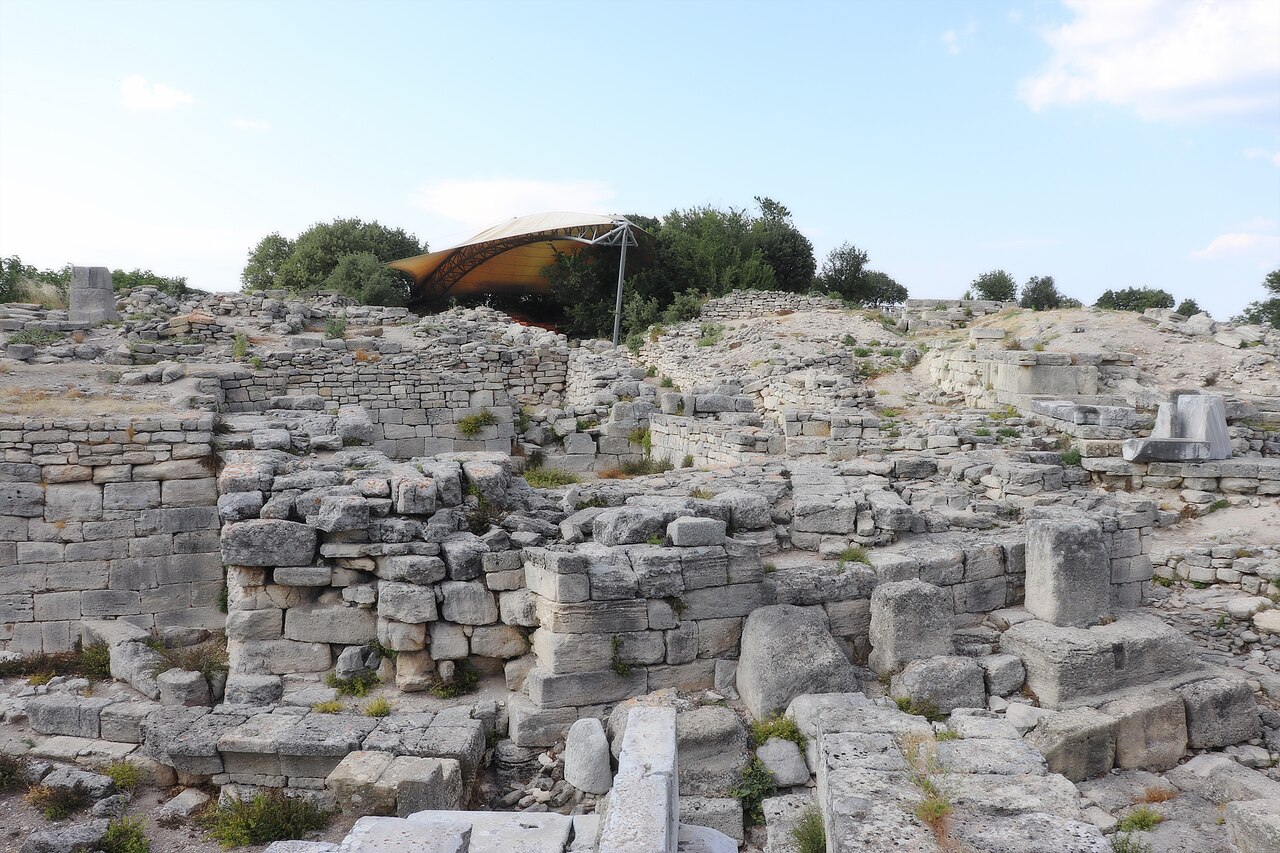
Troy (Turkish: Troya), on Hisarlik hill south of Çanakkale, is the ancient city made world-famous as the setting of the Trojan War and the wooden-horse legend in Homer's Iliad. Nine successive cities were built one atop another here across roughly 4,000 years, from around 3000 BC into the Roman era, and the site was inscribed on the UNESCO World Heritage List in 1998. The standard visit pairs the ruins with the Troy Museum, opened in 2018; as of 2026, artifacts recently repatriated from the United States are newly on display there. Come expecting to walk 'the place where a myth was confirmed as history' rather than grand standing monuments.
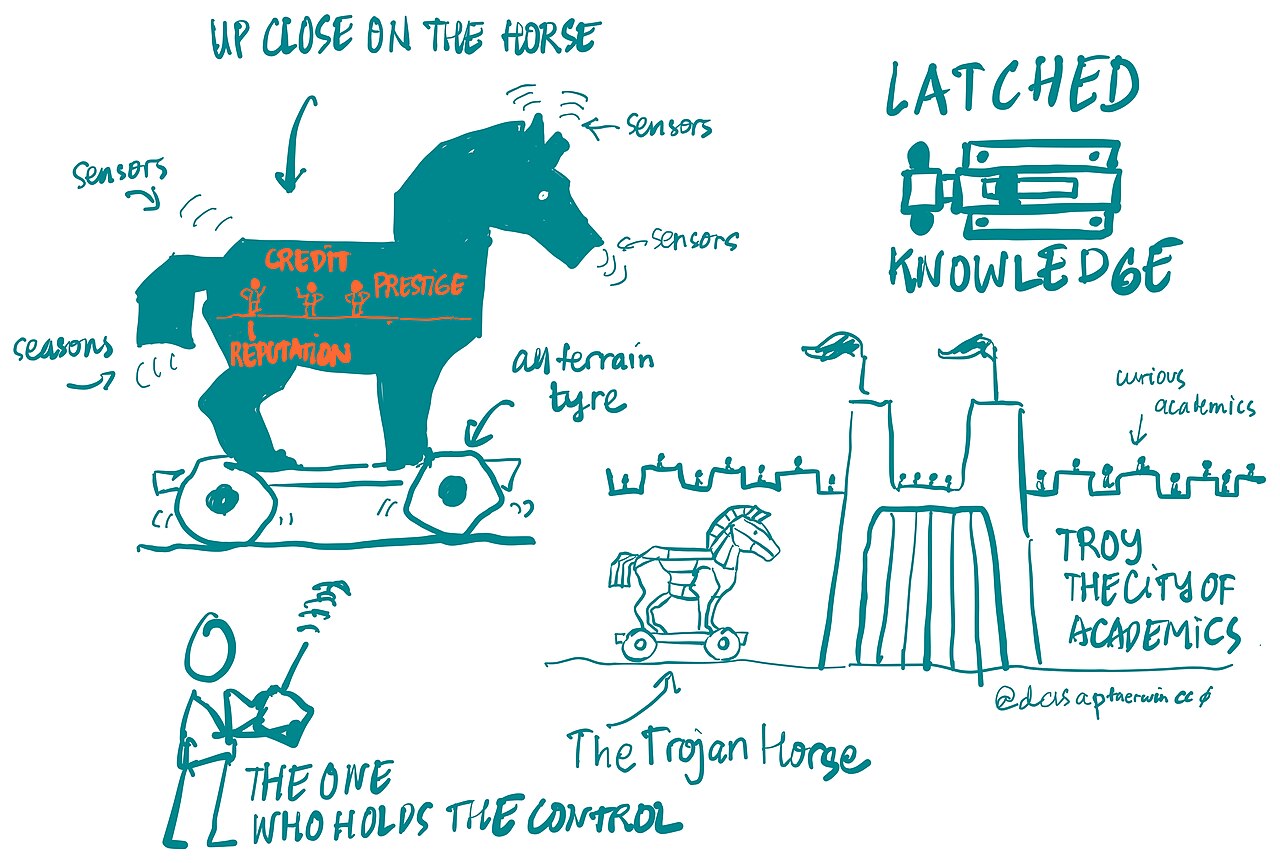
The giant reconstructed wooden Trojan Horse at the entrance, which you can climb inside via a ladder - the signature photo spot (note it is different from the movie 'Troy' prop horse displayed in central Çanakkale).
The excavated cross-section of the nine layered cities, Troy I-IX, where 4,000 years of history are stacked in a single mound.
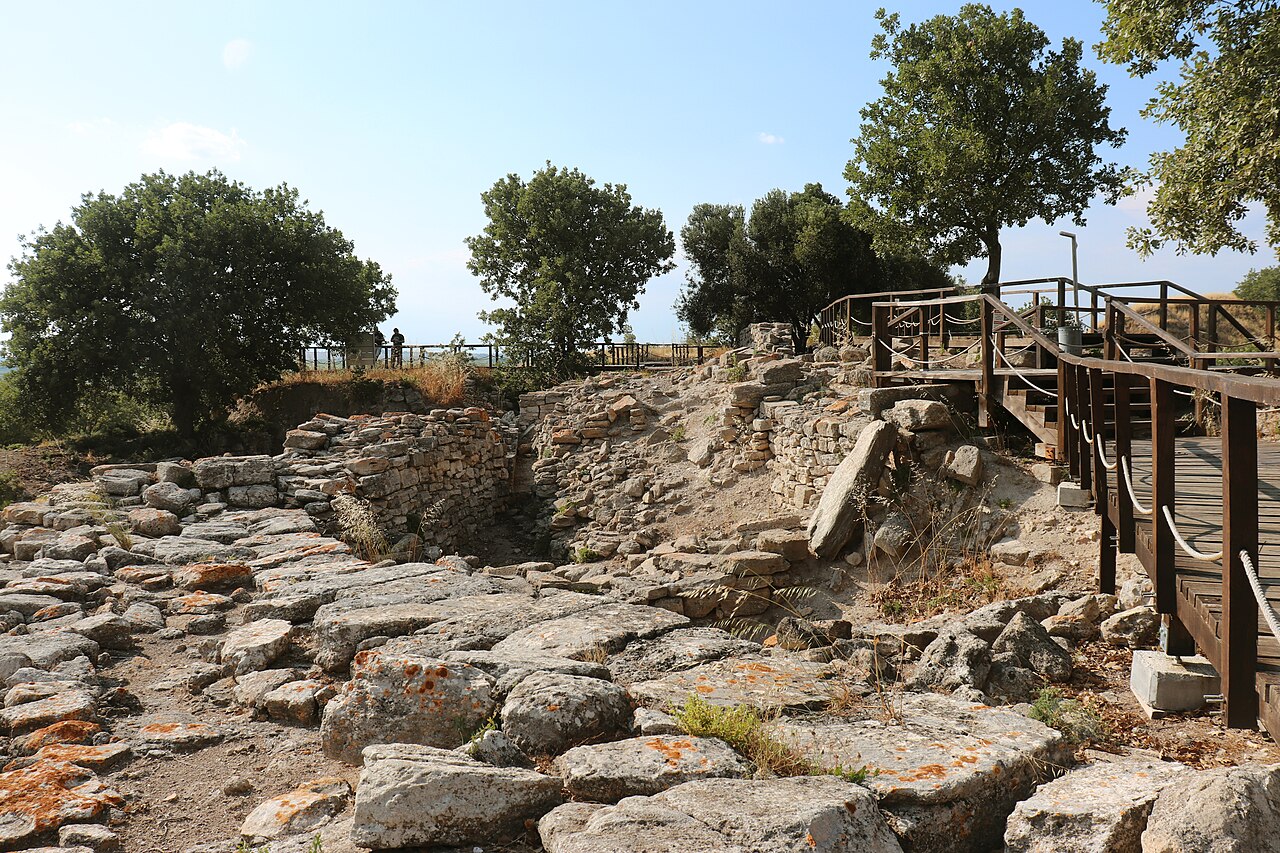
The walls, towers and East Gate of Troy VI - among the best-preserved Late Bronze Age fortifications, with their distinctive sloping stone ramparts.
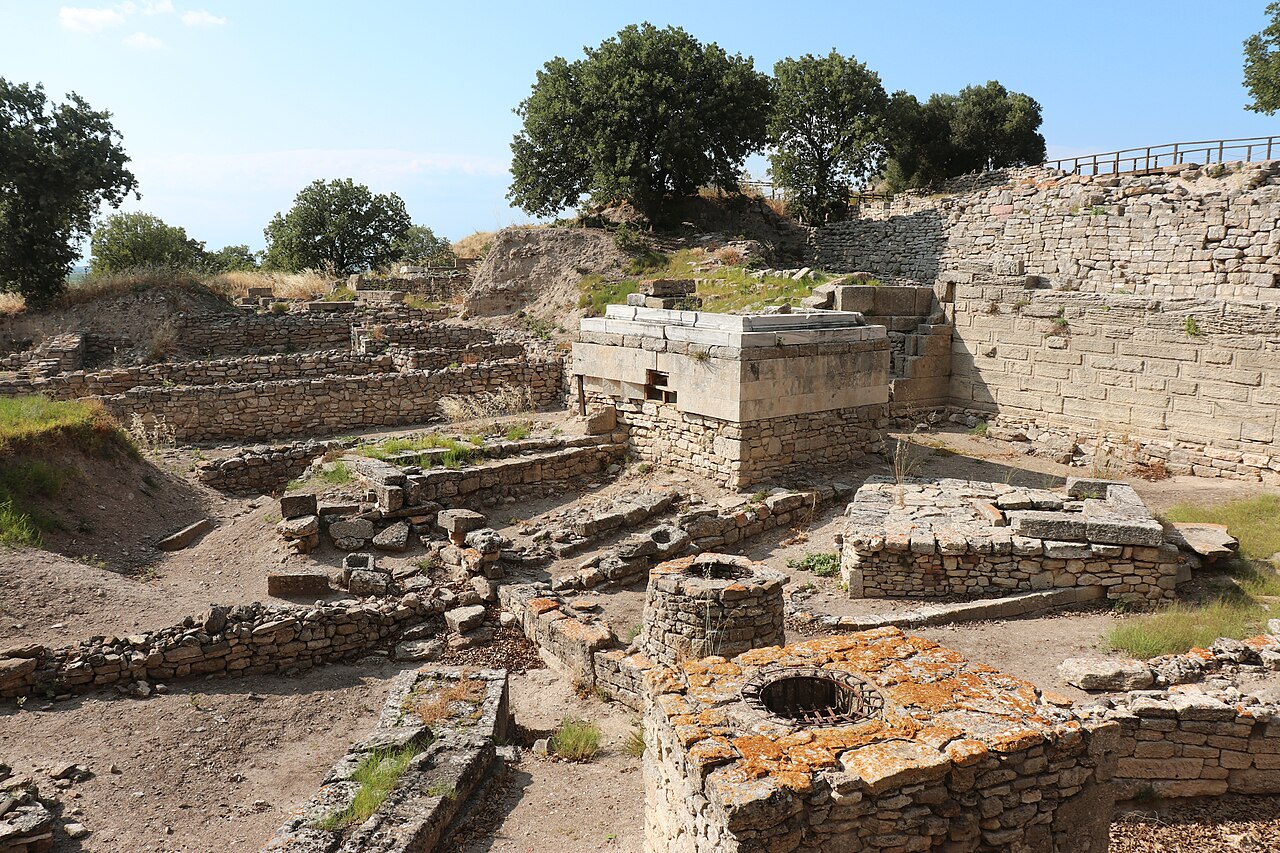
The Troy II megaron (great house) and the ramp near where Heinrich Schliemann reported finding the so-called 'Priam's Treasure'.
The rust-colored cube of the Troy Museum (opened 2018), whose seven sections present the finds systematically and are best seen together with the ruins.
Good to know
SeasonSummer (July-August) is very hot on the exposed, largely shadeless ruins. Bring a hat, water and sunscreen; the most comfortable months for walking are April-May and September-October.
SafetyThe stone paths and excavation areas are uneven and can be slippery, so wear sturdy walking shoes rather than sandals.
RulesThe ancient city and the Troy Museum are two separate sites about 1 km apart, each with its own ticket. Prices and hours change often, so check the official site muze.gov.tr for the latest before you go (the Turkish 'Museum Card' does not apply to foreign visitors).
MannersThis is an active archaeological site: do not climb on the ancient walls or touch artifacts, and keep to the marked visitor paths.
CautionBetween central Çanakkale and the site you may be approached by taxi drivers and private-tour touts. Agree on a clear price in advance for any taxi or private tour and avoid overpriced offers.
SafetyDolmuş minibuses from Çanakkale to the site run only every couple of hours and the last one back leaves in the early evening, so confirm your return time in advance.
Practical info
The site is about 30 km south of central Çanakkale, reached by dolmuş minibus departing from below the Atatürk bridge or by a half-day group tour. Summer hours (roughly April-October) are typically 08:30-20:00 and winter hours are shorter, but prices and opening times change frequently, so confirm the latest details on the official site (muze.gov.tr).
On-site reviews📍 Verified on-site
No reviews yet. If you are here, be the first to leave one.