The Trier Amphitheater is a Roman arena built around the 2nd century AD, cut into the slope of the Petrisberg hill, where up to about 20,000 spectators once watched gladiatorial combat and wild-animal fights. It is one of the best-preserved Roman amphitheaters north of the Alps and has been part of the UNESCO World Heritage Site "Roman Monuments, Cathedral of St. Peter and Church of Our Lady in Trier" since 1986. In 2026 the city marks the 40th anniversary of that World Heritage listing with a program of festivals and Roman-themed events. With the seating tiers long gone, the exposed arena floor and underground passages let you picture the scale and spectacle of Roman entertainment as you walk through.
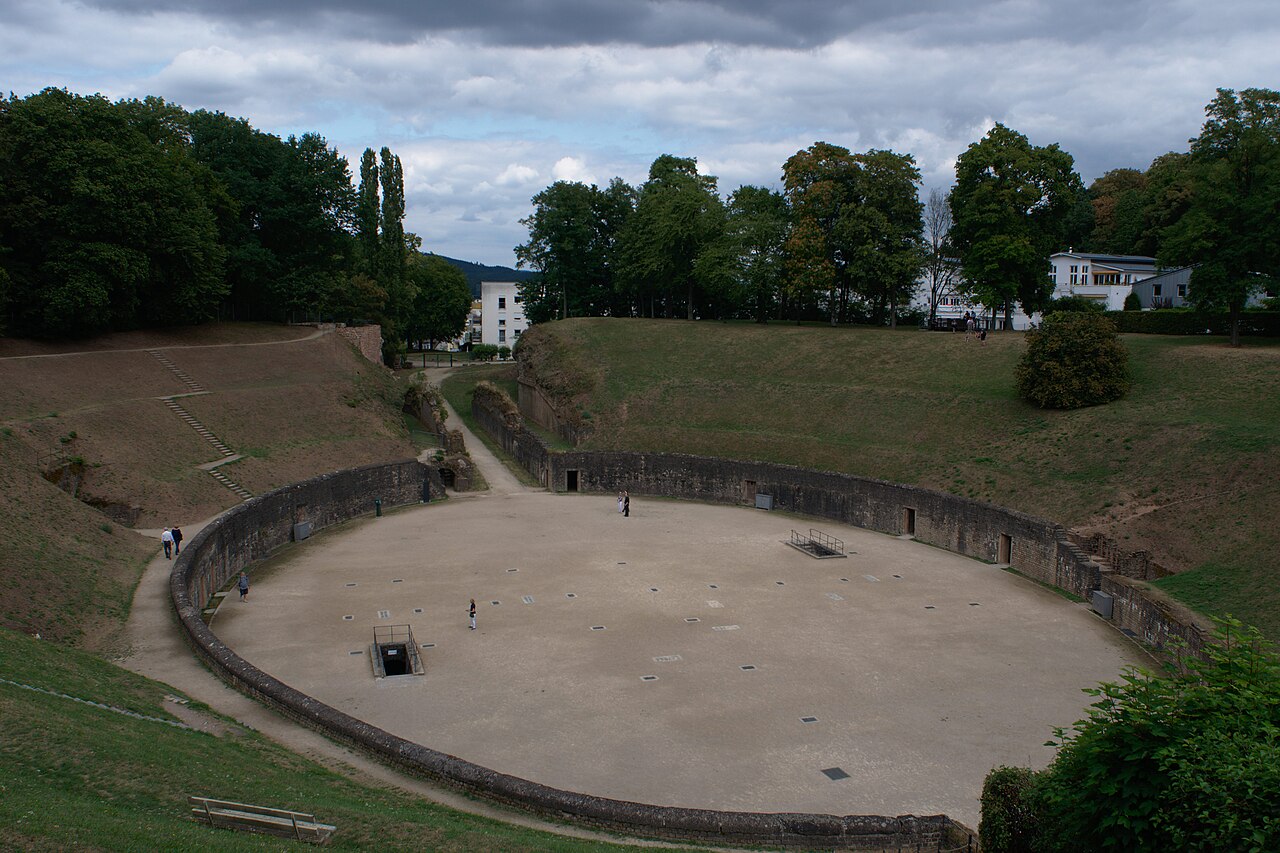
Standing on the oval arena floor to grasp the scale of a venue that once held around 20,000 spectators
The underground cellar (Keller): cages that held gladiators and animals, holding space for the condemned, and traces of the lift machinery used for dramatic stagings
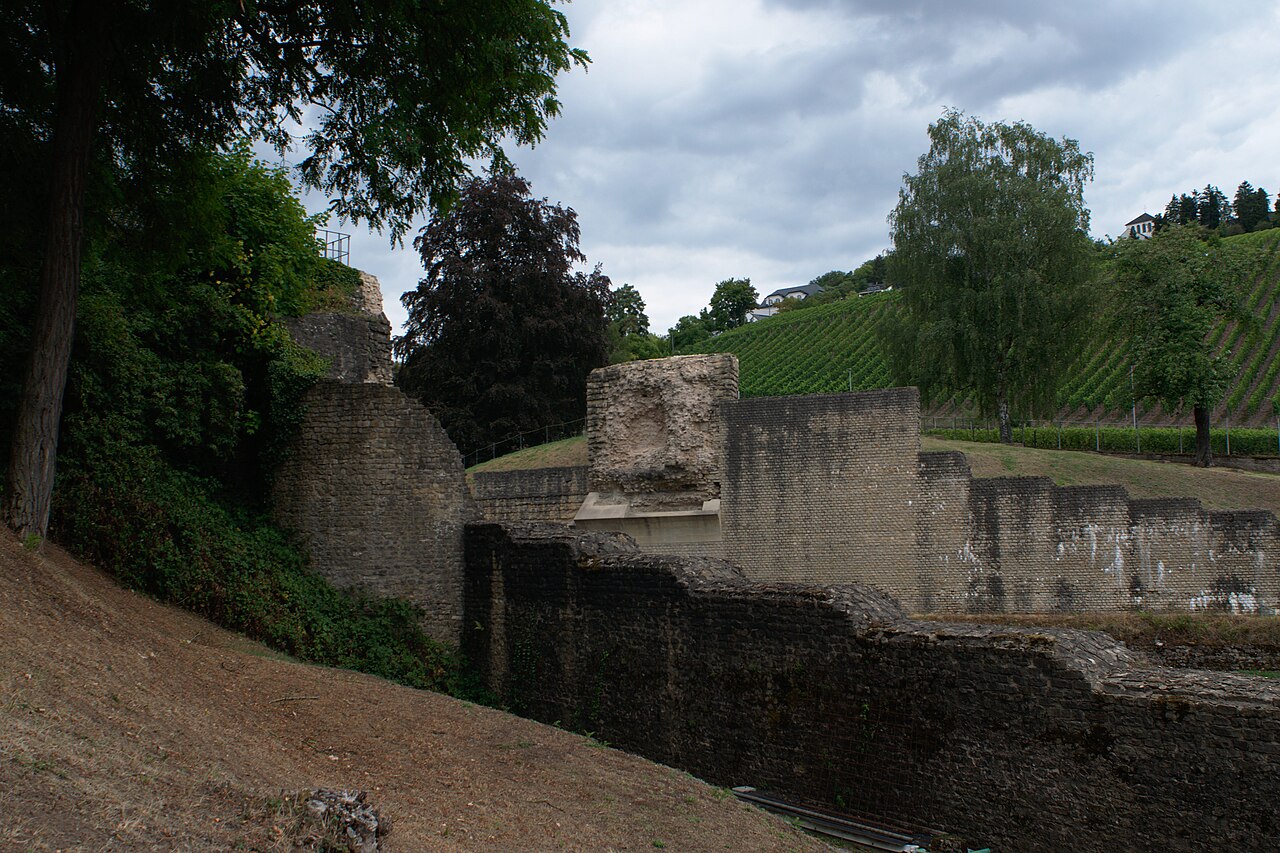
The unusual setting - built into a hillside and integrated into the city's eastern wall, blending engineering with the natural terrain
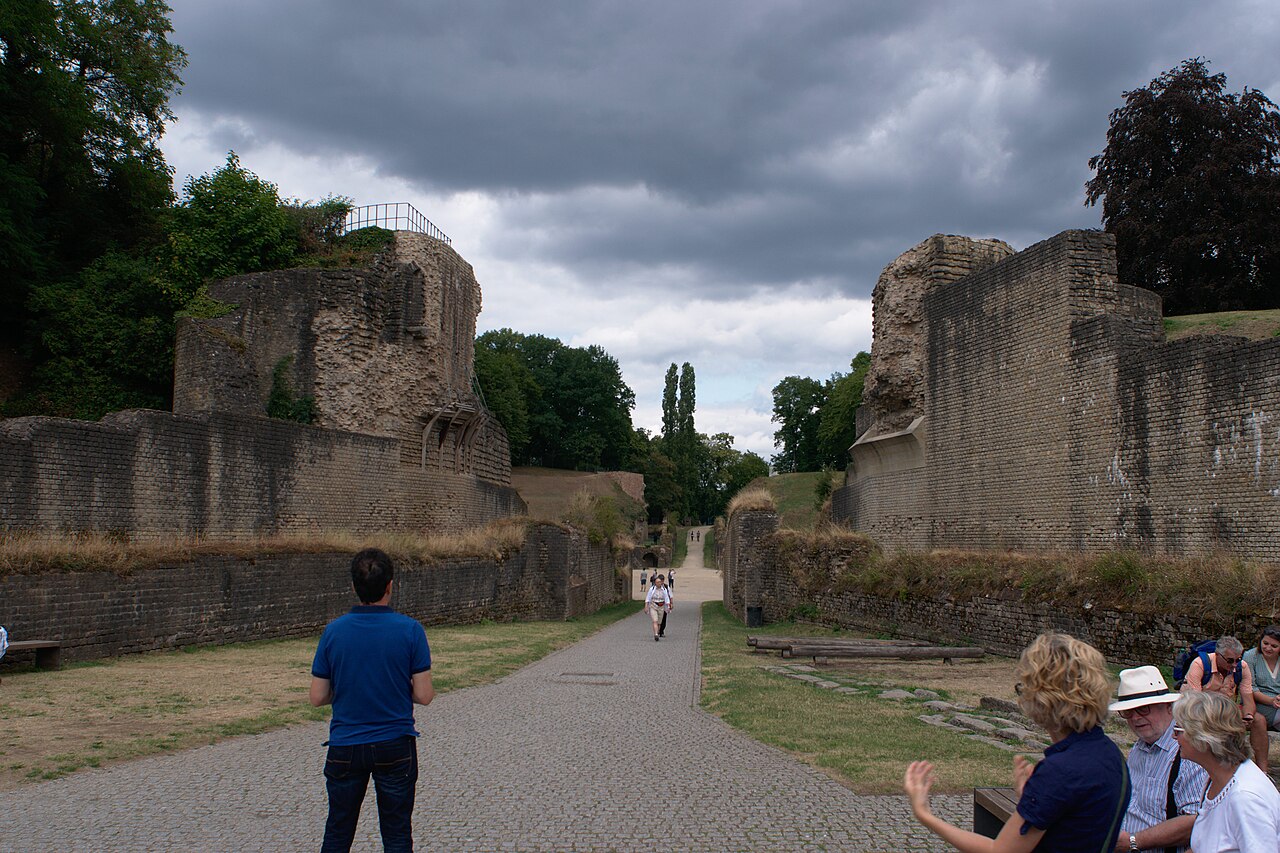
The exposed stone framework, drainage and access corridors revealed now that the tiered seating is gone
The stage for summer 'Römer-Leben' gladiator re-enactments and 'Brot und Spiele' (Bread and Circuses), Germany's largest Roman festival
Good to know
RulesOpening hours and admission change by season and event, so confirm the latest details on the official site before you go. In summer 2026 the site closes early at 16:00 (last entry 15:30) on July 17-18 and July 22-25, and opens only at 13:00 on September 14 due to events.
SeasonThe peak summer months and the 'Brot und Spiele' festival (usually early August) get very crowded, and parts of the site may be closed off. On days with gladiator shows or concerts, normal sightseeing access can be restricted - check the schedule.
SeasonThe arena offers almost no shade, so midsummer visits mean strong sun and heat - bring a hat, sunscreen and water. In winter (Nov-Feb) it closes at 16:00, so allow enough time for an afternoon visit.
SafetyThe underground cellar has narrow stairs, uneven floors and low light, which can be slippery. Wear comfortable flat shoes and watch your footing and the handrails.
MannersThis is a 1,900-year-old World Heritage structure. Do not climb on the stonework or leave marks, and stay on the marked paths. Photos are fine, but tripods or drones may require prior approval.
CautionTrier is relatively safe, but stay alert to pickpockets in crowds around the festival and the train station. Buy tickets at the on-site box office or the official website, and avoid third-party resellers charging inflated prices.
Practical info
The amphitheater is about a 20-minute walk from Trier Hauptbahnhof or a short bus ride to the 'Amphitheater' stop, and is easily reached on foot from the old town (Olewiger Str. 25, 54295 Trier). It generally opens 09:00-18:00 from April to September, until 17:00 in October and March, and until 16:00 from November to February, with last admission 30 minutes before closing. Adult tickets are around EUR 6 and EUR 3 for ages 6-18 (under-18s free during the Rhineland-Palatinate summer holidays, 26 June-9 August 2026); the combined 'AntikenCard' is good value if you plan to see several Roman monuments - always check current prices and times.
On-site reviews📍 Verified on-site
No reviews yet. If you are here, be the first to leave one.