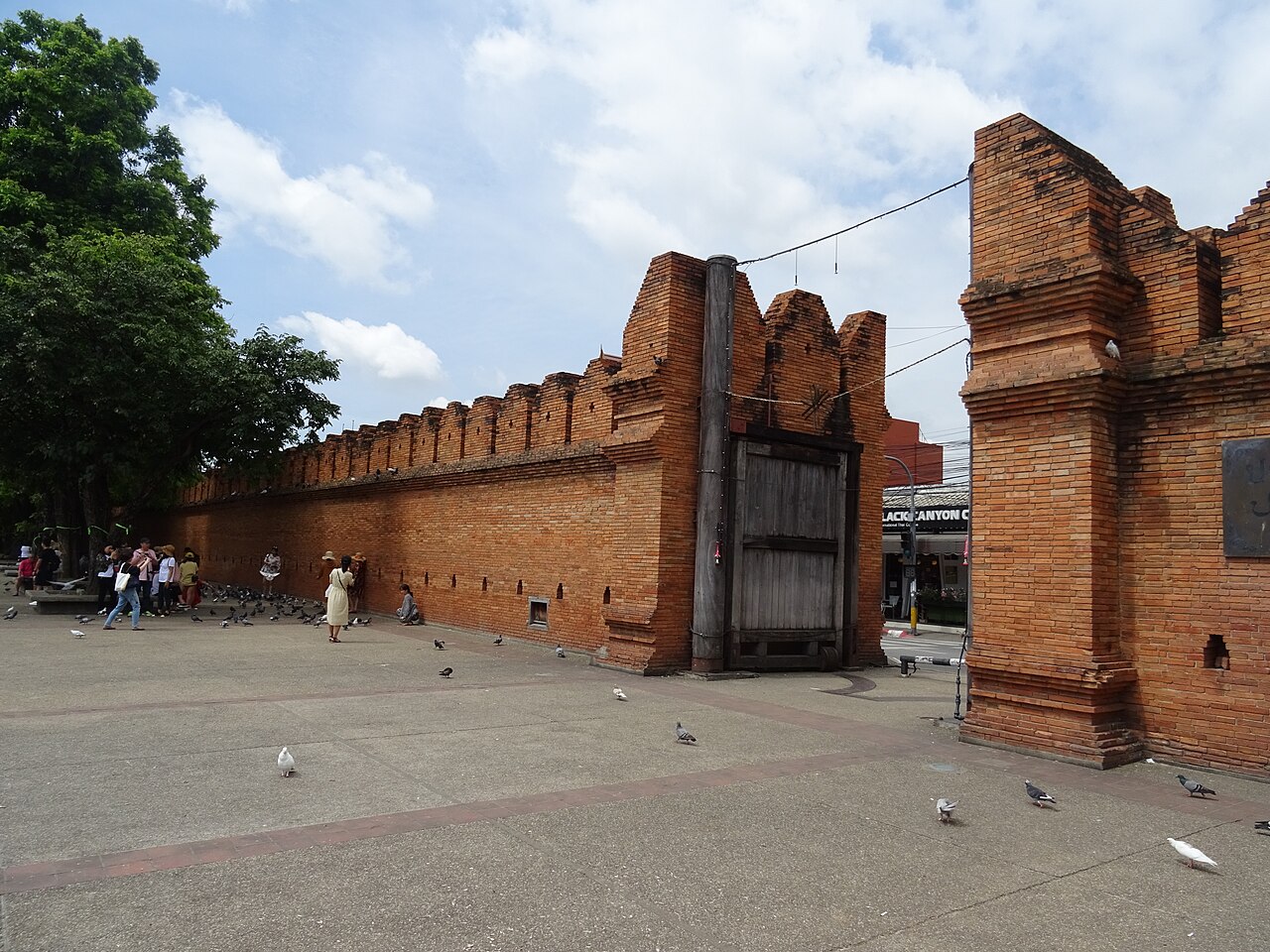
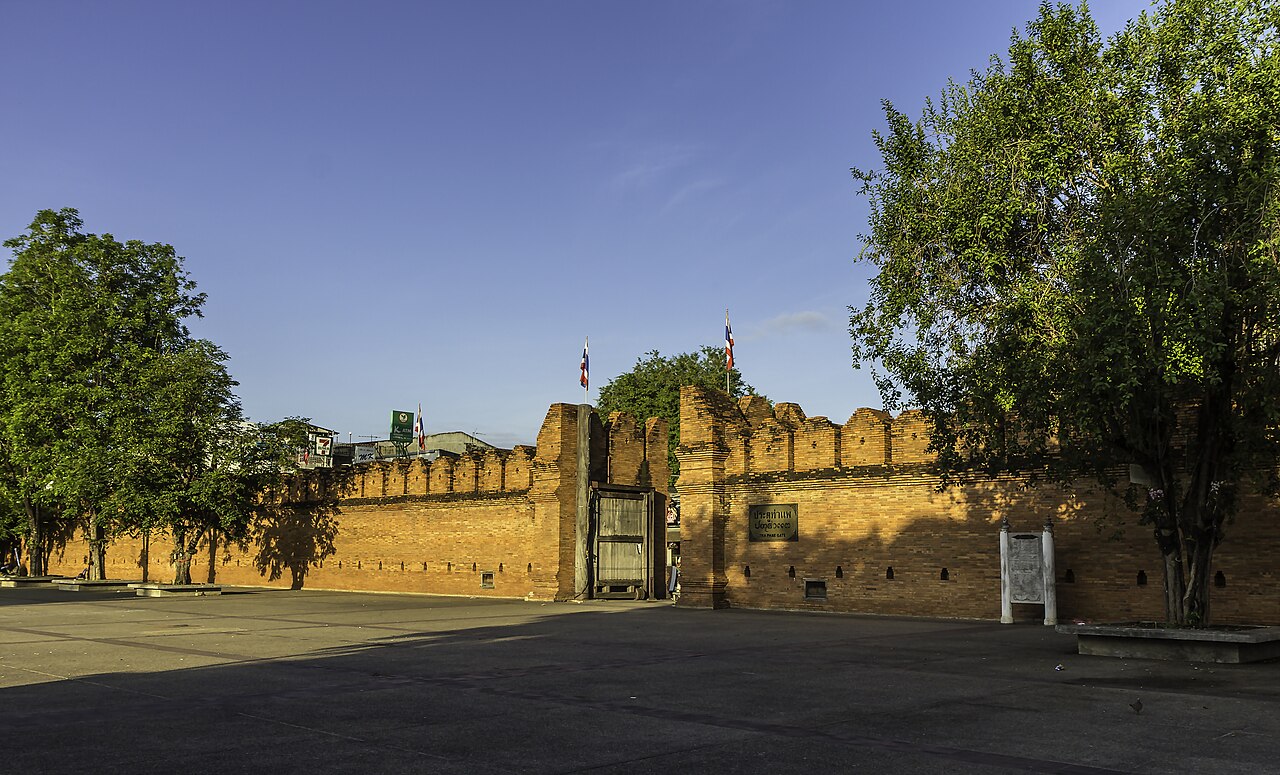
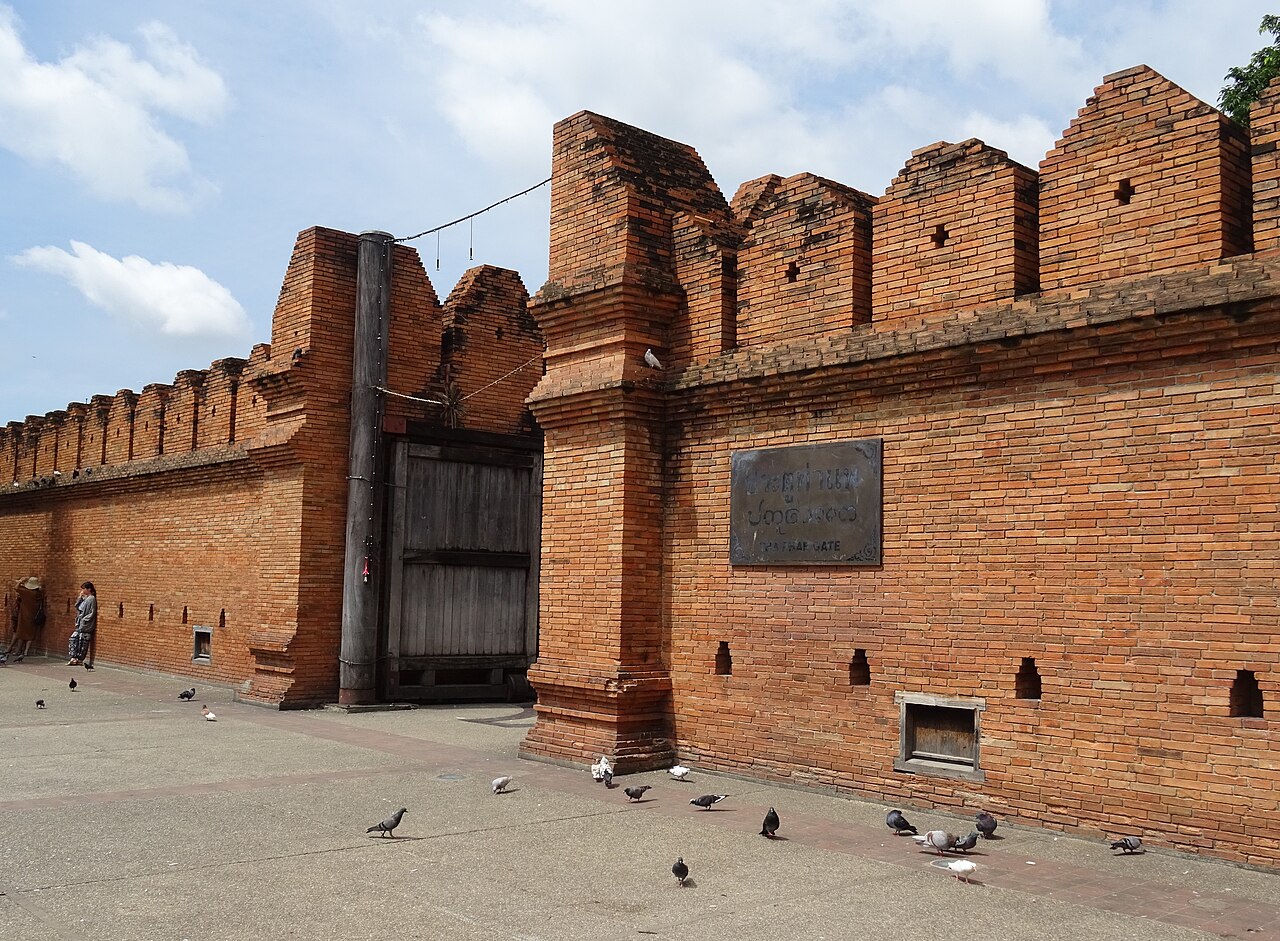
Tha Phae Gate is the eastern main gate of the walls surrounding Chiang Mai's Old City, founded in 1296 by King Mengrai as the capital of the Lanna Kingdom; it remains the city's icon and a natural starting point for exploring. The name Tha Phae means 'raft landing,' recalling its role as the entry point where merchants and goods arrived via the Ping River. Today the red-brick gate and its square buzz with flocks of pigeons, photographers, festivals, and a famous night market.
The reconstructed red-brick gate and its plaza are Chiang Mai's signature photo spot, often shot with the resident pigeon flocks.
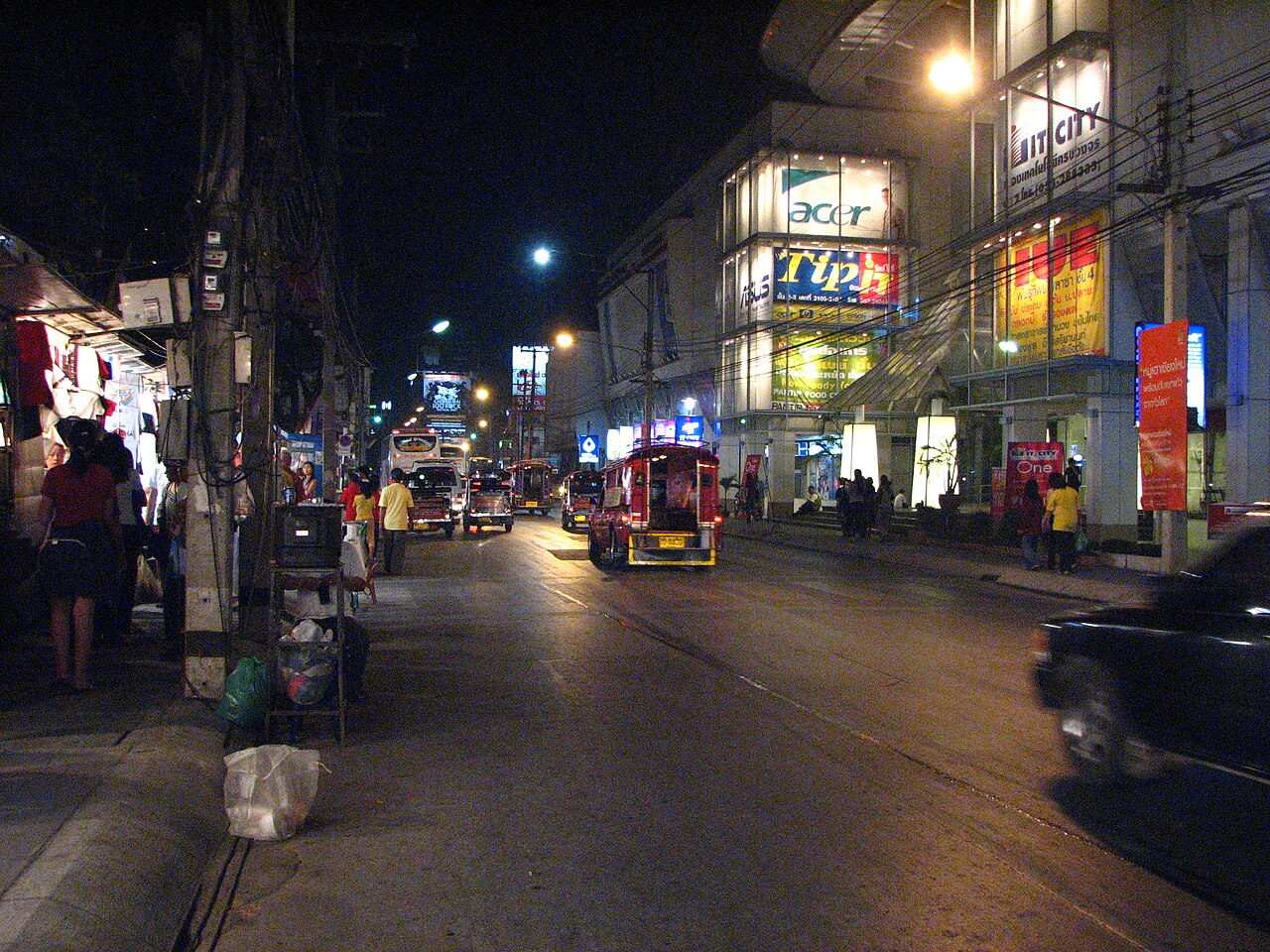
Every Sunday evening (roughly 5:00–10:30 PM) the Sunday Walking Street market stretches about 1 km from the gate toward Wat Phra Singh.
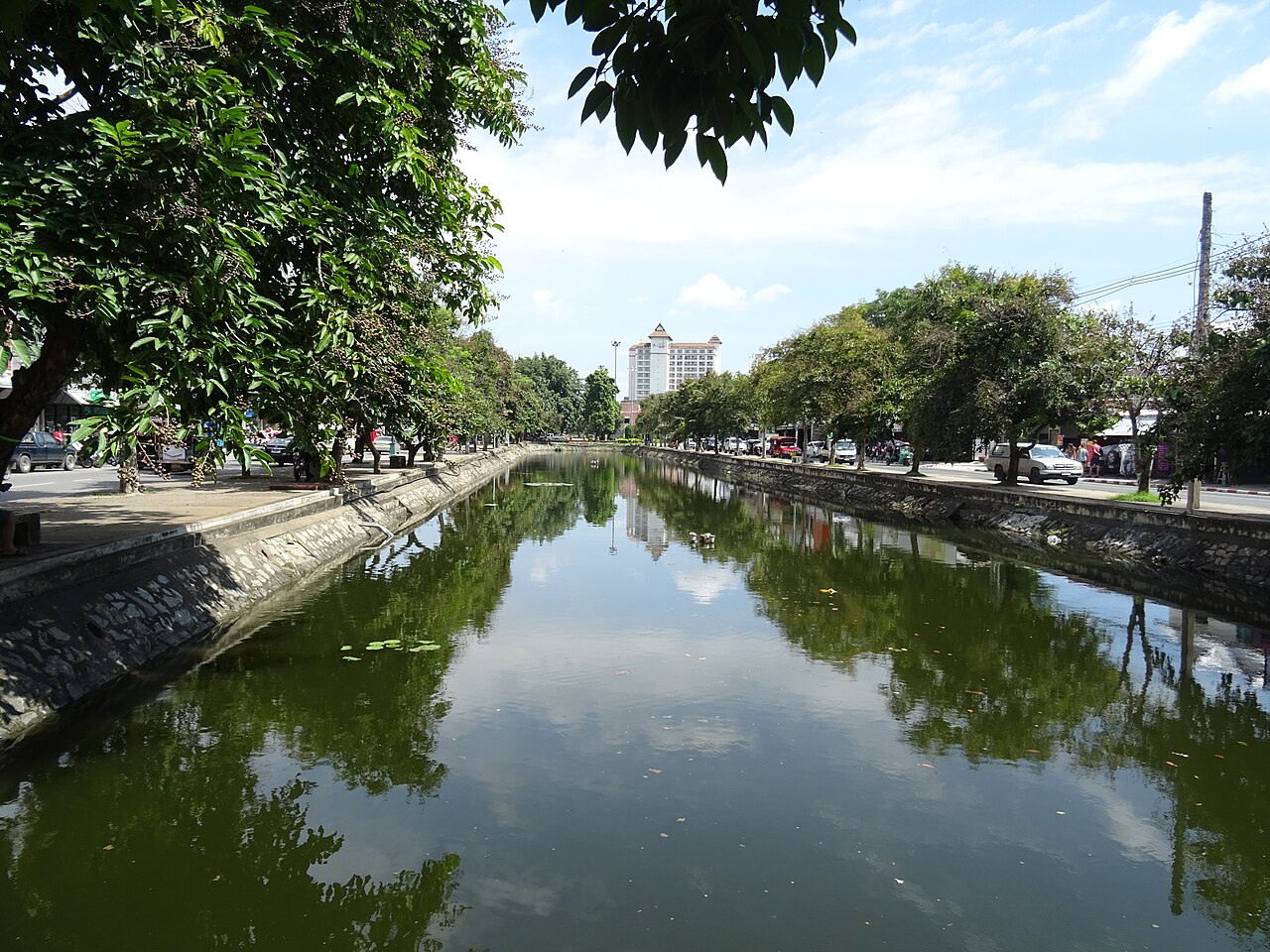
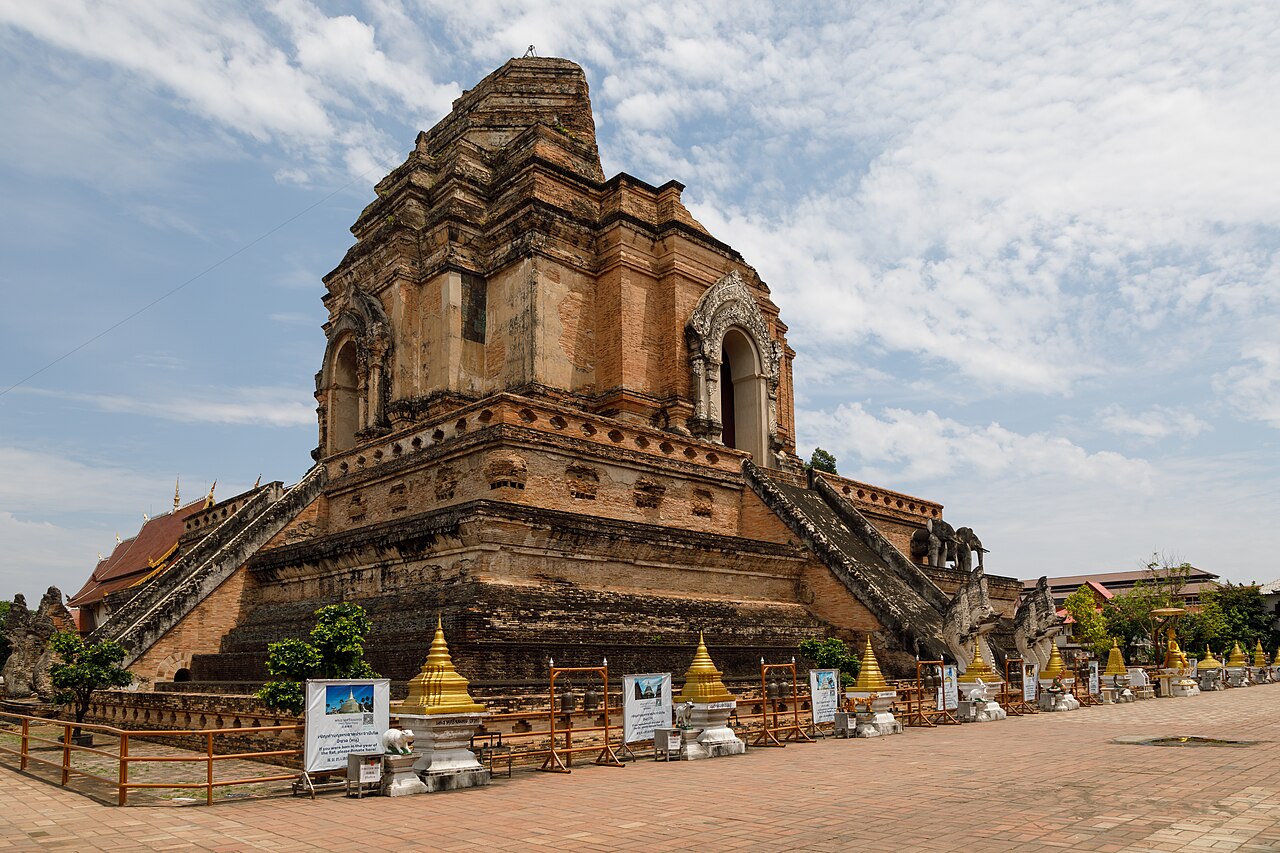
The Old City is ringed by a square moat and walls, with Lanna-era temples such as Wat Chedi Luang and Wat Phra Singh all within walking distance.
The gate is a focal venue for Songkran (Thai New Year water festival, April) and the Yi Peng sky-lantern festival (around November).
Cafes, restaurants, massage shops and guesthouses cluster nearby, making it an ideal base for exploring the Old City on foot.
Good to know
CautionBeware the 'pigeon photo' hustle: touts hand you a bag of feed (about 100 baht) or startle the birds for an action shot, then demand a large tip. Decline firmly if you're not interested.
RulesFeeding pigeons in the square is officially prohibited by city regulation. Even though vendors sell feed, you can be fined, so avoid it (verify current rules and enforcement).
CautionTuk-tuk and taxi drivers near the gate may steer you to commission shops or shows, or inflate fares. Always agree on the destination and price before boarding, and consider metered taxis or the Grab app.
SafetyPickpocketing is reported when crowds swell, especially during the Sunday Walking Street. Wear bags in front and keep phones, wallets and valuables out of sight.
RulesDrinking alcohol in public around Tha Phae Gate can lead to enforcement and a fine (reported around 1,000 baht). Don't carry open drinks outdoors (verify current rules).
MannersAt nearby temples, covering shoulders and knees is required and shoes come off indoors. Carrying a light scarf or sarong is handy.
Practical info
The gate itself is a free, open-air landmark accessible any time. The Sunday market runs only on Sunday evenings, while temples have their own hours and entry fees—check each temple's latest info. Daytime offers little shade, so bring water, a hat and sun protection.
On-site reviews📍 Verified on-site
No reviews yet. If you are here, be the first to leave one.