Sylt is Germany's northernmost island, part of the North Frisian Islands in the North Sea off the coast of Schleswig-Holstein. It is famous for roughly 40 km of sandy beaches, the striking Red Cliff, and the UNESCO-listed Wadden Sea mudflats, and it ranks among Germany's most upscale seaside resorts. Westerland, the island's main town, is the gateway with the train station, a shopping district, and a beach promenade first built in 1913. In 2026 it remains a popular destination where summer accommodation books out fast, best approached as a nature-focused getaway of sea wind, dunes, and tidal flats.
Westerland's beach promenade with its Musikmuschel (open-air music pavilion) and rows of Strandkörbe (hooded wicker beach chairs)
The Rotes Kliff (Red Cliff) between Kampen and Wenningstedt — a sandstone coastal formation glowing red from iron-oxide content
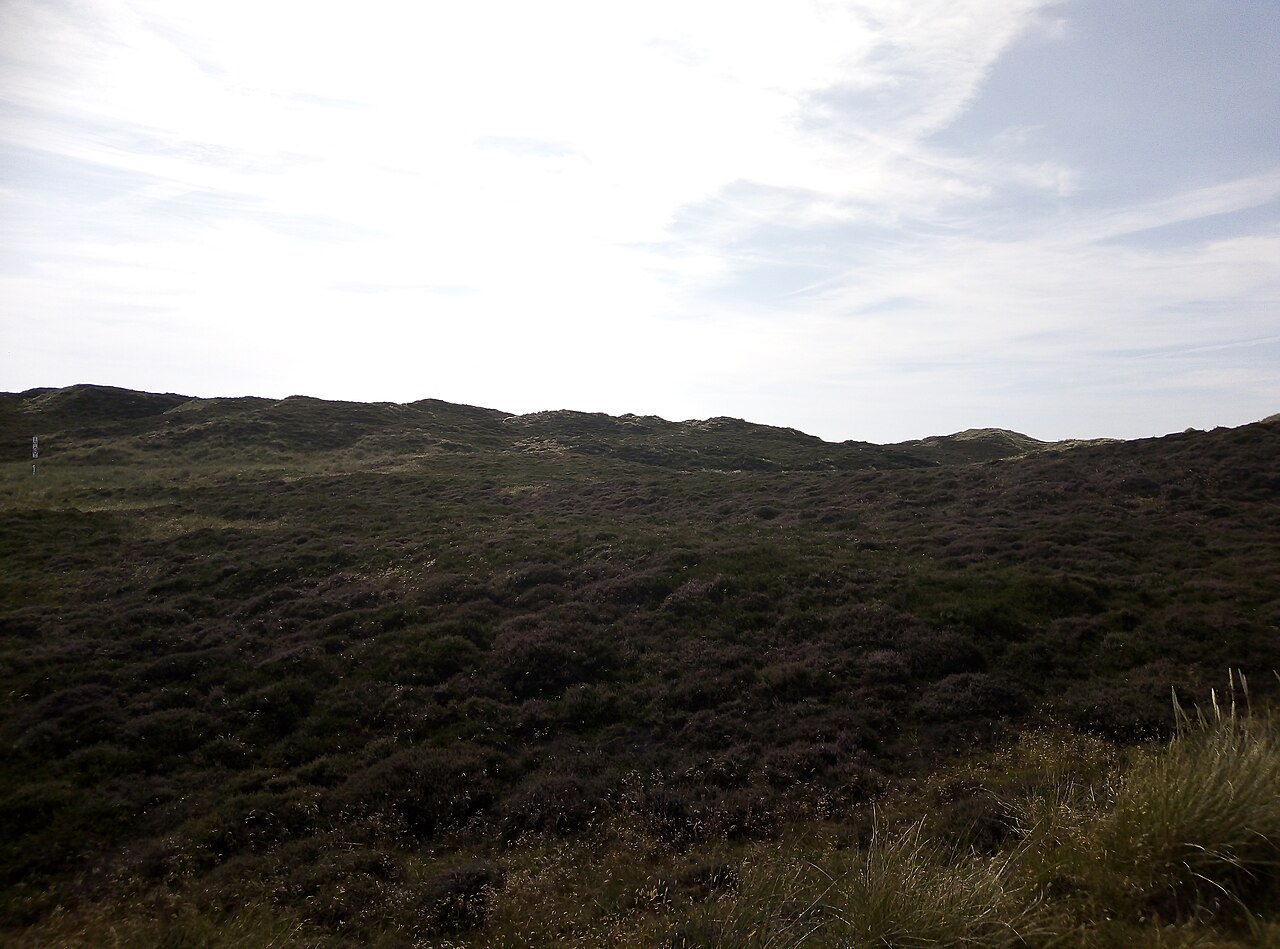
The Ellenbogen near List — Germany's northernmost point, a nature reserve of wild dunes and free-roaming sheep
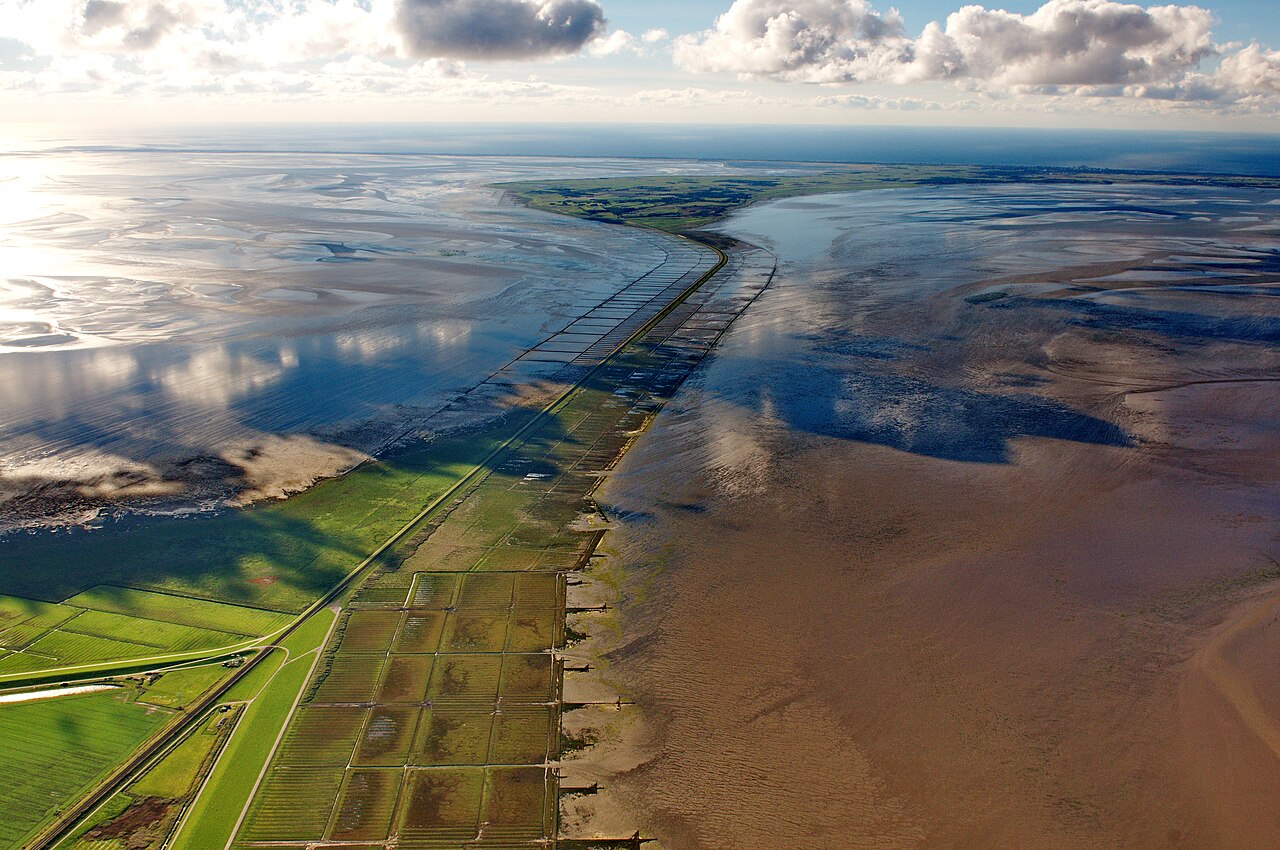
The Wadden Sea National Park (UNESCO World Natural Heritage) — vast mudflats exposed at low tide and guided mudflat hikes (Wattwanderung)
Distinctive island villages: upscale Kampen, the old sea-captains' village of Keitum, and the lighthouse at Hörnum
Good to know
SafetyThe North Sea has strong currents. Sylt's notorious 'Treckerströmung' (a current that drags swimmers seaward like a tractor) makes it essential to swim only in lifeguard-supervised zones marked by red-and-yellow flags. A red flag means no swimming; a yellow flag means experienced swimmers only.
SafetyThe Wadden Sea mudflats flood quickly as the tide returns, and people can get cut off. Do mudflat hiking (Wattwanderung) only on a guided tour and always check the tide times beforehand.
SeasonEven in summer the sea wind is strong and the weather changes fast, so pack a windproof jacket, light layers, and rain gear. July-August and the Easter/Christmas holidays are peak season, when lodging and the car train sell out early, so book well ahead.
RulesSylt charges a visitor tax (Kurtaxe). Day visitors must also pay it at the beach entrances and receive a guest card (Kurkarte); in Westerland the 2026 peak-season rate is about EUR 4.10 per day. Fees can change, so confirm the latest amount.
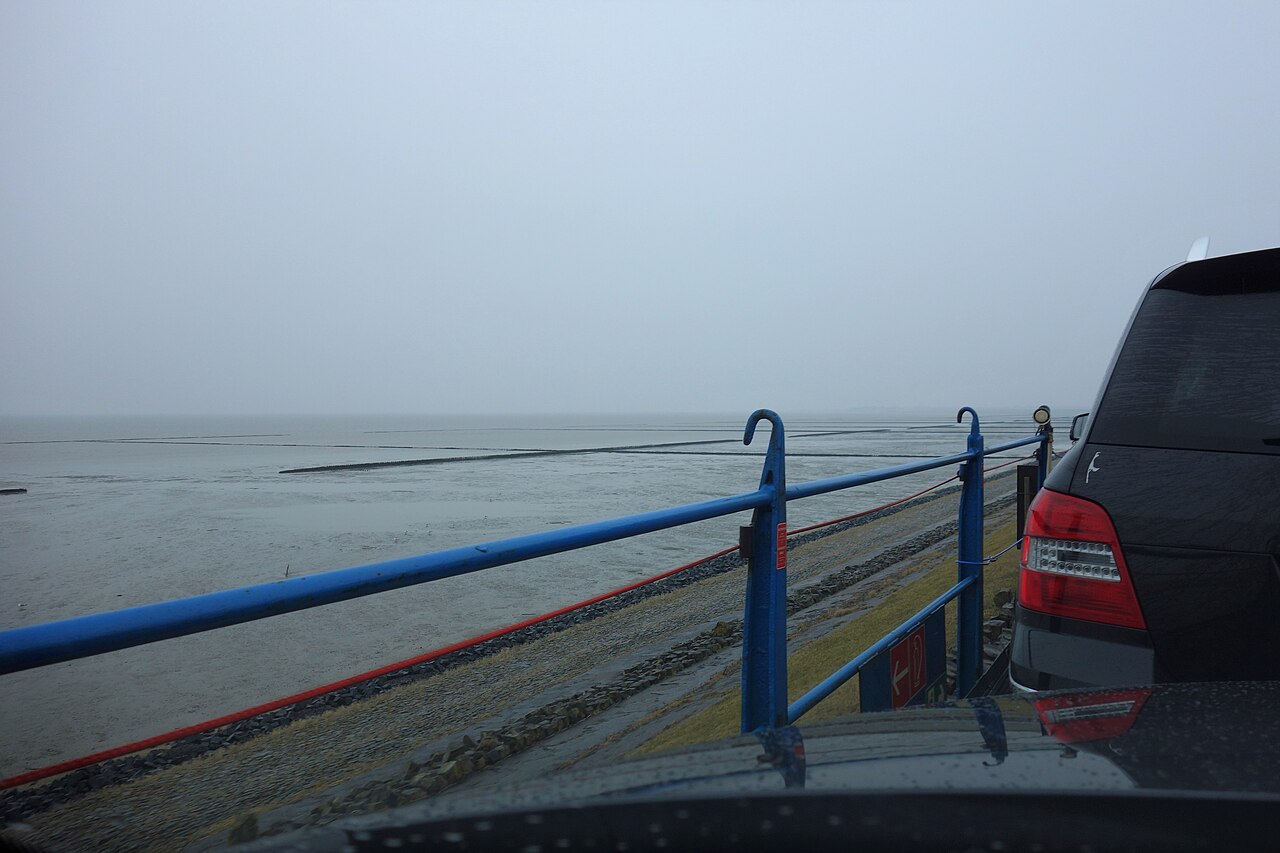
RulesThe Hindenburgdamm causeway is rail-only, so cars must be loaded onto the Autozug (car-carrying train, about 35 min) at Niebüll. Weekend waits in high season can run 1-2 hours, so reserve an online saver fare in advance. Arriving by train or plane, you can get around fine car-free by bus and bike.
MannersThe dunes are a protected habitat: stay on marked paths and never climb the dunes or trample the vegetation. Strandkörbe are rented for a fee, and you must carry your own trash off the beach.
CautionSylt is one of Germany's priciest luxury resorts, so meals, lodging, and parking cost significantly more than average. Outright scams are rare, but check high-season tourist prices in advance and keep an eye on your belongings in crowded spots around the station and promenade.
Practical info
Westerland station connects directly to the German mainland (via Niebüll) and is served by the Autozug, regular trains, and Sylt Airport. On the island, SVG buses and bicycles make getting around easy, and tourist information is available at Westerland's Syltness Center among others. Rates and opening hours for mudflat hikes, museums, and the visitor tax vary by season, so check the official sites for the latest before you go.
On-site reviews📍 Verified on-site
No reviews yet. If you are here, be the first to leave one.