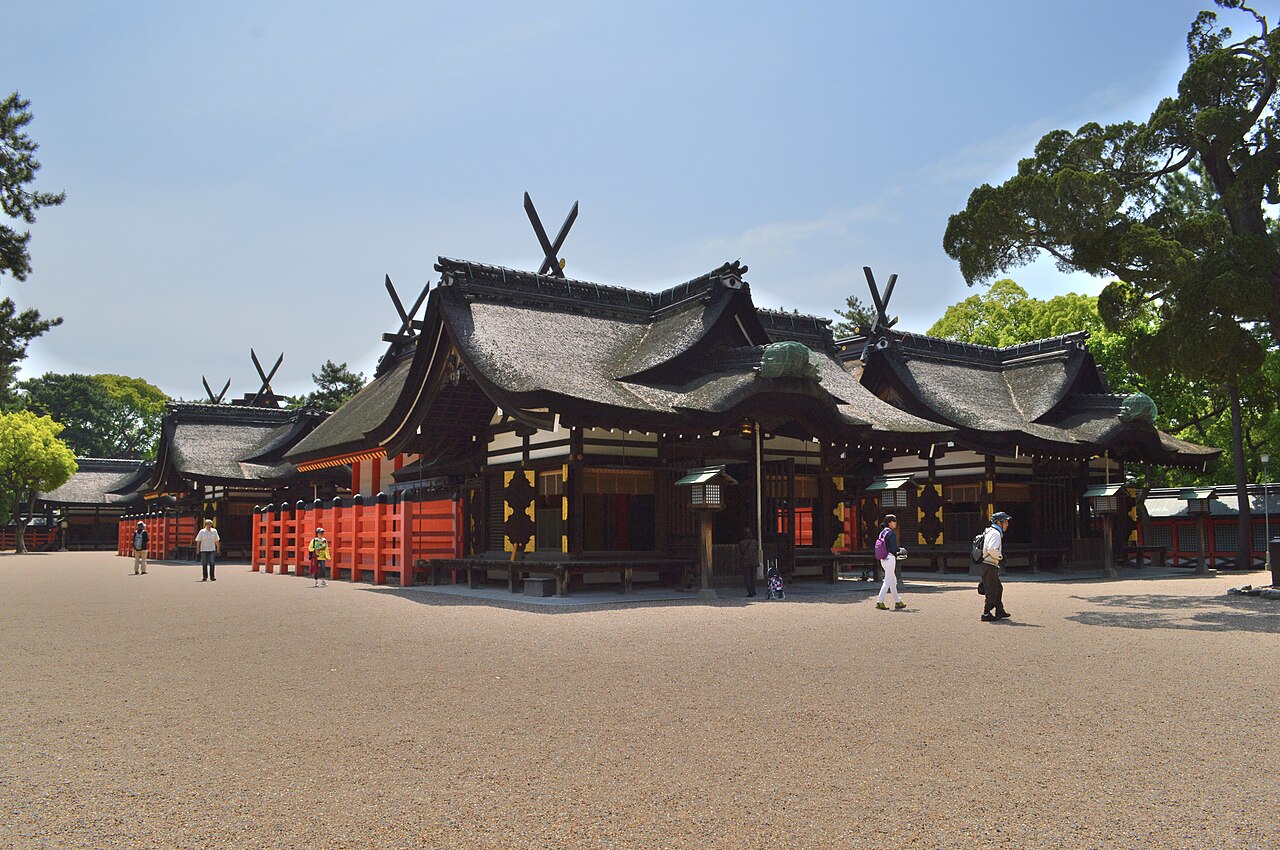
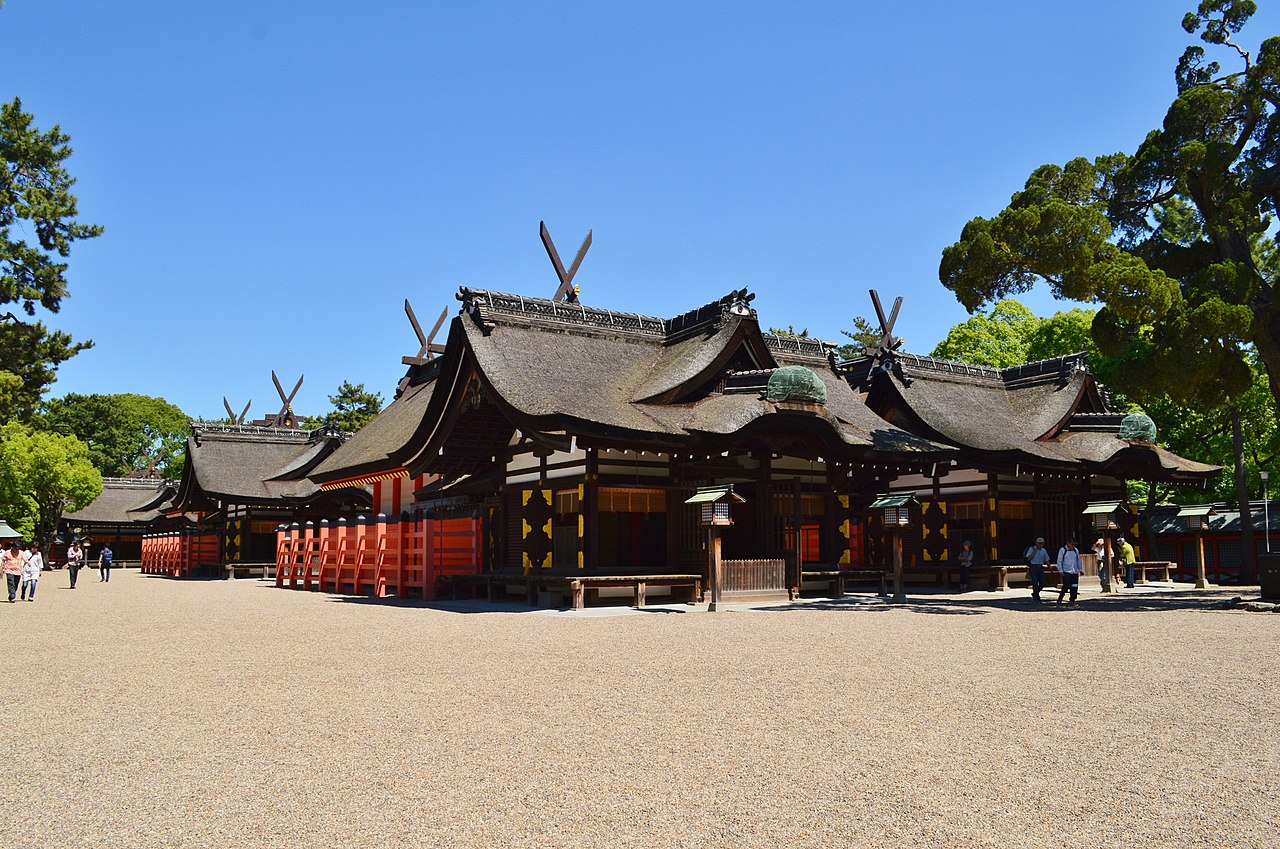
Sumiyoshi Taisha, in southern Osaka, is one of Japan's oldest shrines and the traditional head shrine of some 2,300 Sumiyoshi shrines nationwide, with a founding dated to the 3rd century. It enshrines the three Sumiyoshi deities of the sea and safe voyage alongside Empress Jingu, and its four main halls are National Treasures built in the pure, pre-Buddhist 'Sumiyoshi-zukuri' style. The shrine is equally famous for the steep vermilion arched Sorihashi (Taiko Bridge), a beloved photo and worship spot.
Sorihashi (Taiko/Drum Bridge): a dramatic vermilion arch with a maximum slope of about 48 degrees; crossing it is itself considered a purification (oharai) before worship.
Four National Treasure halls: the First to Fourth Hongu are built in the ancient, uniquely Japanese Sumiyoshi-zukuri style and all designated National Treasures.
Godairiki stones at Gosho-gozen: find the three small stones marked '五', '大', '力' and keep them as a charm said to grant your wishes.
Goshuin (shrine stamps): each of the four main halls issues its own goshuin, popular with visitors who collect them.
Hankai Tramway: arrive on Osaka's last surviving streetcar and step off right in front of the shrine's stone torii for a charming approach.
Good to know
SafetyThe Taiko Bridge (Sorihashi) is very steep (up to about 48 degrees) and especially slippery when wet or in winter. Always hold the handrail, cross slowly, and wear stable, non-slip shoes.
MannersThe worship etiquette at the main halls is 'two bows, two claps, one bow.' This differs from silent prayer, so it helps to know the sequence beforehand.
MannersBow lightly when passing through the torii gate, and keep to the sides of the approach path; the center (seichu) is considered the path of the gods.
SeasonDuring the first three days of January (hatsumode), around two million visitors arrive, causing dense crowds and long queues. Plan for cold weather and heavy congestion if visiting then.
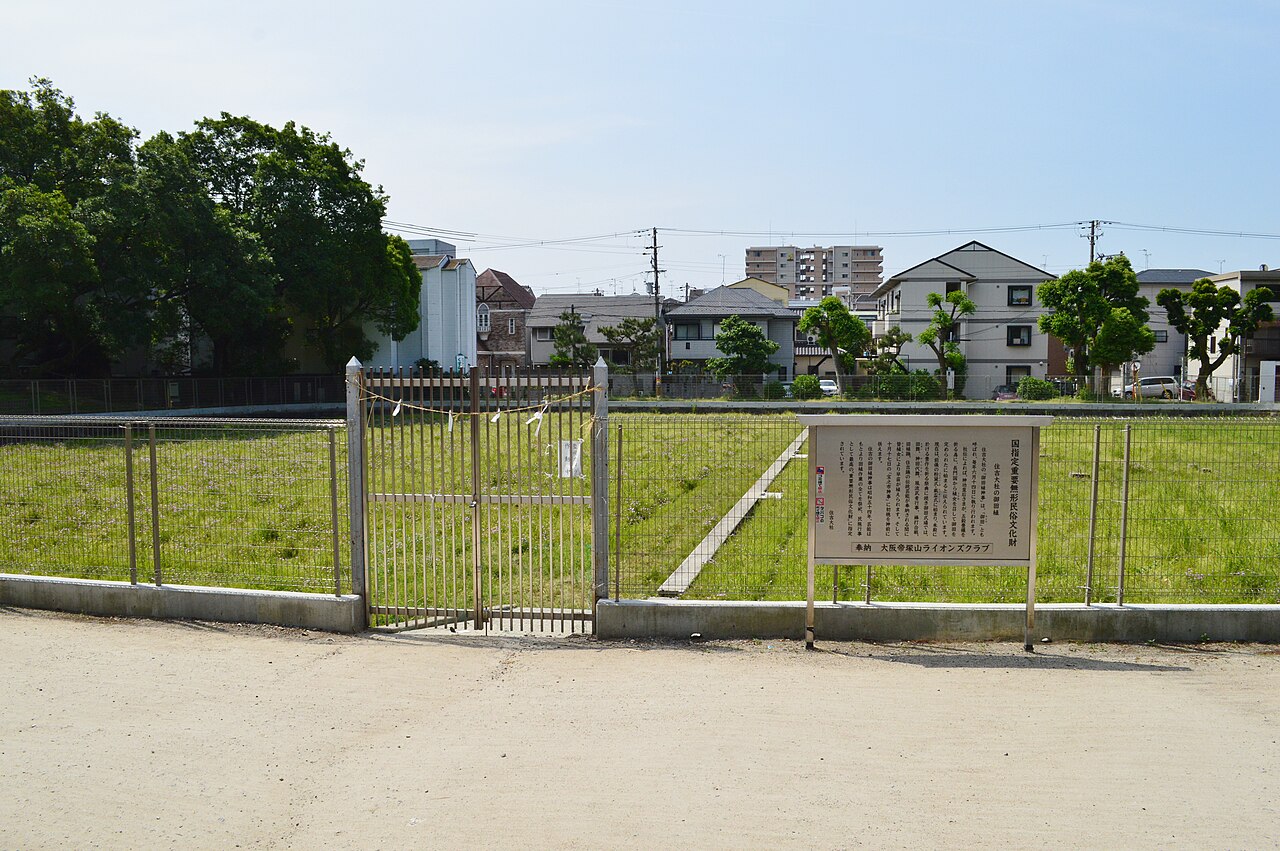
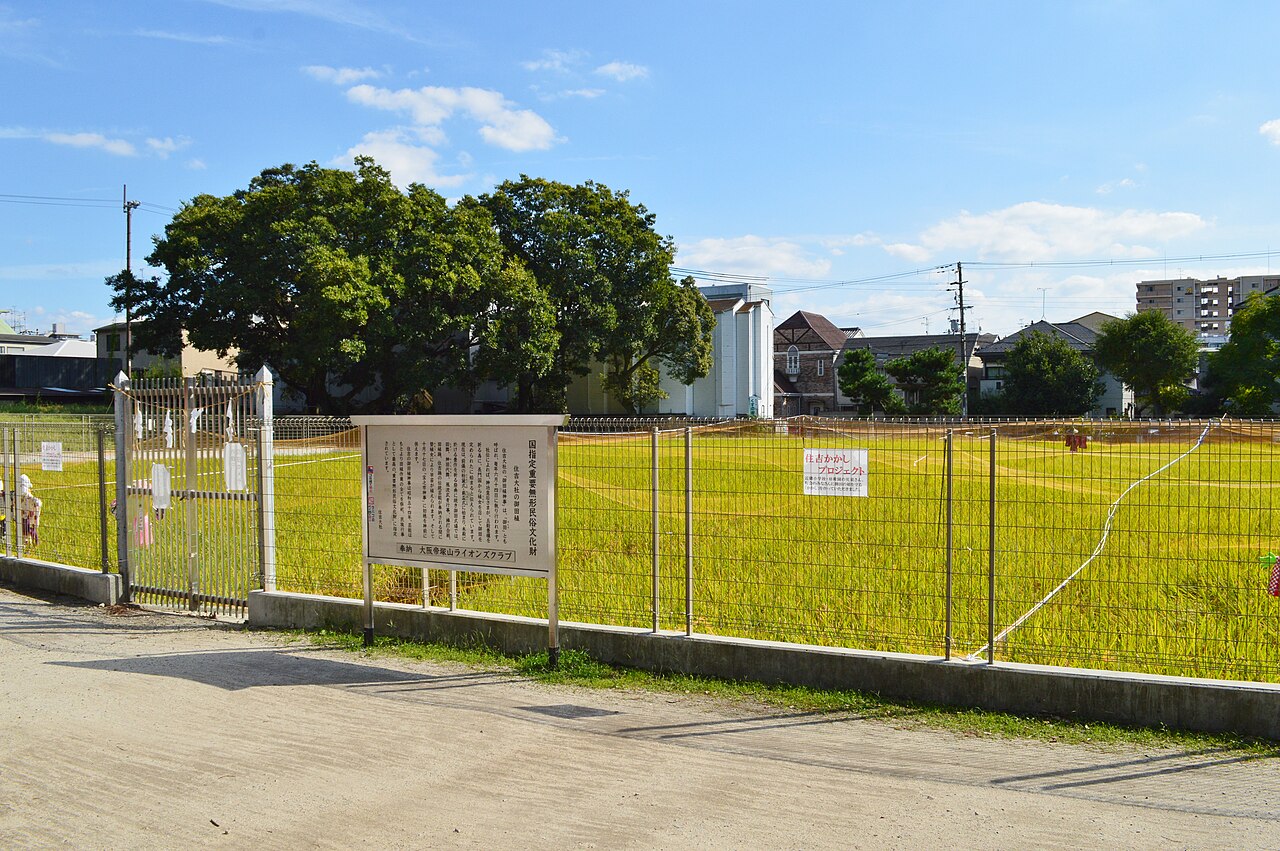
SeasonThe Otaue Shinji rice-planting ritual on June 14 (an Important Intangible Cultural Folk Asset) is a popular event that draws large crowds; check the schedule and viewing spots in advance.
RulesThe precincts are a sacred place of worship: follow signs and any photography restrictions around the main halls, and keep noise to a minimum.
Practical info
Entry is free (some special areas may charge). Opening hours vary by season (roughly 6:00 Apr-Sep, 6:30 Oct-Mar) and different gates close at different times, so check the official website for the latest details before visiting. Access: about a 3-minute walk from Nankai Main Line Sumiyoshitaisha Station, or right in front of the Hankai Tramway Sumiyoshi-Toriimae stop. Allow about 1-2 hours for an unhurried visit.
On-site reviews📍 Verified on-site
No reviews yet. If you are here, be the first to leave one.