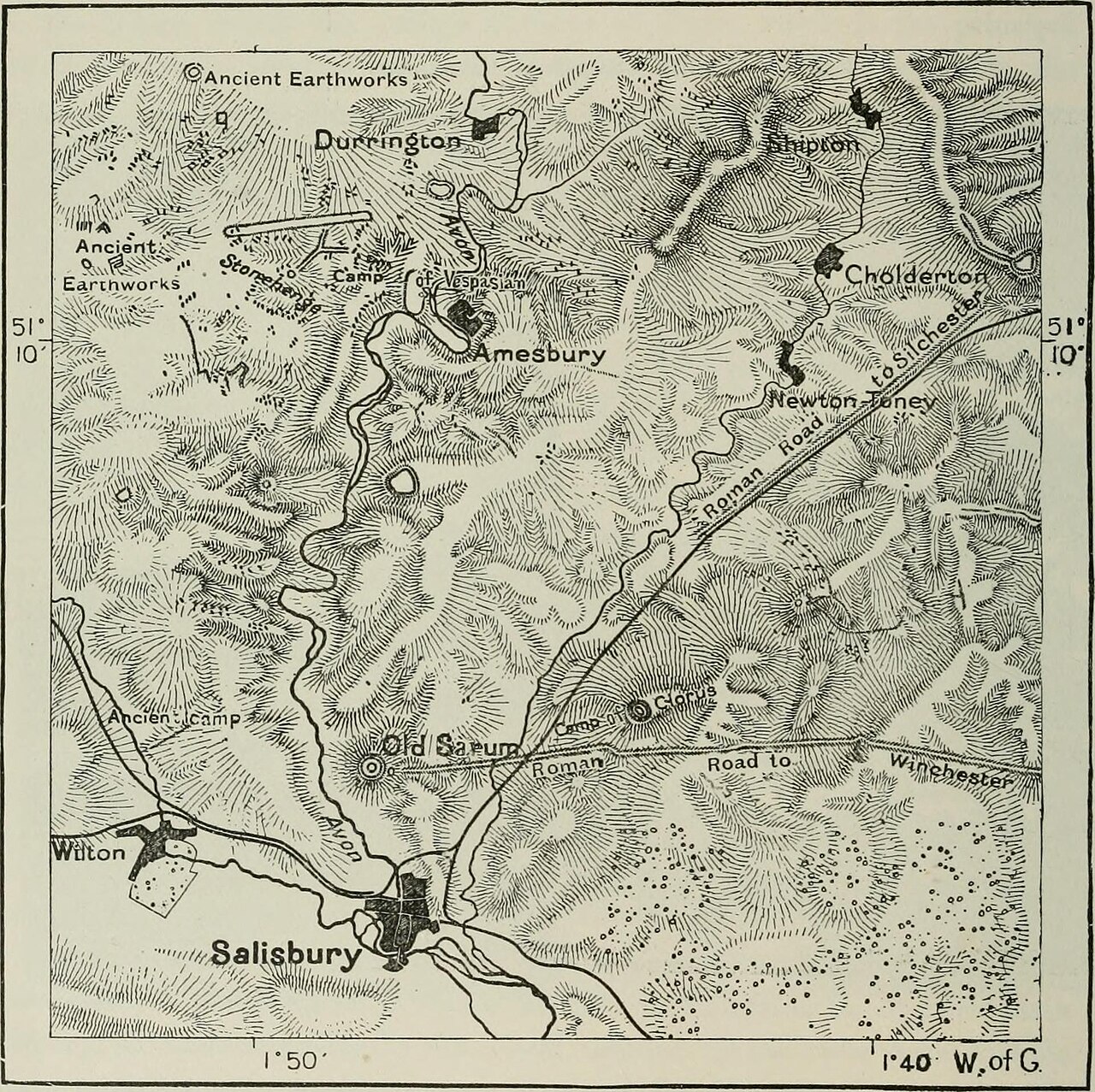
Stonehenge is a prehistoric megalithic monument on Salisbury Plain in Wiltshire, south-west England, built and remodelled in stages over roughly 5,000 years. Its ring and inner horseshoe of massive sarsen trilithons are precisely aligned to the midsummer sunrise and midwinter sunset, making it a UNESCO World Heritage Site celebrated as a feat of Neolithic and Bronze Age engineering and astronomy. It returned to the headlines in 2024 when research showed the central Altar Stone had been carried not from Wales but from north-east Scotland, and the long-disputed A303 road tunnel scheme was finally scrapped in 2025-2026, keeping the surrounding landscape intact. Set alone in the middle of open downland, it is visited via a shuttle from the visitor centre and a circular path that leads you around the stones.
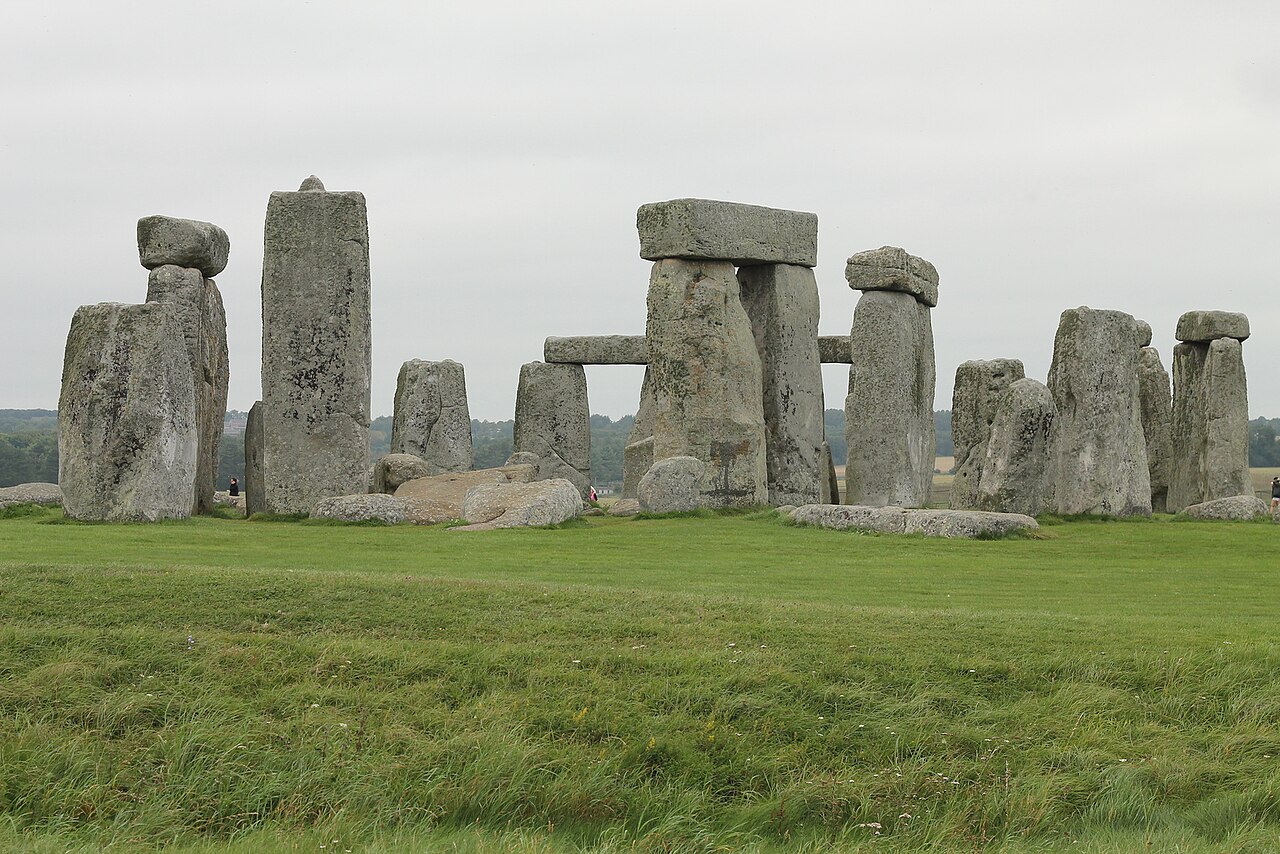
The sarsen trilithons: pairs of giant uprights capped by a horizontal lintel, forming the arch-like doorways. The inner horseshoe gives Stonehenge its iconic silhouette.
The solstice axis: the whole layout frames the sun, which rises near the Heel Stone at the summer solstice and sets between the tallest trilithons at the winter solstice.
The Heel Stone: a rough, unworked sarsen roughly 4.9 m tall standing alone north-east of the circle's entrance, the marker for the midsummer sunrise.
The Altar Stone: a recumbent sandstone block at the centre, shown by 2024 research to have travelled some 700 km from Scotland.
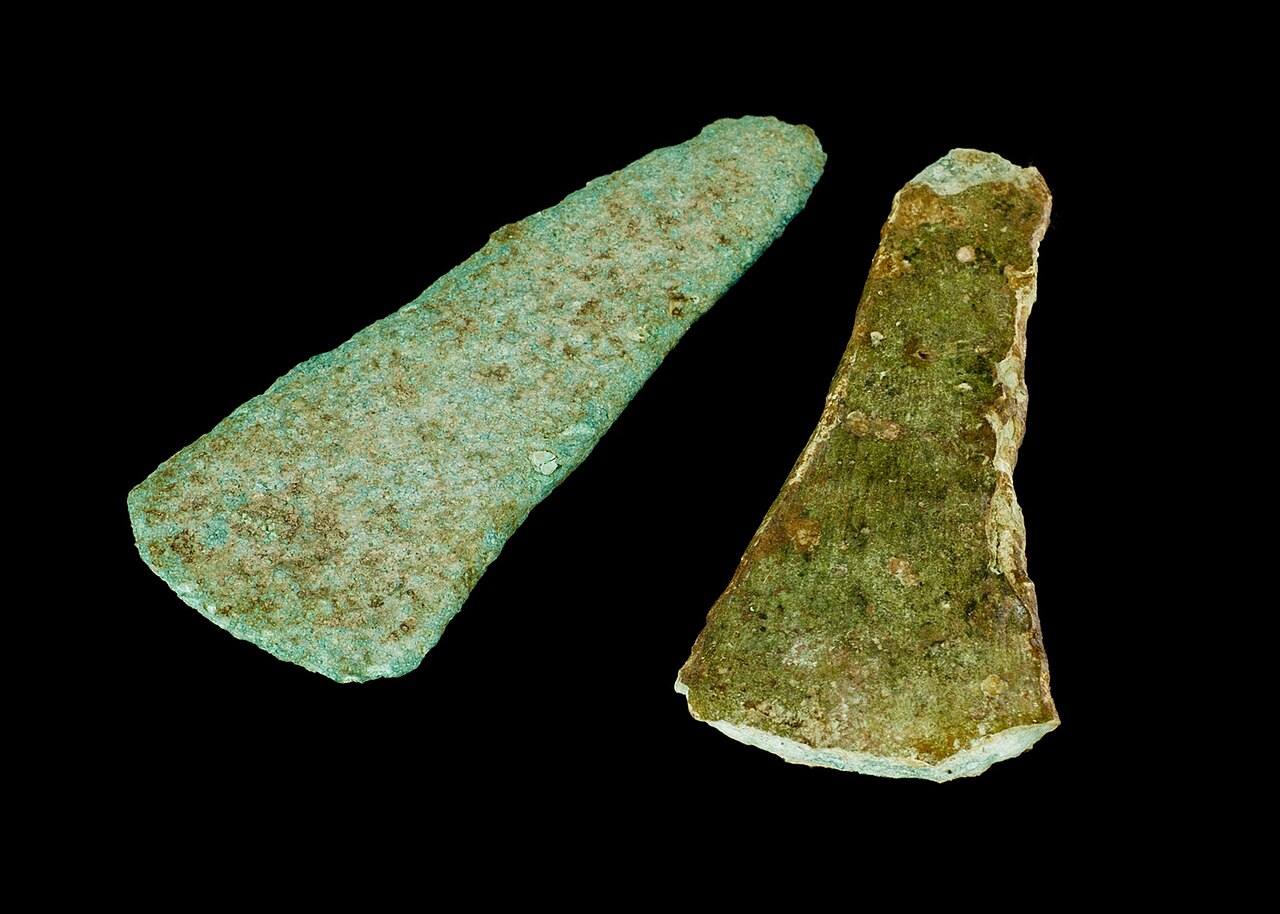
The visitor centre and Neolithic houses: around 300 archaeological finds and reconstructed prehistoric dwellings that explain how and why the monument was built.
Good to know
RulesTimed advance booking is effectively required for entry. Slots sell out in peak season, at weekends and around the solstices, so book ahead through the official English Heritage site (cheaper than the gate). Prices and hours should be confirmed for the latest details.
MannersGeneral admission means viewing the stones from the circular path only; touching or climbing the stones is not allowed. You can get up close only during the free solstice 'Managed Open Access' or a separate paid 'Stone Circle Experience' outside normal hours, and even then you are asked not to touch them.
SeasonThe site sits on exposed open plain, so it is windy and feels colder than in town. Bring a layer even in summer and a windproof, waterproof jacket plus sturdy shoes in spring, autumn and winter; there is little shade or shelter.
SeasonAround the summer solstice (about 20-21 June) free open access draws thousands, parking sells out early and night-time access is tightly managed. If visiting then, travel via Salisbury on public transport or the dedicated bus service.
SafetyThe stones stand beside the busy A303 in open countryside; walking to them across the road or parking on the verge is dangerous. The free shuttle bus from the visitor centre is the only safe way to reach the circle.
CautionMany unofficial resellers trade on the Stonehenge name and mark up tickets and tours. Buy entry from the official website and choose reputable tour operators; be wary of on-the-spot touts near the station or car parks.
Practical info
From London Waterloo it is about 1 hour 30 minutes by direct train to Salisbury, where the hourly Stonehenge Tour Bus takes roughly 30 minutes to the visitor centre; many coach day-trips also run from London. By car it is off the A303 (sat-nav SP4 7DE), with parking around £4 for non-members. Opening is broadly 09:30 to 17:00 in winter and 18:00 in summer, last admission two hours before closing, closed 25 December - confirm current prices, hours and shuttle details on the official site before you go.
On-site reviews📍 Verified on-site
No reviews yet. If you are here, be the first to leave one.