Sensō-ji, founded in 628, is Tokyo's oldest temple, established after fishermen pulled a golden statue of the Kannon (goddess of mercy) from the Sumida River. The approach runs from the landmark Kaminarimon (Thunder Gate) through the Nakamise shopping street to the Hōzōmon gate and the Main Hall, drawing over 30 million visitors a year. Destroyed in WWII air raids, the temple was rebuilt in 1958 with donations from across Japan.
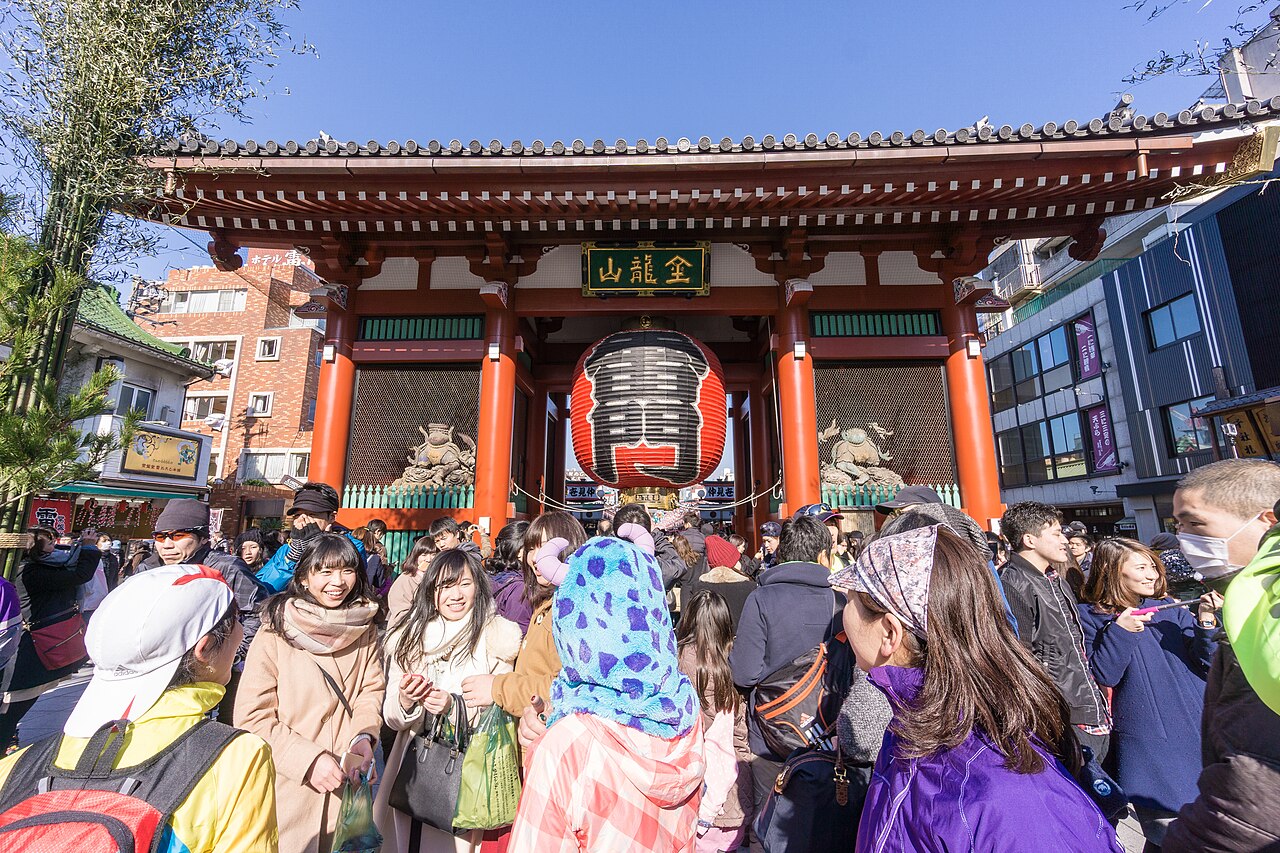
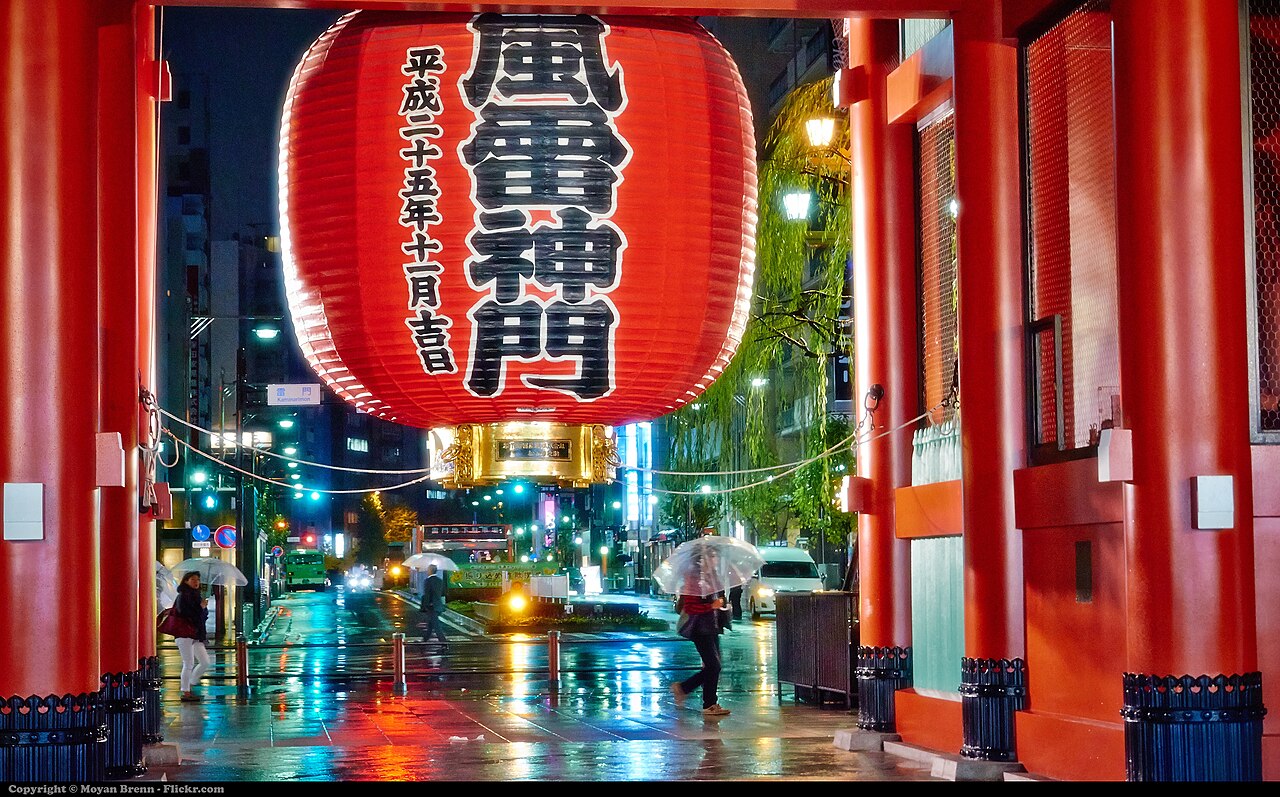
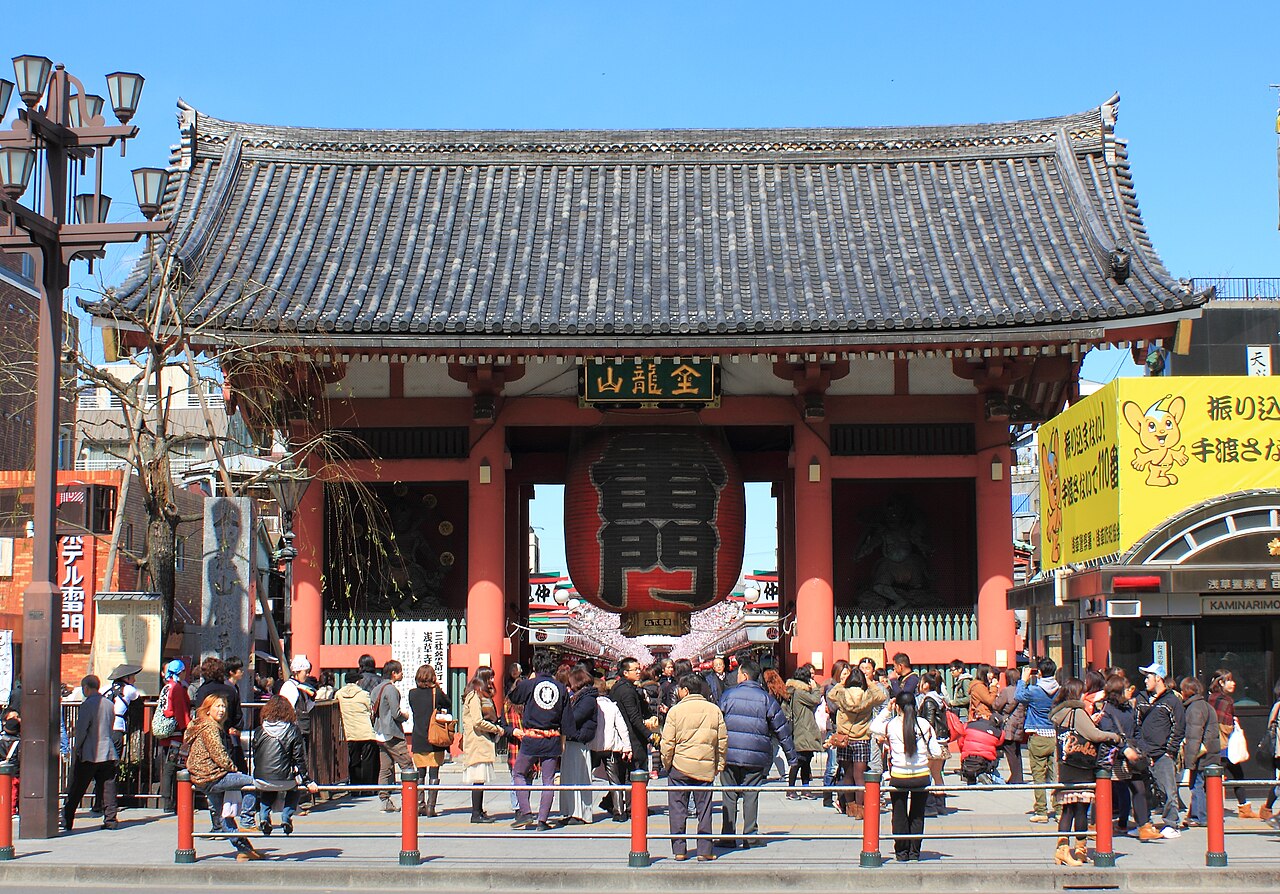
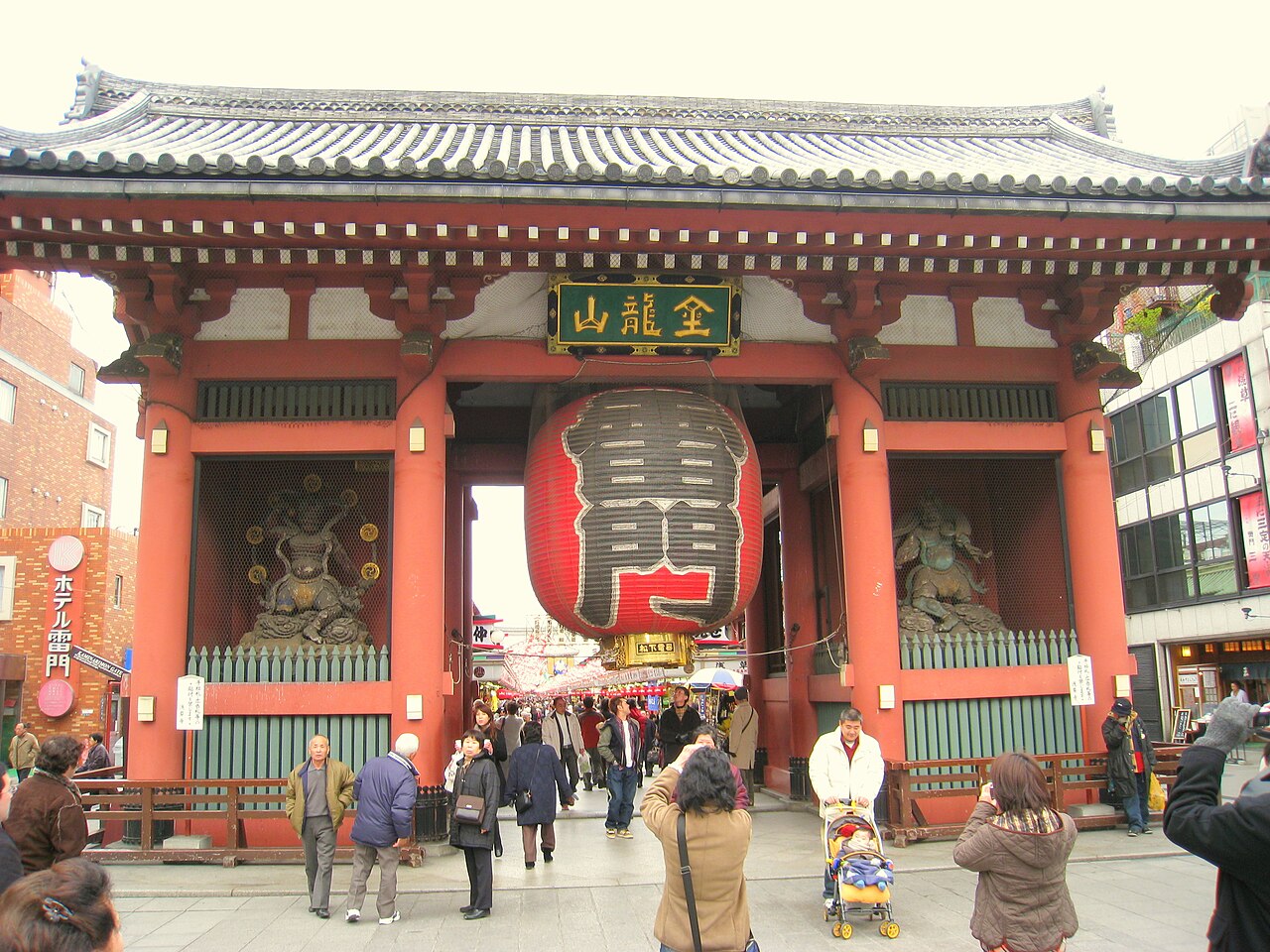
Kaminarimon (Thunder Gate): flanked by the wind and thunder deities, with a giant red lantern weighing about 700 kg — the temple's signature photo spot
Nakamise shopping street: roughly 250 m of stalls from the gate to Hōzōmon, one of Japan's oldest shopping streets, selling traditional snacks and souvenirs
Hōzōmon gate and the Five-Story Pagoda: a grand gate with huge straw sandals and the pagoda reconstructed in 1973
Main Hall (Kannondō): the dramatically sloping roof and the enshrined Kannon make this the spiritual heart; try drawing an omikuji fortune afterward
The large incense burner in front of the Main Hall: worshippers waft the smoke over themselves for good health; purify your hands at the water basin first
Good to know
MannersAlong Nakamise it is considered poor manners to eat while walking. Stand and eat near the stall or in designated spots, and take your litter with you.
RulesPhotography is restricted in some areas, including inside the Main Hall around the Kannon sanctuary. Watch for signs and avoid disrupting people who are praying.
CautionPickpocketing has been reported in the dense crowds around Kaminarimon, Nakamise and the Main Hall. Don't keep wallets or phones in outer bag pockets or coat pockets; carry valuables in front of you.
MannersSensō-ji uses a traditional omikuji format in which roughly 30% of slips are kyō (bad luck). Don't be alarmed — if you draw one, follow the custom of folding it and tying it to the designated rack on the grounds.
SeasonIt gets extremely crowded on weekends, holidays and during festivals such as the Sanja Matsuri in May. For a quieter visit, come right at opening (around 6:00) or in the evening.
SafetyTake care around the smoke and embers of the large incense burner in front of the Main Hall, and mind the crowded steps and foot traffic if you have children or a stroller.
Practical info
Main Hall hours 6:00–17:00 (opens 6:30 from October to March); the grounds are open 24 hours and admission is free (check the official site for the latest details). From Tokyo Metro Ginza Line Asakusa Station Exit 1 it is about 60 m / a 1-minute walk to Kaminarimon; from the Toei Asakusa Line and Tobu Skytree Line Asakusa stations about 2–3 minutes; from Tsukuba Express Asakusa Station about a 10-minute walk.
On-site reviews📍 Verified on-site
No reviews yet. If you are here, be the first to leave one.
Sources · Sensō-ji official site (senso-ji.jp) · GO TOKYO official Tokyo travel guide (gotokyo.org) · Japan-guide.com Sensoji page · O-mikuji reference and travel guides
Report content
Tell us what is wrong or could be improved.
Write an on-site review
You can post only while you are within this attraction. Location permission is required.