Salinas Grandes is a vast high-altitude salt flat straddling the provinces of Jujuy and Salta in northwestern Argentina, sitting on the Puna plateau at roughly 3,400 m and spanning over 200 km²—one of the largest in South America. Its surreal expanse of blinding-white salt, cracked hexagonal polygons and deep-blue sky has earned it a place among Argentina's seven natural wonders. As of 2026 it remains a living working landscape where local Kolla and Atacama Indigenous communities still harvest salt and run the tourism, and also the focus of an ongoing dispute over lithium mining, water and land rights. Most travelers come on a day trip from Salta or Jujuy and should prepare for high altitude and intense sun.
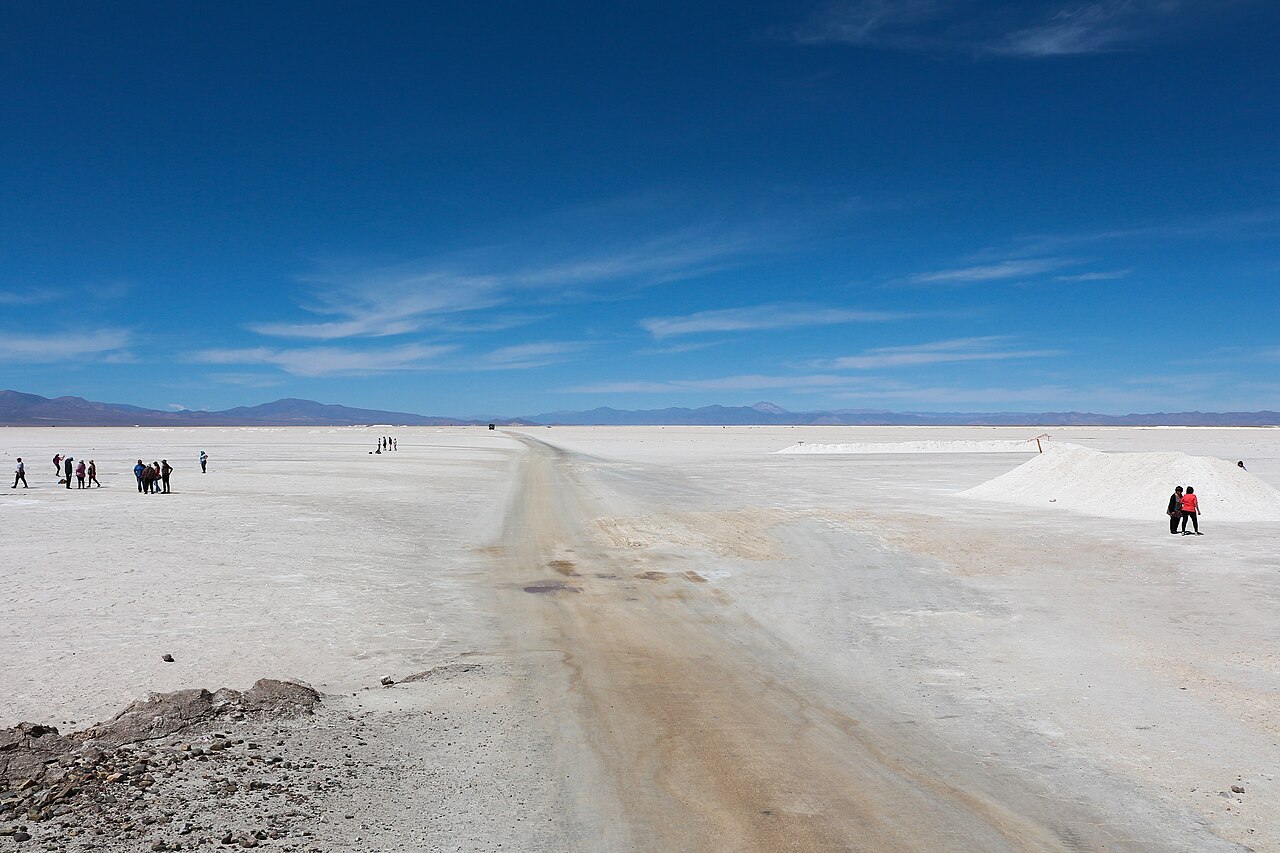
The horizon-to-horizon white salt plain and its cracked hexagonal (polygon) surface patterns
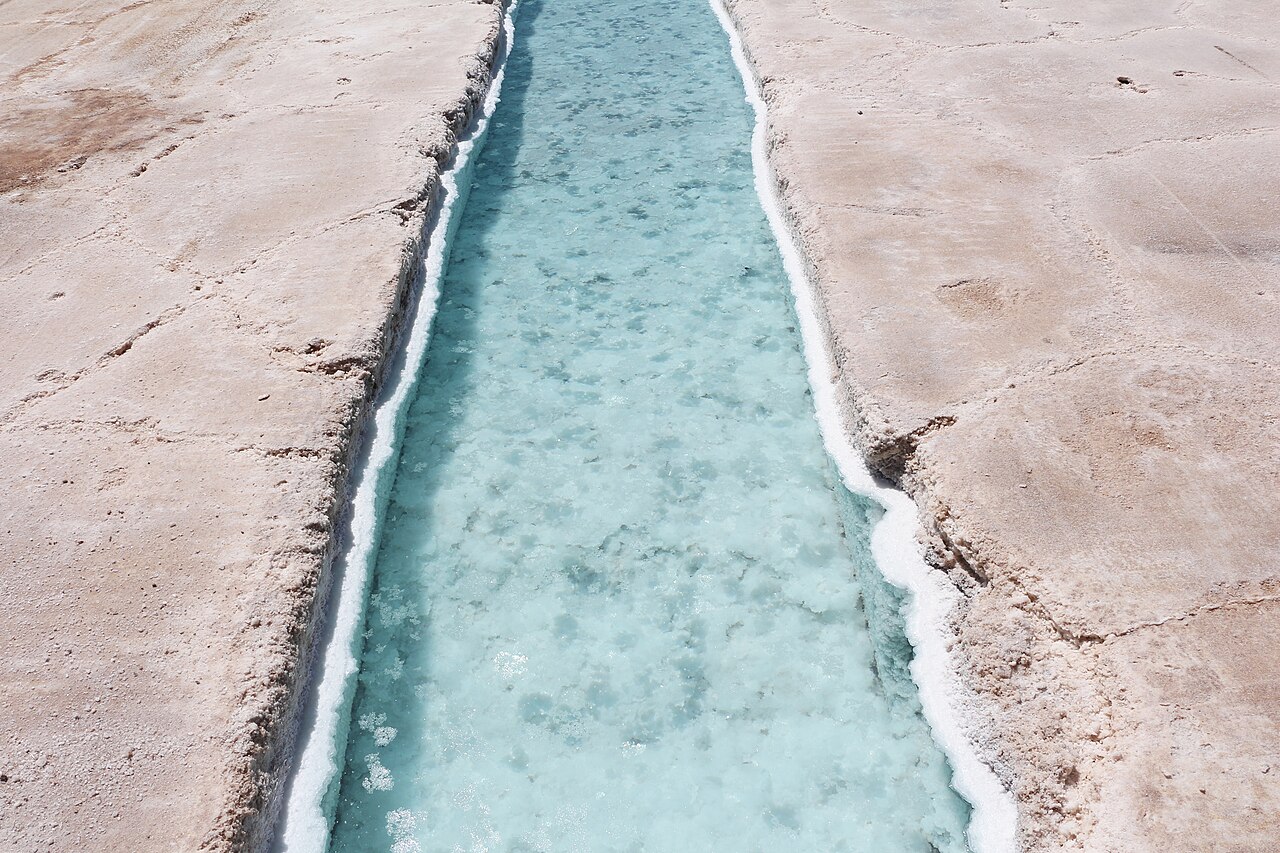
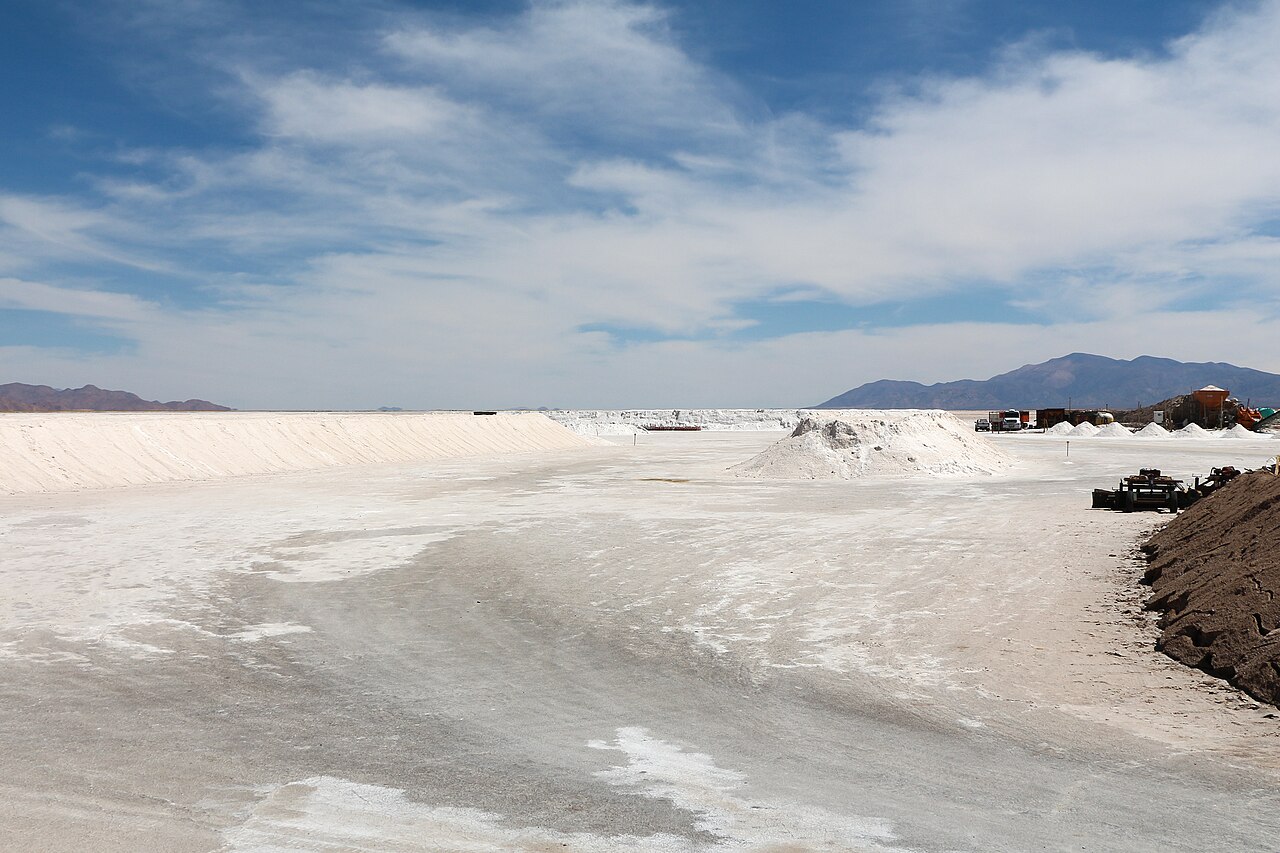
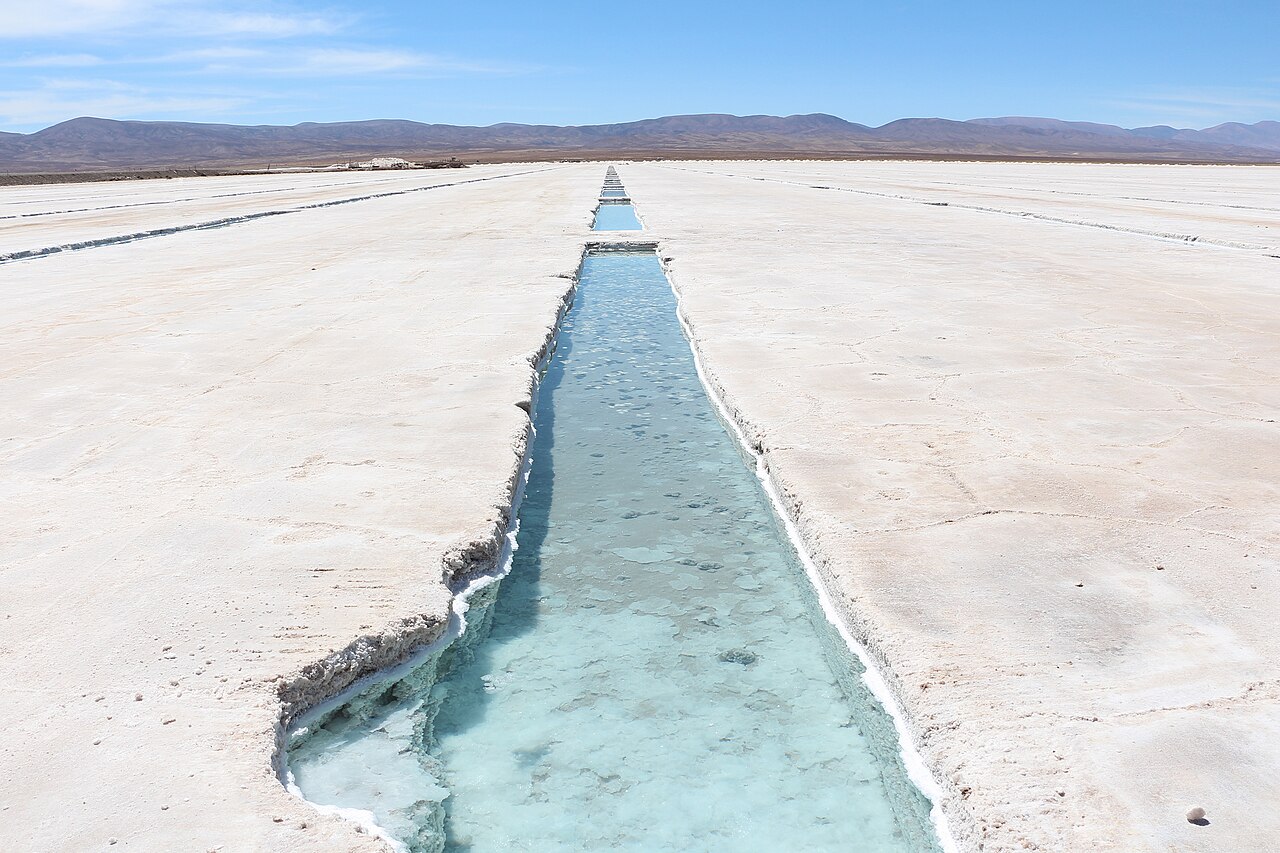
The salt-crystallization pools (piletas) where workers cut and stack blocks, with square water-filled basins
The 'Eyes of the salt flat' (Ojos del salar), turquoise springs of deep groundwater that mirror the sky
Playful forced-perspective and prop photos—the flat white backdrop makes creative shots easy
The panoramic drive over the Cuesta de Lipán pass (up to ~4,170 m) with its switchback viewpoints
Good to know
SafetyAt over 3,400 m, altitude sickness (soroche) can strike regardless of fitness. Sleep and hydrate well beforehand, take it slow, and use coca tea or leaves; if headache, dizziness or nausea become severe, descend and don't push on.
SafetyGlare off the salt is extreme and can cause snow-blindness. UV sunglasses are essential; bring high-SPF sunscreen, a hat and lip balm.
SeasonThe dry season (April–October) is the best window. In the November–March rainy season access may be closed on some days due to rain, so allow schedule slack and check conditions first (post-rain water creates a 'mirror' reflection but access can be restricted).
SeasonThe plateau has extreme temperature swings—hot at midday but very cold and dry in the morning and wind. Dress in layers and pack a windproof jacket.
RulesYou may only enter the salt flat itself with a local community guide hired at the entrance parador; driving in on your own is not allowed. A per-vehicle entry fee plus a per-person guiding fee apply (cash pesos—confirm the current rate on site).
MannersGuides are members of the Indigenous communities who actually harvest the salt. Don't damage the salt surface or the work pools, ask before photographing people or their work, and pay fairly for the guiding as a matter of respect.
CautionOn-site photographers and prop shots run on tips, so agree the price before shooting to avoid disputes. There are no ATMs, so bring small-denomination peso cash in advance.
Practical info
There is no public transport; most visitors arrive by day tour or rental car from Salta (about 4 hours) or from Jujuy/Purmamarca (66 km) via RN52 over the Cuesta de Lipán (do not drive it at night). Guiding usually runs from about 8:30 a.m. until roughly 5–6 p.m. depending on season and the site is open year-round weather permitting, but always confirm opening status, per-vehicle/per-person fees and tour times with the parador or your operator right before your visit.
On-site reviews📍 Verified on-site
No reviews yet. If you are here, be the first to leave one.