The Ubud Monkey Forest (officially Mandala Suci Wenara Wana) is a roughly 12.5-hectare nature reserve and Hindu temple complex in the heart of Ubud, Bali, home to more than 1,200 free-roaming Balinese long-tailed macaques. Mossy stone paths, centuries-old banyan trees and three sacred temples tied to death, purification and cremation rituals sit together under the Balinese harmony philosophy of Tri Hita Karana. Because wildlife and a living sacred site coexist here, a visit is less a zoo outing than a respectful walk through a shrine forest.
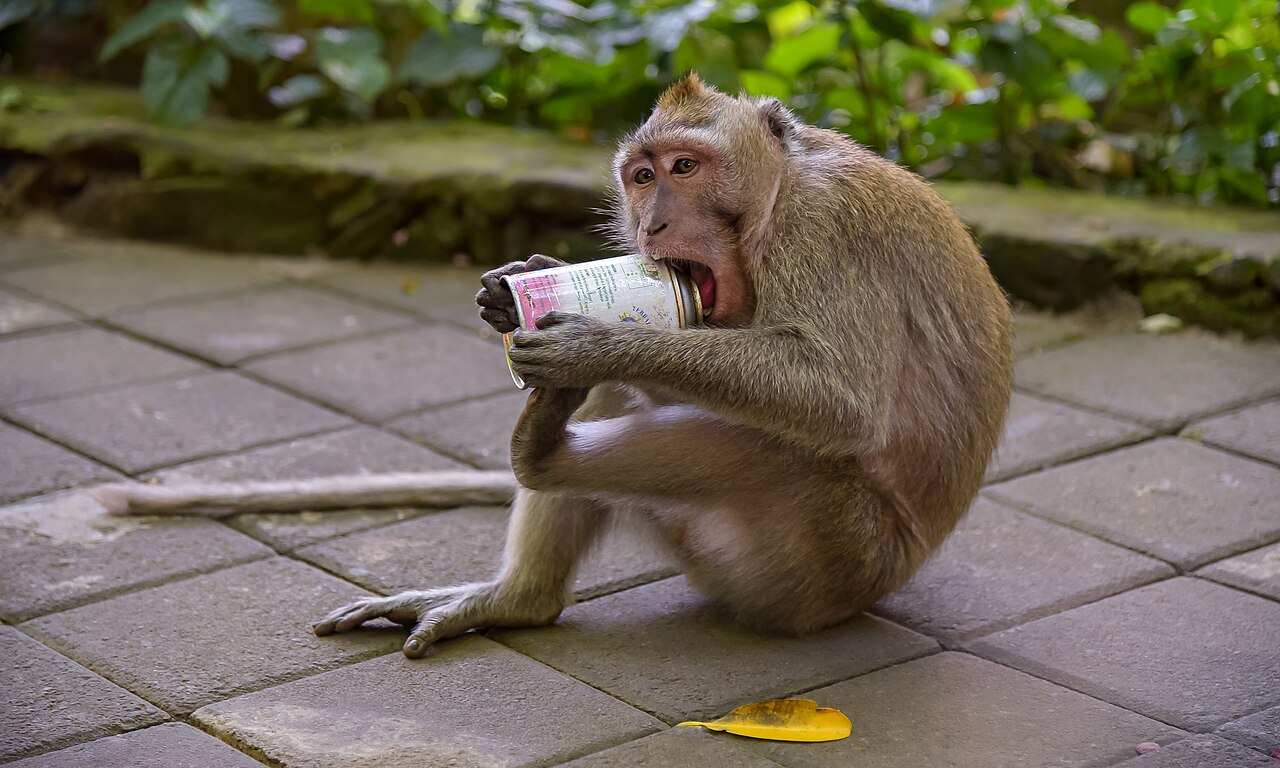
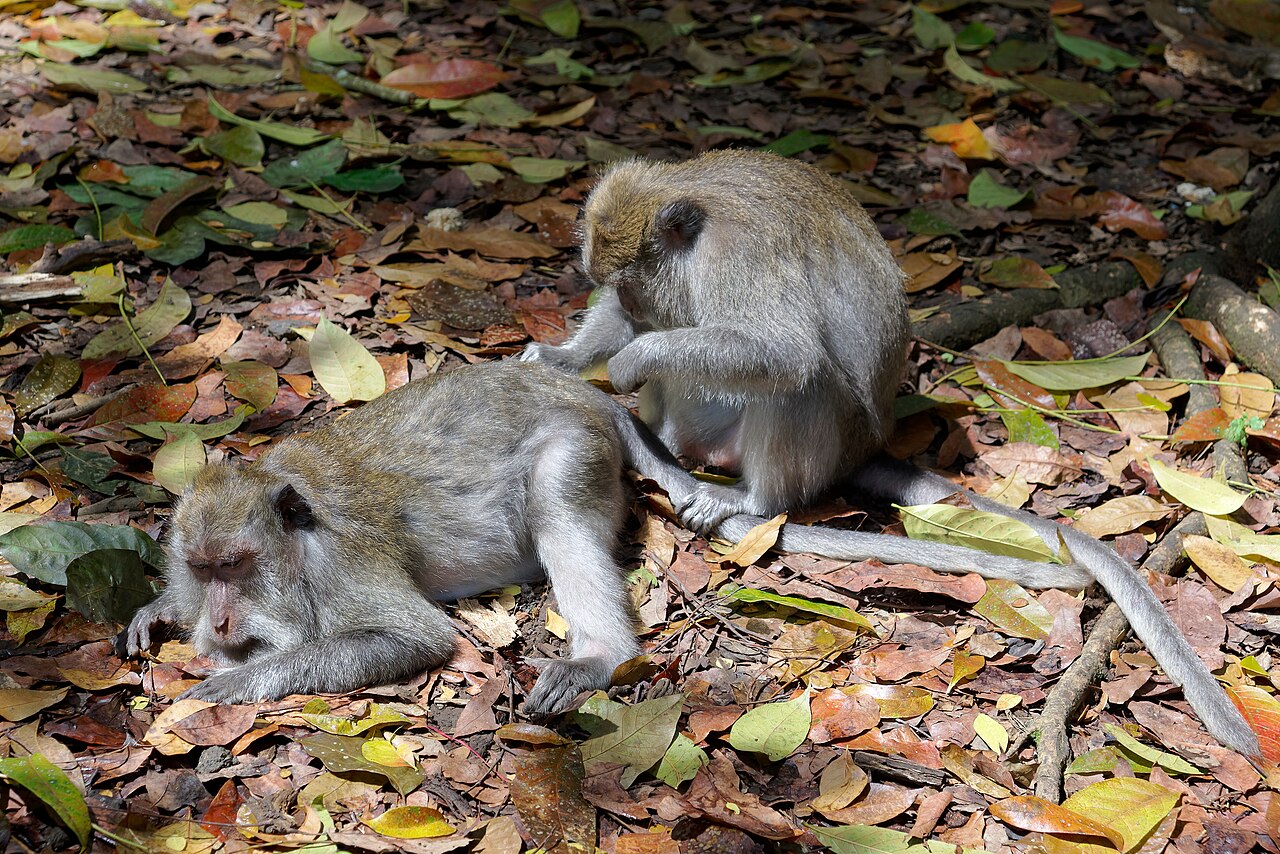
Over 1,200 wild long-tailed macaques roam freely, visible up close on trees, along ravines and on the bridges.
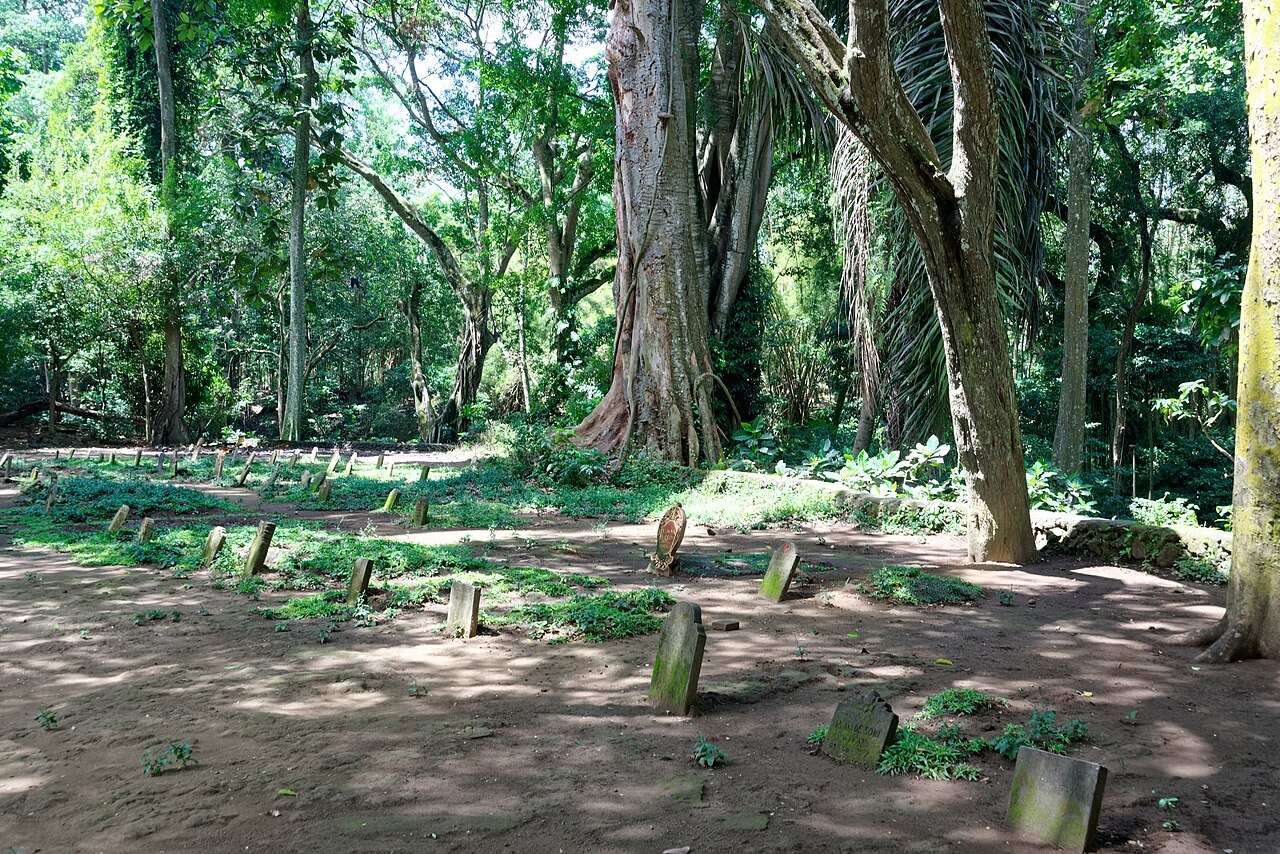
Three ancient Hindu temples inside the forest, including the 'temple of the dead' Pura Dalem Agung Padangtegal, believed to date from around 1350 AD.
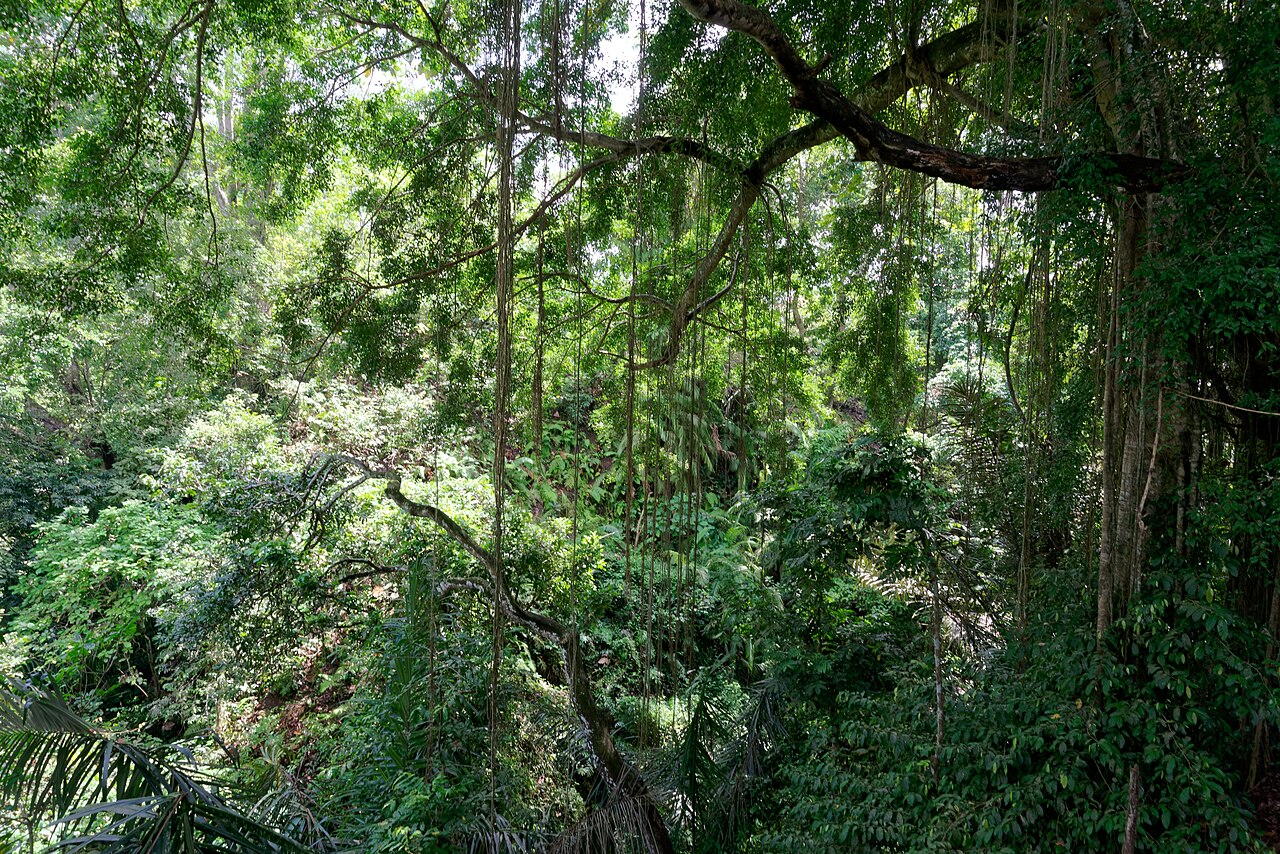
Atmospheric rainforest scenery of moss-covered statues, dragon-carved bridges and giant, centuries-old banyan trees.
Walkable from central Ubud, easily combined with Ubud Palace and the market for a half-day itinerary.
A conservation forest with 186+ tree species, blending monkey watching with a nature walk.
Good to know
SafetyDo not touch or try to hold the macaques, and avoid direct eye contact (read as aggression). Bared teeth are a warning, not a smile, so don't smile back; instead look away, stay still and back away slowly. If bitten or scratched, tell staff at once and use the on-site first-aid point.
CautionThe macaques are notorious for snatching sunglasses, glasses, hats, phones and earrings and 'ransoming' them for food (reports of 5–10 phones stolen per day). Stow glasses, hats and jewellery in zipped pockets or the lobby lockers, and if something is taken don't wrestle for it—ask a staff 'pawang' to negotiate it back.
MannersThis is temple ground, so dress modestly and avoid revealing clothing as a mark of respect. Temple interiors are reserved for Balinese prayer and are off-limits to general visitors—always respect 'no entry' signs and sacred-area markers.
RulesFeeding the monkeys is prohibited; only trained staff feed them at set times. Plastic bags are banned (monkeys grab them), and carrying food or snacks on you invites monkeys to lunge—leave edibles out of reach.
CautionSome Ubud/airport taxi drivers quote 5–10x the fair fare or mimic genuine Blue Bird cabs. Use app rides like Grab or Gojek or a proper metered taxi, and buy tickets only via the official website, on-site counter or self-service kiosk—beware unofficial ticket touts.
SeasonIn the wet season (roughly Nov–Mar) paths get slick with moss, showers are frequent and branches can fall, so wear grippy shoes and watch your footing. Long-term research reports no rabies in Bali's monkeys, but if bitten, still seek proper wound care and medical advice.
Practical info
Open roughly 09:00–18:00 (last entry around 17:00). Weekend/holiday tickets cost more than weekdays (weekday adult around IDR 100,000, weekend around IDR 120,000). Fees, hours and rules can change—confirm the latest on the official website before visiting. Quietest around 9–10 AM or after 4 PM.
On-site reviews📍 Verified on-site
No reviews yet. If you are here, be the first to leave one.