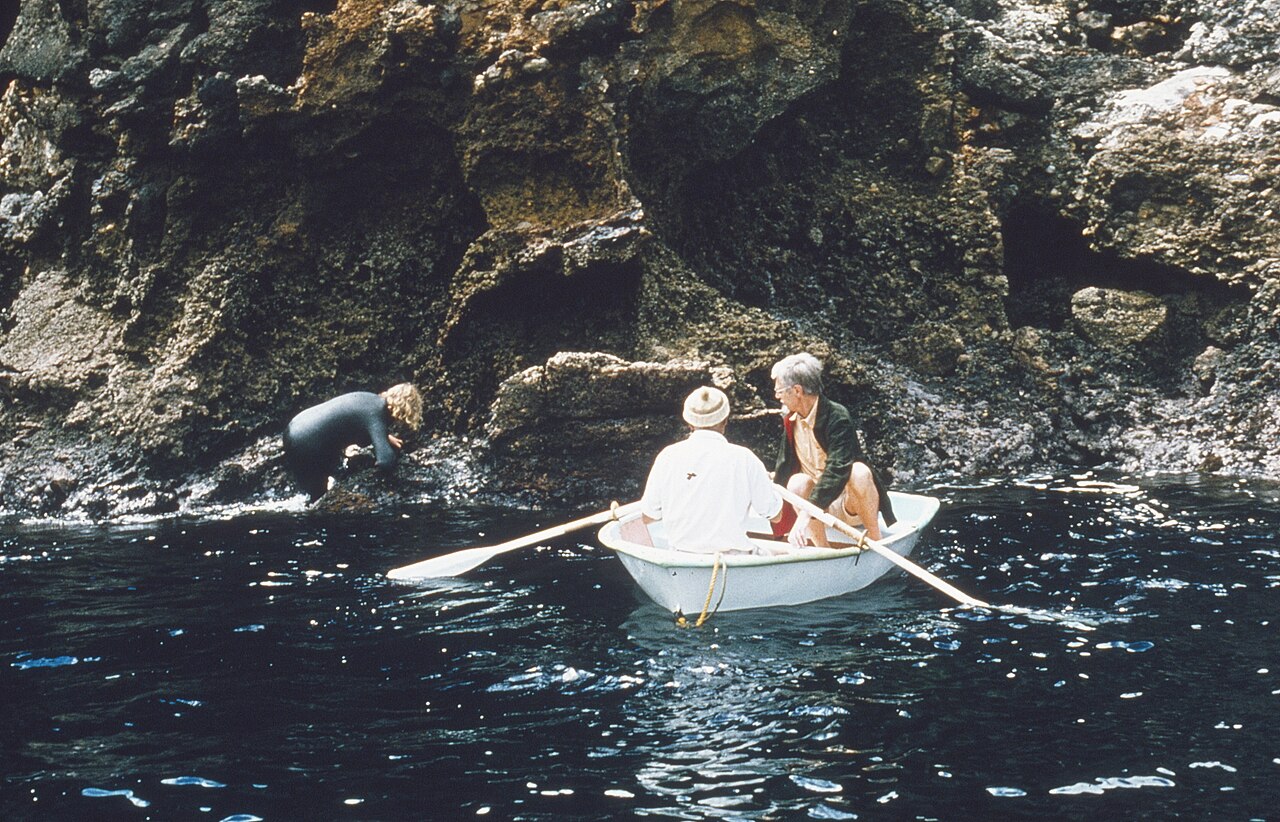
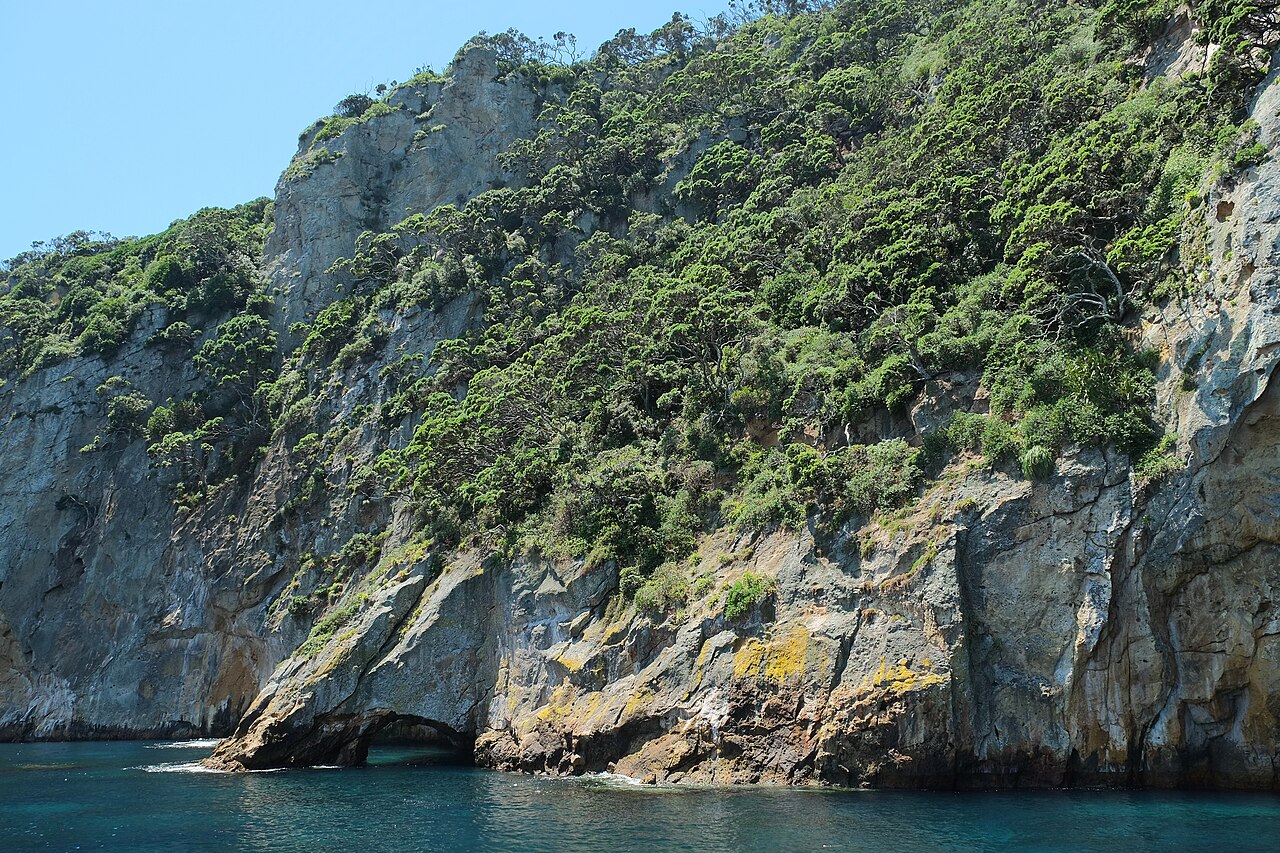
The Poor Knights Islands are a cluster of volcanic islands lying about 23 km (12 nautical miles) off Tutukaka in New Zealand's Northland, and a marine reserve that Jacques Cousteau ranked among the world's top ten dive sites. The subtropical East Auckland Current draws in fish found nowhere else in New Zealand, forming huge schools around the Blue Maomao Arch and the vast Rikoriko sea cave, which you can reach right from the boat. This is not a tropical coral garden but a dramatic seascape of kelp forests, sponge gardens, arches and tunnels, and much of the best of it can be enjoyed by snorkellers alone in sheltered bays just 2-8 m deep. In 2026 it remains a fully no-take reserve, and landing on the islands is not permitted without a permit.
Blue Maomao Arch - a signature spot where clouds of blue maomao and demoiselles swirl right up to the surface
Rikoriko Cave - one of the world's largest sea caves by volume, entered by boat or kayak
Volcanic arches, tunnels and swim-throughs alongside shallow, kelp-fringed bays
125-plus fish species plus stingrays and subtropical fish such as spotted black grouper and Lord Howe coralfish
Peak summer (Dec-Apr) with the warmest water, clearest visibility and the biggest fish aggregations
Good to know
SafetyThe boat ride from Tutukaka is about an hour each way across open ocean, so seasickness is common. Swell is frequent; take motion-sickness tablets beforehand and check the day's sea conditions before booking if you are prone to it.
SafetyWater stays cold at roughly 16-19C even in summer, and long snorkels can lead to hypothermia. Always wear the wetsuit the operator provides (7 mm plus a hooded vest in winter) and get out of the water as soon as you start shivering.
SafetyCurrents can pick up around the arches and points. Never snorkel alone; stay with a buddy or guide, carry a float, and keep checking your position so you are not swept away from the boat or entry point toward open water.
SafetyDive boats and kayaks move through the area. Snorkel within the dive-flag zone, lift your head often to watch for vessels, and if you are a beginner start in the shallow sheltered bays to manage mask fogging and panic.
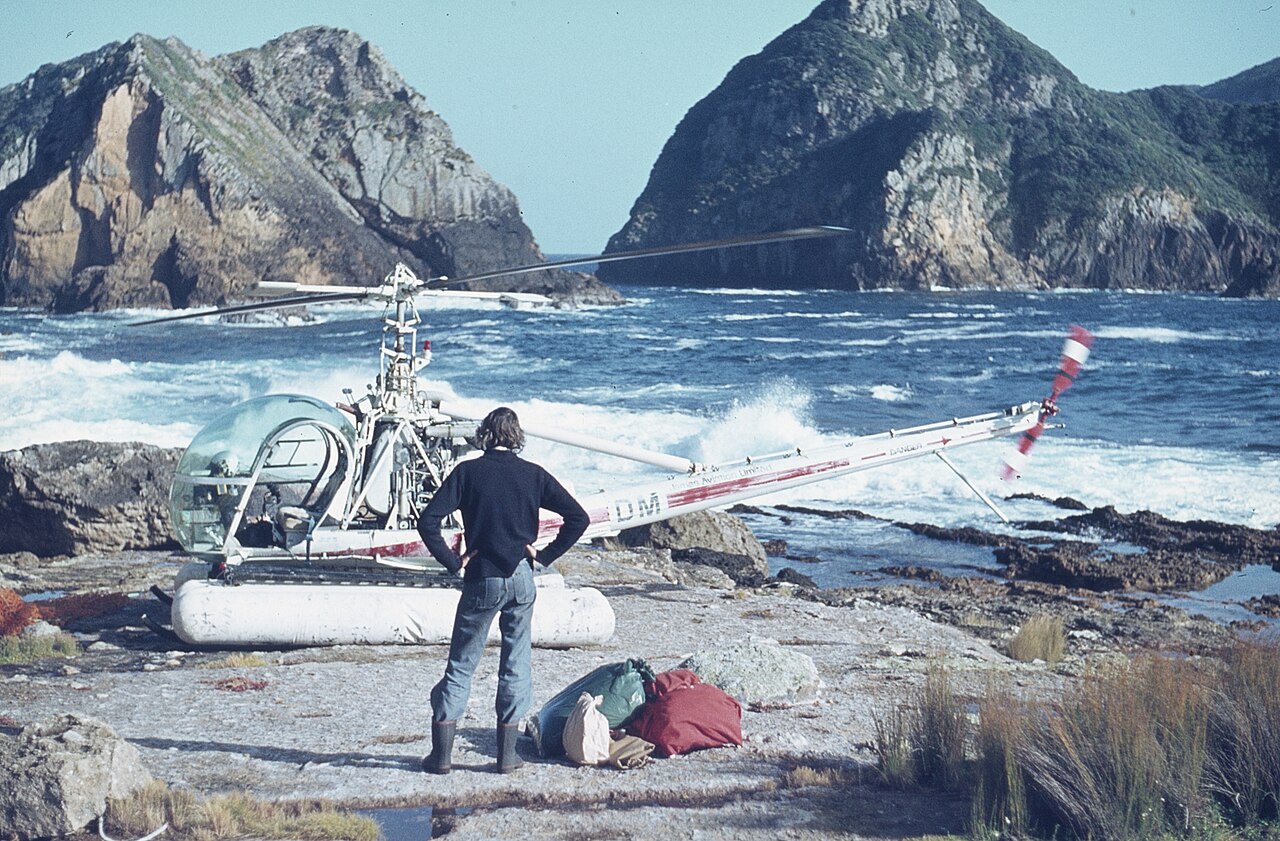
RulesSince 1998 this has been a fully protected no-take marine reserve. Taking fish, shellfish, rocks or seaweed, feeding fish, anchoring and discharging waste are all prohibited, with penalties including confiscation of gear and vessels, fines and imprisonment. Landing on the islands requires a DOC permit.
MannersDo not stand on or grab kelp, sponges or rock, and keep your distance from stingrays, grouper and seals - observe only, never chase or feed them. Use reef-safe sunscreen.
SeasonDecember to April offers the best water temperature (20-23C) and visibility (15-30 m) for snorkelling. It can be visited year-round, but May to September is colder at 14-17C and calls for a thicker wetsuit.
Practical info
Reach Tutukaka Marina by driving about 2.5-3 hours north of Auckland, then join a snorkel or sightseeing day trip that departs from there (such as Dive! Tutukaka's 'Perfect Day'); there is no independent shore access. Wetsuit and gear hire are usually included, and peak-season trips book out early. Fares, departure times and surcharges (a fuel levy was added in 2026) change, so confirm the latest details with the operator before you go.
On-site reviews📍 Verified on-site
No reviews yet. If you are here, be the first to leave one.