Plaza de la Revolución (Memorial José Martí) · 아바나
Location
Overview
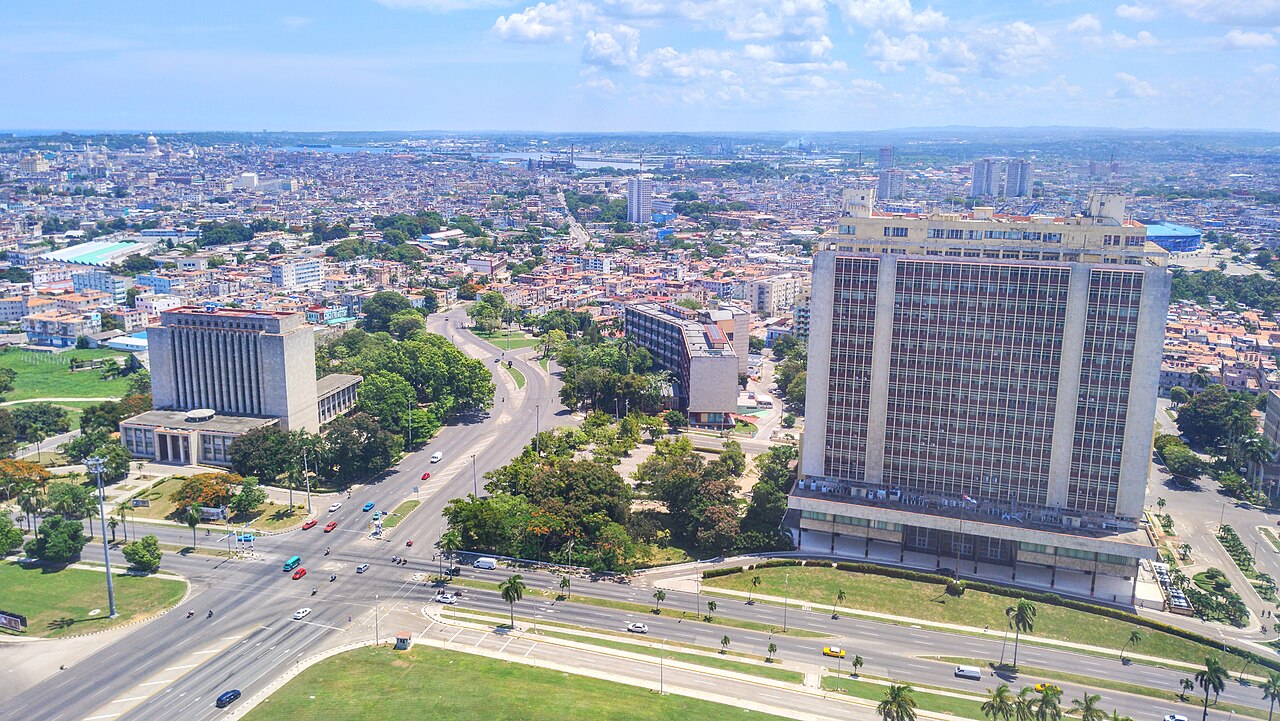
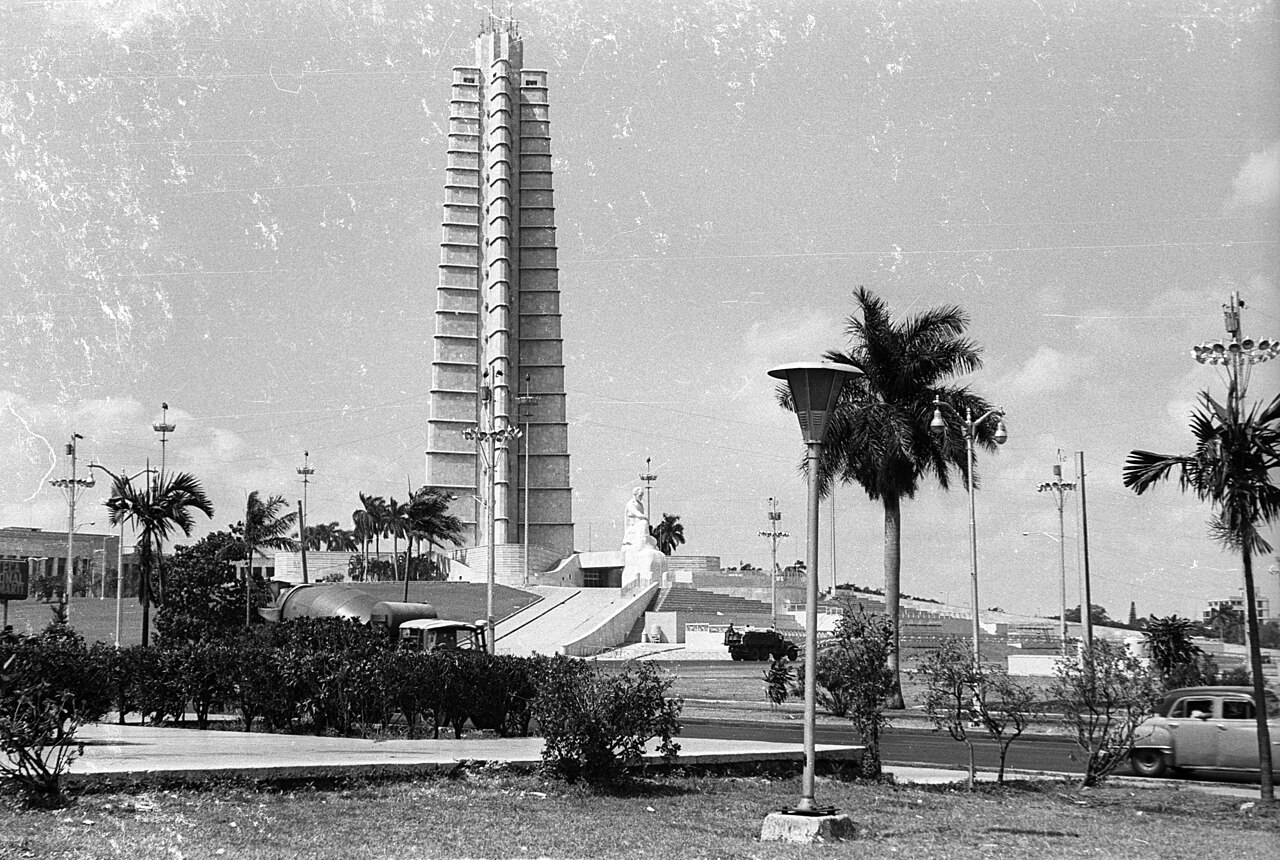
Plaza de la Revolución is one of the world's largest public squares (about 72,000 m²) and the political heart of modern Cuba. It is where Fidel Castro addressed crowds of hundreds of thousands and where Popes John Paul II (1998) and Francis (2015) celebrated open-air Masses; it is dominated by the 109 m star-shaped José Martí Memorial and, facing it, the steel portraits of Che Guevara and Camilo Cienfuegos mounted on government ministry buildings — among Havana's most iconic images. As of 2026 Cuba is coping with power and fuel shortages that make infrastructure unreliable, so while the open square can be visited freely, the memorial's interior hours and facilities are variable and worth confirming before you go.
José Martí Memorial: a 109 m star-shaped tower clad in grey Cuban marble, fronted by an 18 m white marble seated statue of Martí by sculptor Juan José Sicre.
Observation deck: reached by elevator, the top of the tower is the highest lookout in Havana, giving 360° views over the plaza and the whole city.
Museum at the base: rooms of Martí's letters and personal effects and his life story, plus displays on the history of Plaza de la Revolución and contemporary art (opened 1996).
The steel mural of Che Guevara on the Ministry of the Interior, with the slogan 'Hasta la Victoria Siempre' (Ever Onward to Victory).
The steel mural of Camilo Cienfuegos on the Ministry of Communications, reading 'Vas bien, Fidel' (You're doing fine, Fidel) — the two portraits face the Martí Memorial across the square.
Good to know
SafetyIn 2026 many governments advise increased caution for Cuba because of nationwide power and fuel shortages that disrupt transport, telecoms and other basics. Build slack into your schedule and stay alert.
CautionVendors often sell Che Guevara coins as 'collector's items' at several times their real value — a common rip-off. Change money only at official CADECA offices or banks; avoid street money-changers, who pass counterfeit or short-change you.
CautionTaxis around the plaza frequently have no meter and quote inflated fares. Always agree the price before getting in, and prefer an official yellow taxi or a driver arranged through your accommodation.
SafetySince 6 June 2026 Visa and Mastercard are no longer accepted in Cuba, so bring enough cash (USD or EUR) for your whole trip. Opportunistic pickpocketing is rising, so keep phones and wallets out of sight in crowds.
RulesThe square is ringed by government ministries and the Council of State. Photographing the plaza, murals and memorial is fine, but avoid pointing your camera at soldiers, police or official buildings; the square may be closed for major rallies (e.g. 1 May Labour Day, 26 July).
SeasonThe plaza is a vast, near-shadeless expanse of concrete that gets very hot at midday. Summer (June–November) is the rainy and hurricane season, so bring a hat, sunscreen and water and visit in the early morning or late afternoon.
MannersSmall cash tips are customary in Cuba's service settings. Keep low-value notes handy for restroom attendants, informal parking helpers and small courtesies.
Practical info
The plaza sits inside Havana's Vedado district, too far to comfortably walk from Old Havana, so most visitors arrive by taxi or on a tour. The open square is accessible around the clock, but the memorial's interior (museum and the elevator to the observation deck) charges separate admission and keeps limited hours (historically mornings, Monday–Saturday). Fees and opening times change often amid the current shortages, so always verify the latest information before visiting.
On-site reviews📍 Verified on-site
No reviews yet. If you are here, be the first to leave one.