Pelourinho (Centro Histórico de Salvador) · 바이아주 (사우바도르)
Location
Overview
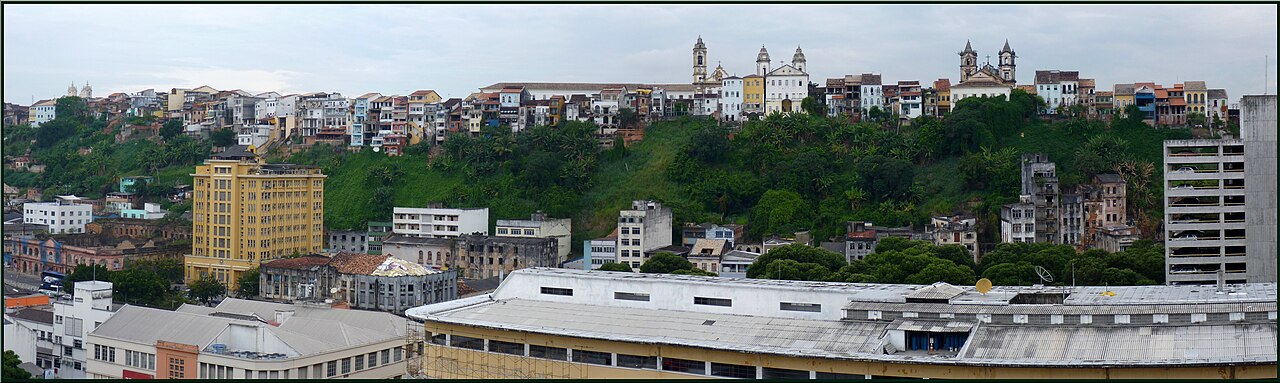
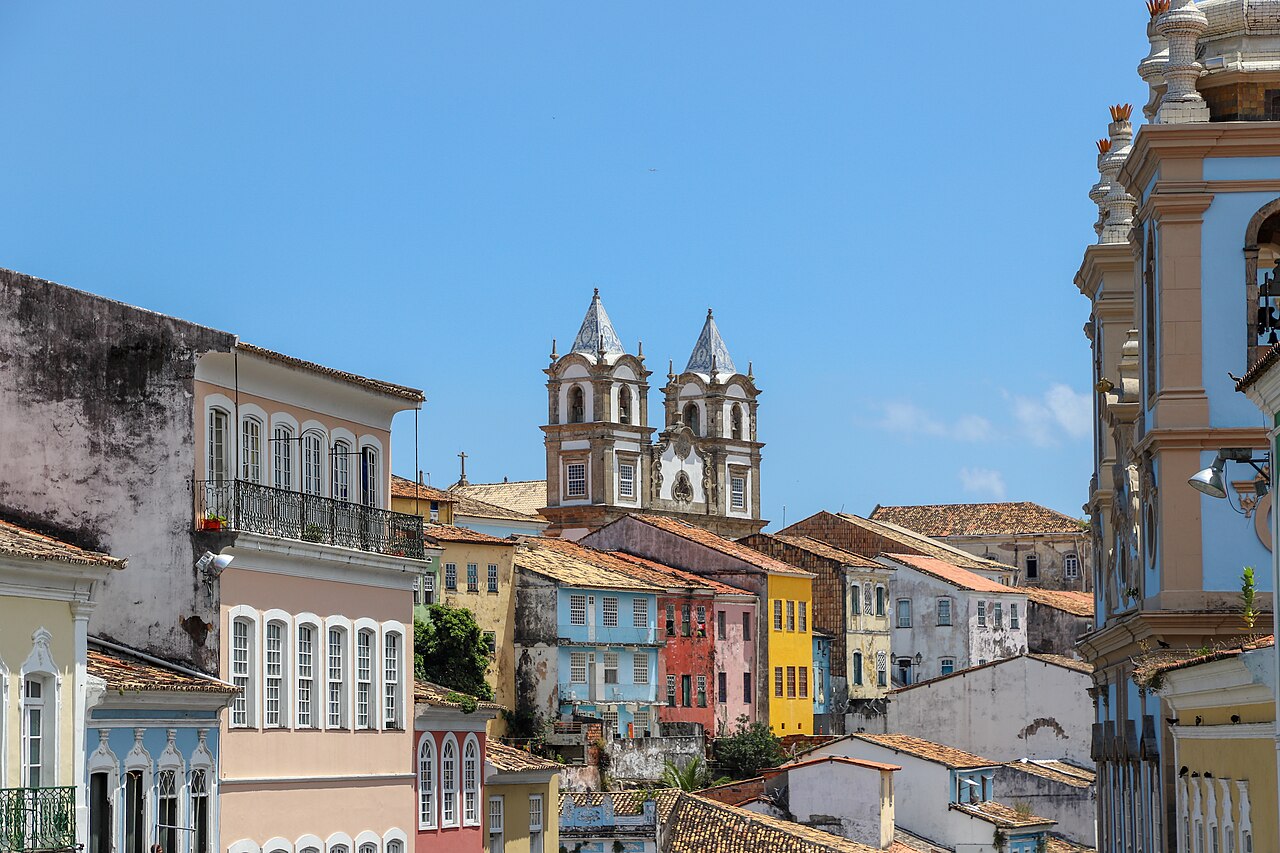
Pelourinho is the old colonial core of Salvador in Bahia, Brazil — a cascade of pastel townhouses and cobbled streets that forms the beating heart of Afro-Brazilian culture. Inscribed as a UNESCO World Heritage Site (Historic Centre of Salvador de Bahia) in 1985, it is famous for gilded Baroque churches, capoeira, and the samba-reggae drumming of Olodum. As of 2026 the district is lively and patrolled by dedicated tourist police (DELTUR) by day, but its narrow lanes empty out quickly after dark, so timing matters. Approach it as a slow walking destination — soaking up street music, crafts, and Bahian food on foot.
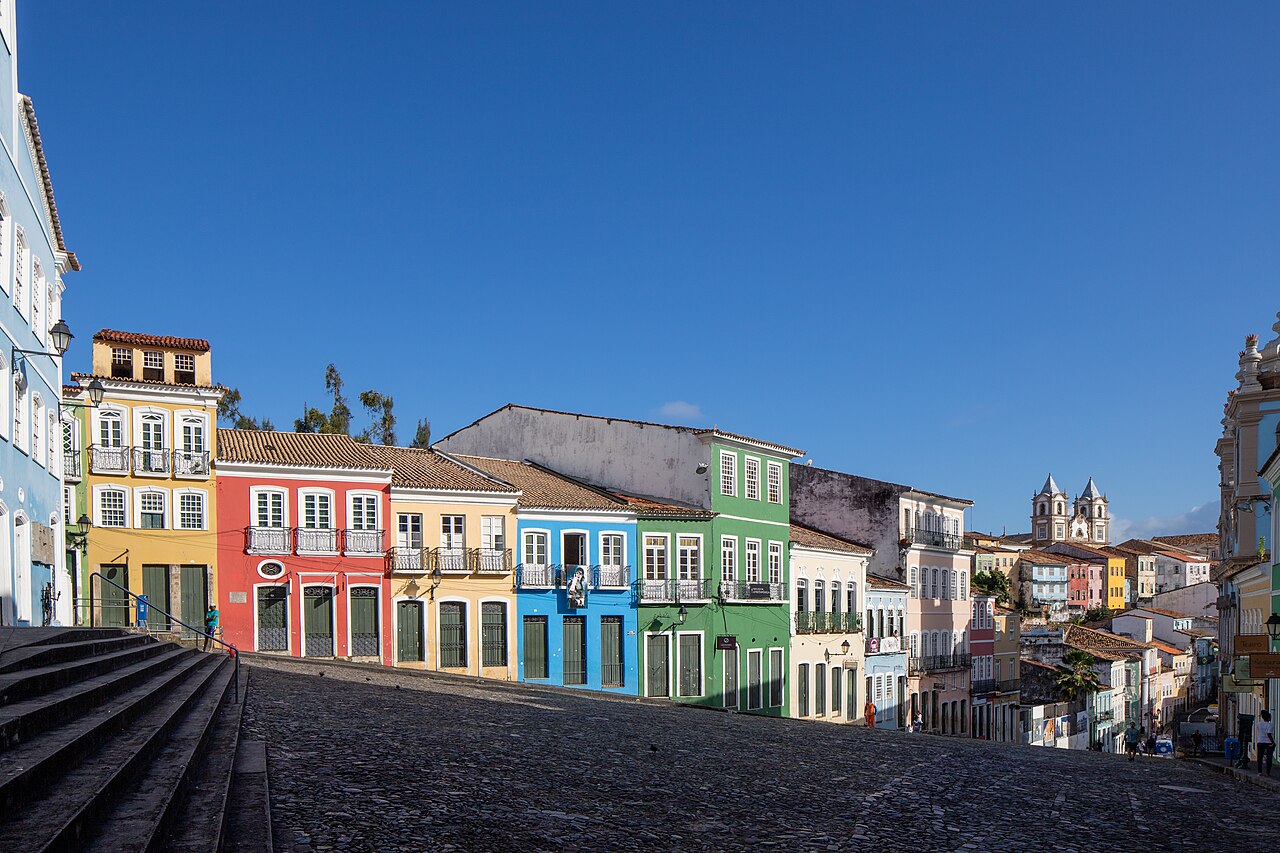
Largo do Pelourinho: the postcard view of Salvador — brightly painted colonial facades tumbling down a cobbled slope, home to the Jorge Amado House (literary foundation)
Church and Convent of São Francisco (First Order): Brazil's richest gold-leaf Baroque interior (note: closed for restoration in 2026) — the adjacent Third Order church is open and prized for Portuguese azulejo tiles depicting Lisbon before the 1755 earthquake
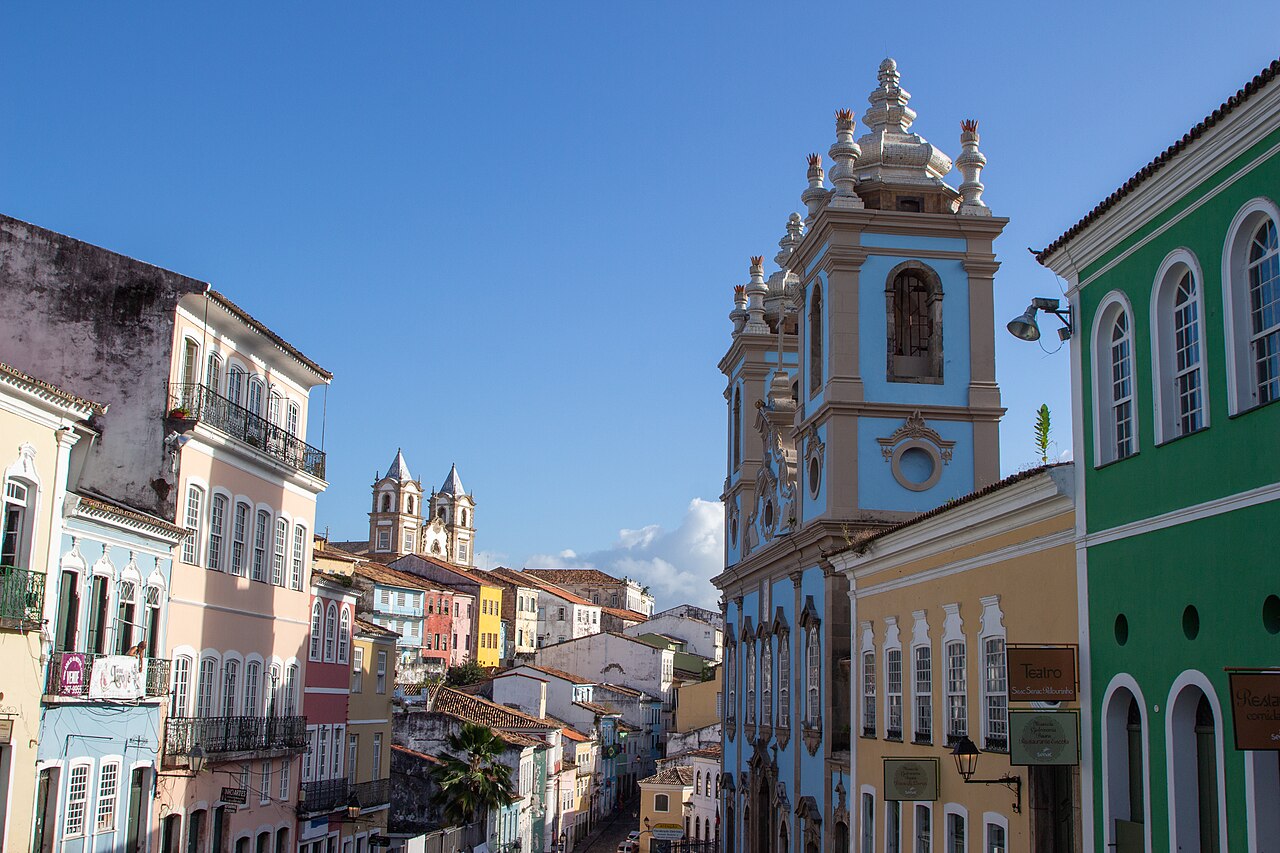
Church of Our Lady of the Rosary of the Black People (Rosário dos Pretos): built by enslaved Africans, a powerful symbol of Afro-Brazilian faith
Olodum and live percussion: samba-reggae drumming on Tuesday 'Terça da Bênção' nights and Sunday rehearsals, plus capoeira circles across the squares
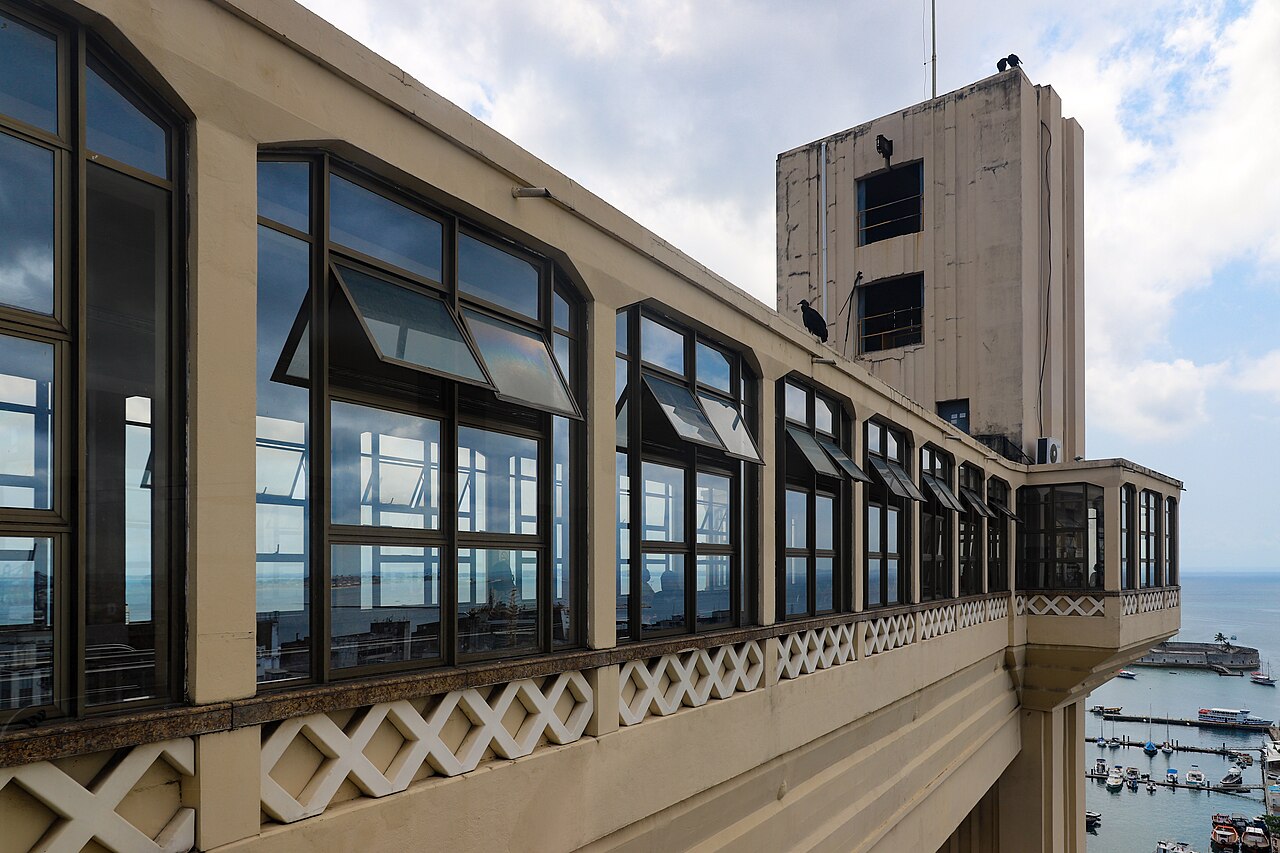
Terreiro de Jesus and Praça Municipal with the Lacerda Elevator viewpoint: cathedral, museums and art galleries, bay panoramas, and Bahian street food such as acarajé
Good to know
CautionA classic ploy: someone ties a 'free' Bonfim wish-ribbon on your wrist, starts unsolicited body painting, or poses as a guide — then demands tens to hundreds of reais. Avoid eye contact, say 'não' firmly, and keep walking. Book guides only through your hotel or a licensed agency.
SafetyBy day, tourist police stand on many corners, but the area around Praça da Sé empties after 6pm and the tourist lanes thin out at night (especially after 22:00), when risk rises. Don't walk at night — take an Uber.
SafetyKeep your phone, camera, and jewelry out of sight and pull them out only to shoot, then stow them again to avoid attracting pickpockets and snatch-theft. Note the location of the 24-hour, English-speaking tourist police office (DELTUR) in advance.
MannersBaianas in traditional dress and street performers usually charge for photos — ask and agree a price first. Rosário dos Pretos and Candomblé are living Afro-Brazilian places of worship, so always ask permission before photographing people or rituals.
RulesChurches charge small entry fees (e.g. about R$10 for the Third Order church) with set hours and expect modest dress covering shoulders and knees. As of 2026 the famous gilded São Francisco (First Order) church is closed for restoration, so confirm current opening status and fees before you go.
SeasonThe summer/rainy season (Dec–Mar) is hot, humid, and prone to sudden downpours — bring water, a hat, and a rain layer. Carnival (February) and Tuesday nights are electric but heavily crowded, so guard your belongings especially closely.
Practical info
It is a car-free pedestrian zone, so wear comfortable shoes; the easiest approach is to ride the historic Lacerda Elevator up from the lower town (Comércio / Mercado Modelo) to Praça Municipal and walk in (use Uber at night; the airport is roughly 30 km away). Churches and museums generally open around 9:00–17:00, some close on Mondays, and small entry fees apply, so verify the latest hours, prices, and any church-restoration closures before visiting.
On-site reviews📍 Verified on-site
No reviews yet. If you are here, be the first to leave one.