🇳🇴 Norwegian Museum of Cultural History (Norsk Folkemuseum)
Norsk Folkemuseum · 오슬로
Location
Overview
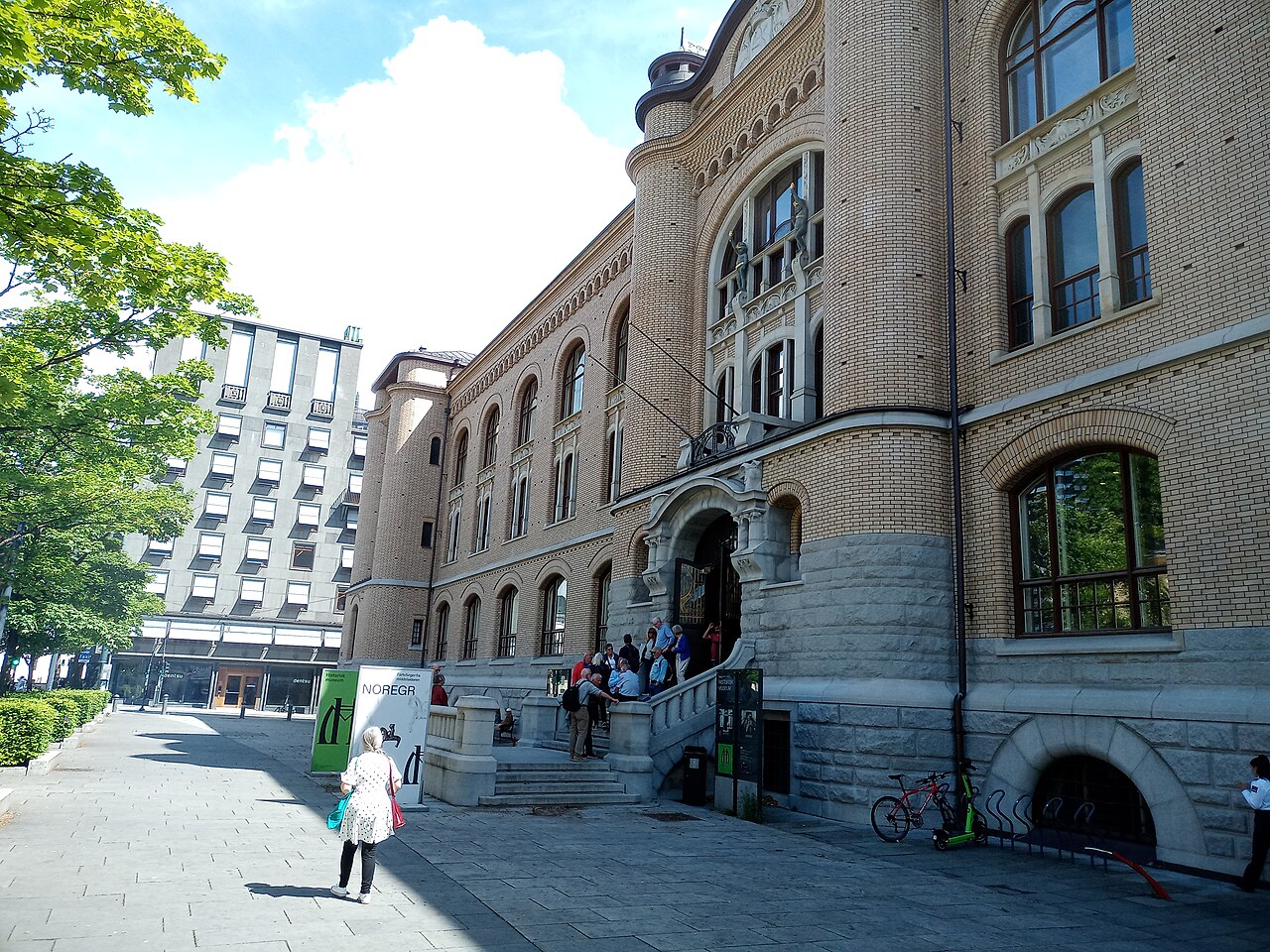
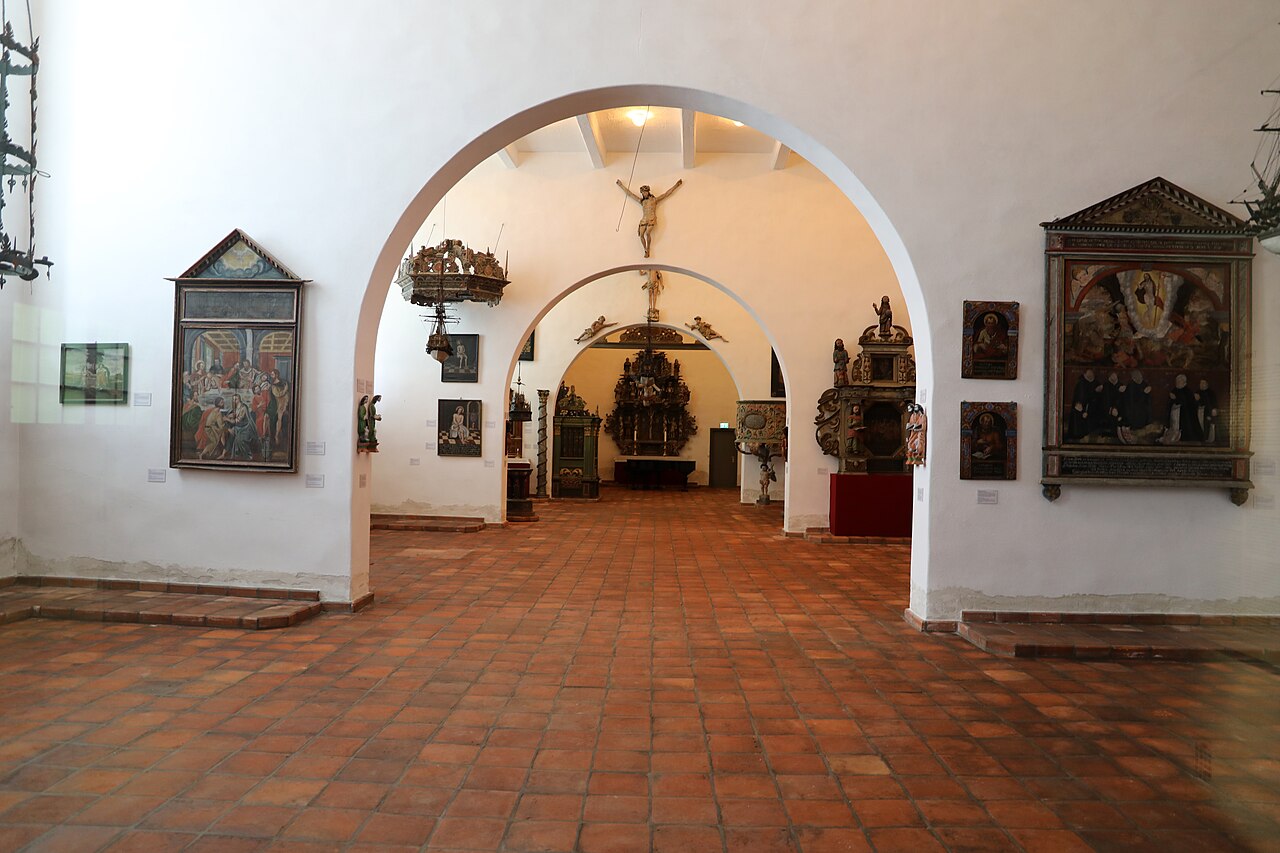
Norsk Folkemuseum (the Norwegian Museum of Cultural History) on Oslo's Bygdøy peninsula is one of the world's oldest and largest open-air museums, founded in 1894 by Hans Aall. Around 160 original timber buildings from across Norway — spanning the Middle Ages to the 20th century — have been reassembled into rural farmsteads and reconstructed town streets, centred on the Gol Stave Church built around 1200. In summer 2026 the museum adds the new Living Crafts Yard (Håndverkstunet), where craftspeople demonstrate traditional trades. With costumed hosts, folk dancing and a permanent Sámi exhibition, it's a place to stroll slowly and experience the whole sweep of Norwegian life.
Gol Stave Church — a genuine medieval wooden church from around 1200 and the only medieval stave church you can see without leaving Oslo. Its west portal is carved with entwined dragons and vines, and the pine-tar scent inside carries 800 years of history.
The Old Town (Gamlebyen) — reconstructed streets of shops, bakeries and homes from Oslo and Kragerø dating from the 1600s to the 1900s, giving a genuine sense of stepping back in time.
Numedal and Setesdal farmsteads — from an open-hearth house of the 13th century to richly decorated 17th–18th-century farmhouses, letting you compare living spaces across the eras side by side.
The permanent Sámi exhibition and 'Báiki' — opened in 1958, presenting the life and art of Norway's Indigenous Sámi people.
Costumed hosts and live demonstrations — in summer there are daily folk dancing, traditional-craft demos and free guided tours of the Gol Stave Church.
Good to know
SeasonThis is largely an open-air museum, so weather matters. Even in summer showers are common, so waterproof outerwear and comfortable walking shoes are essential. May–October is when building interiors and live programmes are fullest; in winter (Oct 5–Apr 30) hours shorten to Tue–Sun 11:00–16:00 and it is closed Mondays.
SeasonOslo summers have near-midnight-sun daylight, so it stays bright late — but the museum has fixed closing times, so arrive in the morning or early afternoon to explore at leisure. The grounds are large; allow at least half a day to see it properly.
RulesTickets are best bought online via the official site (booking.duell.no), though on-site purchase is fine. Under-18s enter free and Oslo Pass holders enter free, so bring your pass if you have one. Please confirm current prices and opening hours on the official website before your visit.
MannersThese are real heritage buildings, including the Gol Stave Church, so don't touch the timber or exhibits, and keep quiet inside the church. Some indoor areas are no-flash zones — just follow the signage. Norway has no strong tipping culture, so there's no need to over-tip.
SafetyNorway is generally very safe, but pickpocketing does occasionally occur in tourist-heavy spots in central Oslo, on public transport and at ferry piers. Keep bags in front and mind your passport and cash. The outdoor gravel paths and slopes make sturdy, comfortable footwear the safer choice.
CautionNorway is effectively a card- and mobile-payment society with little cash use. Buy tickets and ferry/bus fares through official channels (the museum website, the Ruter app) and avoid unofficial 'guided tour' touts or private services charging inflated prices.
Practical info
From central Oslo take bus 30 to Bygdøy, or in summer catch the ferry from Rådhusbrygge 3 (by City Hall) to Dronningen every 20 minutes, then walk about 10 minutes (address: Museumsveien 10, 5 km from the centre). Opening hours are daily 10:00–17:00 from May 1 to Oct 4, and Tue–Sun 11:00–16:00 from Oct 5 to Apr 30 (closed Mondays); adults 200 NOK, under-18s free and Oslo Pass free are the standard rates — but confirm current prices and times on the official website before visiting.
On-site reviews📍 Verified on-site
No reviews yet. If you are here, be the first to leave one.