Osezaki is a roughly 800-metre cape hooking out into Suruga Bay in Numazu, on the western side of the Izu Peninsula, and it is mainland Japan's busiest single dive base — two to three hours by car from Tokyo. The sandspit acts as a natural breakwater, so the inner bay stays close to current-free unless a typhoon is sitting on the coast, and permanent guide ropes make it a practical place to drill line descents, statics and free immersion. A few minutes' walk away, the outer coast and the tip of the cape drop past 30 metres almost straight off the shore, which is where depth sessions happen. Water runs 14–16°C in winter and 18–26°C through summer and autumn, with visibility typically 5–15 metres; 2026 reports have ranged from 15–20 metres in February to about 5 metres on early-summer days hit by red tide.
The inner bay training ground — a gentle sand slope with guide ropes already in place, well suited to repeated line work and skill drills
The outer coast (Sakushita, Monshita, Ipponmatsu and others) — a steep wall that reaches 30-metre depths within a short swim of a beach entry
The cape tip (Sentan) — a separate zone open only on weekends and public holidays, with the most dramatic drop-off and fish life, and the strongest current
Seasonal draws — mola mola in spring, schooling fish in autumn, and winter's high clarity with deep-water species drifting shallow
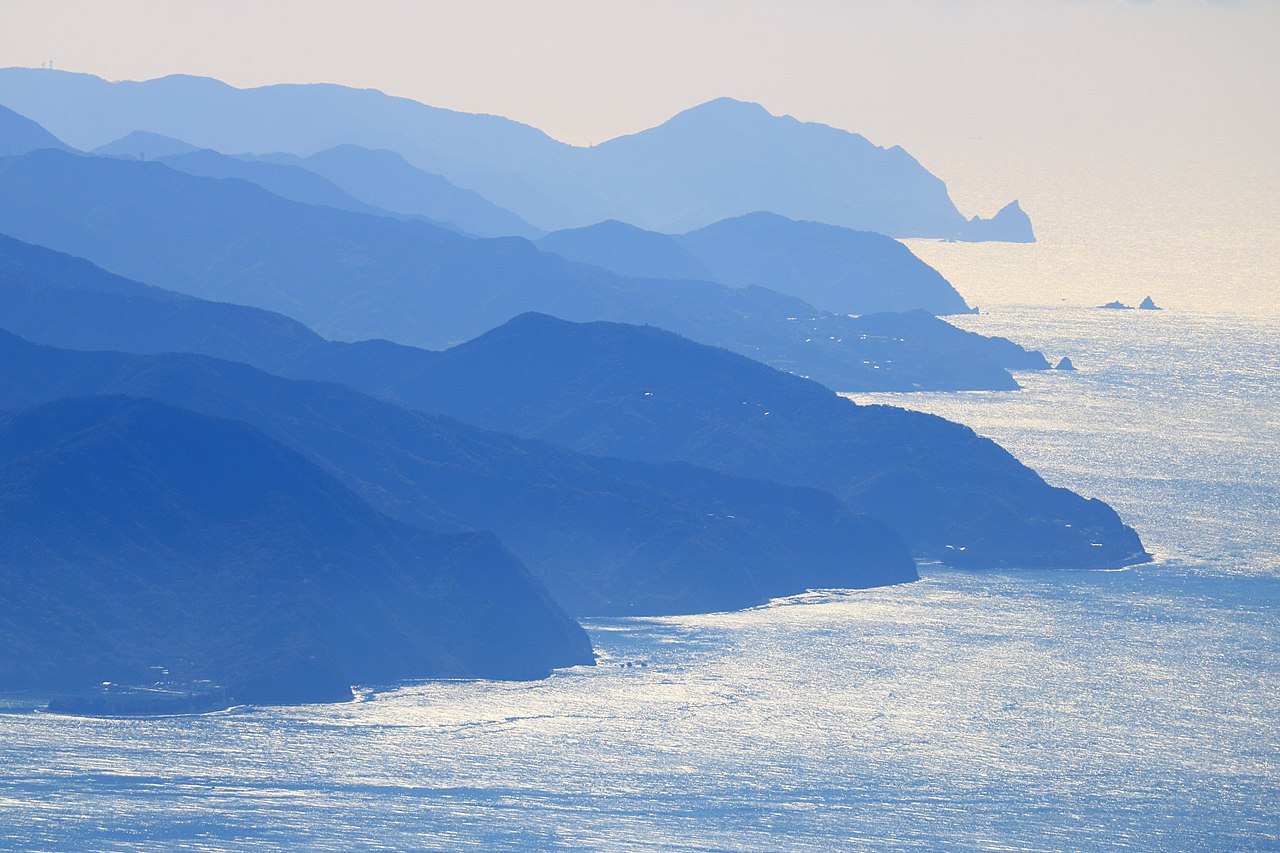
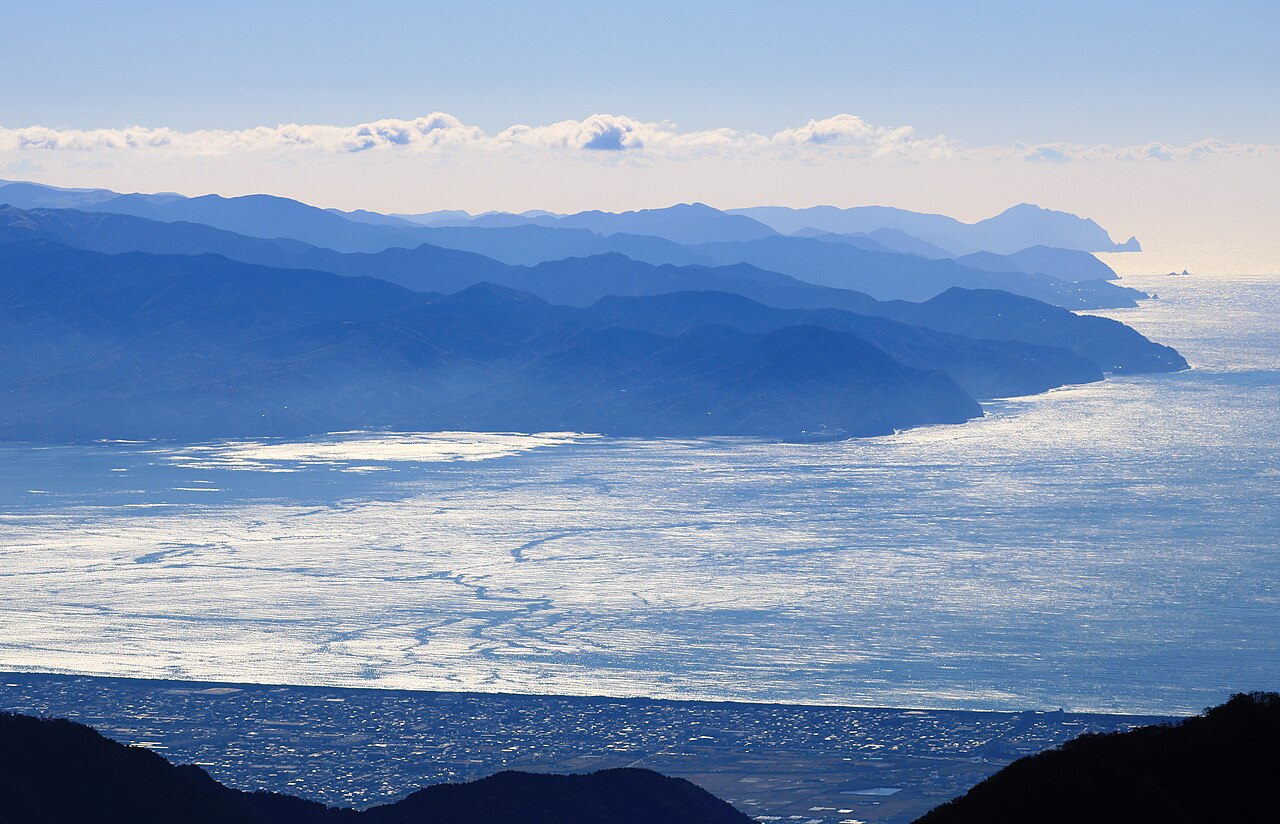
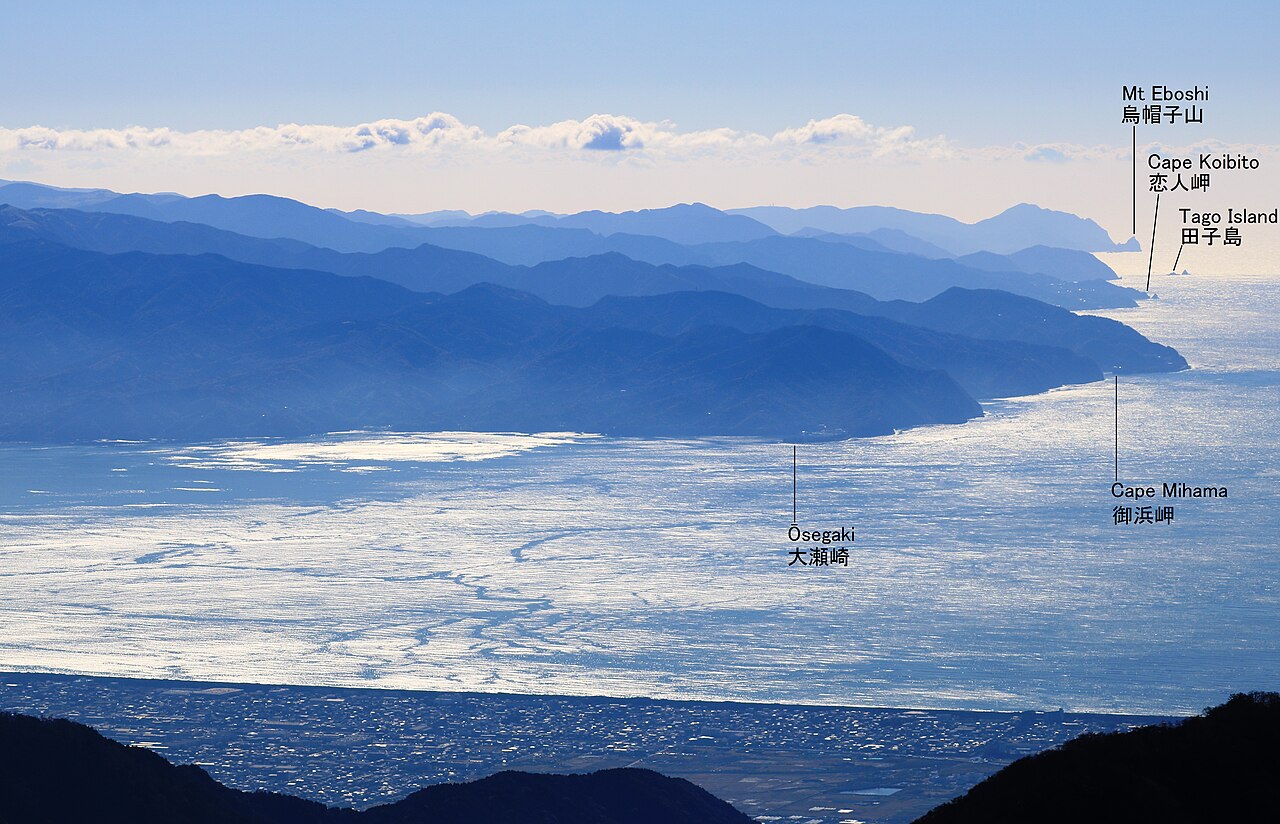
Topside — views of Mount Fuji across the bay on clear days, plus Kōjiike, the freshwater pond on the cape, and its protected juniper grove
Good to know
SafetyShallow water blackout and LMC usually strike without warning in the last 10 metres of the ascent. Dive strictly one-up-one-down, and have a safety diver meet the ascending diver and watch them on the surface for a full 30 seconds. Never hyperventilate. The most common dangerous decision here is treating the calm inner bay as an excuse to dive alone.
SafetyEven in summer the water below the thermocline turns sharply cold, dropping to 14–18°C around 20 metres. Bring a hood and a 5 mm or thicker suit, and set conservative target depths — being cold shortens breath-hold and dulls judgement at the same time, which raises blackout risk.
SafetyRed tide and plankton blooms regularly cut visibility below 5 metres. In those conditions do not descend without a line and float, always wear a lanyard, and agree a counterballast or at least a line-recovery procedure beforehand — poor visibility is exactly when a surface team loses sight of a diver.
SafetyThe outer coast and the cape tip combine current, swell and a fast drop-off, and are not a place for beginners to enter unaccompanied. Boats work the piers in the bay, where diving is prohibited within 40 metres of them, and a freediver resting on the surface is hard to see from a boat — always fly a buoy. Slips on the steep pebble beach entry are also a frequent source of injury.
RulesThe permitted dive zones and time windows are set by the Ose Kaihin Commercial Association and change by point, season and year — the inner bay and the cape tip open on different schedules, and the tip is weekend and holiday access only. Osezaki is also fundamentally a scuba site, so arranging freediving through a local shop or school is both safer and more reliable; self and buddy diving runs on a registration system, and operators may require a given certification level, a minimum of two divers, or proof of dive insurance. Check your certification and insurance are valid beforehand, and confirm facility fees, tank charges, the shrine contribution and the current diving timetable with the association or your shop immediately before you go.
SeasonThe best window is September to November, when water temperature and visibility settle together; the general season runs May to November. Note that the public swimming beach opens for roughly mid-July to late August, crowding the inner bay and increasing boat traffic with possible zone restrictions, and that early-autumn typhoon swell closes the outer coast on some days.
MannersThe inner bay is a compact training area shared with underwater photographers and instruction groups. Avoid finning up the sand, do not swim across other people's descent lines or buoys, and take your turn at the gear-rigging areas and showers.
Practical info
Access is two to three hours by car from Tokyo via the Nagaizumi-Numazu interchange; by public transport it is over an hour by bus from JR Numazu Station, but with only a handful of departures a day a rental car or shop pickup is the realistic option. The season runs May to November (best September to November) and freediving here effectively requires booking through a local shop or school, so verify certification requirements, insurance, facility fees and the current diving timetable directly with the association and your operator just before departure.
On-site reviews📍 Verified on-site
No reviews yet. If you are here, be the first to leave one.