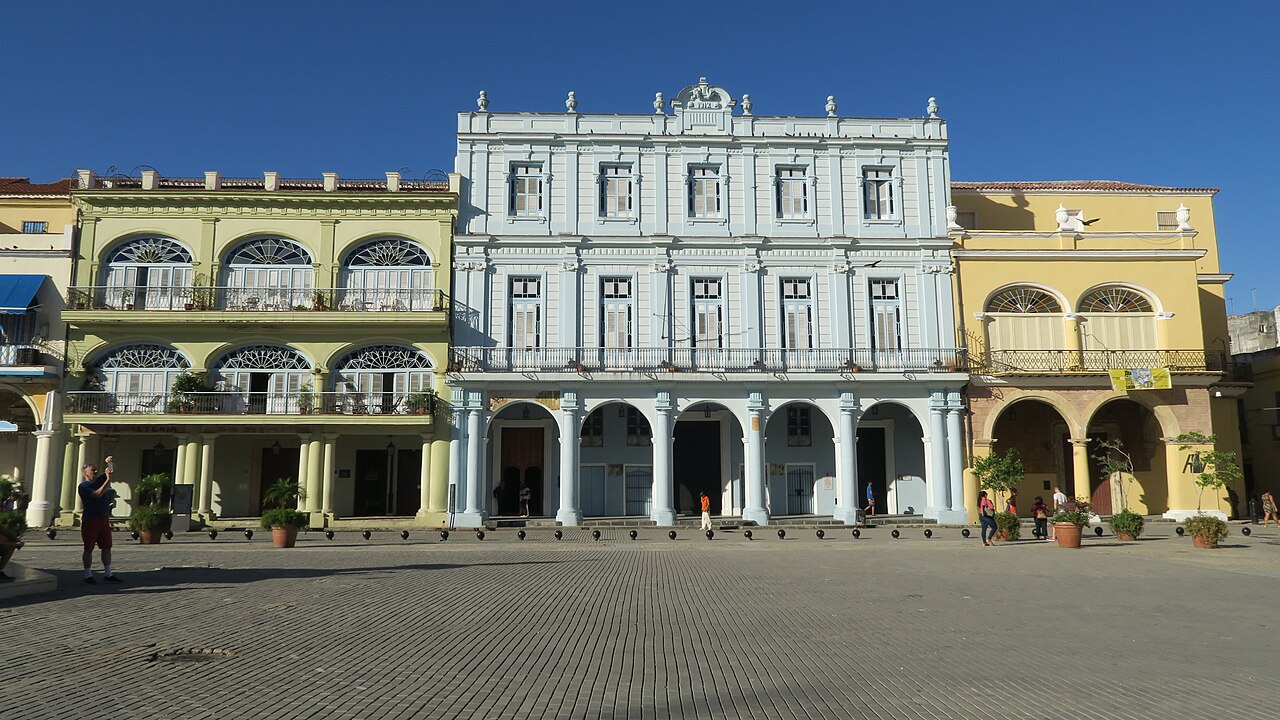
Plaza de la Catedral is the last-built and most harmonious of Old Havana's four colonial squares, framed entirely by 18th-century buildings and regarded as the finest ensemble of Cuban Baroque. Its centerpiece, the Cathedral of San Cristóbal (Havana Cathedral), was begun by the Jesuits in 1748 and consecrated as a cathedral in 1789; its two mismatched bell towers and undulating façade have long been described as 'music set in stone.' The whole quarter was inscribed by UNESCO in 1982 as 'Old Havana and its Fortification System,' and both the square and the cathedral are free to visit. As of 2026, however, Cuba is coping with prolonged power outages and shortages, so enjoy the square's beauty by day while staying alert with your belongings and after dark.
The rippling Cuban Baroque façade with two asymmetrical bell towers — the photogenic 'music turned to stone' frontage.
The coralline limestone walls, where fossilized shells and marine life are visible in the stone of the façade.
A square completed entirely with 18th-century architecture and cobblestones — the only wholly Baroque plaza in Havana.
The Museo de Arte Colonial in the Casa Bayona palace (built 1720) on the south side, with colonial-era furniture, decorative arts, and a shaded courtyard.
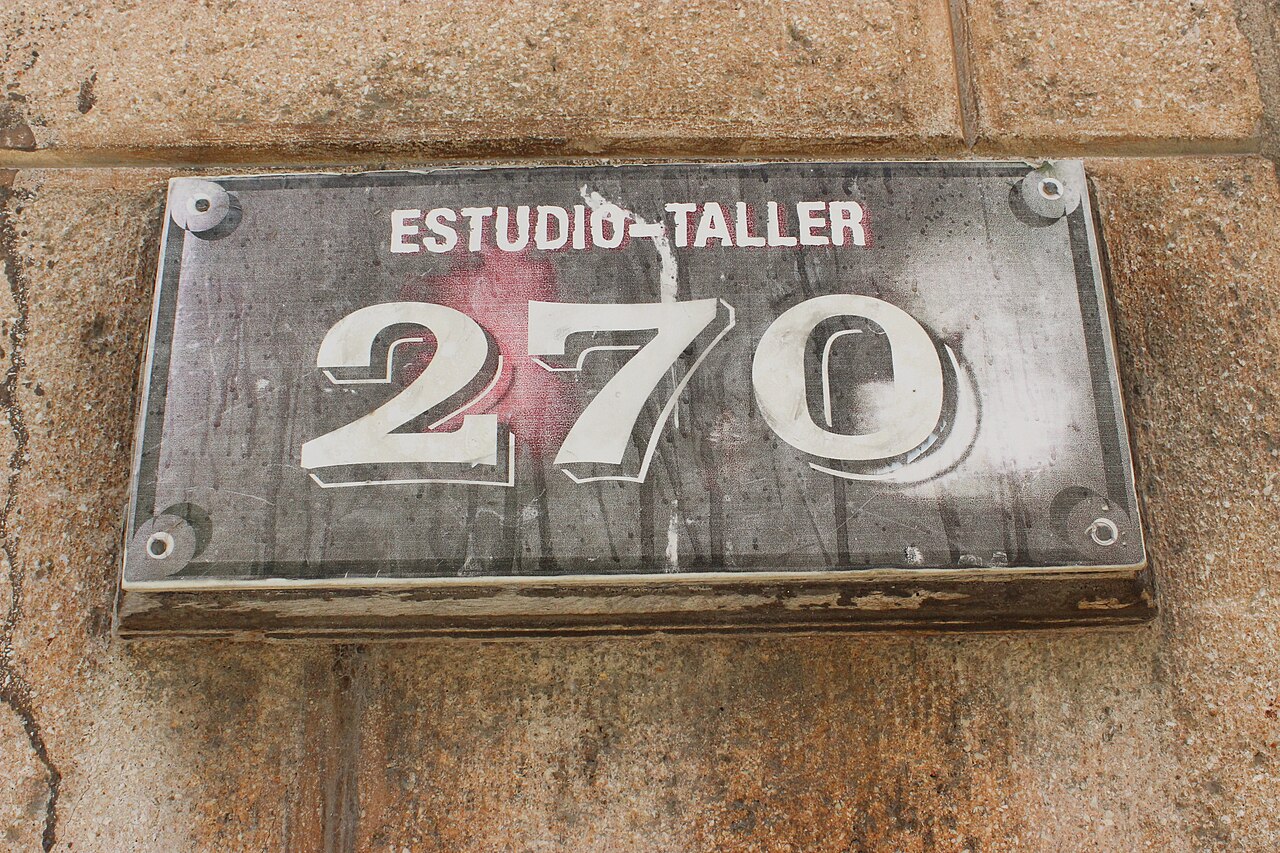
The narrow Callejón del Chorro with its Taller Experimental de Gráfica printmaking workshop, the El Patio terrace overlooking the square, and La Bodeguita del Medio a short walk away.
Good to know
SafetyIn 2026 several governments raised their Cuba advisories (Korea issued a nationwide special travel advisory in May). Avoid going out after dark, keep passport, cash, and valuables in a hotel safe, and allow extra time for transport.
SafetyPickpocketing is common in Old Havana even in daylight. Wear your bag in front, keep phones and cameras out of sight, and be especially careful in crowds around the square and side alleys.
SeasonOngoing blackouts (apagones) can also disrupt water and communications, so pack a power bank and a flashlight. July is hot and humid, and hurricane season runs June–November, so an early-morning visit is most comfortable.
CautionTouts known as 'jineteros' will offer guides, cigars, and restaurants. Street cigars are usually fake — buy only from an official store (La Casa del Habano) — and always agree the fare before getting into any taxi.
CautionCostumed characters around the square (such as women with cigars) expect a tip if you photograph them, so confirm the intent and price first, and avoid street money-changing, which is prone to fraud.
RulesCuba runs largely on cash and most foreign and U.S. cards and ATMs do not work, so bring plenty of USD or euros in cash. Some extras such as climbing the bell tower carry a small fee — always confirm current prices and hours on site.
MannersThe cathedral is still an active place of worship. Dress modestly (cover shoulders and knees), stay quiet during Mass, ask before photographing worshippers, and a small tip for attendants and musicians is customary.
Practical info
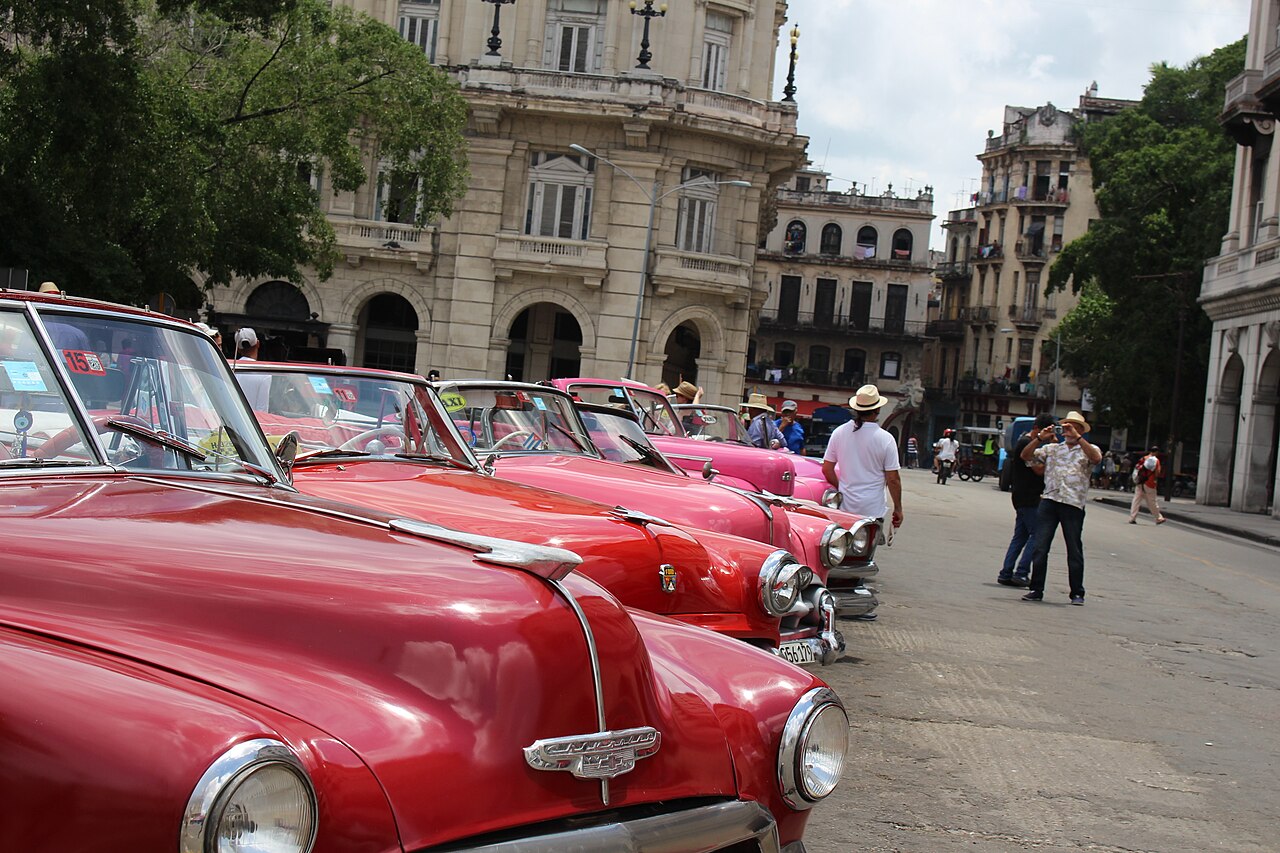
Havana has no metro and Old Havana is pedestrian-focused, so Plaza de la Catedral is a few minutes' walk from Plaza de Armas and the harbor and about 15 minutes from the Capitolio and Parque Central; get around on foot, by classic-car taxi, or by bicitaxi. The square is free and open all day, and cathedral entry is free (donations welcome), but hours shift around services and extras like climbing the bell tower carry a small fee, so confirm the latest opening times and prices on site before visiting.
On-site reviews📍 Verified on-site
No reviews yet. If you are here, be the first to leave one.