Mount Nemrut (Nemrut Dağı), rising to about 2,134 m in Adıyaman Province in southeastern Türkiye, is a UNESCO World Heritage Site (inscribed 1987) crowned by the hierotheseion (temple-tomb) that King Antiochos I of Commagene built for himself in the 1st century BC. It is famous for its 8–9 m colossal statues fusing Greek and Persian gods, whose massive stone heads have tumbled to the ground over the centuries, earning it a reputation as an 'eighth wonder' of the ancient world. Because the national-park road is closed by snow in winter, most travelers come between mid-April and mid-October, timing their visit for the celebrated sunrise or sunset on the summit. Although Adıyaman was hit by the February 2023 earthquakes and is still rebuilding, the site and its tourism are operating normally in 2026.
East Terrace: rows of enthroned deities — Antiochos I with the goddess Commagene, Zeus-Oromasdes, Apollo-Mithras and Herakles — facing the dawn; the prime spot for sunrise.
West Terrace: a mirroring set of statues plus the well-preserved 'Lion Horoscope' relief (astronomical carving dated to around 62 BC), ideal at sunset.
The fallen colossal heads resting on the terrace floors, toppled from their bodies by earthquakes and time — Nemrut's signature image.
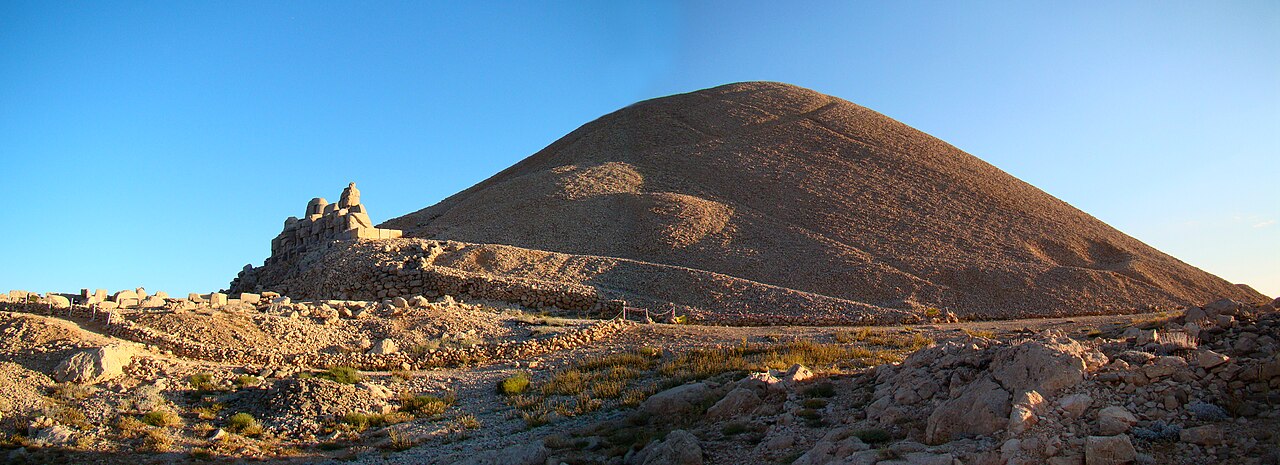
The tumulus: a 50 m-high artificial mound of crushed stone chips, roughly 145–152 m across, believed to cover the king's tomb.
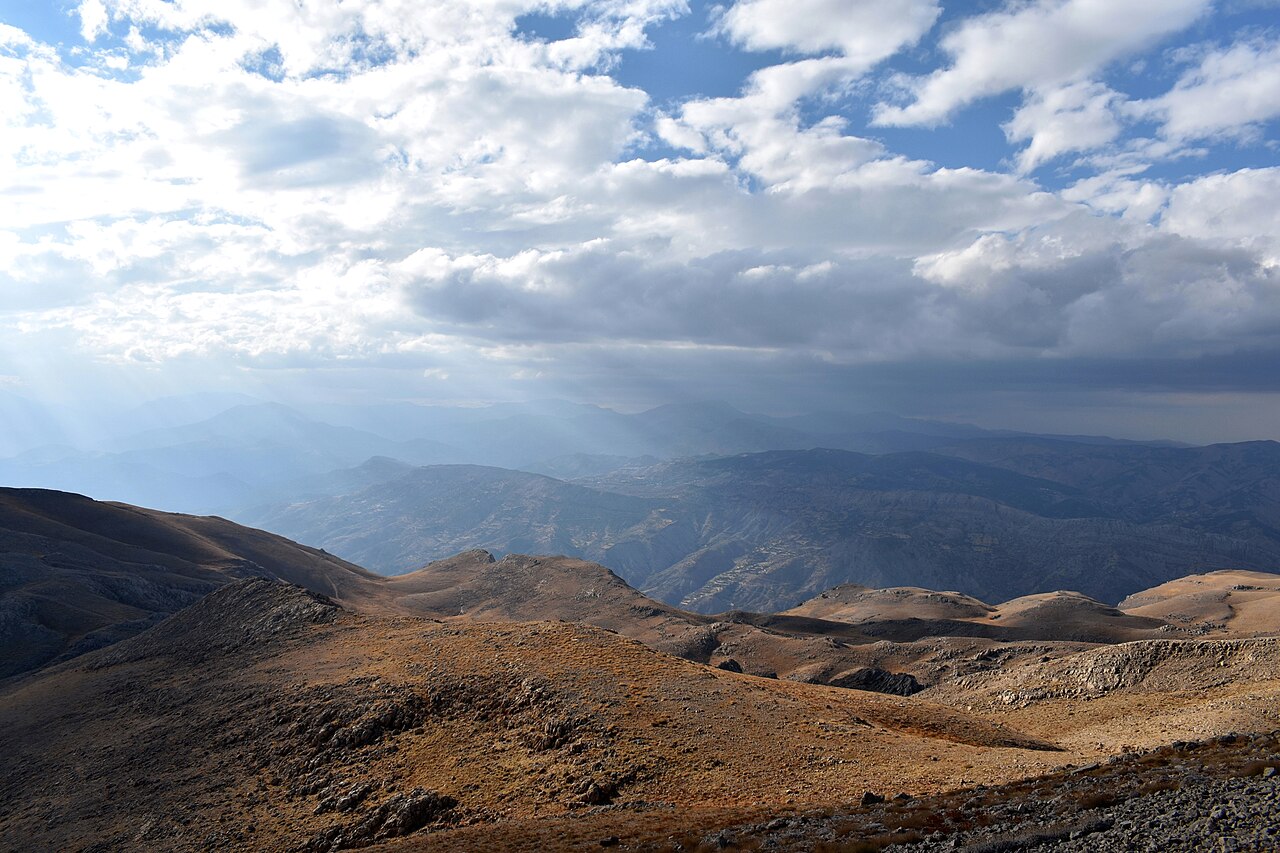
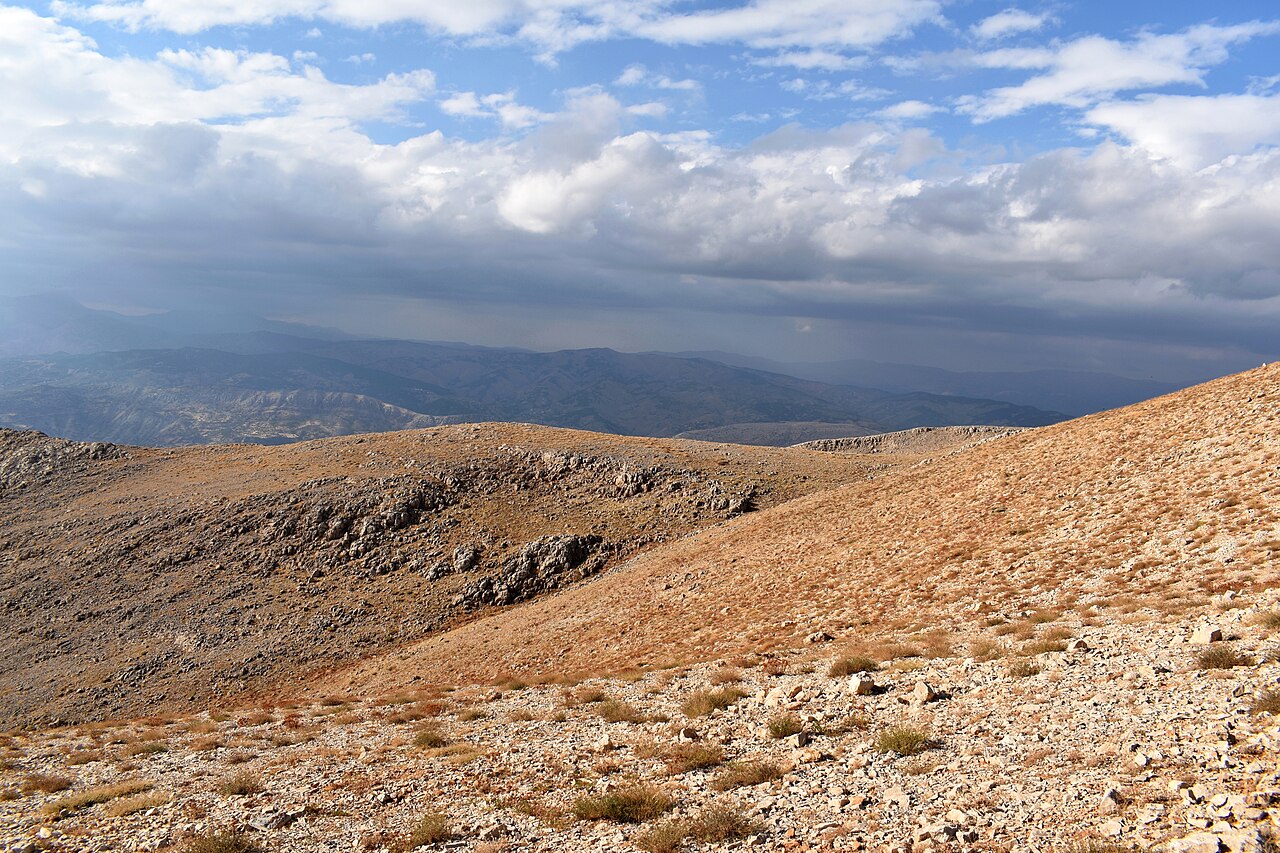
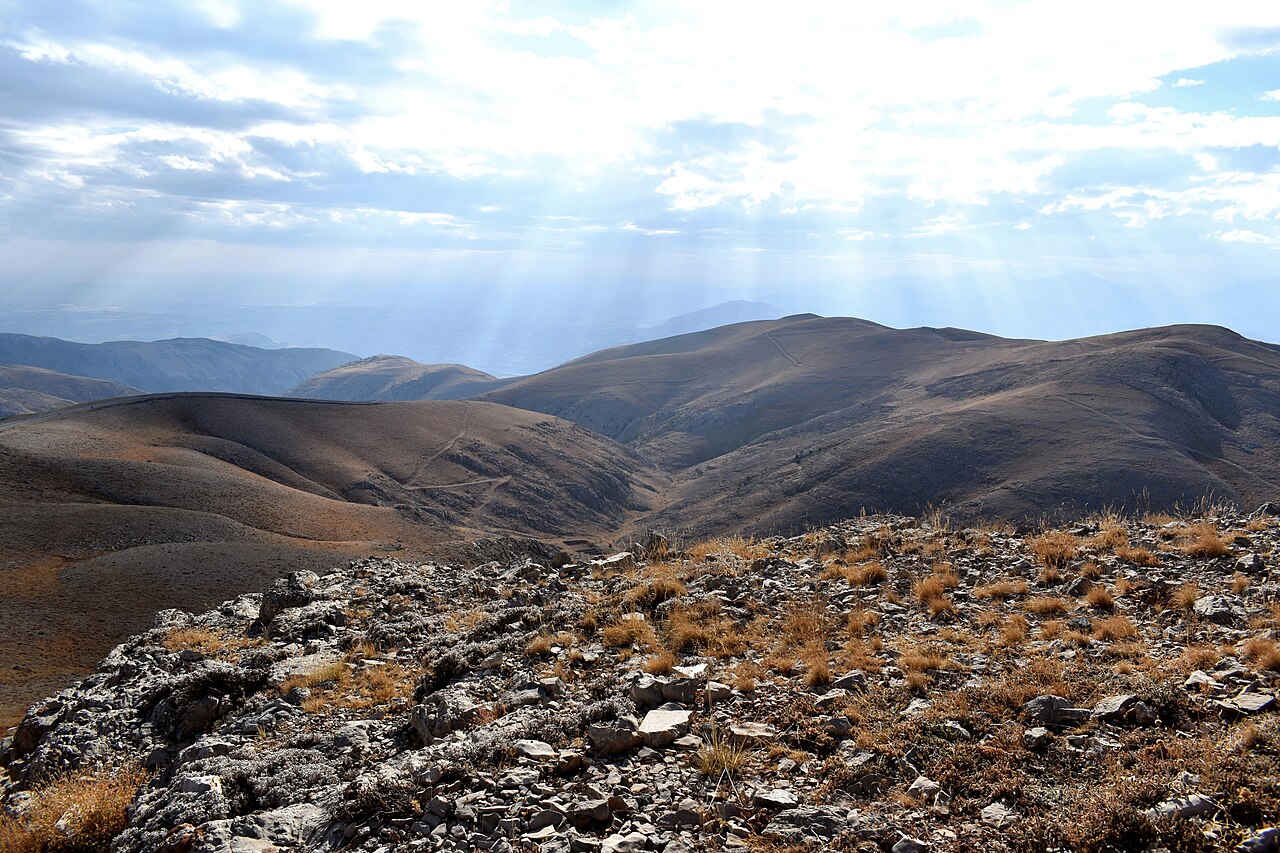
The 2,000 m summit panorama over the Anti-Taurus range, framed by the guardian lion and eagle statues flanking the gods.
Good to know
SeasonThe summit road is generally closed by snow from December through March and is reliably accessible only from mid-April to mid-October; May–October is safest. Check current opening and road conditions before you go.
SafetyAt 2,134 m the summit can drop to near freezing at sunrise even in midsummer, with strong wind. Bring a warm jacket, hat and gloves.
SafetyThere is no public transport; a sunrise visit means a long pre-dawn drive (leaving around 2–3 a.m.) and a 15–20 minute uphill walk on rocky ground from the car park. Wear sturdy shoes and carry a flashlight.
RulesThis is a World Heritage Site and national park: do not climb on the statues, touch the reliefs or remove any stones, and note that drones require prior permission. Confirm the entry fee, opening hours and the separate night-museum (gece müzeciliği) sunrise ticket for the latest details.
CautionIn this remote region, unlicensed guides and taxi/tour operators may overcharge. Book an official tour or vehicle in advance from Kahta or Adıyaman and confirm prices in Turkish lira.
MannersThe monument is the sacred temple-tomb of Antiochos I. Keep noise down at sunrise and sunset, be considerate of others' views and photos, and never deface the statues.
Practical info
The nearest bases are Kahta (about 40 km north of the summit) and Adıyaman; with no public transport, most visitors reach the summit car park by rental car or organized tour and then walk 15–20 minutes uphill. Adıyaman Airport (ADF) offers domestic flights from Istanbul and Ankara. The site is typically open roughly 09:00–19:00 (hours shift with sunrise/sunset), with a separate early-morning night-museum ticket for sunrise; always verify the entry fee (around €10 as of 2025–2026), opening hours and Museum Pass Türkiye / MüzeKart validity before your visit.
On-site reviews📍 Verified on-site
No reviews yet. If you are here, be the first to leave one.