Montjuïc Castle is a 17th-century star-shaped military fortress crowning Montjuïc hill about 173 m above Barcelona's harbor. First built in 1640 during the Catalan Revolt and repeatedly expanded, it carries a heavy history as a fortress aimed at the city and, for two centuries, a prison and execution site for political prisoners. Today it is one of the best viewpoints over the Mediterranean and the city, and a venue for exhibitions and open-air screenings.
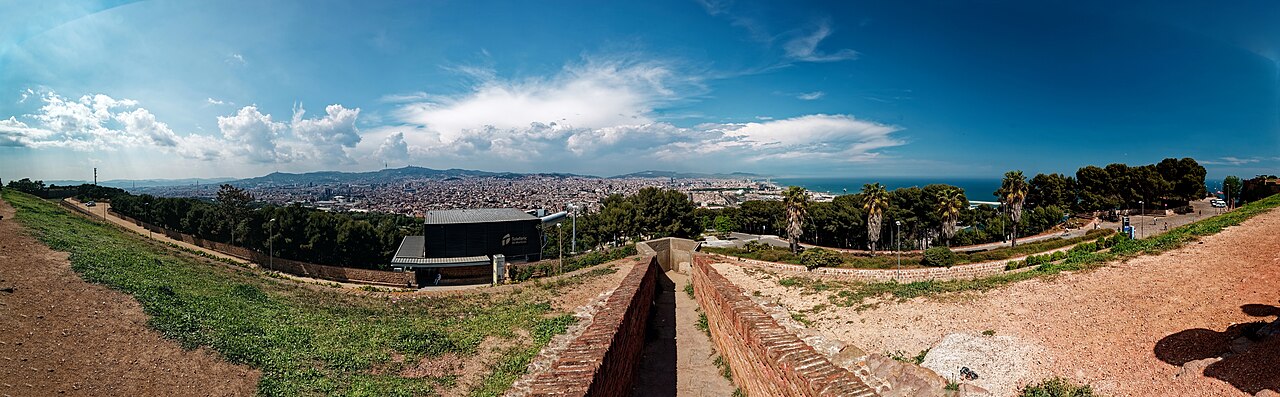
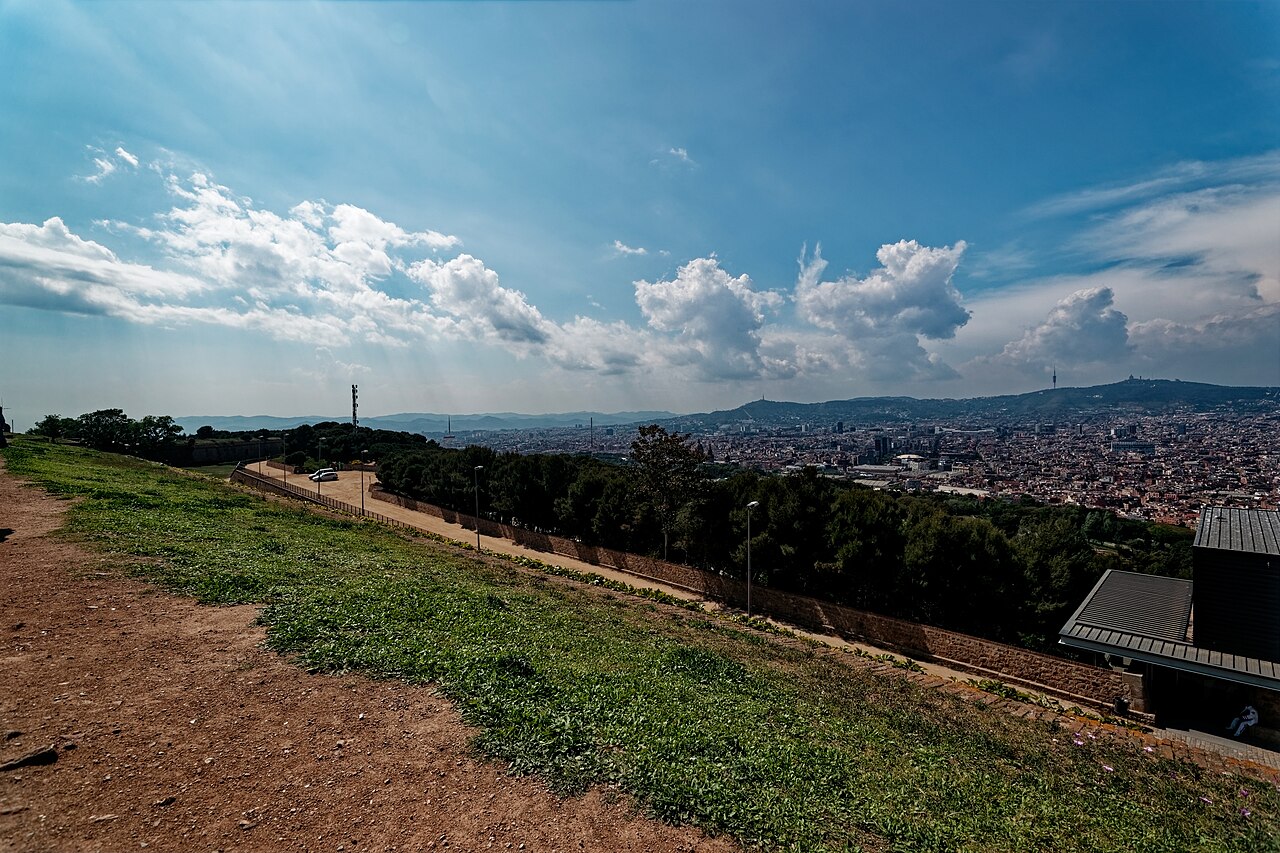
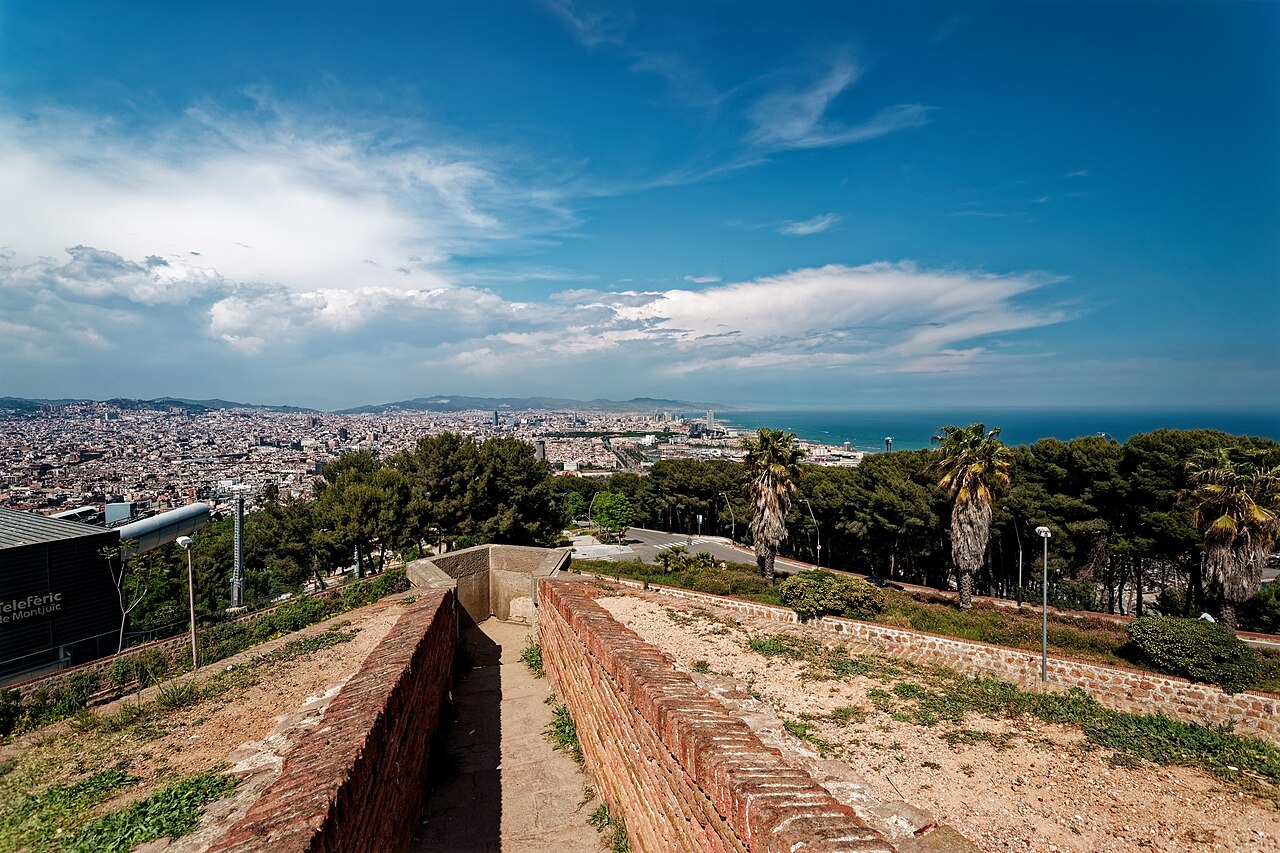
360° panorama of the Mediterranean, the port and Barcelona from the ramparts and the rooftop of the central watchtower (Torre de Vigía)
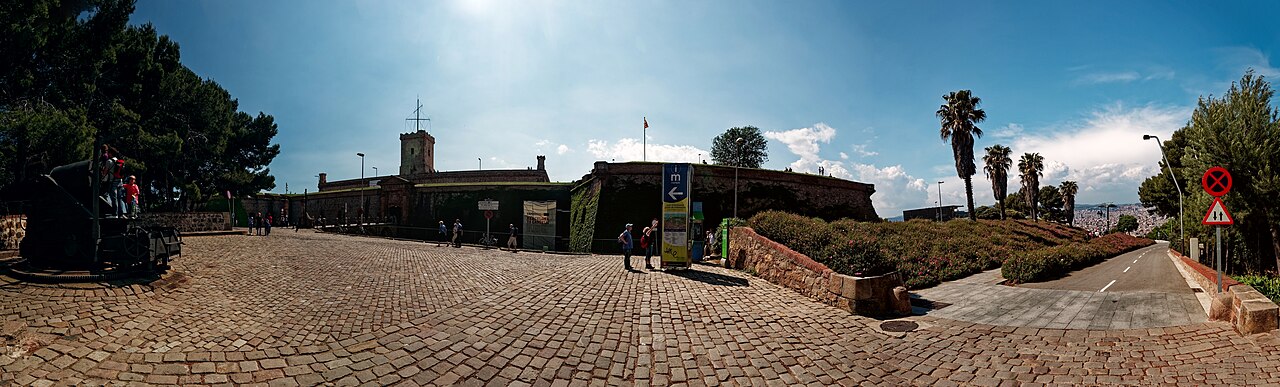
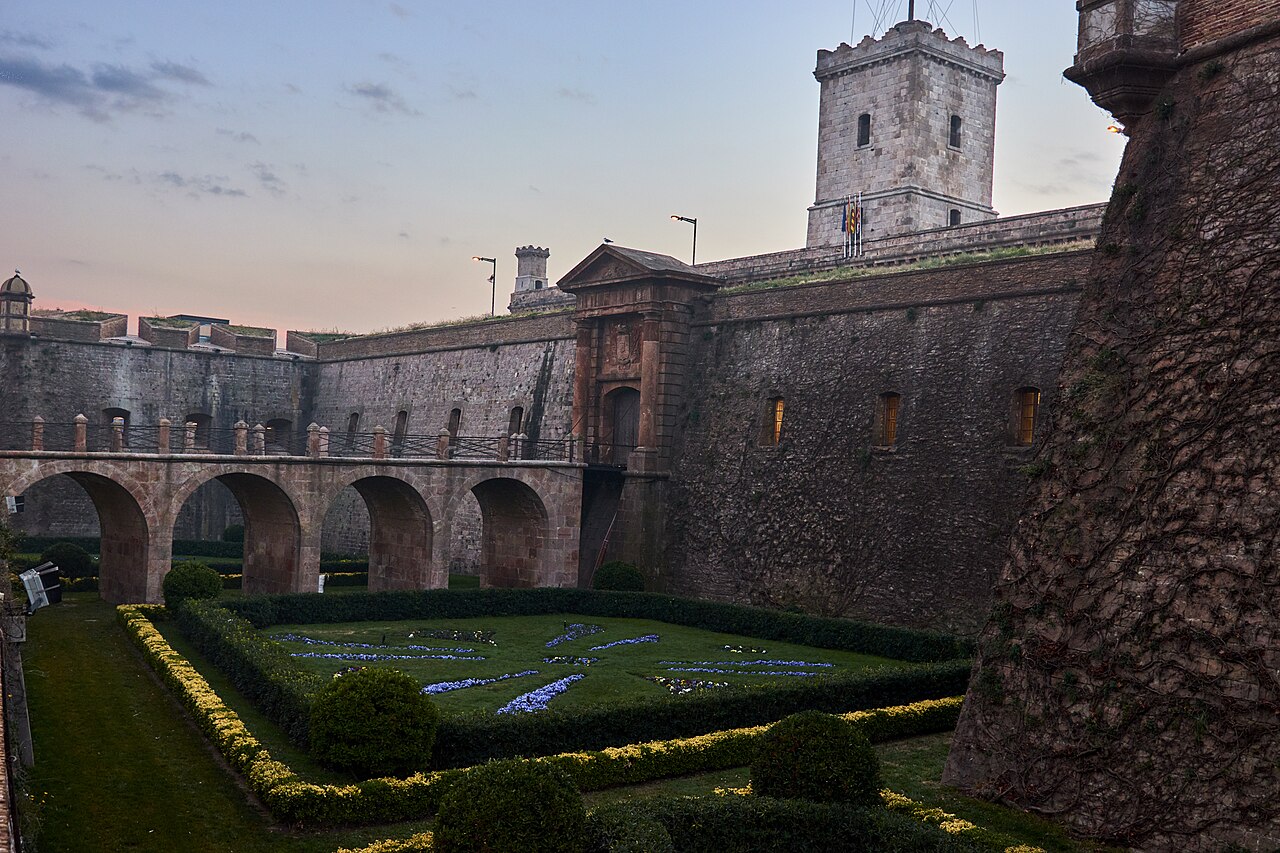
Classic 17th-century bastion fortress design — four angled bastions and a star-shaped layout built to deflect cannon fire
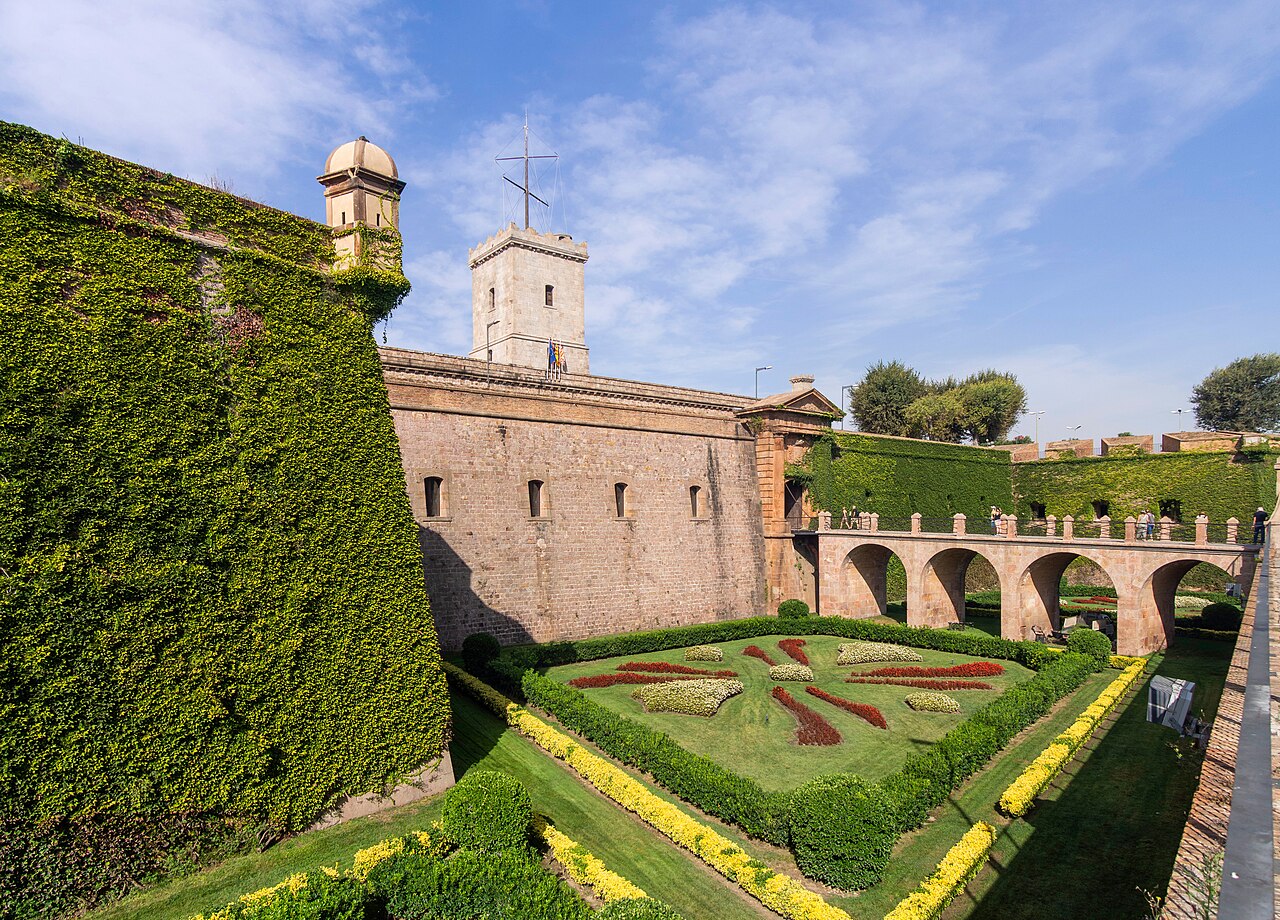
The original drawbridge over a roughly 40-ft-deep moat, whose interior is now a colorful landscaped garden you can walk through
A permanent interpretation center exploring the fortress's past, including its dark years as a prison and execution ground
Seasonal culture such as the summer 'Sala Montjuïc' open-air film festival held in the moat gardens, plus concerts and exhibitions
Good to know
CautionThe clipboard 'petition' scam is common on the escalators and paths climbing Montjuïc: someone (often claiming to represent a deaf charity) asks you to sign while an accomplice goes through your bag. Firmly decline unsolicited signature requests.
SafetyBarcelona ranks among Europe's worst cities for pickpocketing. In crowds at the cable car / funicular stations and on the metro, wear a crossbody bag in front and keep your phone and wallet out of open pockets.
CautionWatch for the 'bracelet' scam (someone ties a string on your wrist and demands money) and the 'bird-poo' scam (a stranger smears something on you, then robs you while pretending to help clean it) near tourist spots.
RulesPrices, opening hours and free-entry conditions change often, so verify the latest details on the official site before you go. Booking online lets you skip the long ticket queues.
SeasonIn summer the hilltop is exposed with little shade and strong sun. Early morning or late afternoon is cooler and less crowded; bring water, a hat and sun protection.
RulesDuring free-entry windows (e.g. the first Sunday of the month, and Sunday late afternoon) the castle gets very crowded — choose a paid slot if you prefer a quieter visit.
Practical info
The usual route is metro line L3 to Paral·lel, transfer to the Montjuïc Funicular, then the Telefèric de Montjuïc cable car up to the castle entrance. Bus 150 stops right at the gate, or you can walk up the hill in about 20–30 minutes. Allow roughly 1–2 hours including the views and exhibitions. Check hours and prices on the official site before visiting.
On-site reviews📍 Verified on-site
No reviews yet. If you are here, be the first to leave one.