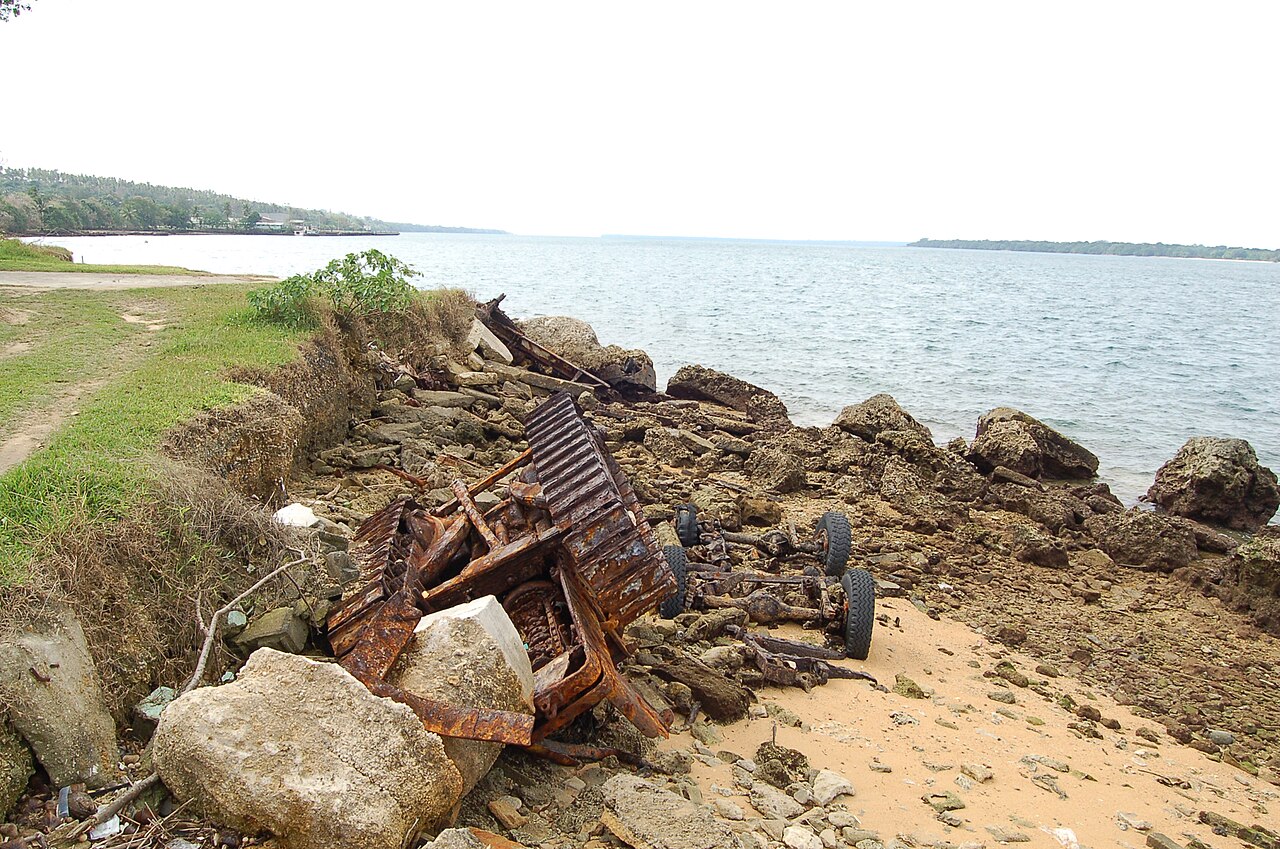
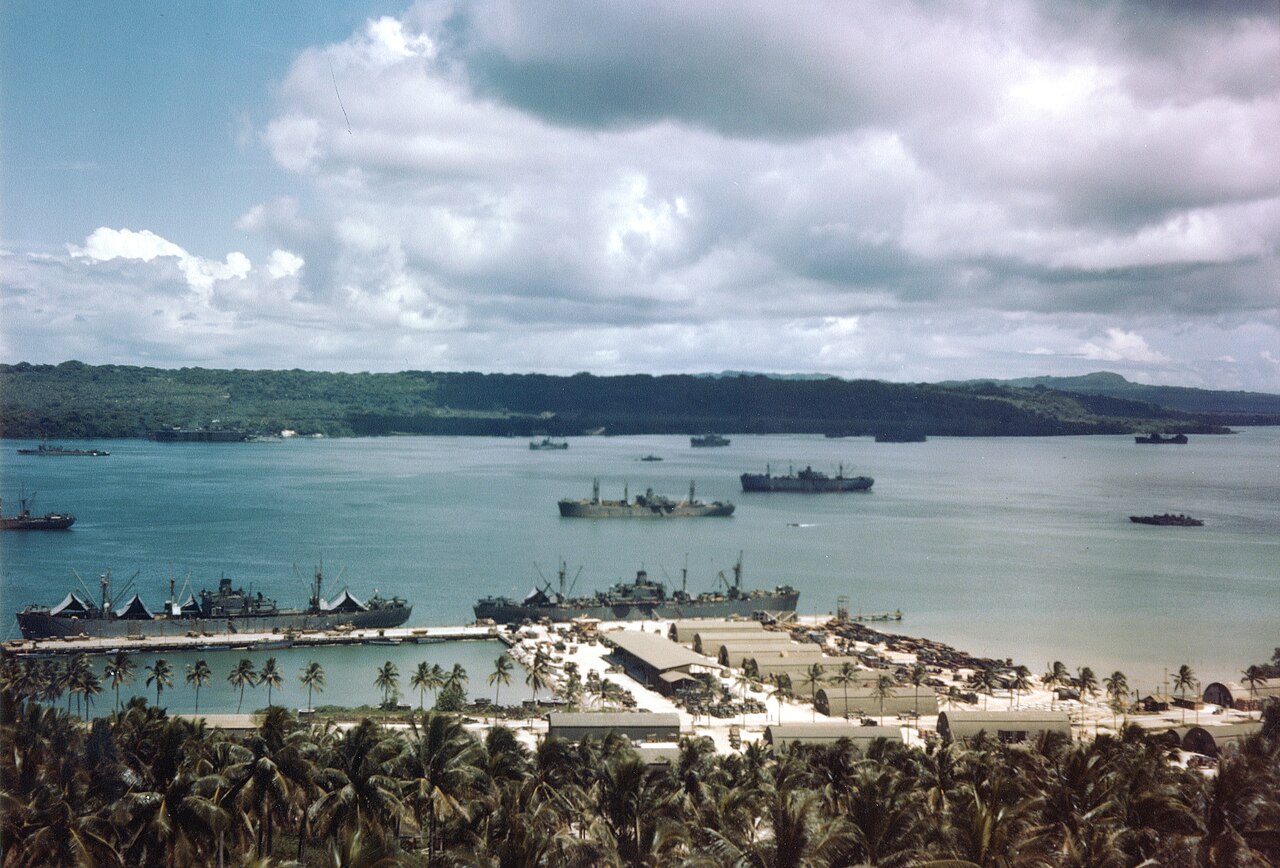
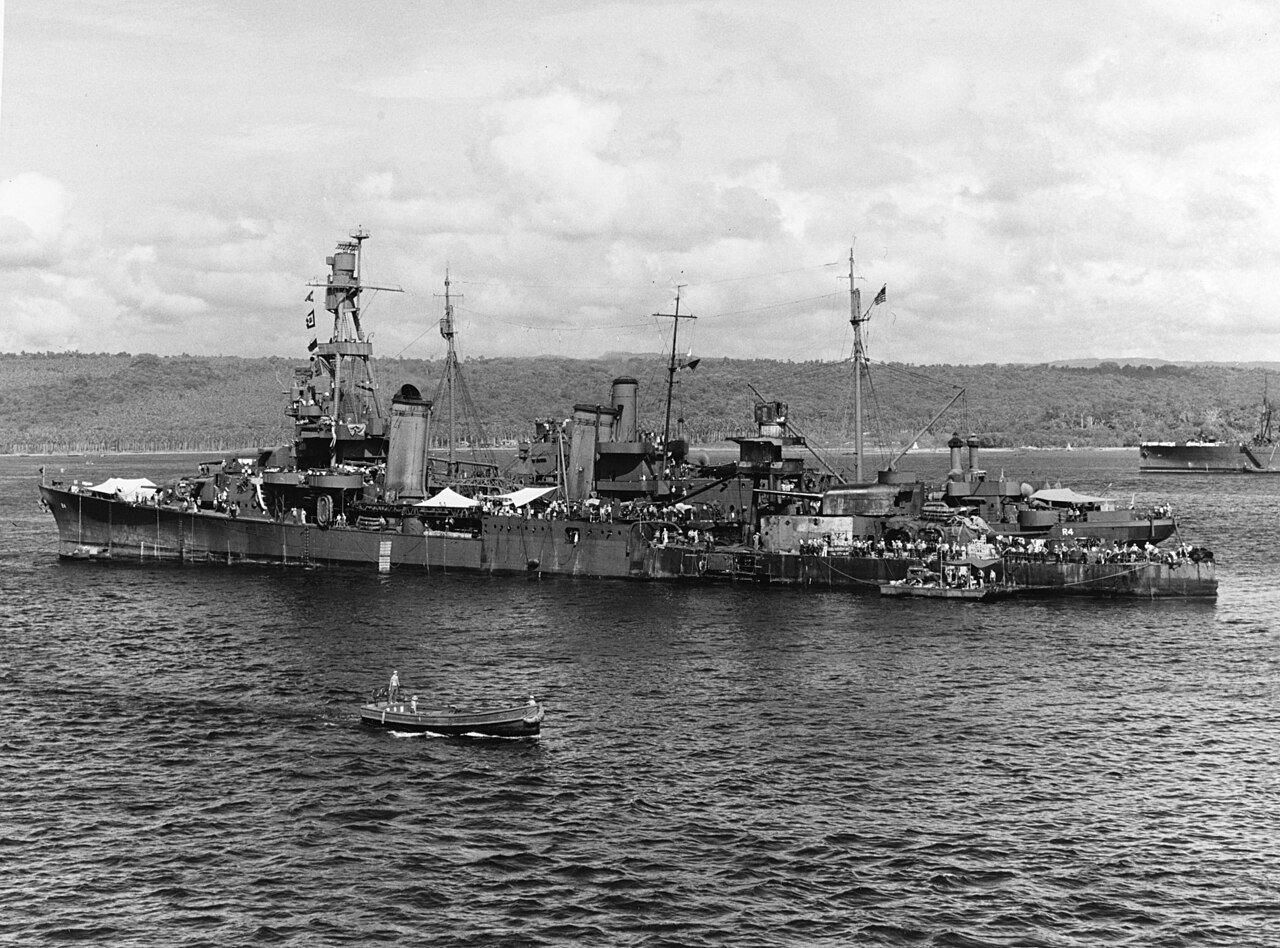
Million Dollar Point, on the southeast coast of Espiritu Santo near Luganville, is one of the world's strangest snorkel sites: an underwater 'war museum'. When U.S. forces pulled out at the end of WWII they bulldozed jeeps, trucks, cranes, forklifts and even crates of Coca-Cola bottles and crockery straight into the sea rather than hand them cheaply to the French and British. Decades on, the rusting machinery is encrusted with coral and patrolled by reef fish, clownfish and the occasional turtle, all shallow enough to take in from the surface. Depths start at about 1-2 m at the entry and the shallow wreck field sits within roughly 8 m, with visibility usually around 10-20 m.
Jeeps, trucks, bulldozers and cranes fused into coral and swarming with reef fish
Scattered Coke bottles, dinnerware and end-of-war debris in the shallows
Soft corals, clownfish and starfish over the wreckage, with turtles if you're lucky
An easy sandy beach entry - just rent gear and wade straight in
Pairs naturally with the nearby SS President Coolidge wreck for a world-class WWII day
Good to know
SafetyEven after decades the rusted metal and broken glass on the wreckage stays sharp. Wear reef shoes or booties and never grab or lean on the debris.
SafetyA longshore current runs across the site and strengthens around the full moon, and it can push you offshore. Don't snorkel alone, tow a float or buoy, and stay in the shallow zone close to the beach.
SafetyFloating face-down for long stretches makes back-and-neck sunburn very likely. Wear a rash guard and reef-safe sunscreen.
SafetyThe deeper machinery beyond about 8 m is diving territory, not snorkeling. Don't free-dive down chasing a photo - stick to the shallow wreckage.
RulesTwo access points are managed by local landowners (roughly 1000 and 500 Vatu each). Pay the entry fee at the gate, and confirm the current price locally.
MannersNever stand on or touch the coral, and keep hands and feet off the bottom - stonefish, sea urchins and cone shells live here. If a turtle appears, keep your distance and don't chase or feed it.
SeasonThe dry season (roughly May-October) gives the clearest water, and visibility drops after heavy rain. High tide makes entry easier while low tide exposes more artifacts but a trickier walk-in. November-April is cyclone season.
Practical info
The site is a beach a few kilometres southeast of Luganville, reached by domestic flight from Port Vila to Santo-Pekoa Airport (SON) and then a short drive. It's a self-guided beach entry if you have gear, and Luganville dive shops rent equipment and run guided tours. A small landowner entry fee applies; check the latest fees, opening status and tour requirements before you go.
On-site reviews📍 Verified on-site
No reviews yet. If you are here, be the first to leave one.