Meiji Shrine (Meiji Jingu) is a Shinto shrine in Shibuya, Tokyo, dedicated to the deified spirits of Emperor Meiji and Empress Shoken and completed in 1920. It sits within a roughly 70-hectare man-made "eternal forest" of about 100,000 trees donated from across Japan and planted by volunteers, giving the site a striking stillness right beside bustling Harajuku. It also draws the largest hatsumode (first shrine visit) crowds in all of Japan each New Year.
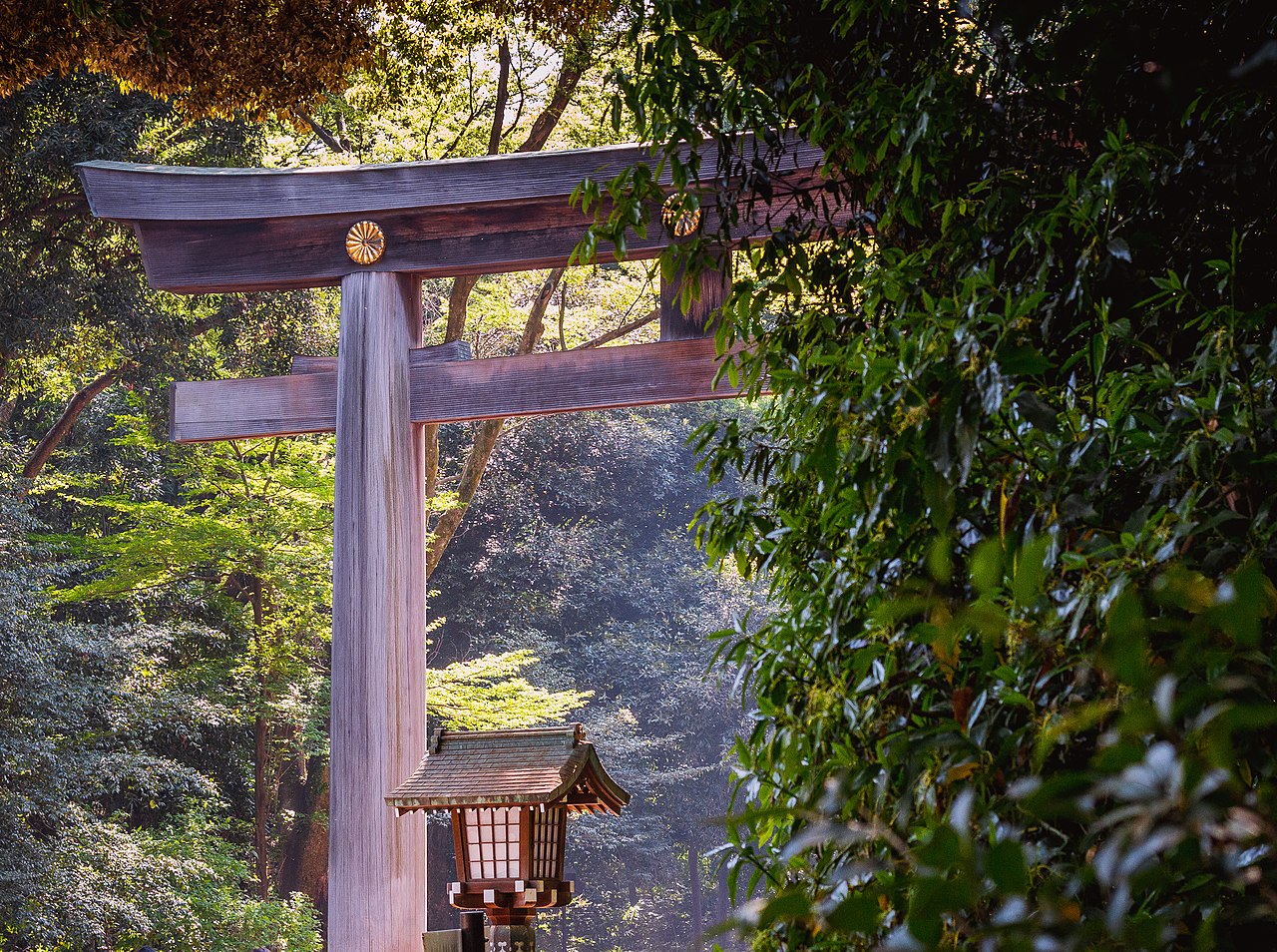
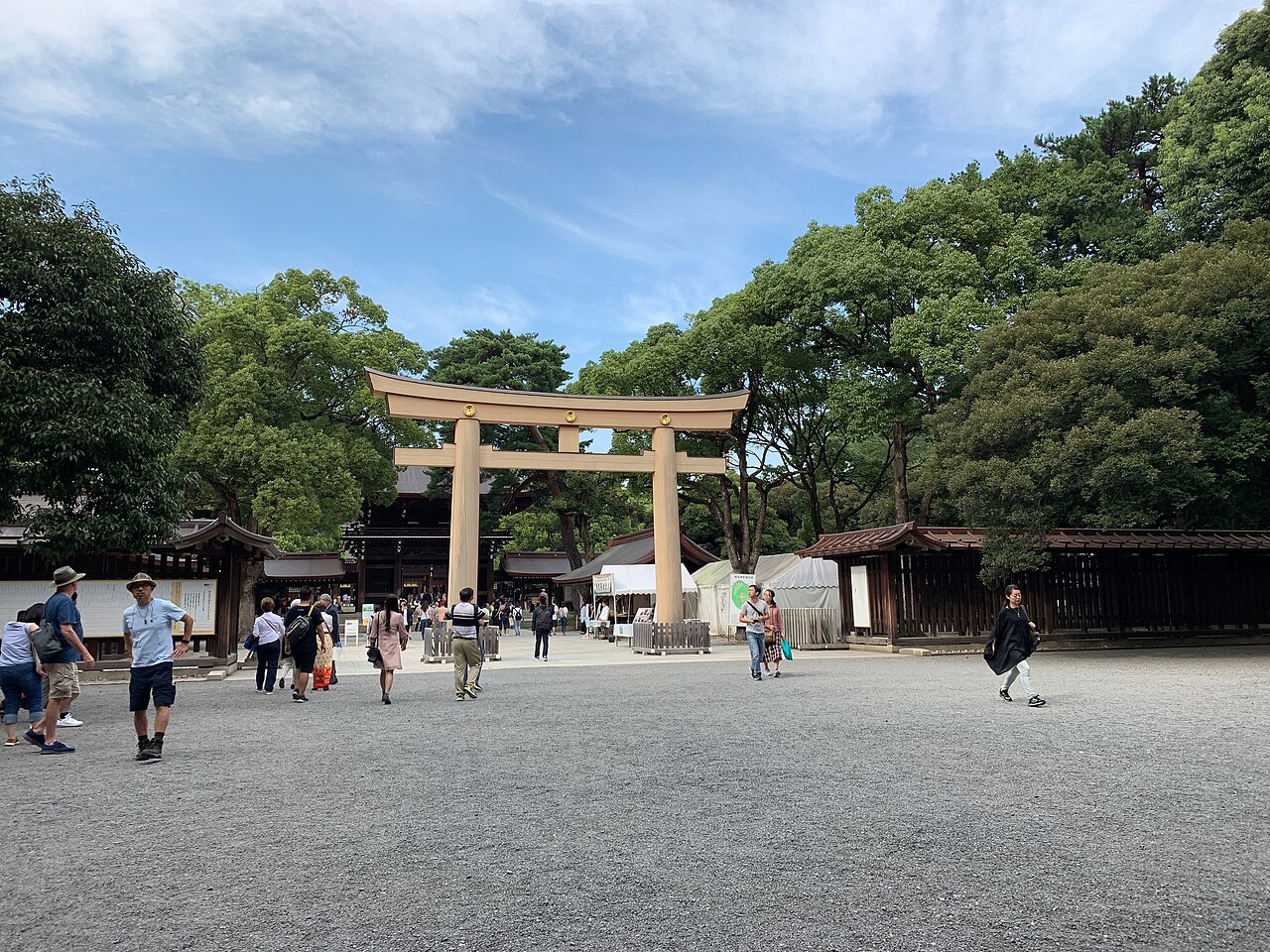
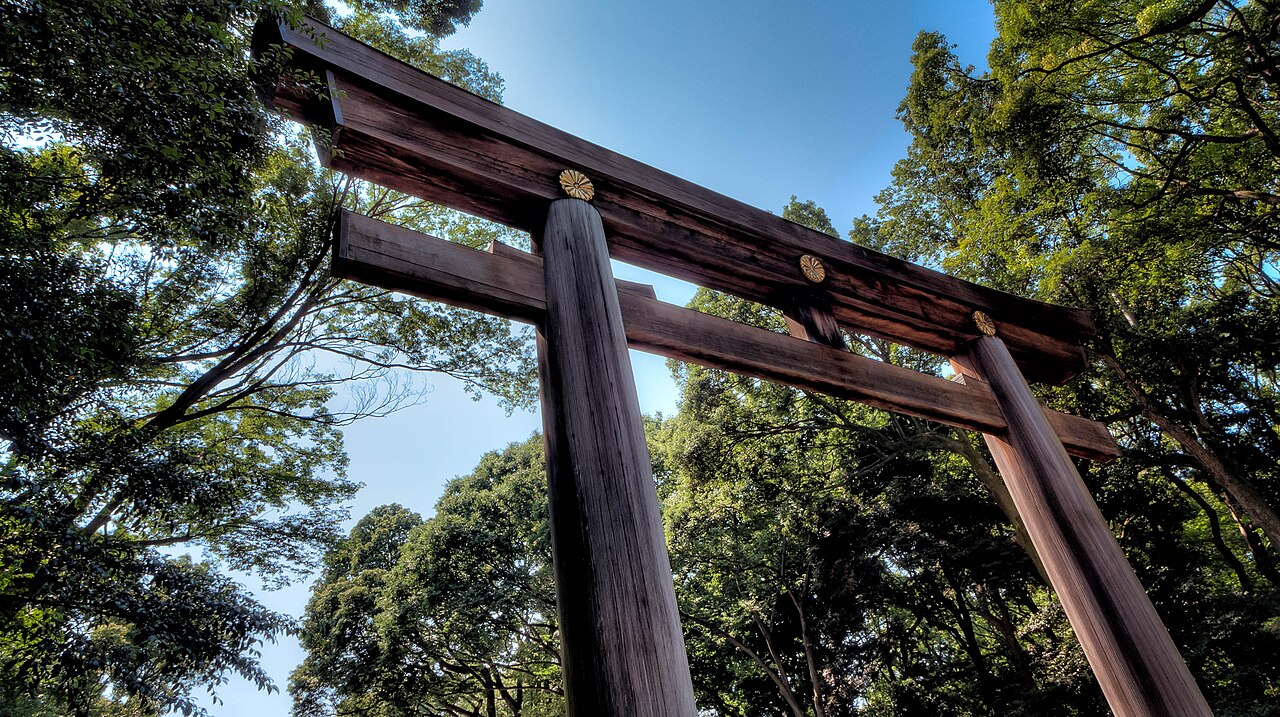
Walking the gravel approach beneath massive wooden torii gates through a forest that feels like ancient woodland in the heart of the city
Worship at the main hall (honden), plus ema prayer plaques and prayers for love, marriage and good fortune
The lined-up display walls of Japanese sake barrels and French Burgundy wine barrels along the approach
The paid Inner Garden (Gyoen): famous for roughly 1,500 irises blooming in mid-June and the Kiyomasa Well power spot
The on-site Meiji Jingu Museum, showcasing imperial artifacts and refined architecture
Good to know
MannersThe exact center of the approach path (seichu) is considered the path of the kami (deity). Walk slightly to the left or right rather than down the middle, and give a small bow when passing through a torii gate.
MannersWorship at the main hall follows bow twice, clap twice, bow once. Before that, purify your hands and mouth at the temizuya (water pavilion) - and never put the ladle directly to your lips.
RulesPhotography is fine on the grounds and in the forest, but not inside the inner sanctuary. Also avoid close-up or flash photography of the Shinto wedding processions that are frequently held here.
SeasonDuring the Jan 1-3 hatsumode period, around 3 million people visit over three days - the biggest New Year turnout in Japan. Peaks are 0:00-3:00 and midday on Jan 1, so arrive early morning or on Jan 2-3 to avoid the worst crush.
SafetyThe grounds are vast with gravel paths, so wear comfortable shoes. The forest closes at sunset (gates match sundown), so plan your route before dark, and be ready for heat and insects on summer forest trails.
Practical info
Entry for worship is free and open year-round, but opening/closing times shift monthly with sunrise and sunset (roughly 5:00-18:30 in summer, 6:40-16:00 in winter). Inner Garden upkeep donation is 500 yen; the Museum is 1,000 yen for adults and closed on Thursdays. Verify fees, hours and closures on the official website before visiting. Easiest access is JR Yamanote Line Harajuku Station or Tokyo Metro Meiji-jingumae Station.
On-site reviews📍 Verified on-site
No reviews yet. If you are here, be the first to leave one.