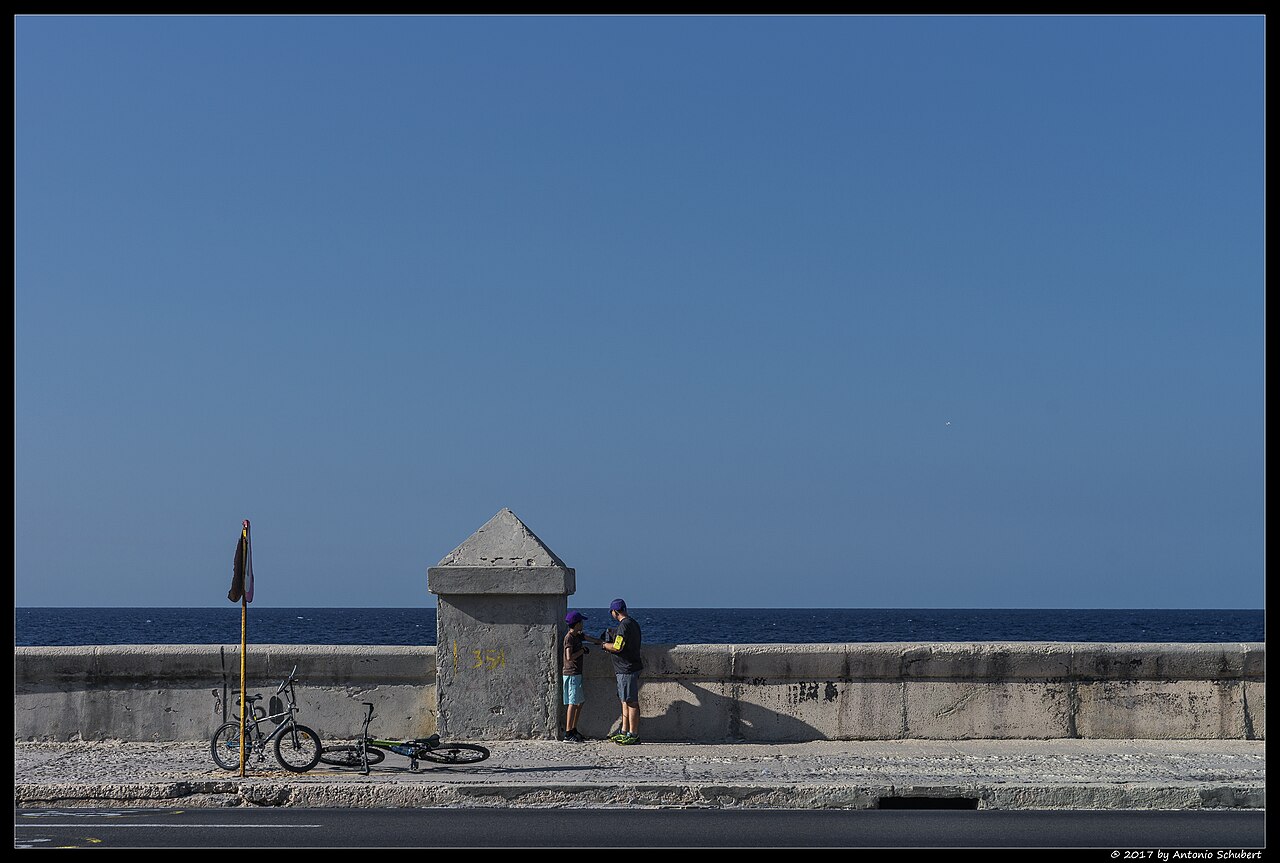
The Malecón (officially Avenida de Maceo) is Havana's iconic 8 km seawall, roadway, and esplanade, begun in 1901 to shield the city from the sea and now the capital's most famous promenade. It is less a single 'sight' than the living stage of Havana: fishermen, musicians, courting couples, and cruising classic cars all gather here, and it is legendary at sunset. In 2026 it remains free and open around the clock, though many seafront buildings are weathered or ruined, and island-wide blackouts plus changes to Cuba's visa and card-payment rules make advance planning essential. Come to stroll slowly and soak up the sea, the light, and street life rather than to tick off monuments.
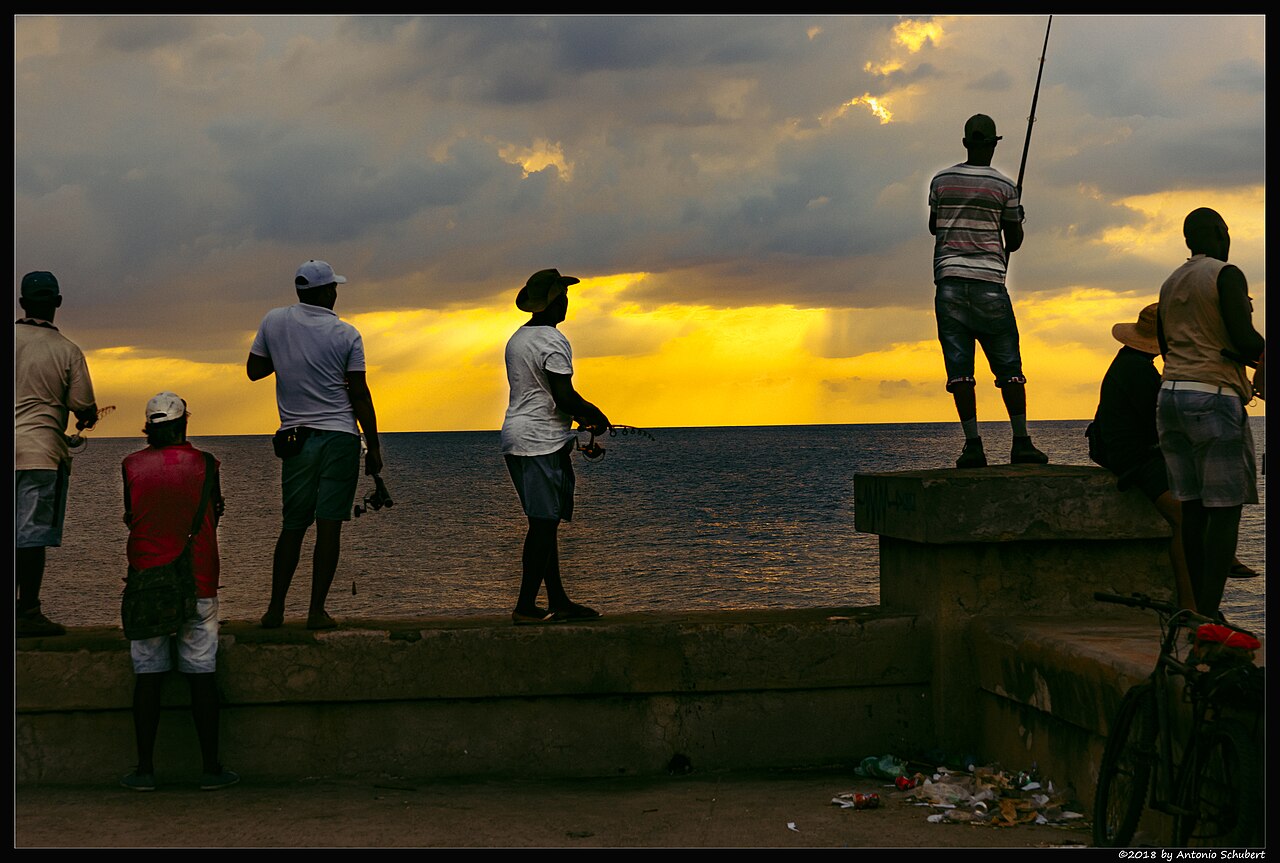
Sunset over the Straits of Florida, when locals line the wall with music and fishing rods
The Hotel Nacional de Cuba (1930) on the bluff in Vedado, steeped in celebrity and 20th-century history
Monuments to independence heroes Antonio Maceo, Máximo Gómez and Calixto García, plus the USS Maine memorial
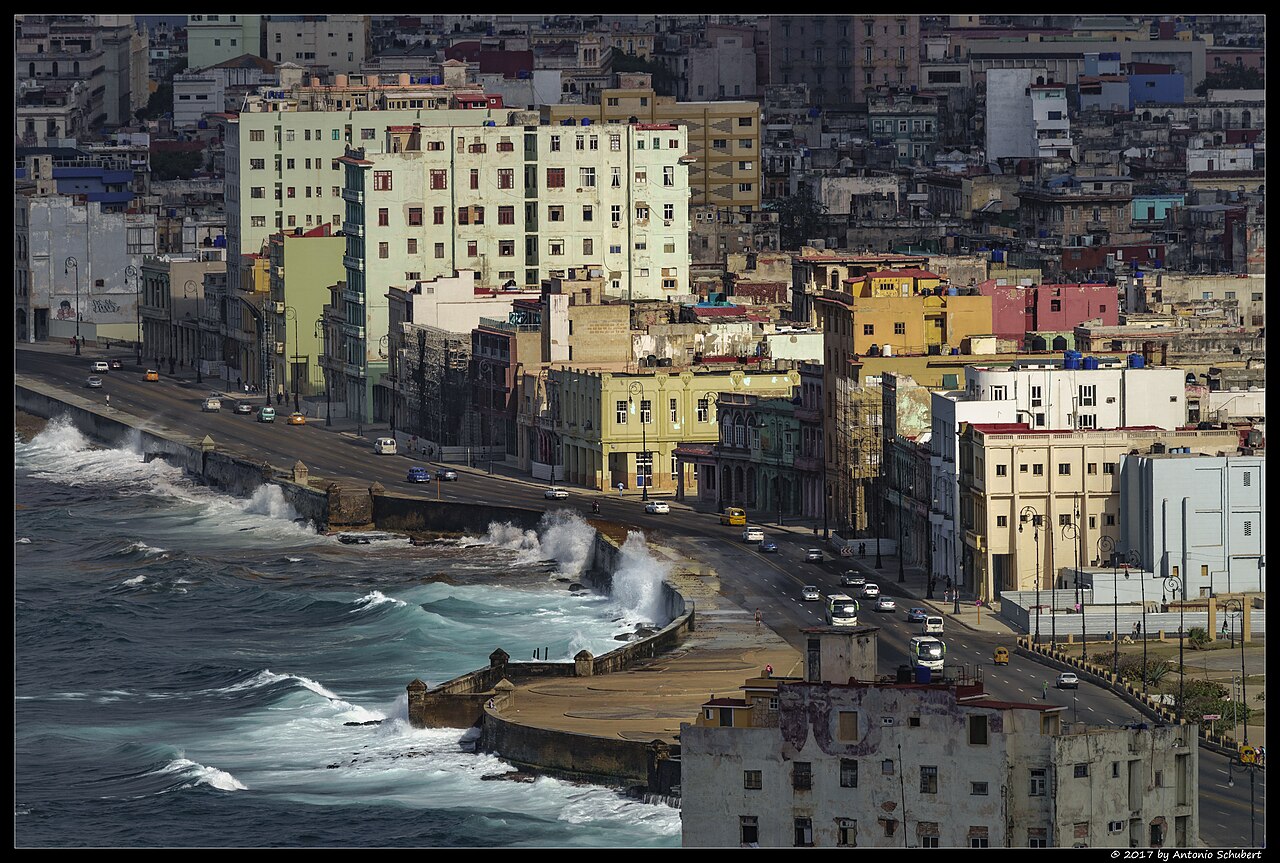
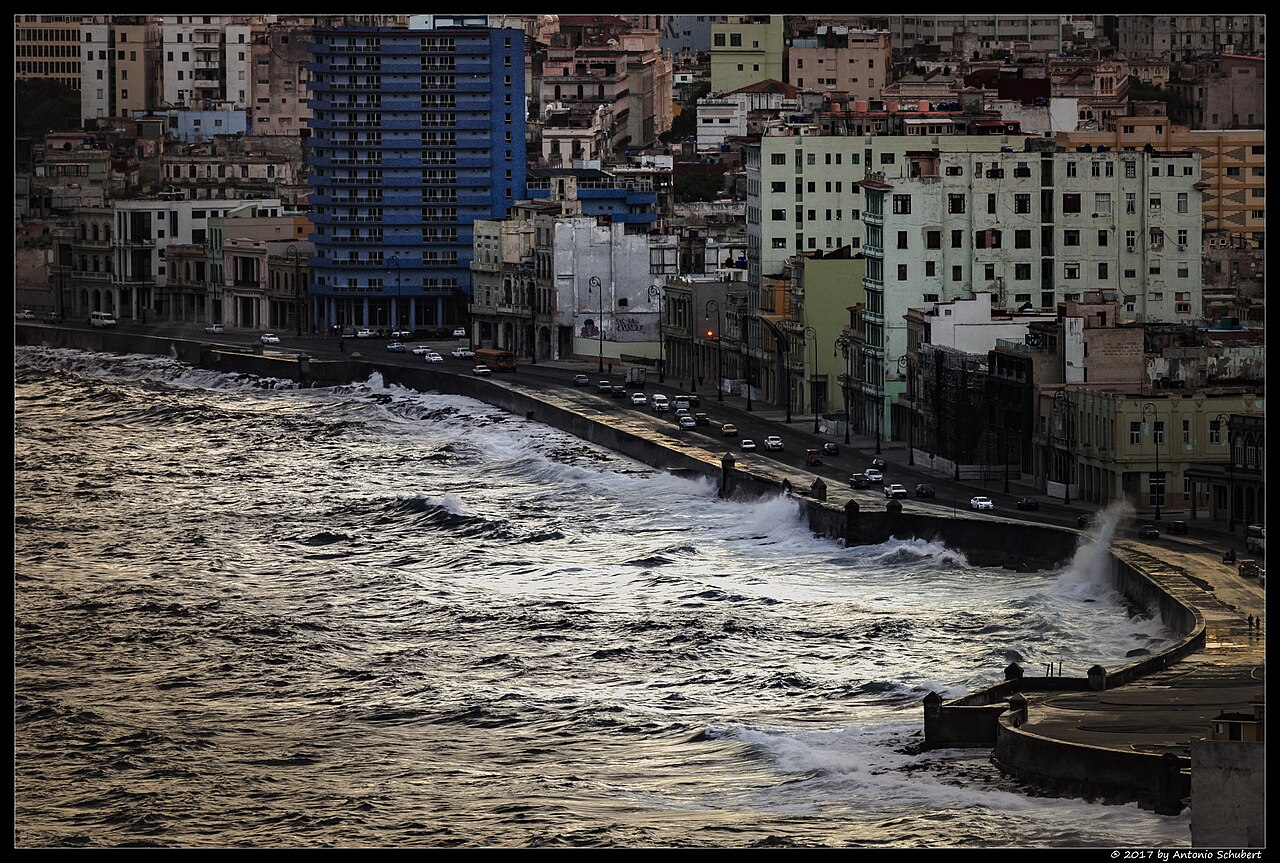
The landward run of pastel colonial and eclectic facades, many faded or crumbling, including Malecón 17 (Las Cariátides)
Everyday Havana life: vintage American cars, street musicians, and anglers perched on the seawall
Good to know
SafetyWhen 'nortes' (northerly cold fronts) blow in, waves surge over the wall and flood the road, and the undertow sucking through the drainage holes is strong enough to have caused drownings. Never climb the wet wall or wade in, and expect the road to close during flooding.
SeasonNortes are most frequent roughly October to March, making the sea rough, and June to November is hurricane season. In July expect intense sun and heat with almost no shade, so bring sunscreen, a hat, and water.
SafetyIt is generally safe in the early evening when locals gather, but use caution late at night, especially along Centro Habana, where pickpocketing and bag-snatching occur. Split and conceal valuables and avoid poorly lit streets.
CautionBeware 'jineteros' (touts) who befriend you and steer you to a bar, restaurant, or cigar shop for commission, and street-sold fake Cohiba cigars and Havana Club rum. Buy cigars and rum only from official outlets (La Casa del Habano) and state shops.
RulesSince June 2026 international Visa and Mastercard payments have been suspended, so bringing cash (EUR, USD, CAD) is effectively essential; change it to Cuban pesos (CUP) at official CADECA bureaus. From 2026 the tourist card has been replaced by an e-visa, so confirm the latest entry requirements before you travel.
MannersMusicians and residents you photograph often expect a small tip (propina), so ask before taking someone's picture and keep small change handy.
Practical info
Havana has no metro; reach the Malecón on foot from Old Havana (Parque Central, Castillo de la Punta) or Vedado (near the Hotel Nacional), or by taxi, classic car, or coco-taxi. It is free and open 24/7 with no ticket, but classic-car tour rates (roughly USD 20-50 per hour), exchange rates, and blackout conditions all shift, so confirm the latest before you go.
On-site reviews📍 Verified on-site
No reviews yet. If you are here, be the first to leave one.