Limassol, on the south coast of Cyprus, is the Mediterranean's best-known depth freediving hub. The seabed drops away steeply just offshore, deep enough to hang a full competition line, and with summer-to-autumn water at roughly 24-28°C and visibility that regularly exceeds 30 m, AIDA has staged its Depth World Championship here four times: 2015, 2021, 2023 and 2025. The 35th edition in 2025 drew about 140 athletes from 53 countries and saw Alexey Molchanov set a bifins world record of 126 m. The city hosts the event again from 27 September to 10 October 2026, now branded the World Apnea 2026 Depth Championships.
The purpose-built competition barge rigged for championship season: roughly 500 m² of deck, three lines running as deep as 150 m, and full counterballast systems
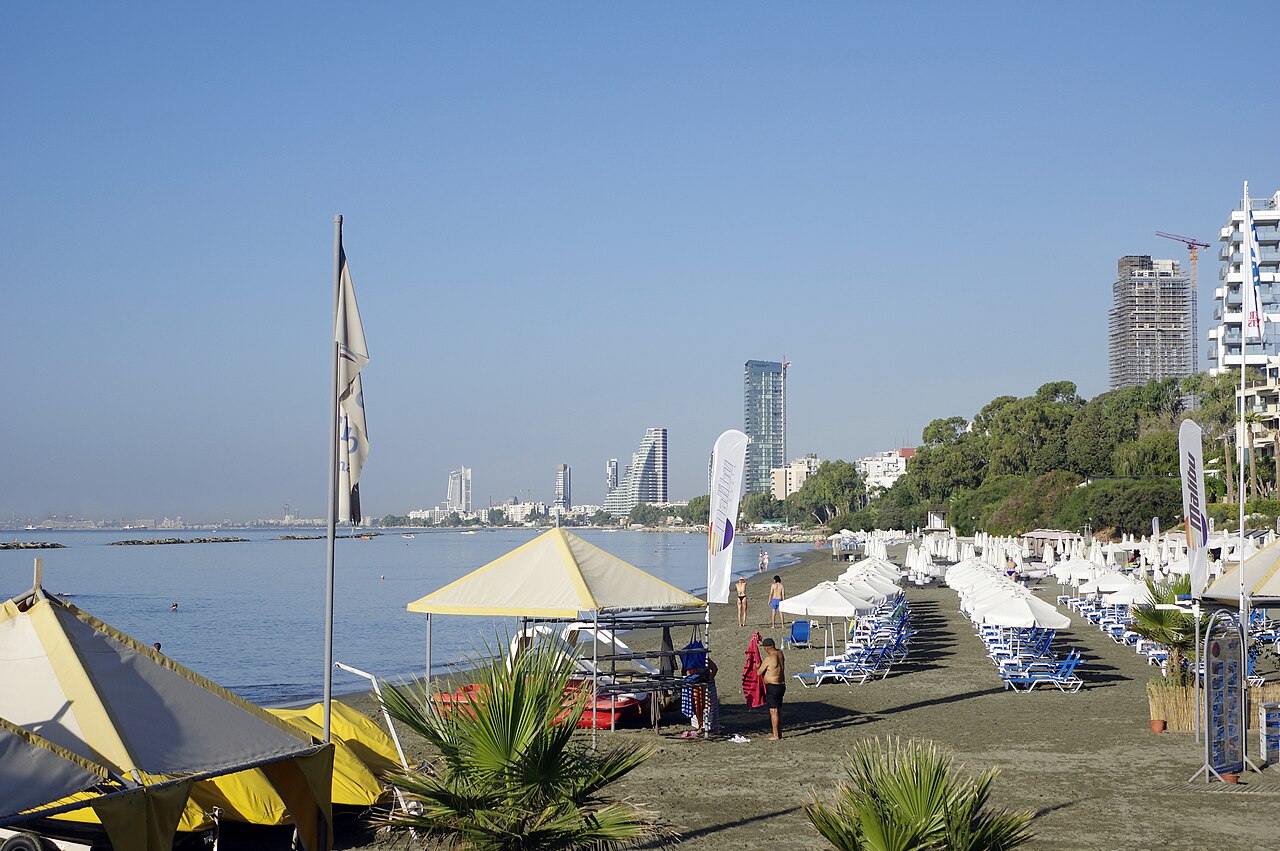
The World Apnea 2026 Depth Championships, 27 September to 10 October 2026 — spectating from outside the competition zone is a draw in itself
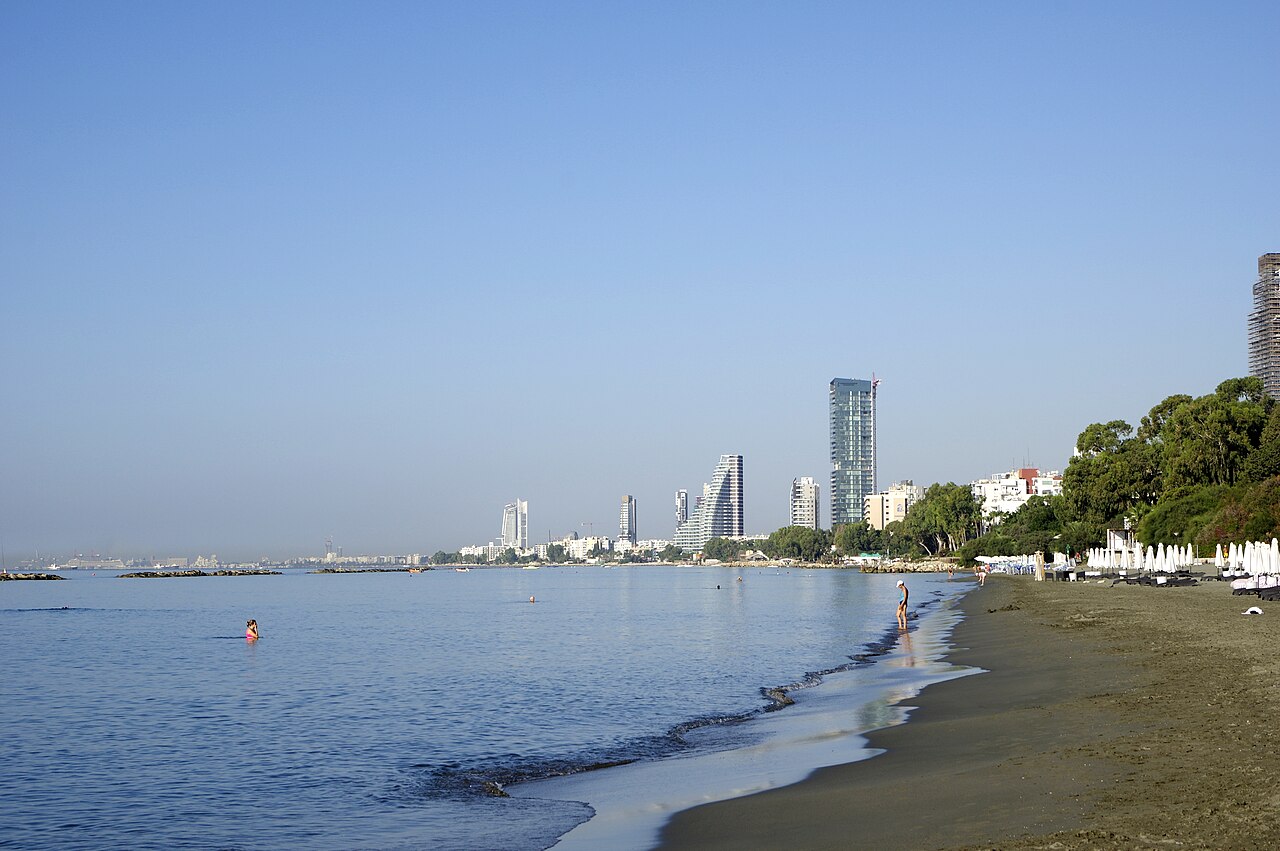
Sheltered bay water with 20-35 m visibility, and September-October temperatures of 26-28°C that allow repeated deep sessions without a heavy suit
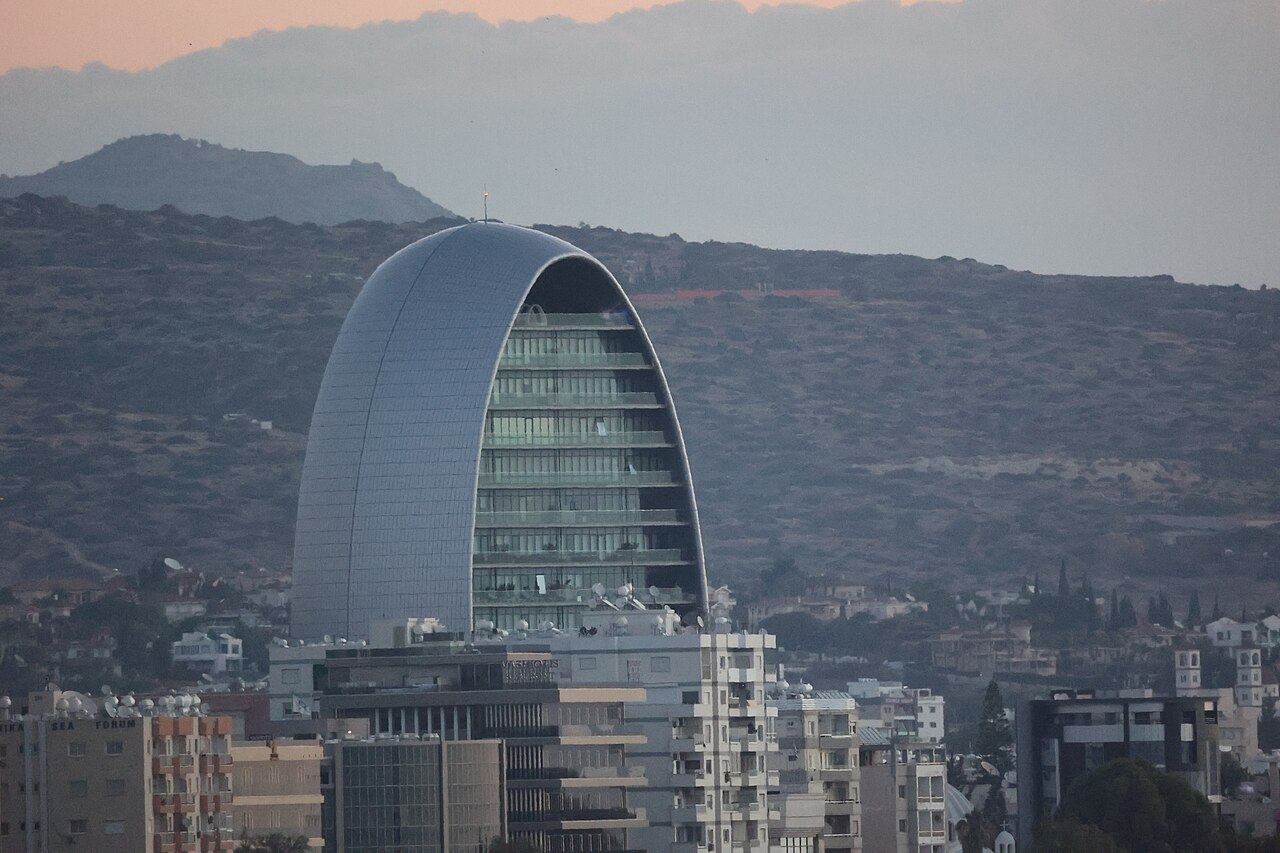
The site where the Natalia Molchanova Memorial Award was first presented in 2015, giving the bay real weight in freediving history
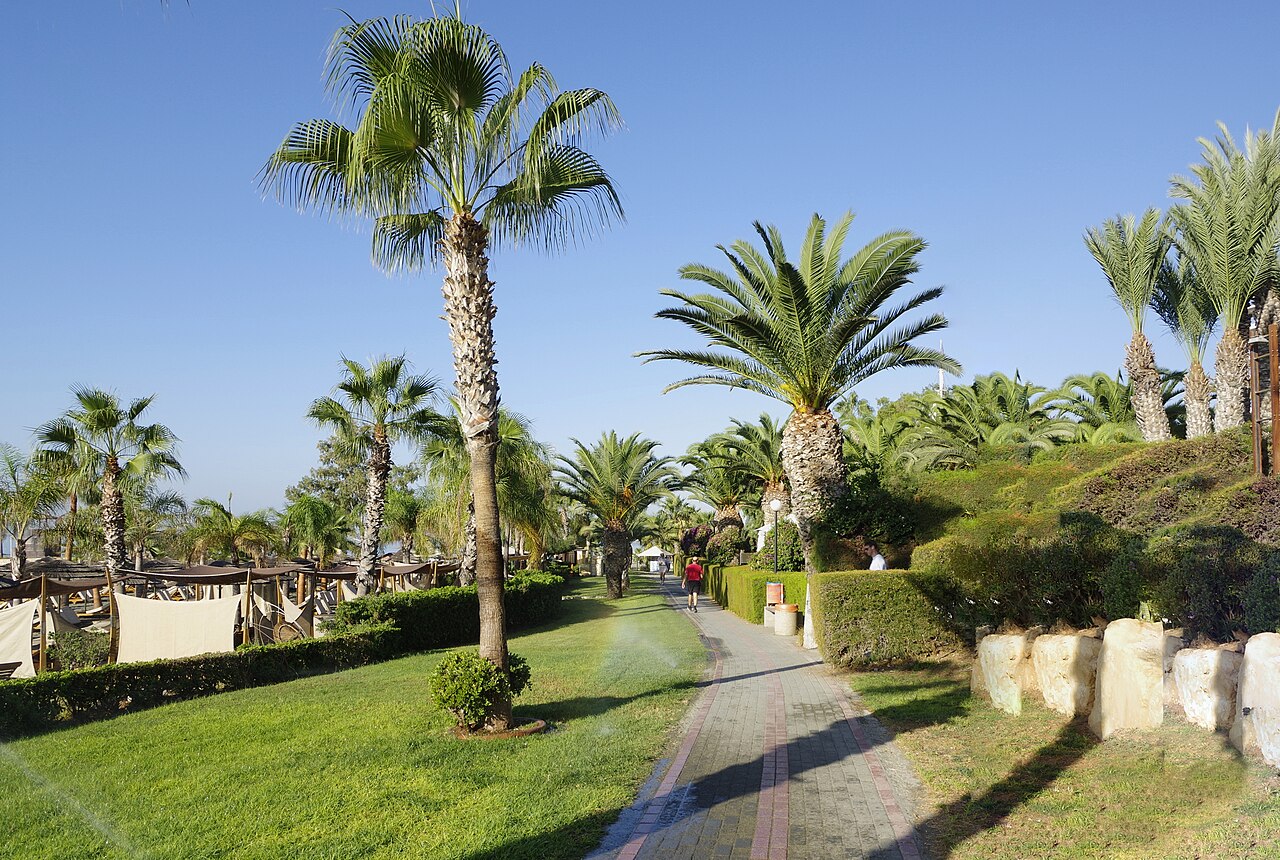
Off-season training zones close to the city centre, with a hospital and hyperbaric treatment roughly ten minutes away — an unusually solid safety envelope for depth training
Good to know
SafetyNever dive alone. Deep dives belong only on a line with a lanyard, a dedicated surface safety diver and a rigged counterballast. Your buddy stays on the surface watching rather than diving alongside you, and keeps eyes on you for at least 30 seconds after you surface.
SafetyHypoxic blackout and LMC (samba) cluster in the last 10 m of ascent and in the seconds after surfacing. LMC can be more dangerous than a full blackout because airway control is compromised while the diver is still conscious enough to inhale water. Never hyperventilate before a dive — it removes the warning signals rather than adding oxygen.
SafetyThe 150 m lines are for competitors and elite training, not for visitors. Do not try to set a personal best on a holiday schedule; build depth gradually over several days. Stop diving for the day at any sign of failed equalisation or lung squeeze — blood in the sputum, coughing, chest tightness.
RulesAccess to deep lines normally requires a freediving certification, a recent medical clearance and insurance that genuinely covers freediving. Standard travel policies often exclude apnea diving or cap covered depth, so read the wording yourself, and check the organiser's current entry standards directly if you intend to compete.
SafetyThis is a boat-access site. Boarding and exiting in swell, and propellers, cause real injuries — and Limassol Bay carries commercial port and cruise traffic. Never run a line without a surface buoy and dive flag.
SeasonThe season runs May to November, best in September and October. That window overlaps the championship, so training-zone access can be restricted and bookings tighten; check dates before you commit. Autumn afternoons often bring a southwesterly chop, making morning slots preferable, and water drops to about 17-19°C from December to April.
CautionBe wary of cut-price operators who will put you on a deep line without checking certification or paperwork. Confirm in writing, before booking, how many safety divers are assigned, whether oxygen is on the boat, and what insurance actually covers.
Practical info
There are no direct flights from Korea; connect via Istanbul, Dubai or Athens to Larnaca (LCA), then 45-60 minutes by road to Limassol. Aim for May-November, ideally September-October, and book early because the championship fills the calendar — confirm current certification, medical and insurance requirements, and the EU's ETIAS rollout timing, before you travel.
On-site reviews📍 Verified on-site
No reviews yet. If you are here, be the first to leave one.