Kushimoto Marine Park sits at the southern tip of Honshu in Wakayama, where the warm Kuroshio Current lets you snorkel over the world's northernmost table-coral (Acropora / kushihada-midori-ishi) colonies right off mainland Japan. The beach in front of the Diving Park is only about 3-6 m deep, marked with numbered buoys and signs, making it easy for beginners and families, while a short 5-minute boat ride reaches the uninhabited island of Tago no Futashima for boat snorkeling. Summer water runs roughly 24-27°C with visibility of about 8-15 m depending on weather and tide, and the whole area is a registered Ramsar wetland. As of 2026 the underwater observation tower, aquarium and sightseeing boat are all operating normally, with June to October being the main snorkeling season.
The largest table-coral colony in Honshu and the northernmost in the world, spreading out directly off the Diving Park beach.
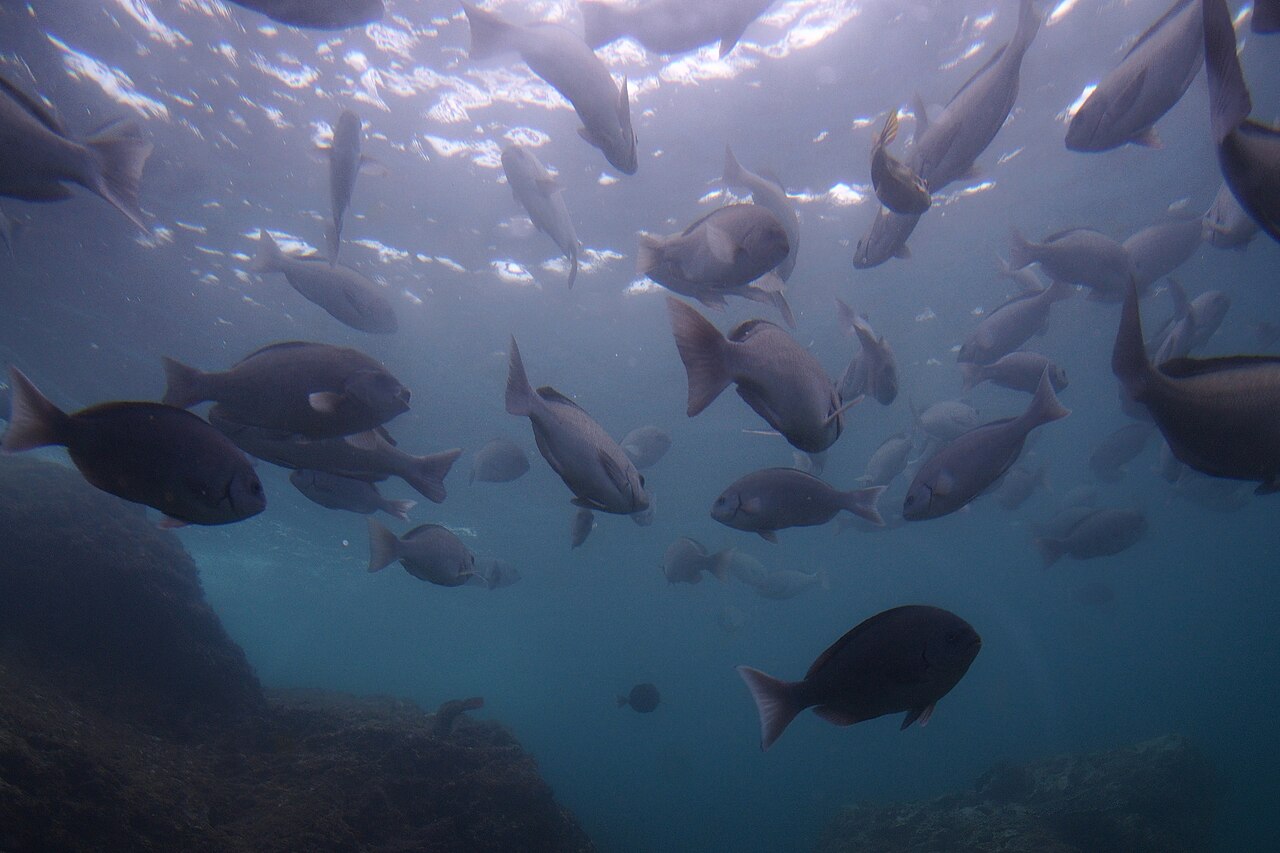
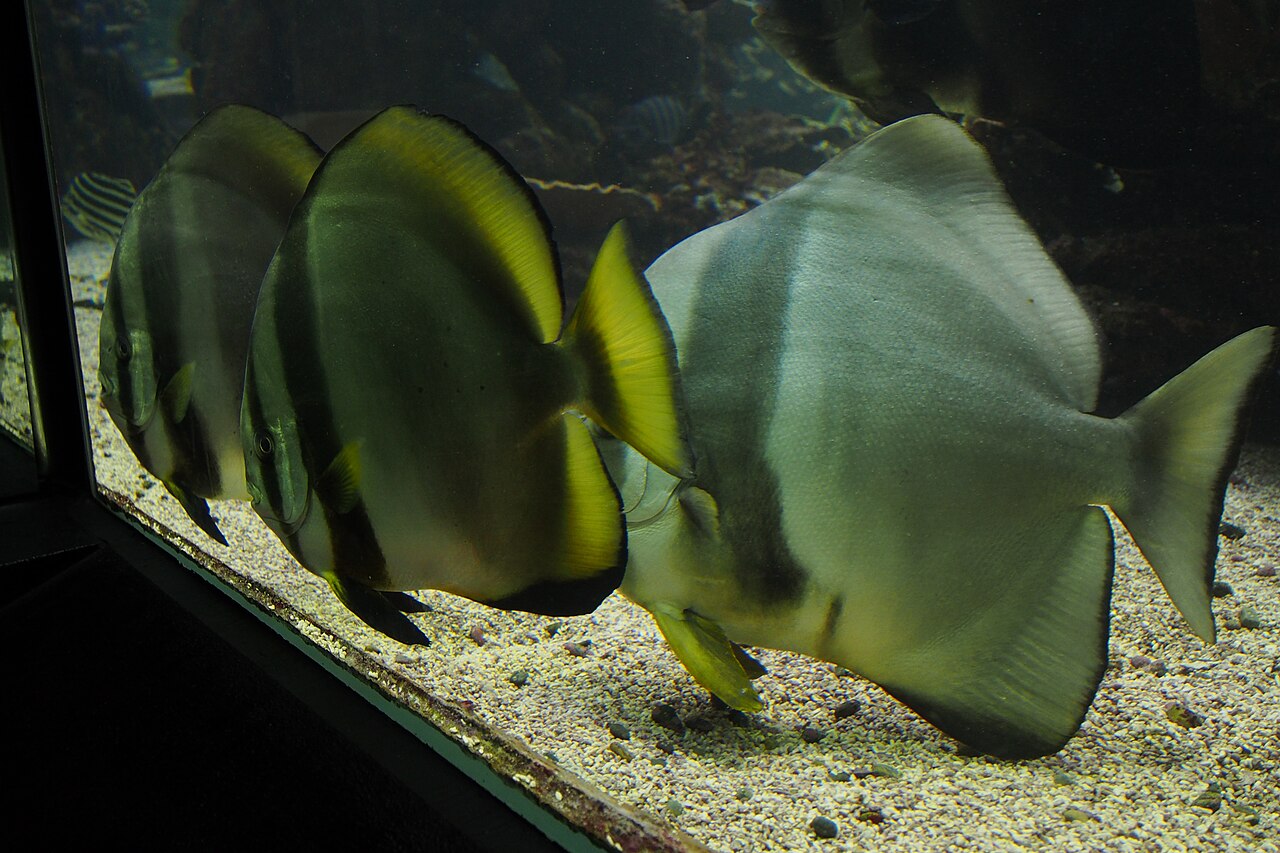
Schools of tropical fish carried in by the Kuroshio Current — subtropical species at the very northern edge of their range, seen on the mainland.
Beginner- and family-friendly beach entry (about 3-6 m deep) with numbered buoys and signs, plus equipment rental on site.
Boat snorkeling to the uninhabited island of Tago no Futashima (about 5 minutes by boat); floating vests mean weak swimmers can join.
A land-side complex — underwater observation tower, aquarium, the 'Stella Maris' sightseeing boat, restaurant and cottages — a good backup for bad weather or non-swimmers.
Chances of meeting sea turtles, especially in the May-August nesting season (keep your distance).
Good to know
SafetyThe Kuroshio Current can run strong and push you offshore. Stay near the buoys and your float, never snorkel alone, and ask staff about current and tide conditions before you get in.
SafetyDive boats move around the Diving Park beach and the boat points. Stay inside the marked areas and tow a surface float so boats can see you.
SafetyJellyfish, including the painful red akakurage, build up from late July through mid-September and peak around Obon (mid-August); a wetsuit or rashguard guards against stings, rocks and cold, and long sessions can chill you even in summer.
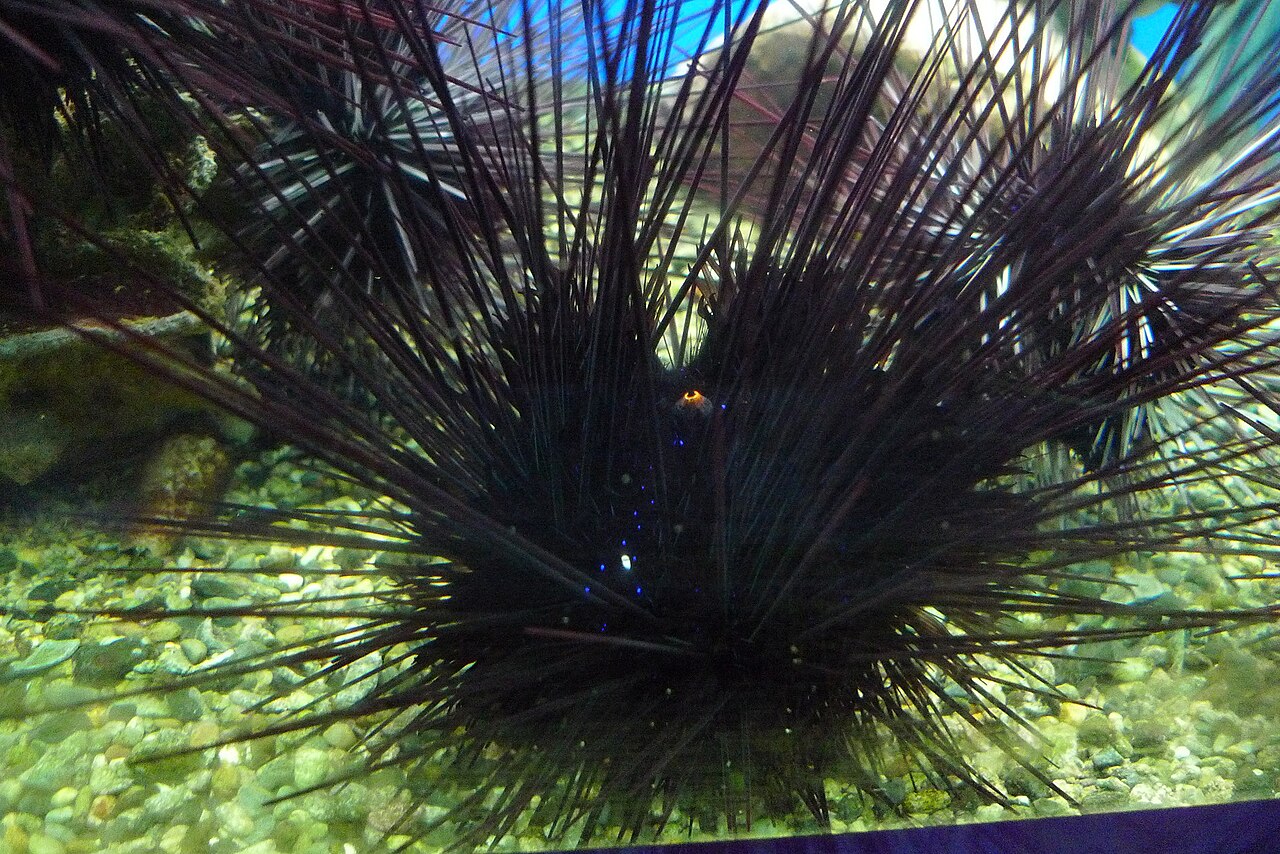
SafetyDon't touch or stand on rocks or coral — sea urchins and stinging hydrocoral cause injuries, and for beginners a fogged mask and panic are the biggest risks, so defog, go slowly and always stay with a buddy or guide.
RulesThis is a Ramsar-registered marine park: touching, standing on, breaking or collecting coral and marine life is prohibited. Keep your fins up off the reef and use reef-safe sunscreen.
MannersKeep your distance from sea turtles and other wildlife — do not chase or feed them.
SeasonThe warm snorkeling season is roughly June-October (summer water 24-27°C, visibility about 8-15 m); winter (Nov-May) has the clearest water but needs a wetsuit or drysuit. Visibility shifts with weather and tide, and typhoons in August-September can close the sea.
Practical info
The park is about 15 minutes by car from JR Kushimoto Station, with a free shuttle bus stopping at Kushimoto Marine Park. Beach entry is open, but boat snorkeling and gear rental are generally by advance reservation, so confirm fees, hours, opening status and same-day sea conditions on the official site or with a local operator before you go.
On-site reviews📍 Verified on-site
No reviews yet. If you are here, be the first to leave one.