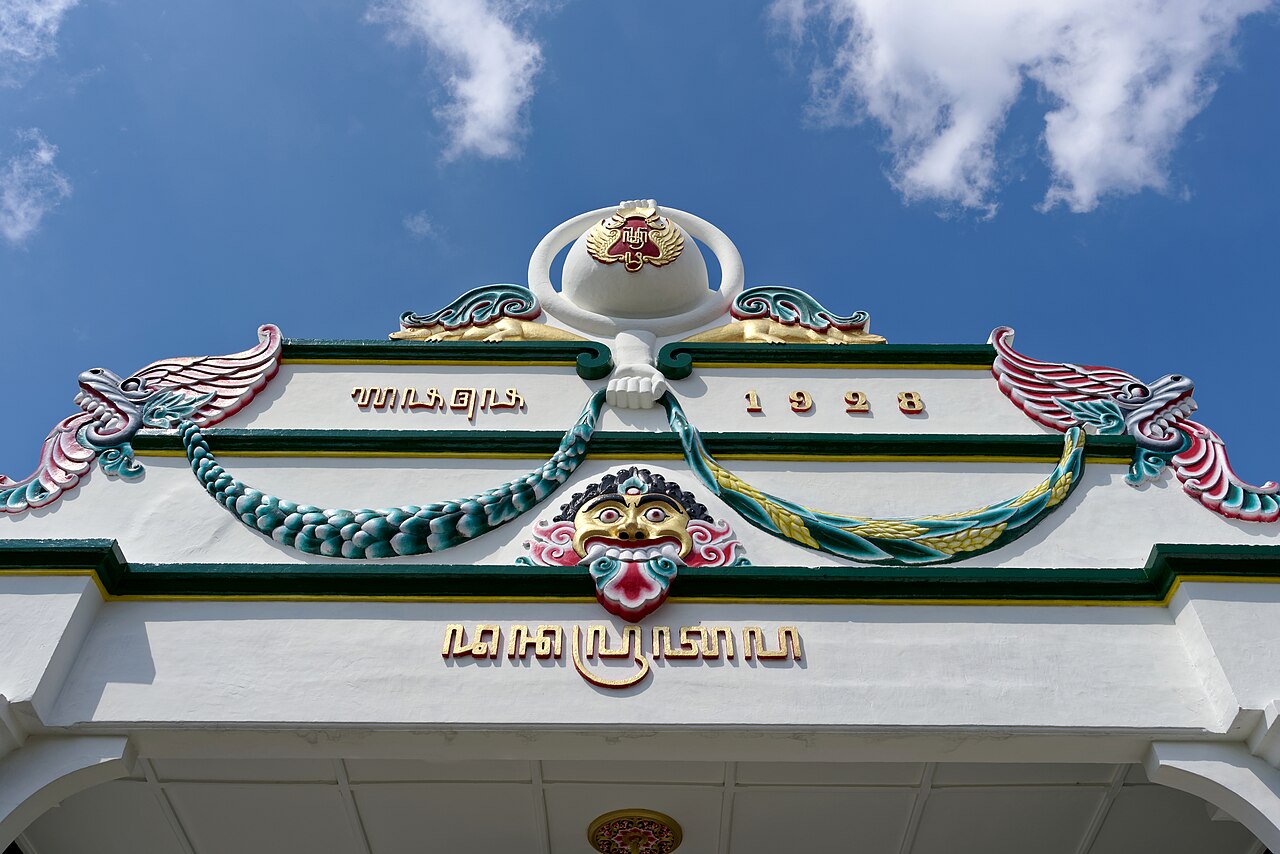
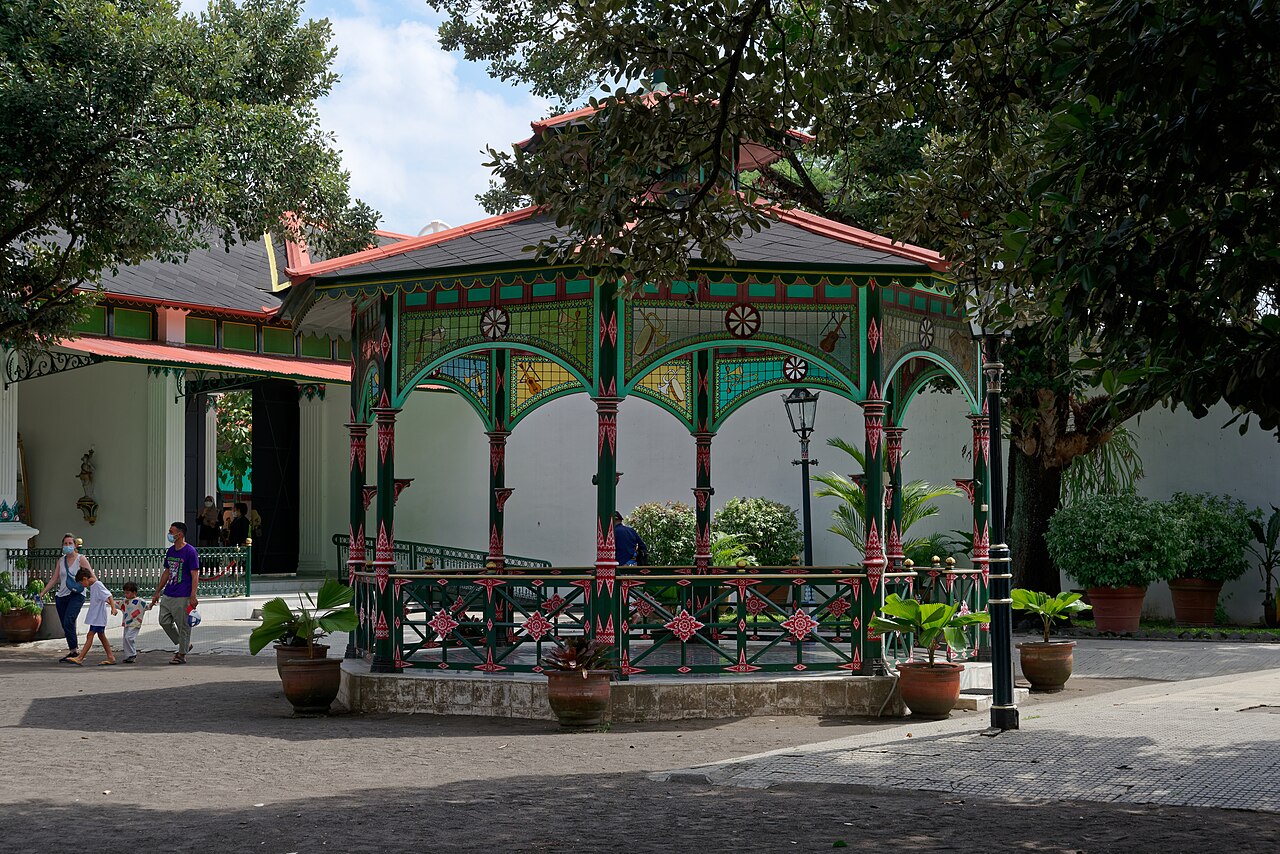
The Kraton Ngayogyakarta Hadiningrat is the royal palace of Yogyakarta, founded in 1755 by Sultan Hamengkubuwono I and still home to the reigning Sultan and his family — a living palace rather than a museum-piece. Visitors walk through open-air pavilions, tiled courtyards and small museums showcasing Javanese architecture, royal heirlooms, and daily gamelan and dance performances. The compound is compact, so 2–3 hours on foot is enough.
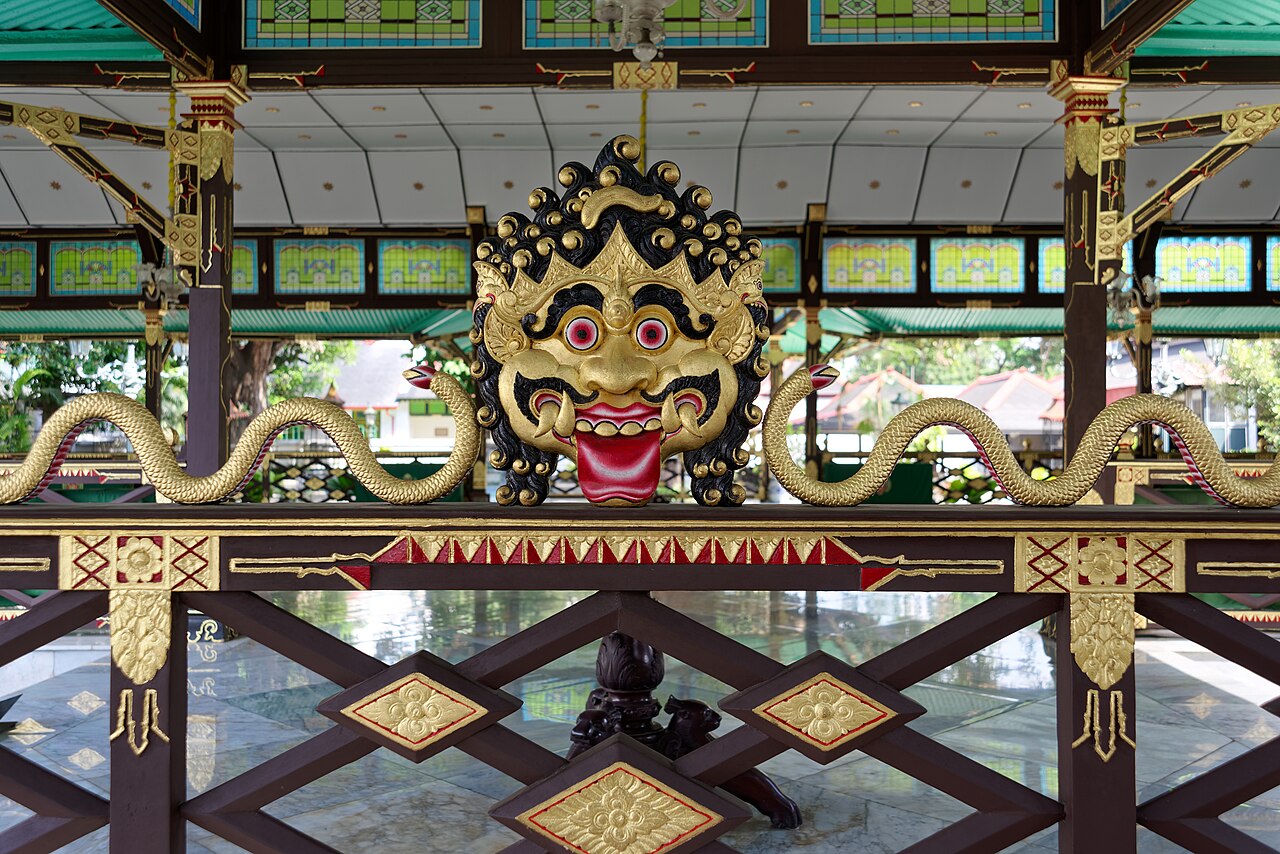
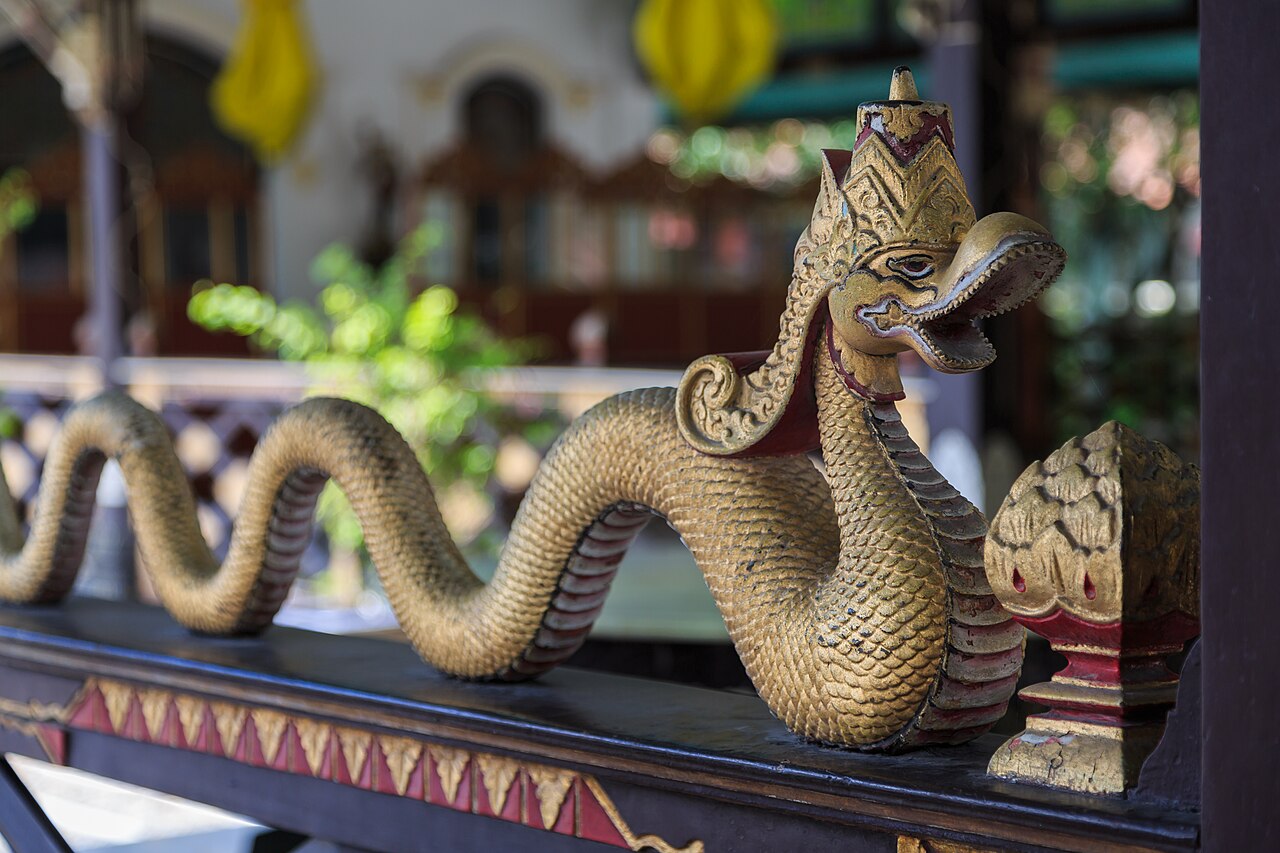
Bangsal Kencana (Golden Pavilion) — the ceremonial heart of the palace, with a marble floor, carved teak columns and stained-glass detailing
Palace museums displaying gifts from European royalty, gilt replicas of sacred pusaka (heirlooms), portraits of past sultans and the royal family tree
Free daily cultural performances (included with admission) — gamelan, wayang (shadow and wooden puppetry), classical Javanese dance and poetry, rotating by day of the week
Themed rooms such as the Patehan (traditional tea room), Life Cycle Room and Painting Room
Easy to combine on foot with the nearby Taman Sari water castle ruins and the walled Kraton neighborhood
Good to know
CautionThe classic trap: a self-styled 'guide' or 'volunteer' near the ticket area claims a 'royal batik workshop is only open Tuesday/Wednesday mornings' and steers you to a gallery selling overpriced fake batik. If you want guidance, book only an official guide at the palace ticket office.
CautionReal batik looks the same on both sides and smells of wax; the goods pushed on tourists are often prints with different colors front and back. Don't make on-the-spot purchases based on 'it supports a good cause' or 'special price today' pitches.
CautionBecak (pedicab) and andong (horse-cart) drivers near the palace and Malioboro often offer to 'take you anywhere for IDR 5,000,' then divert you to souvenir/batik shops for commission or demand IDR 100,000+ at the end. Agree on destination and price before boarding, and prefer the Grab or Gojek apps.
MannersThis is a sacred, still-inhabited royal residence. Avoid shouting and public displays of affection, don't touch sacred objects or enter restricted areas, and don't photograph members of the royal family without permission.
RulesDress code: shoulders and knees should be covered; shorts, miniskirts, hats and sunglasses are restricted. Flash and tripods may be limited inside museum sections, and drones are prohibited.
SeasonJava's rainy season runs roughly November–April, with frequent afternoon downpours. Arrive around opening/late morning to beat the heat and catch the morning performances.
Practical info
Open Tuesday–Sunday mornings (may close Mondays and during royal ceremonies or public holidays); foreigners pay a modest entry fee plus a small camera charge. Fees, hours and the performance day-schedule change, so verify locally before visiting. Morning arrivals have the best chance of catching a free traditional performance.
On-site reviews📍 Verified on-site
No reviews yet. If you are here, be the first to leave one.