Karnak is the largest religious building complex of the ancient world, standing on the east bank of the Nile at Luxor (ancient Thebes). Dedicated chiefly to the sun god Amun-Ra, it was enlarged by successive pharaohs over roughly 2,000 years, from the Middle Kingdom to the Ptolemaic era, into a vast 'city of temples.' It is world-famous for its Great Hypostyle Hall of 134 colossal columns, the towering obelisk of Queen Hatshepsut, and its Sacred Lake. With the Avenue of Sphinxes restored and reopened in 2021 to once again link Karnak with Luxor Temple, Luxor remains southern Egypt's premier open-air heritage destination in 2026 - a living site where excavation and restoration continue, best experienced by walking its huge grounds slowly to feel the scale of ancient Thebes.
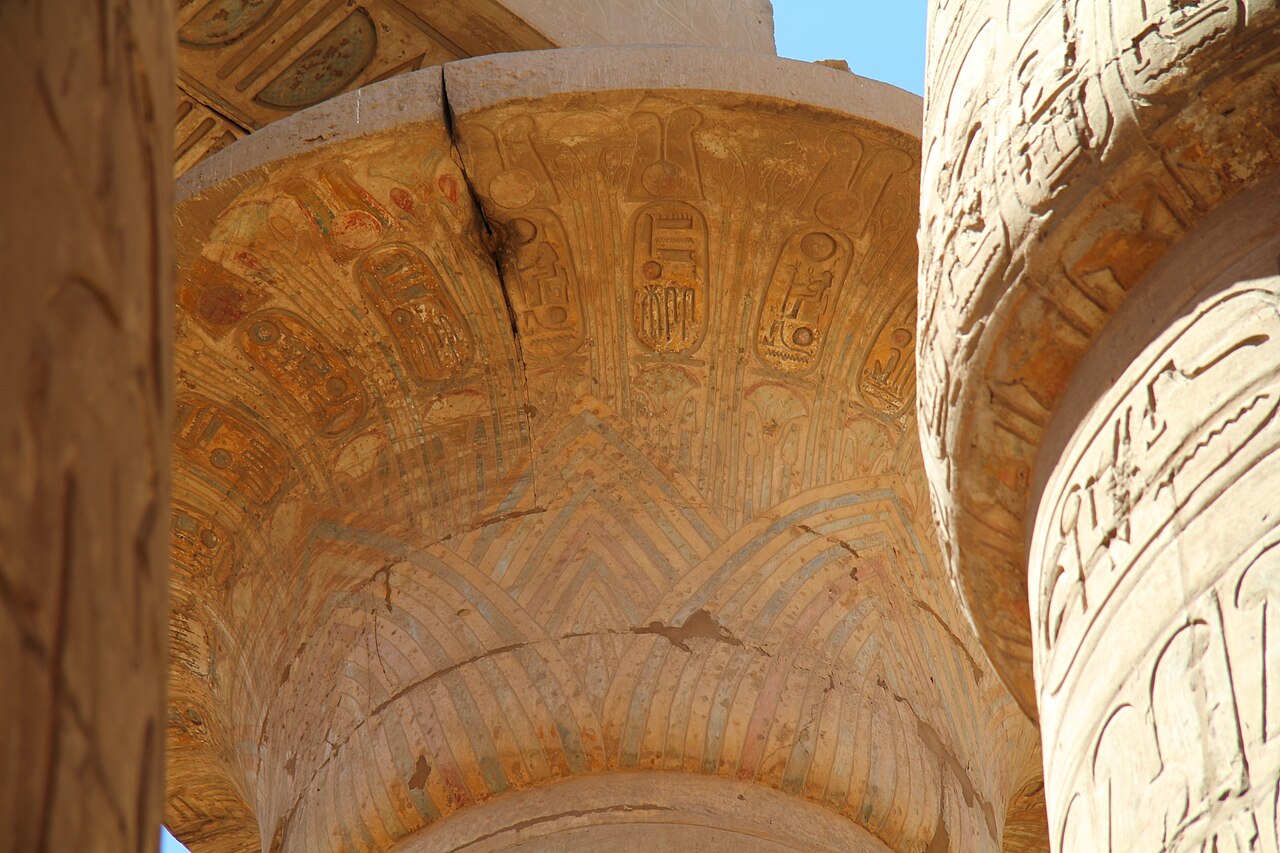
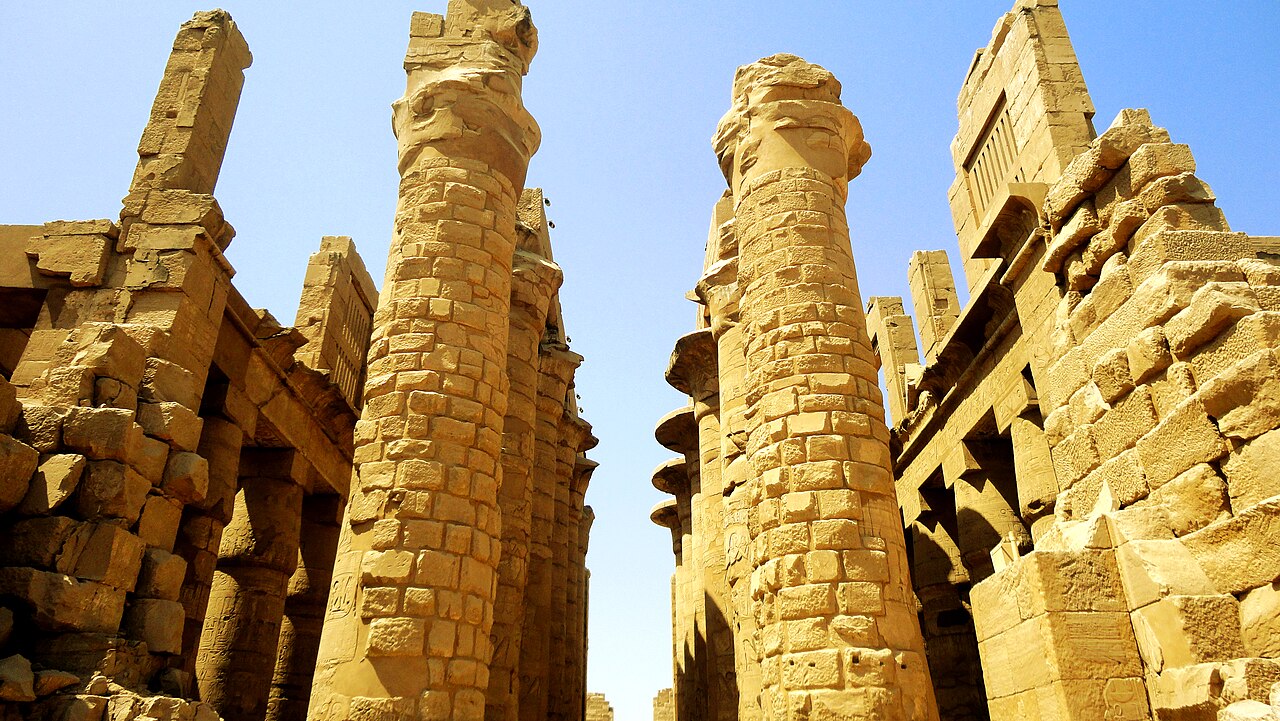
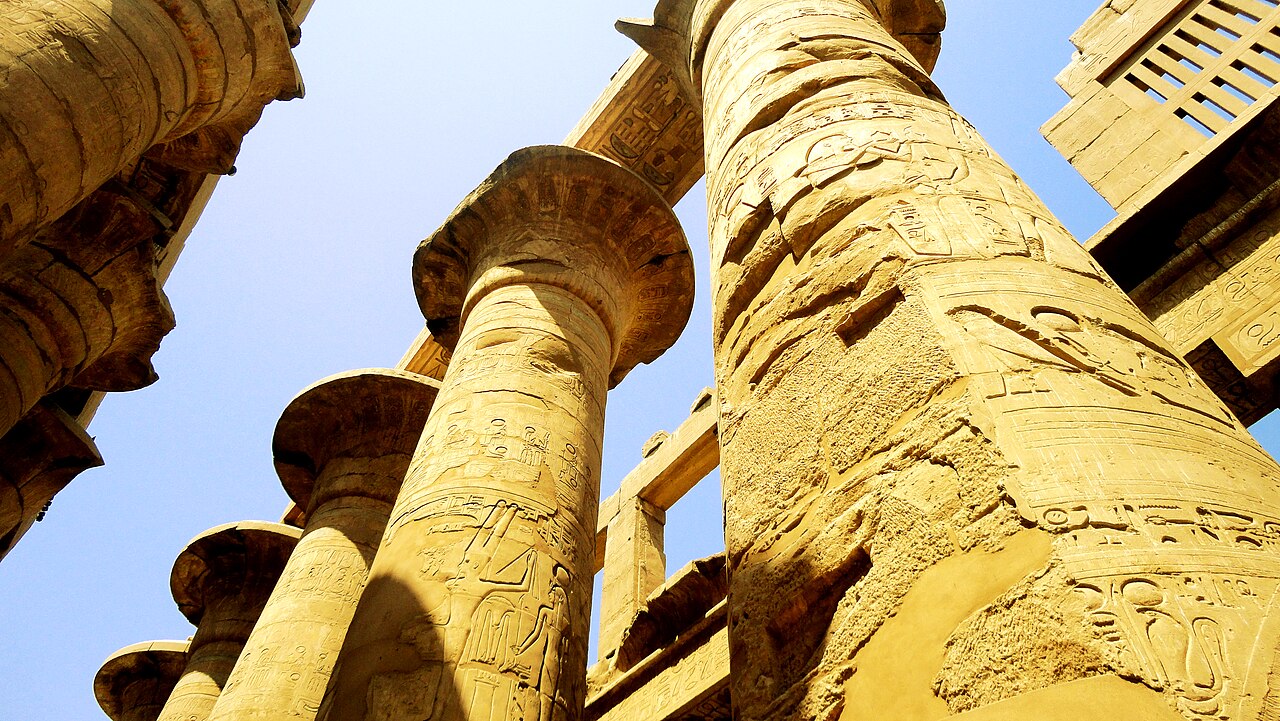
Great Hypostyle Hall - a forest of 134 papyrus-form columns covering about 5,000 sqm, the signature sight of Karnak.
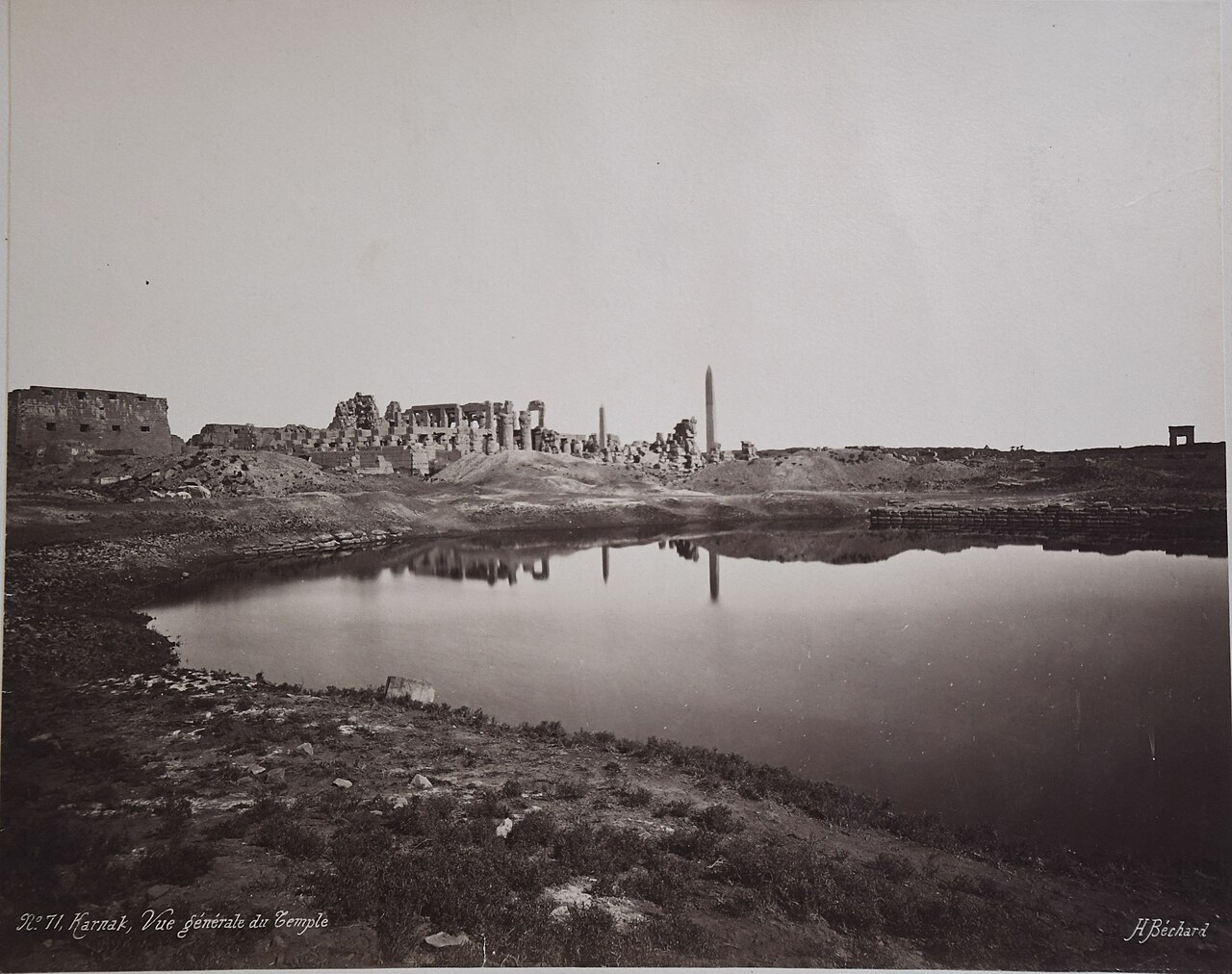
Obelisk of Hatshepsut - the tallest ancient obelisk still standing in Egypt, roughly 29 m high.
The Sacred Lake - the artificial lake priests used for purification rites, with a giant stone scarab beetle beside it.
First Pylon and the ram-headed sphinx avenue - the row of criosphinxes that greets you at the entrance.
The open-air museum and the finely carved reliefs of Amenhotep III and the Thutmosid kings, including the reconstructed White Chapel.
Good to know
SeasonLuxor summers (June-September) push midday temperatures past 40°C with almost no shade. Visit right at the 6 a.m. opening or in late afternoon, and carry water, a hat and sunscreen.
MannersThis is a living cultural and religious heritage site - do not touch or climb the reliefs and columns, and modest clothing that covers shoulders and knees is both respectful and sun-smart.
RulesStandard photography is free, but tripods, professional gear and flash require a separate paid permit and are restricted in some areas; the evening Sound & Light Show is ticketed separately from daytime entry.
CautionAround the entrance and car park, people may offer 'free' guiding or to take your photo and then demand a tip - decline firmly if unwanted, and always agree the fare before boarding a taxi or horse carriage (calèche).
MannersTipping (baksheesh) is part of daily life in Egypt; keep small Egyptian-pound notes for restrooms and minor help, but you are not obliged to meet excessive demands.
SafetyPersistent touts and hard-sell souvenir vendors are more common than pickpocketing; keep valuables close and buy tickets only at the official box office or online.
Practical info
Karnak sits about 3 km north of central Luxor and is linked to Luxor Temple by the Avenue of Sphinxes; with no metro in Luxor, reach it by taxi, horse carriage or Nile cruise, and arrive from Cairo by domestic flight or overnight train. It opens around 6 a.m. until roughly 5:30 p.m. in winter and 6 p.m. in summer, with foreign-adult admission around 600 EGP - but always confirm the latest fares and hours on the official site (egymonuments.com) before you go.
On-site reviews📍 Verified on-site
No reviews yet. If you are here, be the first to leave one.