Jackson Square is a 2.5-acre (about 10,000 m²) historic park at the heart of New Orleans' French Quarter, laid out in 1721 as the Place d'Armes, the military parade ground of the French colonial city of Nouvelle-Orléans. It was the stage where Louisiana was formally transferred to the United States under the 1803 Louisiana Purchase, and it was designated a National Historic Landmark in 1960. At its center stands Clark Mills' 1856 equestrian statue of General Andrew Jackson, framed by St. Louis Cathedral, the Cabildo, the Presbytère, and the Pontalba Buildings in a distinctive French-Spanish colonial setting. As of 2026 it remains a lively, free, open square where painters, tarot readers, and jazz buskers gather daily — an ideal starting point for exploring the Quarter on foot.
The Andrew Jackson equestrian statue at the center — one of four identical works cast by sculptor Clark Mills (1856)
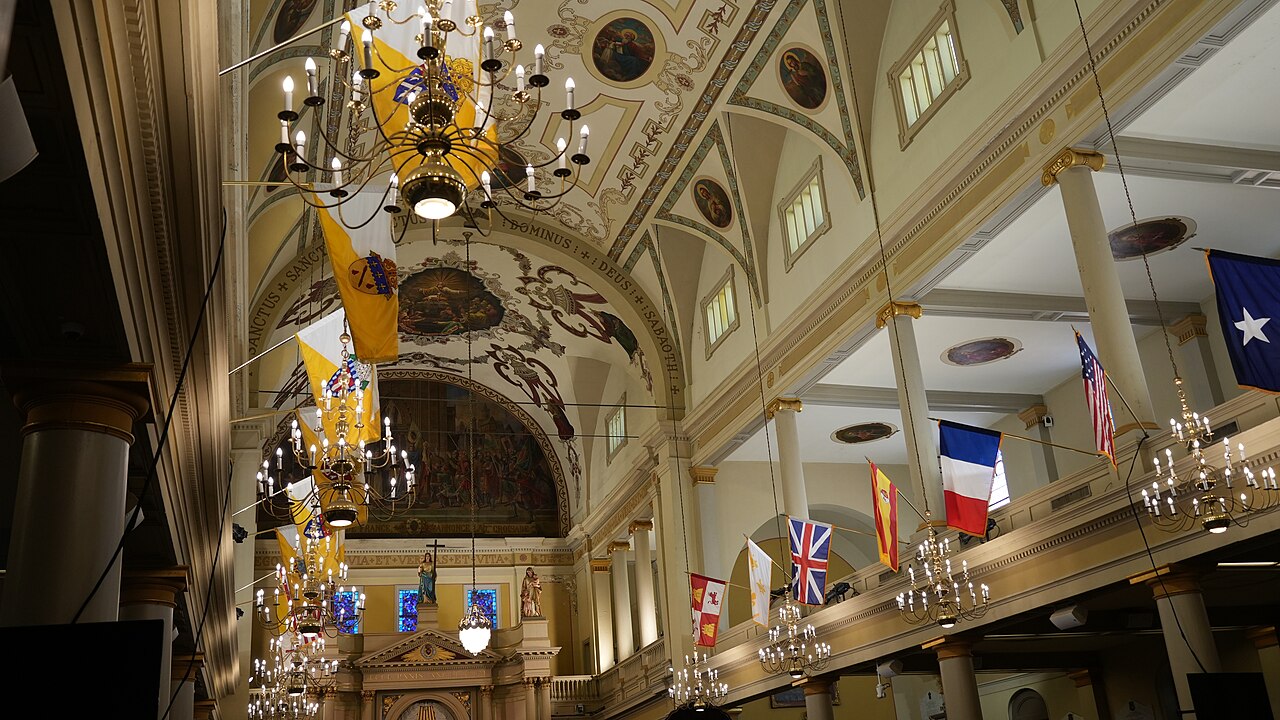
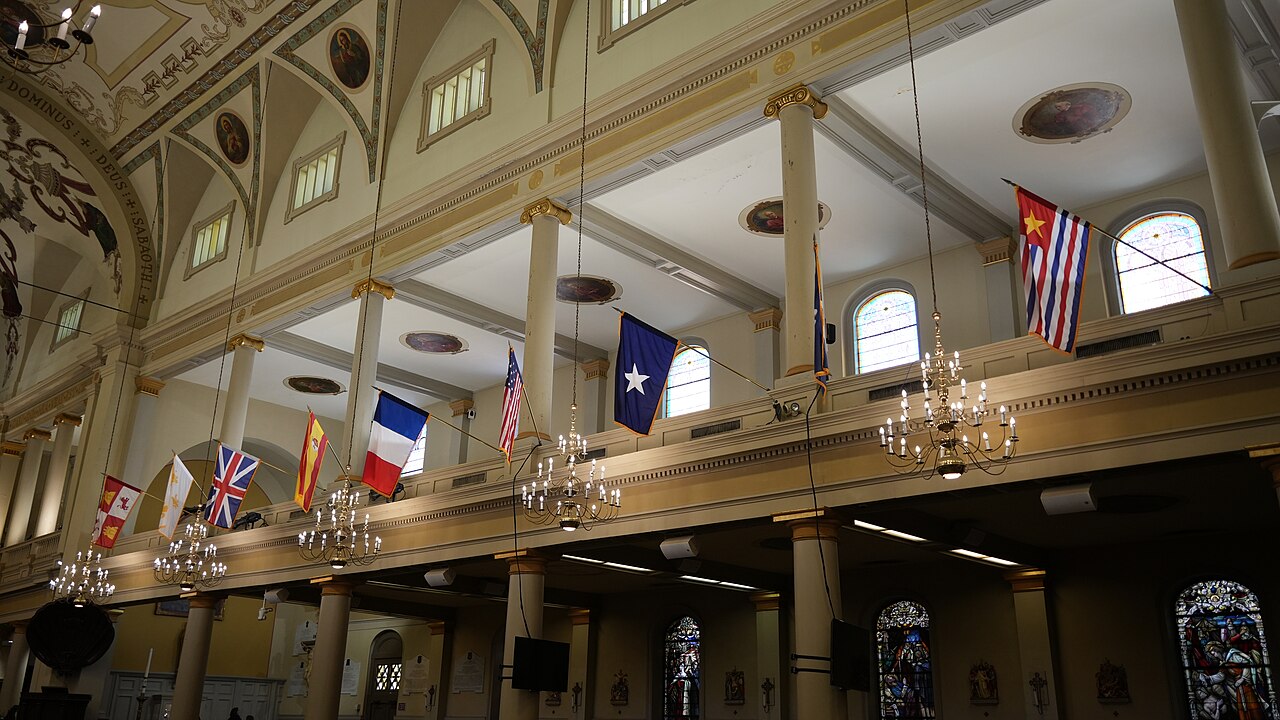
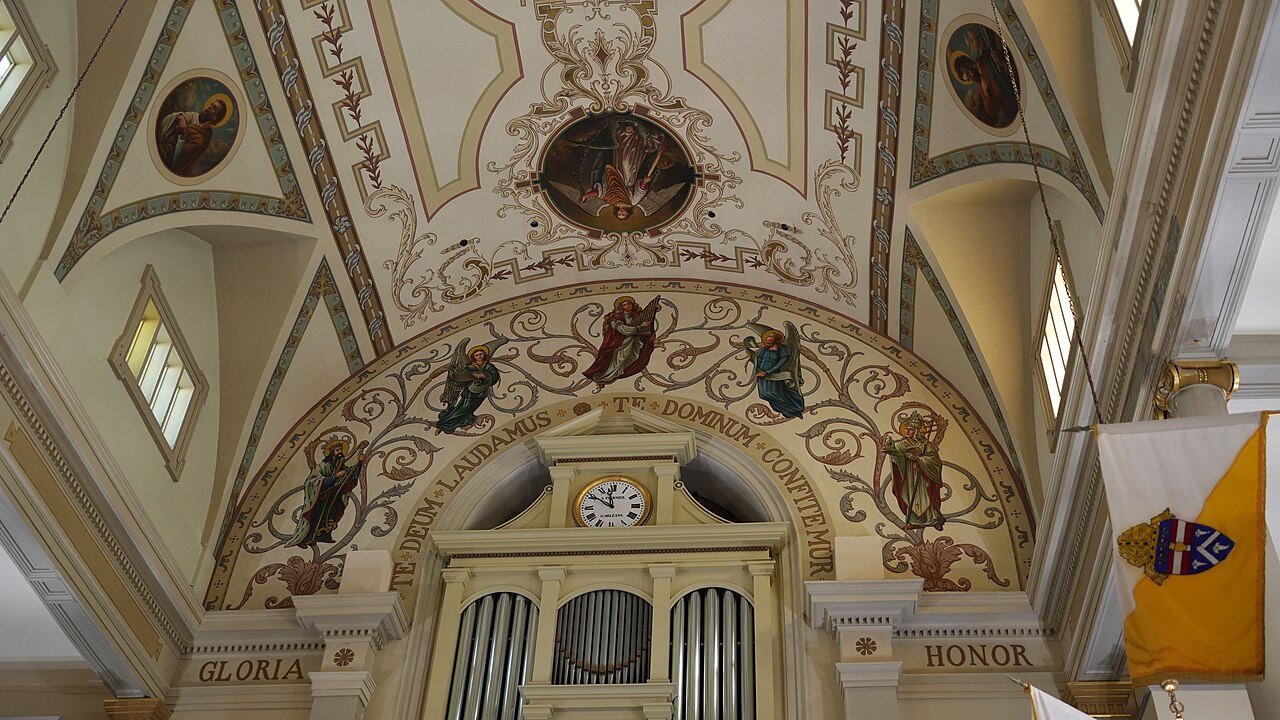
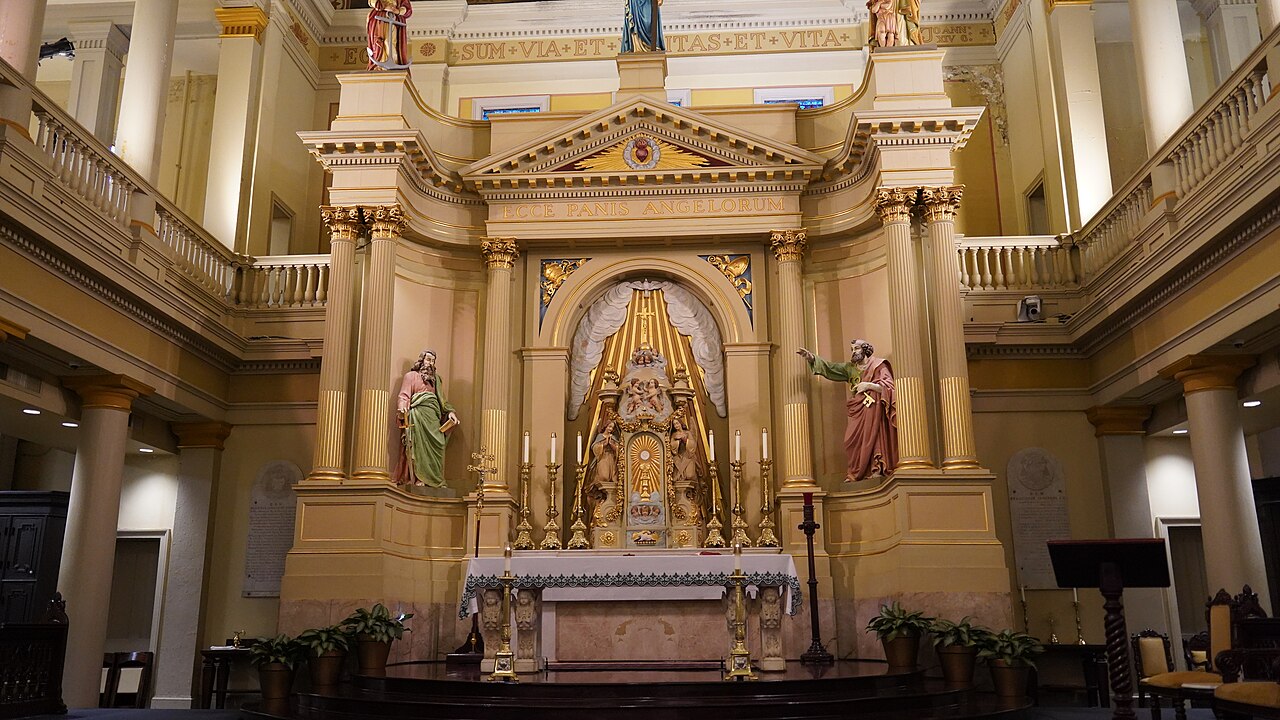
St. Louis Cathedral overlooking the square — the oldest continuously operating cathedral in the United States, with its iconic white spires
The flanking Cabildo (site of the Louisiana Purchase transfer) and Presbytère, now the Louisiana State Museum
The Pontalba Buildings lining both sides — among the oldest apartment buildings in the U.S., with red brick and cast-iron balconies
Street artists hanging paintings on the wrought-iron fence and live jazz/brass-band busking — New Orleans' living art scene
Good to know
SafetyThe square is generally safe by day thanks to crowds and police, but avoid the darker edges, empty side streets, and rowdy Bourbon Street clusters late at night, and use a rideshare when moving after dark.
CautionBeware of street hustles such as the "I bet I know where you got your shoes" line, people who snap a bracelet on you and then demand payment, and unlicensed 'guides' who overcharge.
MannersStreet musicians, artists, and tarot readers work for tips — it is effectively a paid service. Ask before photographing a performer or portrait artist and offer at least a small tip.
SafetyPickpockets operate in the dense crowds in front of the cathedral and around Café du Monde. Wear your bag in front and keep wallets and phones out of back pockets.
SeasonJuly and August bring brutal heat and humidity with a heat index near 40°C and frequent afternoon thunderstorms, and June–November is hurricane season. Bring water, a hat, and sun protection, and check weather advisories before you travel.
RulesSt. Louis Cathedral is free but viewing is restricted during Mass, modest quiet conduct is expected, and photography is not allowed during services. Confirm opening hours and any closures for special events (e.g., weddings) on the day.
MannersU.S. tipping custom means roughly 18–20% of the pre-tax total at nearby restaurants; keep small bills handy for buskers and carriage tours too.
Practical info
The square sits in the walkable core of the French Quarter and is easiest reached on foot, via the RTA Riverfront or Canal Street streetcar, or by rideshare; it is about a 30–45 minute drive from Louis Armstrong International Airport (MSY). The square itself is free and largely accessible around the clock, though the city lists official gated hours of roughly 08:00–18:00 and cathedral visiting hours of roughly 09:30–16:00 (free) — always verify current fees and hours on the official sites before visiting.
On-site reviews📍 Verified on-site
No reviews yet. If you are here, be the first to leave one.